
Film
Delirious
Other titles called Delirious: the 2007 film.
A soap opera writer regains consciousness inside his own melodramatic creation, able to rewrite reality by typing at his typewriter. It's a gleeful high-wire act between absurdist comedy and genuine romantic warmth, powered by John Candy's charisma and a premise that has no business working but somehow does. Perfect for anyone who loves the idea of fiction bleeding into life.
If you liked this
Big1988
Tom Hanks wakes up as an adult in a child's body and must navigate an alien world. Like Delirious, it's built on a single perfect premise executed with heart, mixing comedy with real emotion and wonder at the strangeness of displacement.
But The sentiment can feel treacly. It's been imitated so many times that the original now feels slightly familiar, even if you haven't seen it.

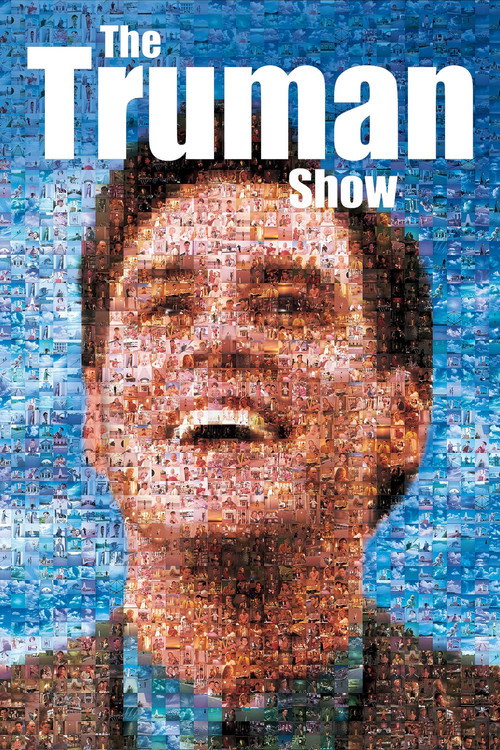
The Truman Show1998
A man discovers his entire reality is a television set. Both films play with the architecture of narrative itself—the artificiality of soap operas versus the artificiality of constructed worlds—and both find humanity in the gap between fiction and lived experience.
But It's philosophically heavier than Delirious. The tone is more unsettling than fun, which might feel like a different movie entirely.
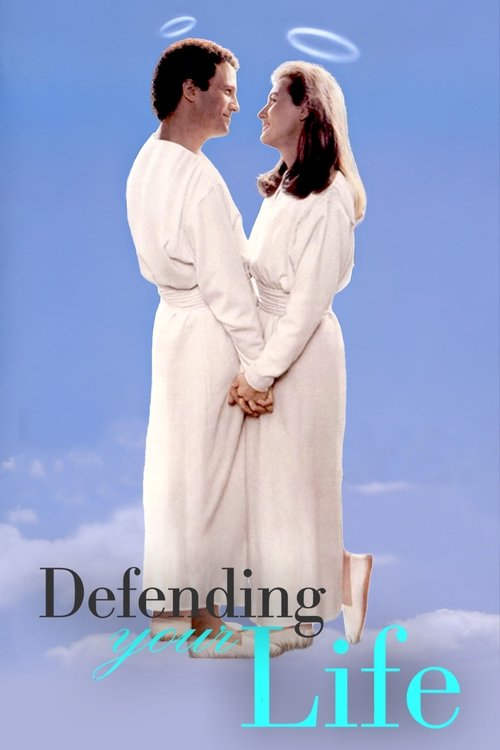
Defending Your Life1991
A man dies and finds himself in a afterlife courtroom where his life is put on trial. Albert Brooks balances fantasy premise with genuine emotional stakes, and like Delirious, it's interested in how people behave when the rules change.
But The comedic rhythm is slower and more cerebral. There's less physical comedy and more dialogue, which won't appeal if you're here for Candy's energy.
Not sure tonight? Get a pick in a minute, starting from Delirious
The wildcard
Something you would not have found on your own.
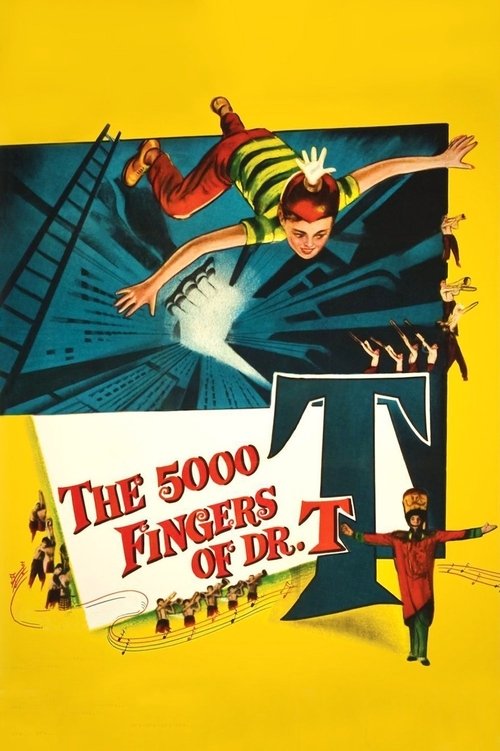
The 5,000 Fingers of Dr. T.1953
Both treat fantasy not as an escape from reality but as a space where the rules of behavior and narrative can be remade—Delirious through narrative agency, Dr. T through pure visual imagination.
A boy dreams he's imprisoned in a tyrant's castle of giant pianos. Seuss-directed fever dream made real—it has Delirious's commitment to the logic of fantasy, but filtered through pure expressionist design. Wildly strange, deeply imaginative, and hypnotic in a way nothing else quite is.
But It looks and feels like nothing else from Hollywood. The narrative is deliberately dreamlike and non-linear. If you need conventional story progression, this will frustrate you.
More like this (8)
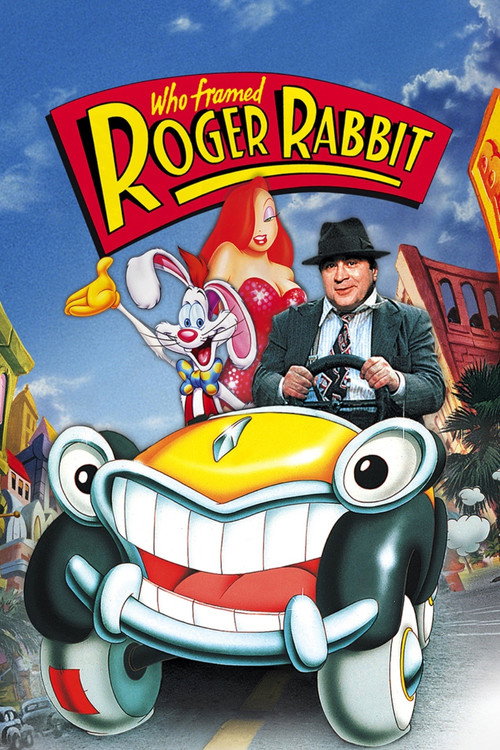
Who Framed Roger Rabbit1988
A private detective solves a murder in a world where cartoon characters are real. Both films embrace the weird physics of fiction made flesh, and both have a generous spirit about the strangeness of their premises.
But It's visually dense and sometimes exhausting. The plot gets convoluted, and the magic is sometimes buried under the spectacle.
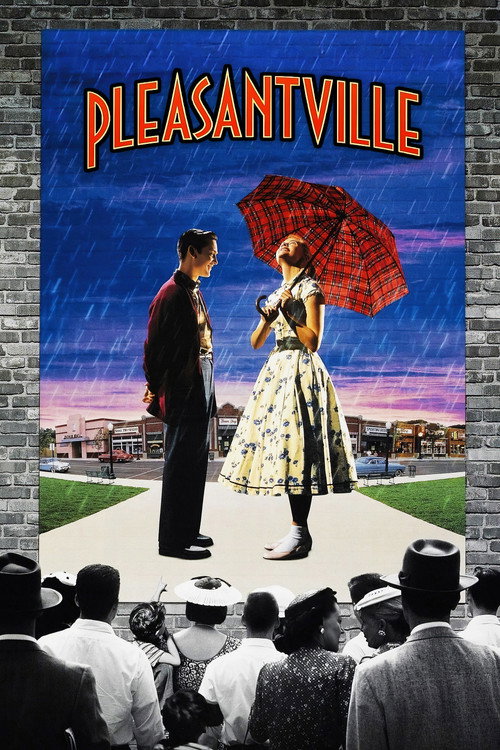
Pleasantville1998
Two modern siblings are sucked into a 1950s sitcom and begin to change it from within. It shares Delirious's fascination with how narrative genres constrain behavior, and the joy of breaking those constraints.
But The allegory about conformity versus freedom can feel heavy-handed. The longer it goes, the more it wants to be about something important rather than just entertaining.
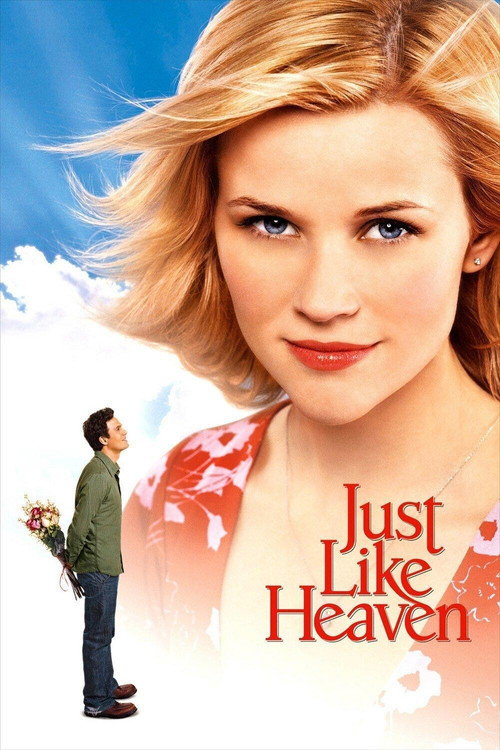
Just Like Heaven2005
A widower's apartment is haunted by a woman, leading to romance and mystery. It has the same blend of fantasy setup and genuine romantic comedy that makes Delirious work—the premise serves the feelings, not the other way around.
But The ghost-girlfriend dynamic is inherently uncomfortable if you think about it too hard. It's also fairly conventional in its emotional beats.
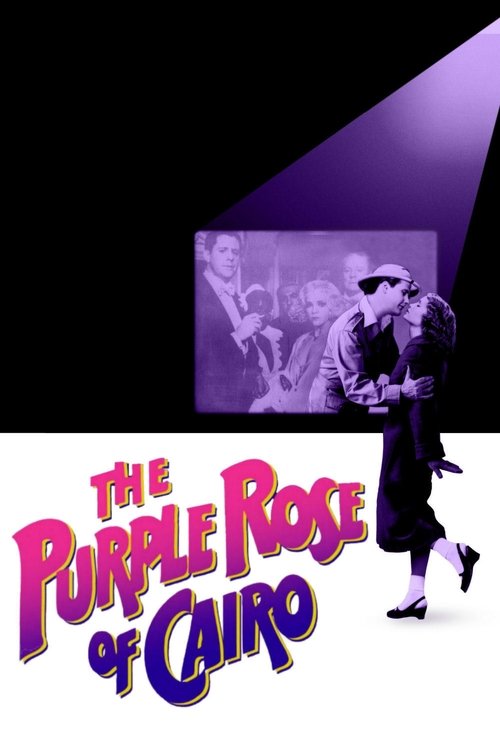
The Purple Rose of Cairo1985
A Depression-era woman falls in love with a fictional character who steps out of a movie screen. Woody Allen's most generous film—it's got Delirious's central idea about the permeability between fantasy and reality, treated with melancholy rather than slapstick.
But It's quieter and sadder than you might expect. The romance doesn't resolve happily, which some find devastating and others find unnecessarily gloomy.
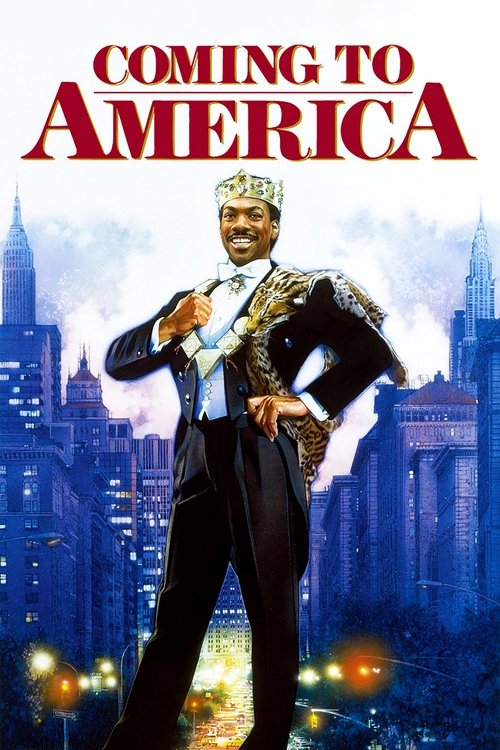
Coming to America1988
An African prince moves to Queens pretending to be ordinary. Eddie Murphy's charisma carries a fish-out-of-water premise with warmth and anarchic comedy, much like how Candy anchors Delirious's absurdity.
But The humor is very '80s, and some jokes have aged poorly. It's also more interested in comedy riffing than in actually exploring its own premise.
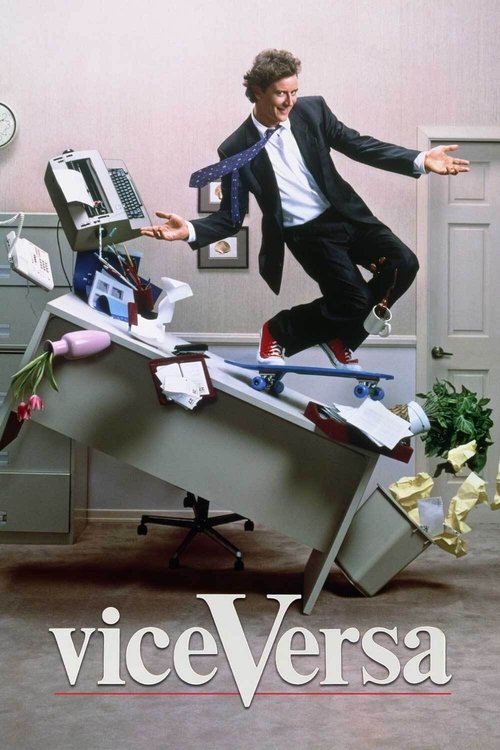
Vice Versa1988
A father and son switch bodies through a magic mirror. It's a body-swap film that treats its premise as a serious opportunity for both comedy and emotional growth, and it has genuine charm despite the high concept.
But The plot is predictable and the special effects feel dated. The emotional pay-off, while sincere, requires you to believe in a lot of magical handwaving.
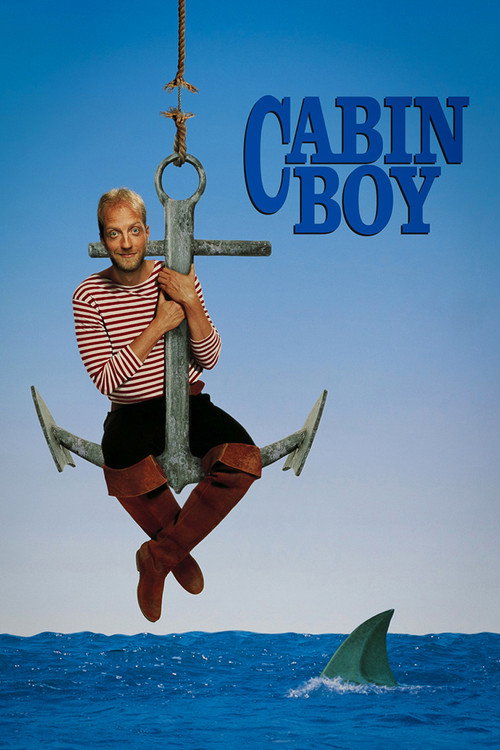
Cabin Boy1994
Both are high-concept comedies where a normal(ish) person is dropped into a world with its own complete logic and rules, and the film is interested in how they navigate the friction between those worlds.
A privileged idiot is press-ganged onto a ship full of grotesque sailors and must navigate their world. It's Chris Elliott in full commitment to absurdist comedic chaos—the same energy as Candy in Delirious, but turned up to eleven and aimed at pure surrealist humor without apology.
But It's aggressively weird and genuinely off-putting to many viewers. The humor is deliberately ugly and doesn't court sympathy the way Candy's does.
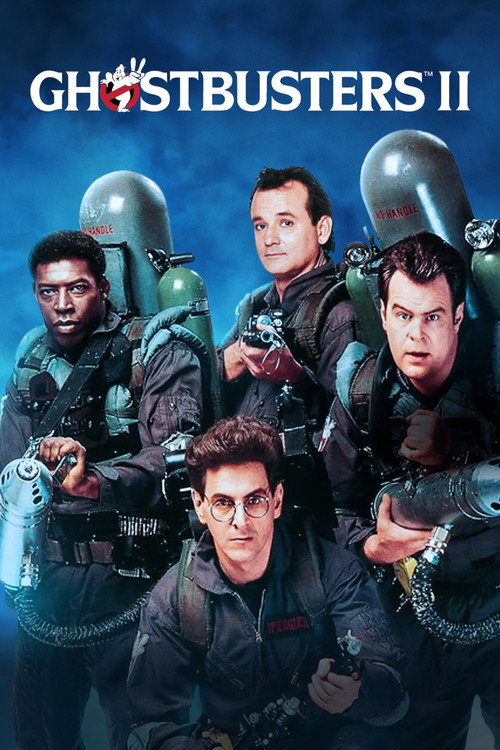
Ghostbusters II1989
Both films are comfortable with the messy overlap between schmaltz and comedy—they don't treat genuine feeling and silly premise as mutually exclusive, which was rarer than it should have been.
The Ghostbusters return to face a river of slime under Manhattan. Yes, really. It's a lesser film than the first, but it shares Delirious's willingness to find genuine emotional stakes in a ridiculous premise, and to let romance and humor coexist without winking at the audience.
But It's widely considered inferior to the original. The plot is thinner, the gags are thinner, and it feels more like a cynical cash-in than a real story.
People
Cast
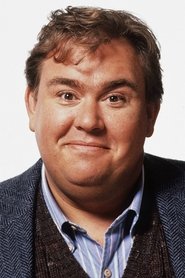 John CandyJack Gable
 Mariel HemingwayJanet Dubois / Louise
 Emma SammsRachel Hedison / Laura Claybourne
 Raymond BurrCarter Hedison
 Dylan BakerBlake Hedison
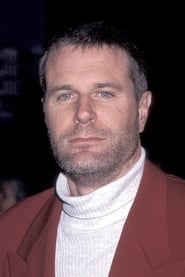 Charles RocketTy Hedison
 David RascheDr. Paul Kirkwood / Dennis
 Andrea ThompsonNurse Helen Caldwell
 Zach GrenierMickey
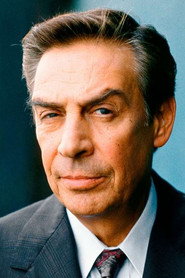 Jerry OrbachLou Sherwood
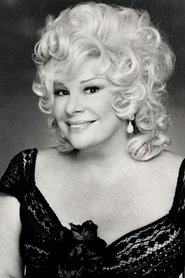 Renée TaylorArlene Sherwood
- Milt ObermanFetterman
Directing
- Tom MankiewiczDirector
- John T. KretchmerFirst Assistant Director
- Trish KinneyScript Supervisor
- Michele Panelli-VenetisSecond Assistant Director
- Terry LeonardSecond Unit Director
Writing
- Fred FreemanWriter
- Lawrence J. CohenWriter
Production
- Ann Ford StevensAssociate Producer
- Jill SimpsonAssociate Producer
- David RubinCasting
- Debra ZaneCasting Associate
- Richard DonnerExecutive Producer
- Doug ClaybourneProducer
- Fred FreemanProducer
- Lawrence J. CohenProducer
- John J. SmithUnit Production Manager