
Film
Izo
Takashi Miike's fever dream of a film: a 19th-century samurai assassin, crucified for his crimes, is hurled through time into modern Tokyo as an instrument of pure vengeance. Visually delirious and structurally unhinged, it's less narrative than sustained fever. For viewers who want cinema to feel dangerous and unpredictable.
Should you watch it?
Watch it if you want a blood-soaked samurai fantasy that treats gore as operatic choreography and doesn't mind being absurd, with a wild, grieving momentum driving it forward.
Skip it if you need your action lean and grounded, since this one leans into stylised excess and melodrama, and at 128 minutes it can feel indulgent.
What it asks of you: Settle in for two hours and eight minutes of mournful stillness broken by sudden, unannounced bursts of violence, with little room to catch your breath between them.
Not sure? Find tonight's pick in a minute.
If you liked this
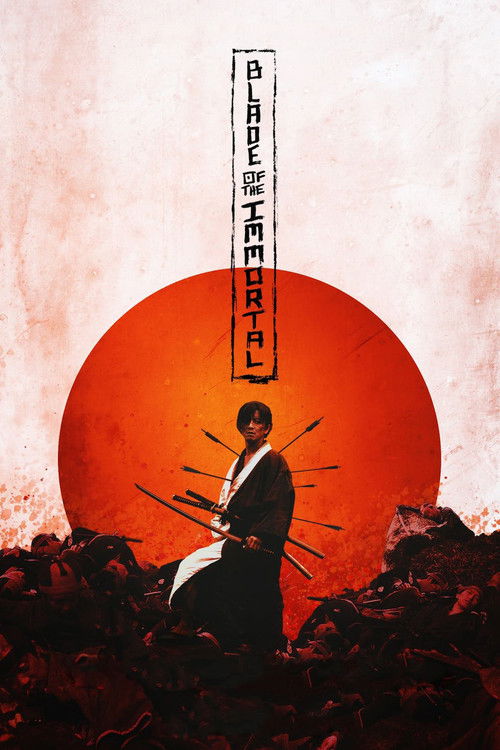
Blade of the Immortal2017
Miike's other samurai epic, equally violent and baroque. A swordsman cursed with immortality carves through centuries of enemies with operatic bloodlust and genuine philosophical weight beneath the carnage.
But Three hours long, repetitive fight sequences, and the plot feels secondary to the director's obsession with depicting suffering in ever-more-elaborate ways.
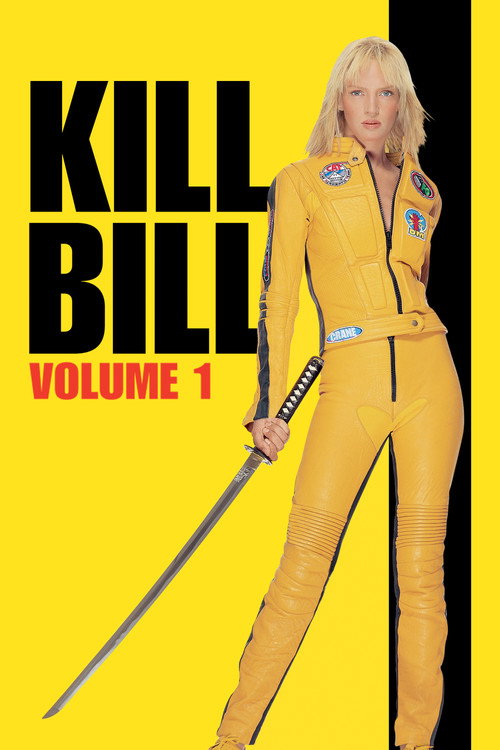
Kill Bill: Vol. 12003
A revenge odyssey that moves through genres and visual styles the way Izo moves through time. Tarantino's bullet-ballet matches Miike's anarchic energy, and both films make violence feel like art without apologizing.
But The tonal whiplash and pop-culture sampling will feel scattershot if you prefer narrative coherence. Some of the aesthetics have dated poorly in the twenty years since.
Harakiri1962
A masterpiece about ritual suicide and the corruption of the samurai code. Miike's Izo is essentially a response to this film—where Masaki Kobayashi made tragedy, Miike made nightmare. Both demand your complete attention.
But Harakiri is slow, formal, and devastatingly bleak. There's no action until the climax. It will feel glacial if you're expecting Izo's anarchic energy.

Not sure tonight? Get a pick in a minute, starting from Izo
The wildcard
Something you would not have found on your own.
A Prophet2009
Both track the metamorphosis of a man into something inhuman through trauma; both suggest this transformation is inevitable rather than chosen.
Jacques Audiard's French prison epic about a young man's transformation into a ruthless operator. Like Izo, it's about a crucible—literal confinement rather than literal crucifixion—that forges someone into a weapon. Both films are interested in how violence becomes philosophy.
But It's a three-hour prison drama with subtitles and minimal action. The brutality is psychological rather than kinetic, which may feel static if you want spectacle.

More like this (7)
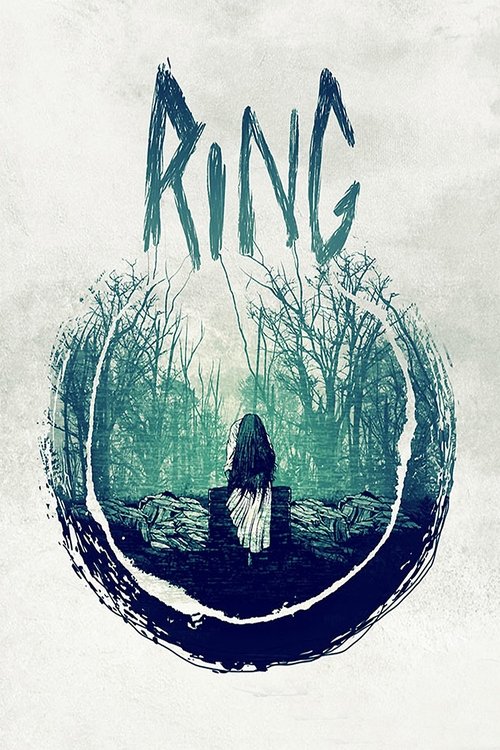
Ring1998
Hideo Nakata's horror classic has the same sense of curse-logic that propels Izo: something ancient and terrible breaking through into the present day. A masterclass in dread that influenced horror worldwide.
But It's a creature-feature wrapped in 90s aesthetics. If you want high-velocity action rather than atmospheric suspense, this will feel slow.
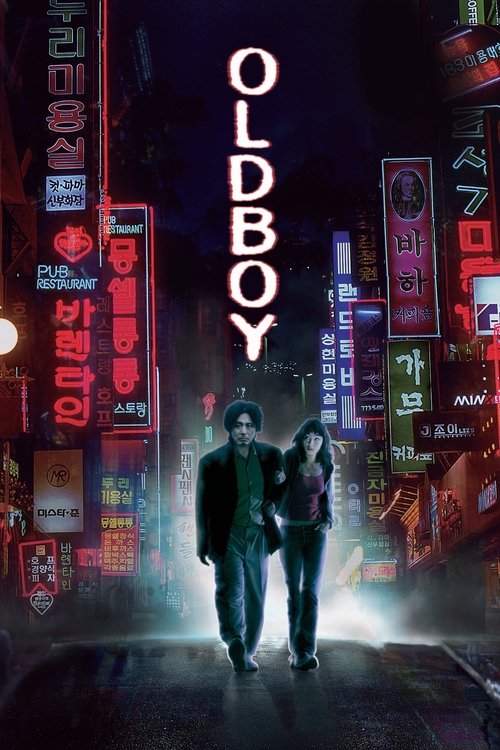
Oldboy2003
Park Chan-wook's vengeance thriller from the exact same year as Izo. A man imprisoned for fifteen years emerges to dismantle his captor's world with the same relentless focus Izo brings to Tokyo. Stylish, brutal, and structurally perfect.
But The violence is shocking and the twists are genuinely upsetting. Some viewers find the film's misogyny and cruelty unforgivable rather than cathartic.
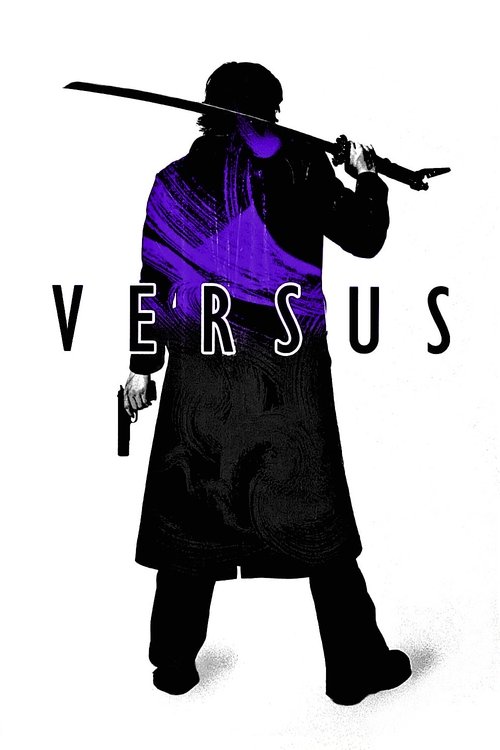
Versus2000
Ryuhei Kitamura's zombie-samurai action film from Japan, made just before Izo. Two gunmen face off in a forest where the dead rise. Pure kinetic joy: anarchic, visual, unapologetically silly and cool at once.
But The plot is basically non-existent and the budget constraints show. Kitamura's bombast works for some viewers and exhausts others.
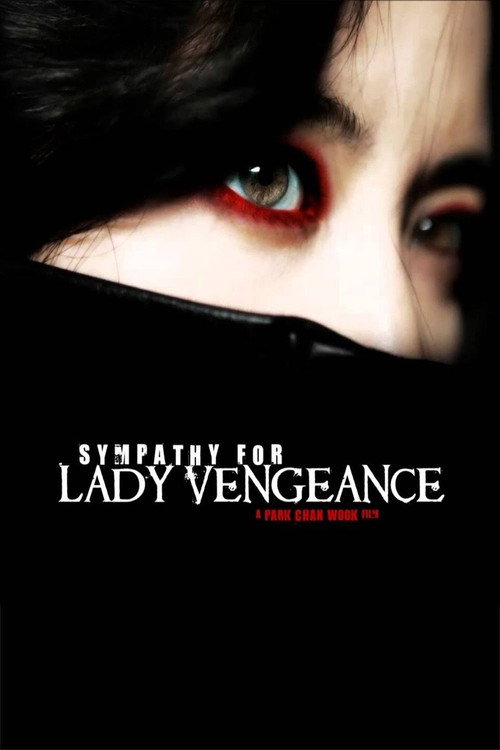
Lady Vengeance2005
Park Chan-wook's final vengeance film, released just after Izo. A woman released from prison orchestrates an elaborate revenge with the precision of ritual. Beautiful, violent, and entirely in control of its own madness.
But It's contemplative between the set-pieces, which breaks the momentum. The ending asks you to sit with moral ambiguity rather than cathartic release.
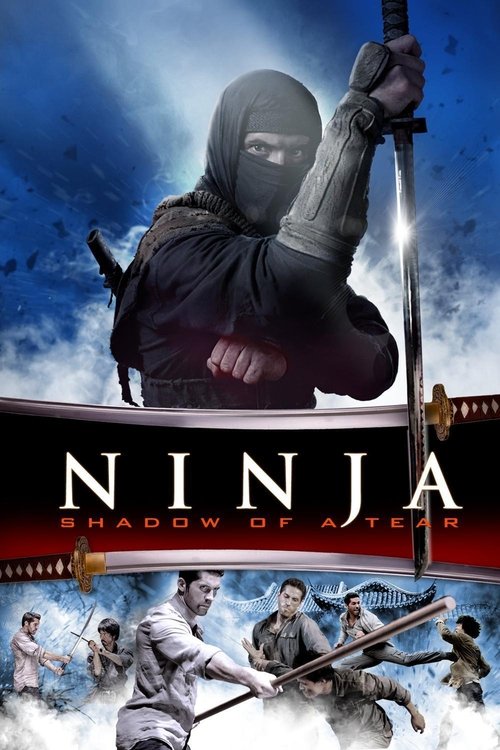
Ninja: Shadow of a Tear2013
Isaac Florentine's martial-arts thriller with Scott Adkins. A ninja grieves and kills his way through an entire criminal empire with mechanical precision. It's B-movie craft at its finest: every frame justified, no wasted motion.
But Direct-to-streaming action films lack the production polish of theatrical releases. The plot is threadbare and exists only to connect fight scenes.
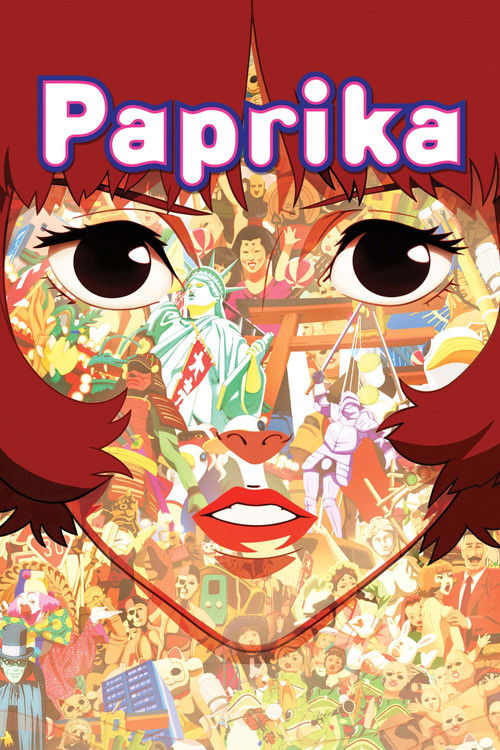
Paprika2006
Both pit an anachronistic force (dream-logic, a time-displaced assassin) against modern Tokyo. Both suggest reality is thinner than we believe.
Satoshi Kon's animated film about a device that lets therapists enter patients' dreams—and then chaos breaks through into waking Tokyo, exactly like Izo's time-slip premise. A hallucinogenic, wildly inventive ride that matches Izo's visual delirium shot-for-shot.
But Animation can feel childish to viewers raised on live-action. The plot becomes increasingly abstract and the ending is deliberately unresolvable, which frustrates narrative-minded viewers.
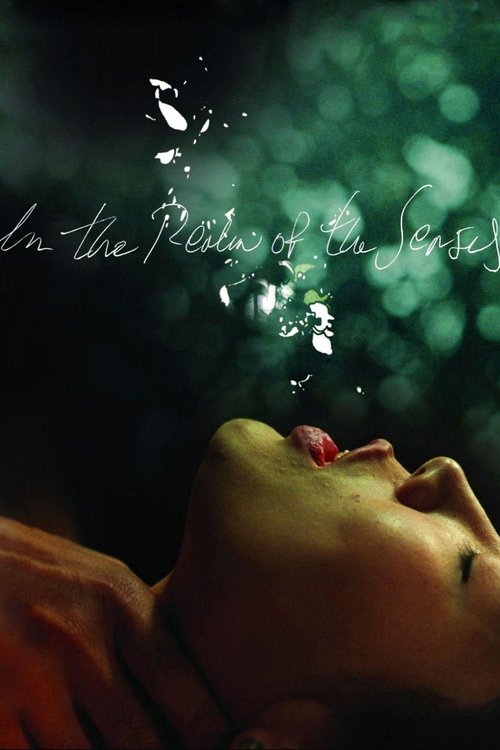
In the Realm of the Senses1976
Both are Japanese transgressive films from different eras about surrender to obsession; both suggest violence and desire are inseparable; both dare the audience to look away.
Nagisa Oshima's radical film about obsession, desire, and death in 1930s Japan. Explicit, uncompromising, and shot with the same anarchic formal invention Miike inherited from Oshima. A spiritual ancestor to Izo's commitment to provocation.
But It contains unsimulated sexual content and is fundamentally about erotic asphyxiation. Many viewers will find it exploitative or simply unwatchable. It's also slow in ways that test patience.
People
Cast
 Kazuya NakayamaOkada Izo
 Kaori MomoiSaya
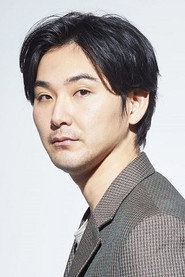 Ryuhei MatsudaHis Highness
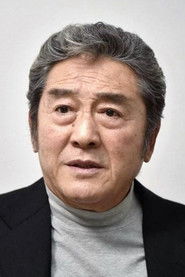 Hiroki MatsukataYakuza Boss
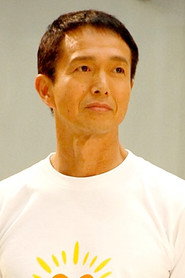 Ryôsuke MikiHanpeita
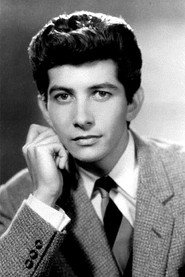 Masumi OkadaChief of the Palace
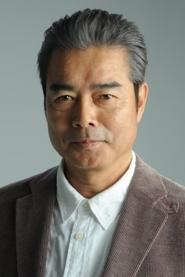 Hiroshi KatsunoSamurai
 MasatoRonin
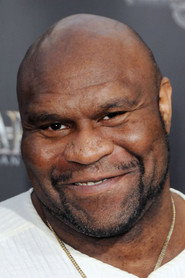 Bob SappMonk
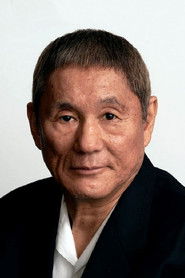 Takeshi KitanoChancellor
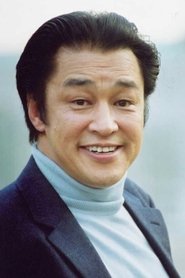 Daijirō HaradaJudge
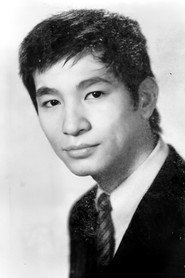 Yuya UchidaSecond Man
Directing
- Takashi MiikeDirector
Writing
- Shigenori TakechiScreenplay
Production
- Fujio MatsushimaProducer
- Taizo FukumakiProducer
- Kazuyoshi OkuyamaSupervising Producer