
Film
The Man Standing Next
A tense political thriller set during South Korea's turbulent 1970s, following a former intelligence chief navigating between American exile and domestic power struggles. It's a sharp, morally murky film about survival and complicity, where loyalty becomes a lethal liability. For viewers drawn to intricate political dramas with real historical weight.
Should you watch it?
Watch it if you like political thrillers built on tense conversations and power struggles behind closed doors, where dread comes from who is lying to whom rather than from action set pieces.
Skip it if you want a clean, self-contained story; it assumes you already half-know the political history and its talk-heavy scenes hold little warmth to hold onto.
What it asks of you: Attention for nearly two hours of rooms full of men talking around each other; it is slow to settle, dark in mood, and rewards patience more than quick reactions.
Not sure? Find tonight's pick in a minute.
If you liked this
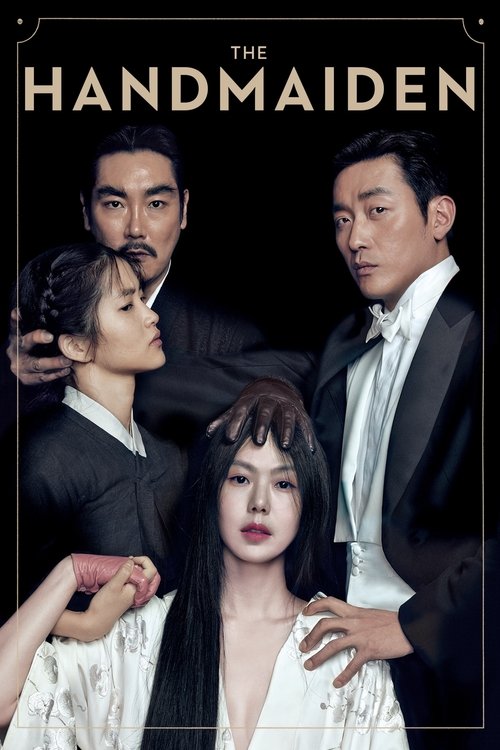
The Handmaiden2016
Park Chan-wook's labyrinthine con artist thriller set in Japanese-occupied Korea. Visually stunning, narratively devious, with the same appetite for moral ambiguity and period intrigue that animates The Man Standing Next.
But Sexually explicit scenes and a deliberately convoluted plot that unfolds in fragments. Requires active attention and patience.
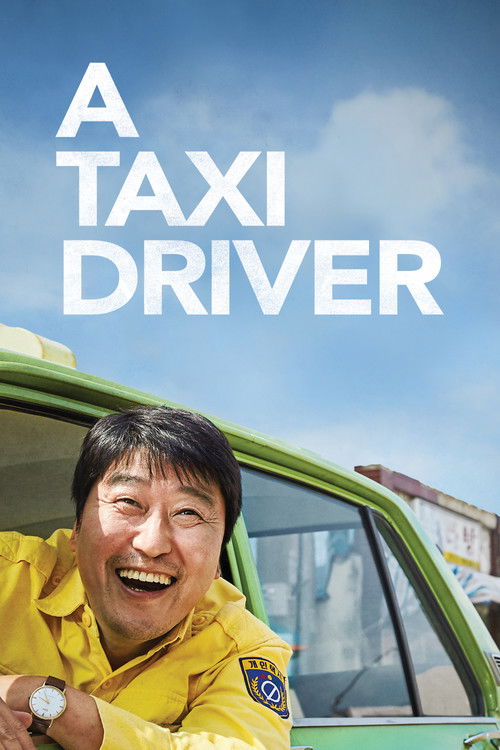
A Taxi Driver2017
Lee Min-ho and Song Kang-ho in a gripping account of the 1980 Gwangju Uprising. Korean history transformed into urgent, humanistic thriller cinema with exceptional performances and genuine emotional stakes throughout.
But The subject matter—state violence against civilians—is heavy and deliberately harrowing. Not cathartic in the traditional sense.
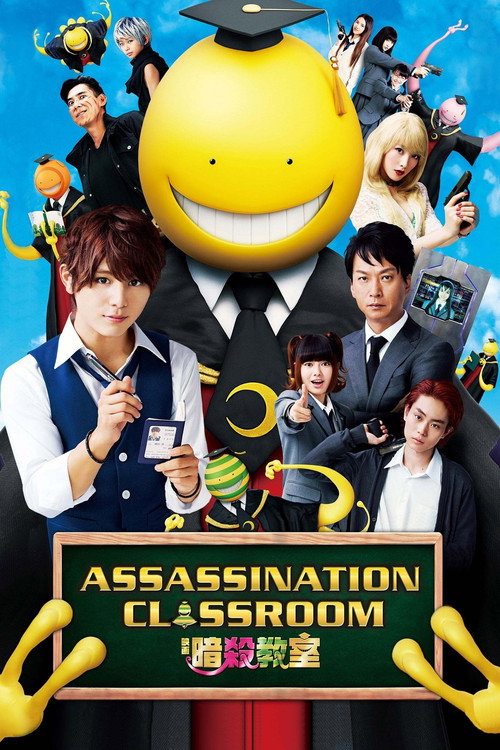
Assassination Classroom2015
Korean historical thriller with genuine craft, following a sniper in 1933 Shanghai working against Japanese occupation. Suspenseful, stylishly made, and equally invested in the moral murkiness of its protagonist's choices.
But The narrative can feel scattered across its multiple timelines. Some will find the pacing uneven compared to its ambitions.
Not sure tonight? Get a pick in a minute, starting from The Man Standing Next
The wildcard
Something you would not have found on your own.
In the Realm of the Senses1976
Both are historical dramas that refuse to separate personal loyalty from political corruption; both use their era as a lens to ask whether good people can serve bad systems.
Nagisa Oshima's uncompromising account of obsession and power in 1930s Japan. Like The Man Standing Next, it traces how private desire and public politics become inseparable, using a real historical moment as moral substrate.
But Extremely explicit sexual content throughout; it's not titillation but unsparing examination of bodies and dominance. Many will find it genuinely difficult to watch.

More like this (8)
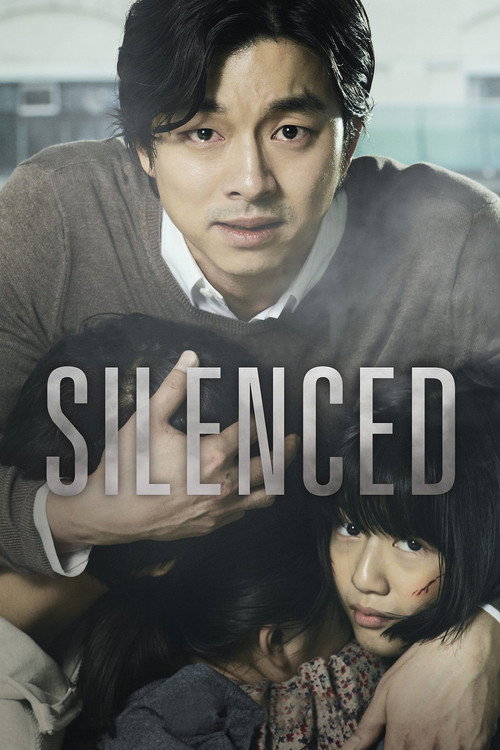
Silenced2011
A slow-burn institutional horror film about abuses at a school for the deaf. Like The Man Standing Next, it documents how power operates through silence and complicity, with mounting dread as truth emerges.
But Based on real atrocities. The quiet realism makes it more disturbing than any thriller trick. Genuinely difficult to watch.
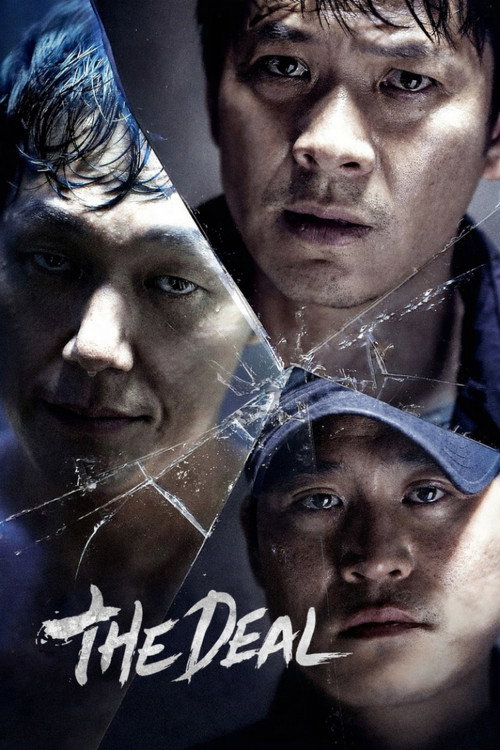
The Deal2015
Lee Byung-hun (the lead) in a crime thriller about a rigged card game with high-stakes negotiations. Similar energy—taut dialogue, betrayal, men calculating each move in rooms where everything is coded.
But Less historically grounded, more stylized. Some find its genre pleasures too conventional after the weighty subject matter of similar films.
Intimate Strangers2018
Kwak Do-won in a psychological thriller about two strangers drawn into dangerous proximity. Confined spaces, hidden agendas, watching people negotiate power through conversation. Lean and gripping.
But Relies heavily on dialogue and mood rather than plot momentum. The second half divides viewers sharply about where it chooses to go.

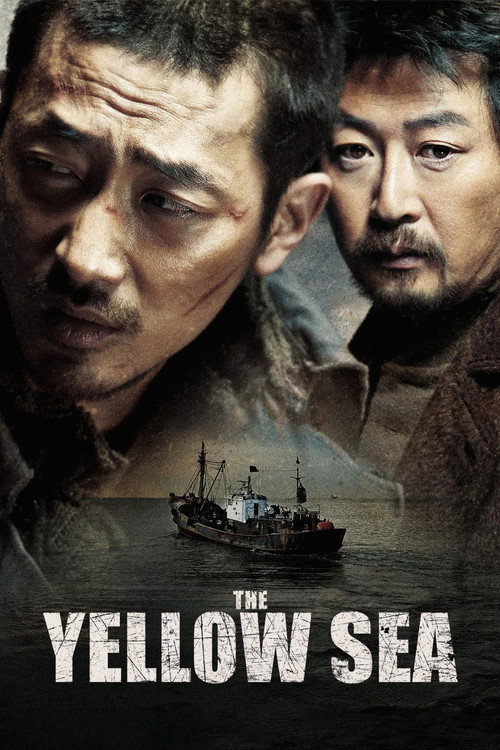
The Yellow Sea2010
A Korean-Chinese crime thriller with documentary-like intensity about a man pulled into a murder conspiracy. Brutal, propulsive, steeped in the moral compromises The Man Standing Next examines.
But Graphically violent and sometimes incoherent in its plotting. The bleakness doesn't lighten and some find it nihilistic rather than insightful.
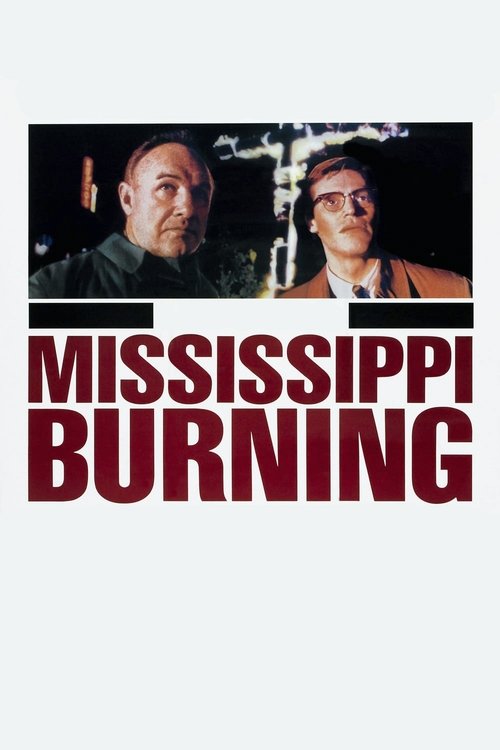
Mississippi Burning1988
Lee Byung-hun in a slow-burn psychological drama about class, desire, and hidden violence. Demands interpretation and conversation; if you want to sit with ambiguity and dread, this rewards deep attention.
But It moves at a deliberate pace designed to frustrate conventional viewers. The ending provokes debate rather than resolve. Not what most would call entertainment.
The Wailing2016
A Korean mystery-thriller that multiplies perspectives and suspects across a rural murder case. Visually rich, morally unsettling, with the same refusal to offer easy answers about guilt and complicity.
But Extremely long, often cryptic in its storytelling. Religious and cultural references require some familiarity. Many find the ending obscure to the point of frustration.

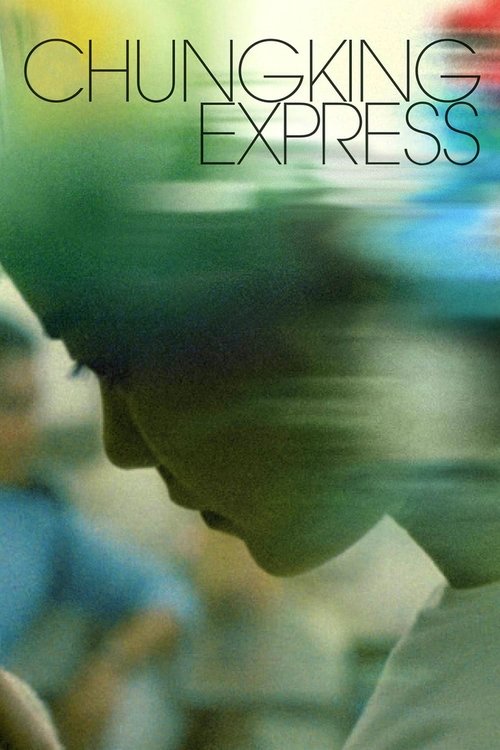
Chungking Express1994
Both films are architectural in how they position characters in spaces where what's said matters less than what's unseen. Both capture men watching and waiting, trying to decode loyalty.
Wong Kar-wai's neon-soaked romance about love and transience. Completely opposite in tone and genre, but equally concerned with how people read each other's intentions across unbridgeable distances.
But Deliberately artificial, drenched in style over narrative. If you want plot momentum and clarity, this will feel deliberately obstructive.
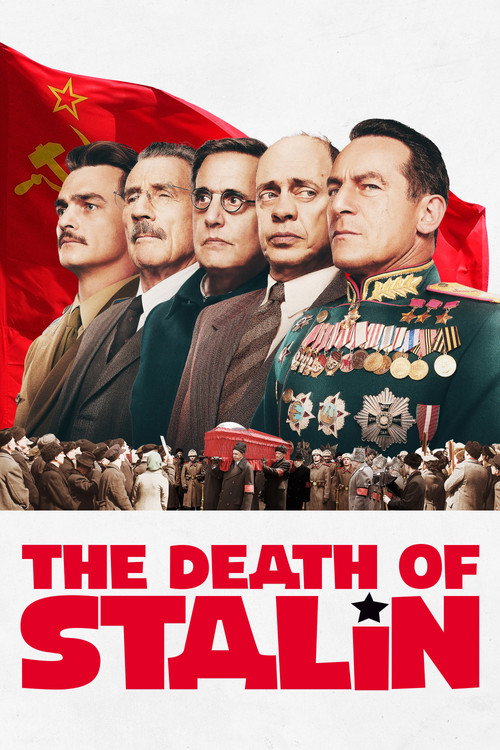
The Death of Stalin2017
Both films use the mechanics of political succession to examine complicity and self-preservation. Both ask: what does a man owe the system that made him powerful?
A darkly comic Soviet political thriller about the power vacuum after Stalin's death. Utterly different in register—absurdist, satirical—but identical in structure: men in rooms deciding who lives, who falls, who survives the machinery.
But The comedy might feel inappropriate for subject matter involving state violence and mass death. Black-and-white, formally experimental filmmaking that some find cold and alienating.
People
Cast
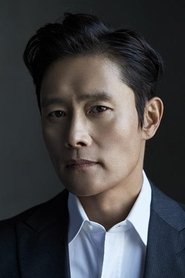 Lee Byung-hunKim Gyu-pyeong
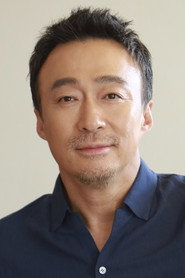 Lee Sung-minPresident Park
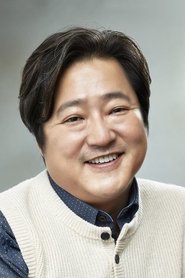 Kwak Do-wonPark Yong-gak
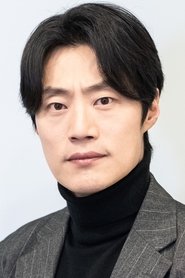 Lee Hee-junKwak Sang-cheon
 Kim So-jinDeborah Shim
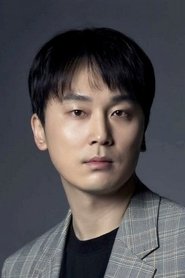 Seo Hyun-wooJeon Du-hyeok
 Ji Hyun-junKCIA Agent Ham Dae-yong
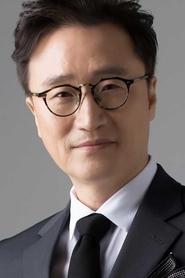 Park Seong-geunKCIA Secretary Kang Chang-su
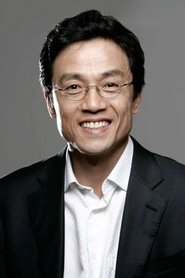 Park Ji-ilKim Gye-hoon
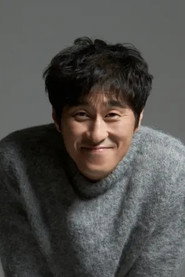 Lee Tae-hyungYoo Dong-hun
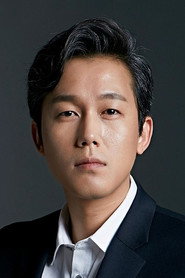 Ju Seok-taeShin Ik-chi
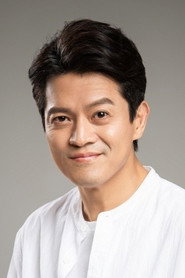 Lee Do-gukChief of Protocol
Directing
- Kim Jin-seokAssistant Director
- Woo Min-hoDirector
Writing
- Kim Choong-sikOriginal Story
- Lee Ji-minWriter
- Woo Min-hoWriter
Production
- Choi Pyung-hoCo-Executive Producer
- Kang Kwan-hoExecutive Producer
- Kang SarahExecutive Producer
- Kim Do-suExecutive Producer
- Simon LeeExecutive Producer
- William KimExecutive Producer
- Yang Eun-jeongLine Producer
- Kim Jin-wooProducer