
Film
The Violent Professionals
A 1973 Italian poliziesco where a vice-commissioner wages war against organized crime through increasingly brutal methods. Raw, tense, and shot with the gritty authenticity of early-seventies crime cinema, it's built on moral ambiguity—the cop's violence mirrors the criminals' own. Essential viewing for anyone who wants to understand where the modern crime thriller came from.
If you liked this
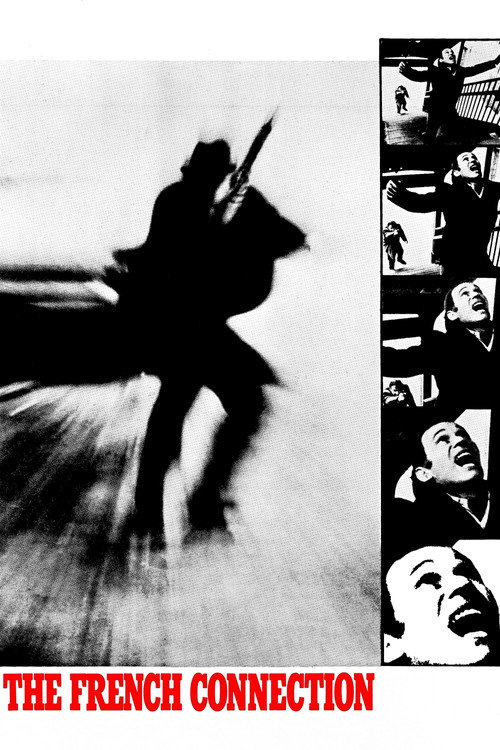
The French Connection1971
The template for obsessed-cop thrillers: a real detective pursuing real heroin traffickers through actual cities. Popeye Doyle's moral slipperiness and the film's refusal to glamorize violence influenced everything that followed, including this.
But Deliberately unglamorous and slow-burn. Long stretches of procedural legwork and stakeout tedium before the famous car chase lands.
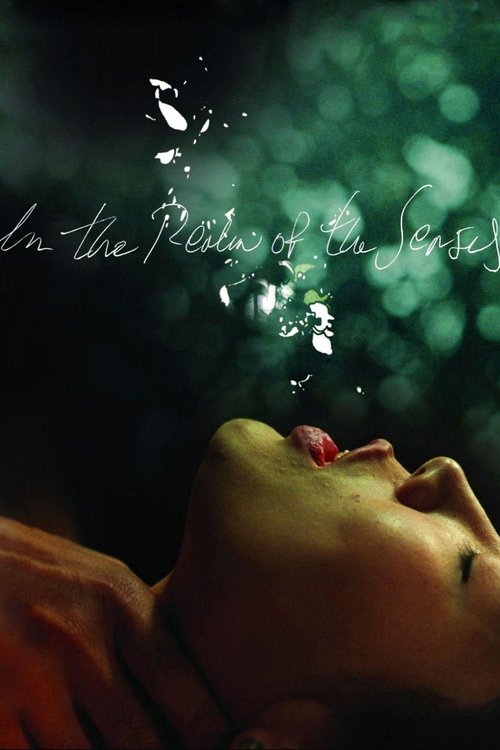
In the Realm of the Senses1976
Nagisa Oshima's masterpiece about obsession consuming two people entirely. Shockingly intimate and psychologically brutal, it asks what happens when desire becomes the only law that matters—similar moral vertigo to this film's violence spiral.
But Sexually explicit in ways that remain transgressive decades later. Some viewers find it difficult rather than enlightening, and that's a fair response.
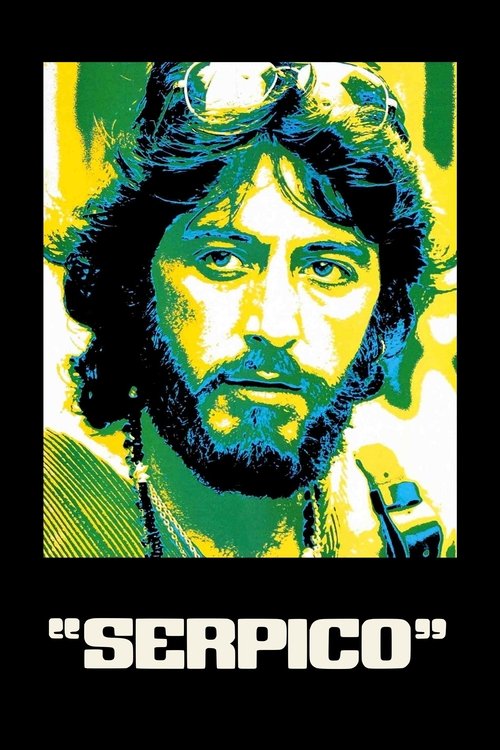
Serpico1973
Al Pacino as an honest cop in a corrupt NYPD, pursued by the system as hard as any criminal. Released the same year as this film; both examine what happens when the police apparatus itself becomes the enemy.
But More Hollywood-shaped than the Italian original, with clearer moral lines. Occasionally sacrifices ambiguity for emotional impact.
Not sure tonight? Get a pick in a minute, starting from The Violent Professionals
The wildcard
Something you would not have found on your own.
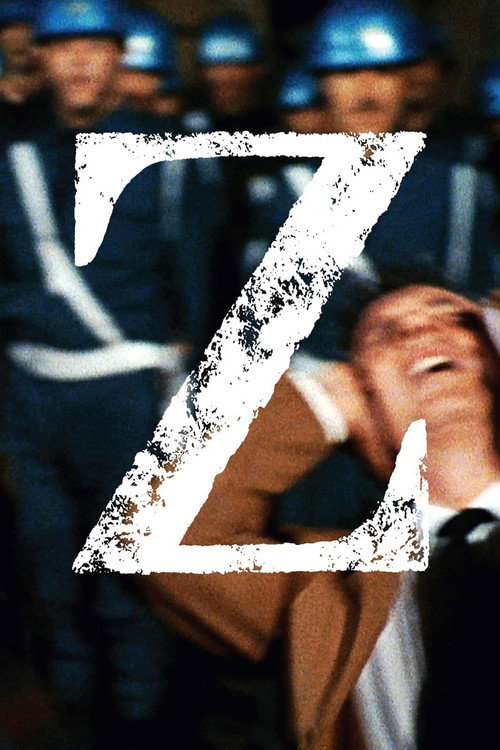
Z1969
Both dissect how systems protect themselves. Z does it forensically and from above; The Violent Professionals does it through one man's moral decay. Same anatomy, different angle.
Costa-Gavras's political thriller about a murdered politician and the state machinery designed to obscure it. Like The Violent Professionals, it's an anatomy of institutional corruption—but where that film shows it through a cop's descent, Z shows it through an autopsy and investigation. The same paranoia, wildly different approach: this one is Bresson-cold and built like a legal brief rather than a character study.
But Explicitly political in ways that some find didactic. The film wants you to understand something about power; it's not interested in whether you're having fun.
More like this (7)
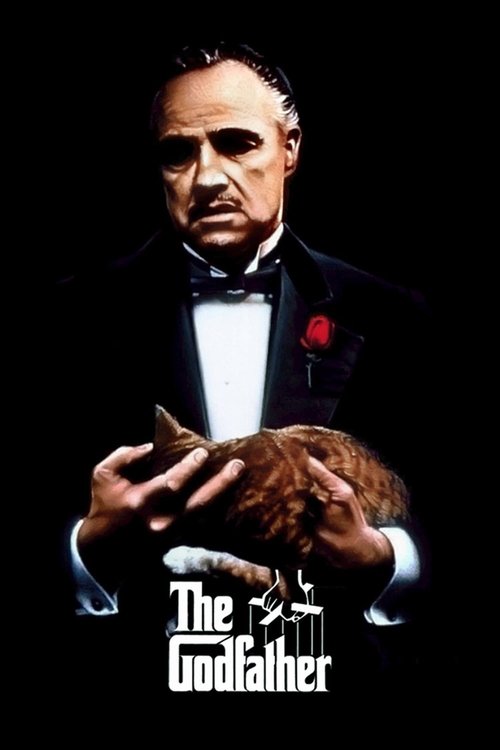
The Godfather1972
Coppola's epic shows organized crime as a dark mirror of American capitalism and family. A year earlier, same moral world, vastly bigger canvas—context for understanding what The Violent Professionals does in miniature.
But Three hours, and it's a crime epic rather than a crime thriller. Some people find its mythologizing of the mafia more obstacle than feature.
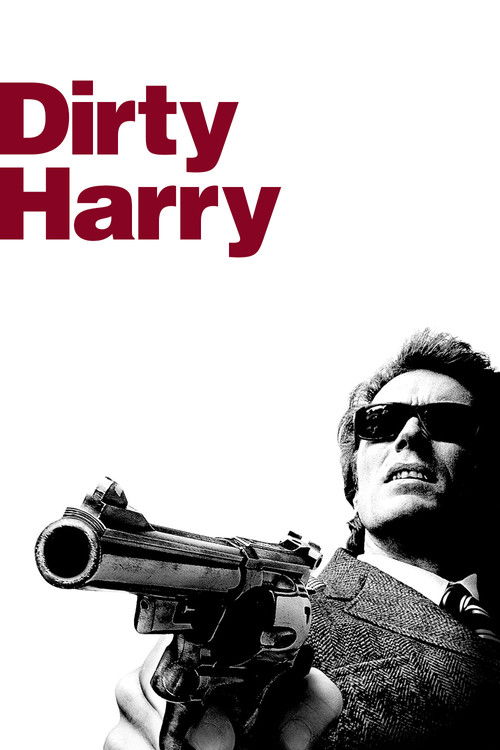
Dirty Harry1971
Harry Callahan working outside the law because the law won't work. Eastwood established this archetype around the same era; this Italian film was exploring the same exhaustion with institutional restraint from a grittier angle.
But Heavy-handed moralizing and a simplistic view of police procedure. What works as entertainment sometimes clashes with what the film wants to say about justice.
The Killing1956
Kubrick's heist masterpiece shows fractured chronology applied to crime cinema—multiple perspectives on the same brutal events. It established visual language that crime thrillers still use, including this one.
But The fractured timeline can feel gimmicky on first viewing. Some scenes feel stagey, a product of its early-color-film moment.

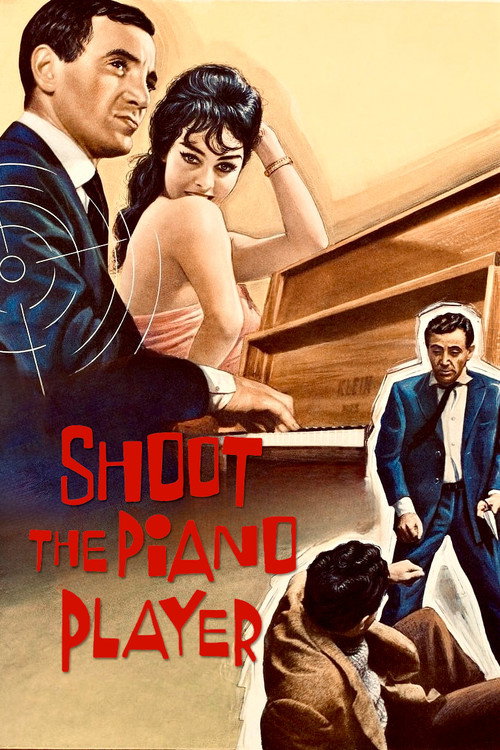
Shoot the Piano Player1960
Truffaut's crime romance is playful where The Violent Professionals is stern, but both understand that crime cinema can be mood and texture rather than plot mechanics. A precursor to the poliziesco's psychological approach.
But Consciously artificial and mannered. Some viewers want crime films to feel heavy and real, not like genre exercises.
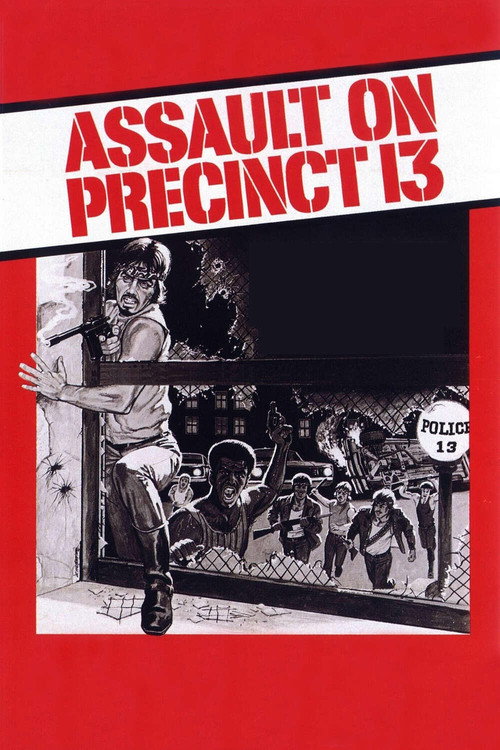
Assault on Precinct 131976
Carpenter's siege film is a companion piece: police and criminals forced to trust each other, morality erased by circumstance. Made a few years later but shares the seventies conviction that institutions are worthless.
But Low budget shows in places. Dialogue can be stilted, and the film doesn't quite reach the depths it aims for despite strong setup.
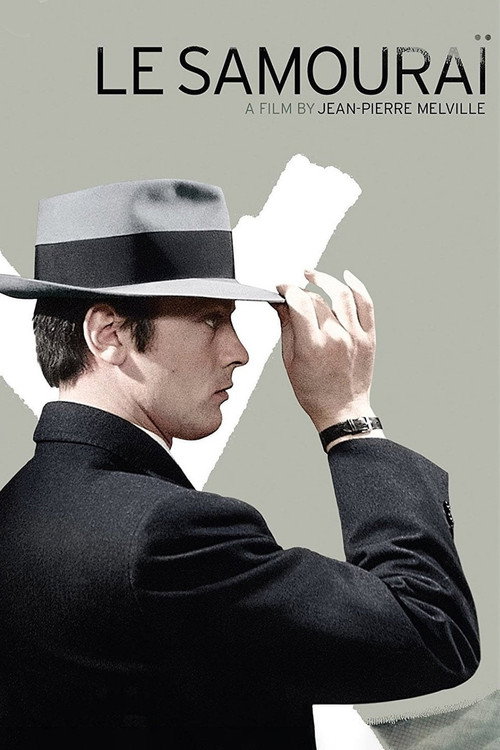
Le Samouraï1967
Two men operating by internal codes that the official world cannot contain or judge. One cop, one criminal; same existential isolation.
Melville's geometric masterpiece about a professional killer living by pure code in a world that's becoming incomprehensible. It's the spiritual opposite of The Violent Professionals—a man of ritual rather than rage—but both films are obsessed with what happens when your personal law replaces the law of the land.
But Glacially paced and remote. Alain Delon's character barely changes expression; some find it glacial rather than hypnotic, and they're not wrong.
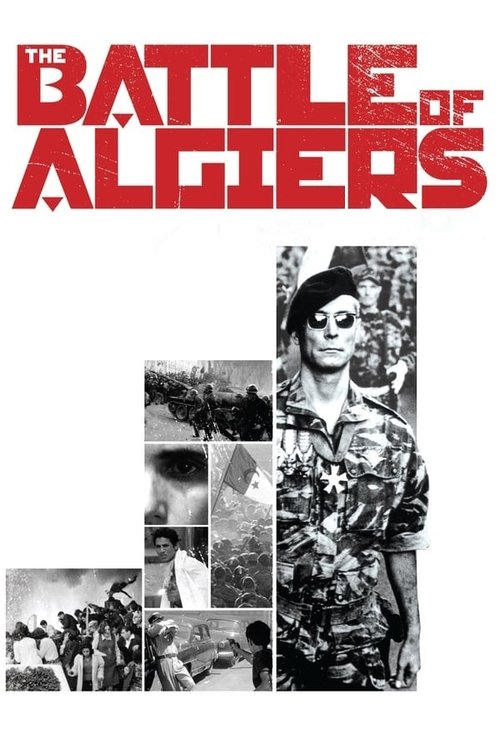
The Battle of Algiers1966
Both examine the moral collapse that happens when law enforcement becomes indistinguishable from crime. Different eras, different nations, same structural truth.
Pontecorvo's documentary-style masterpiece about colonial occupation and resistance. Shot like reportage, it shows state violence and insurgent violence with equal clarity and equal weight. The Violent Professionals is intimate and personal; this is collective and historical. But both ask the same question: what happens to people when the system itself is the enemy?
But Politically committed cinema. Not interested in neutrality, and not interested in entertainment. Some viewers find that clarity clarifying; others find it uncomfortable.
People
Cast
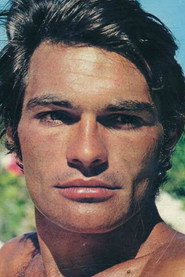 Luc MerendaVice commissario Caneparo
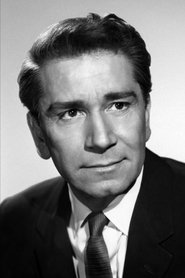 Richard ContePadulo
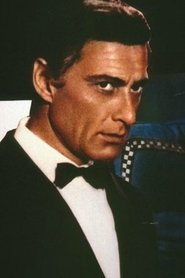 Silvano TranquilliGianni Viviani
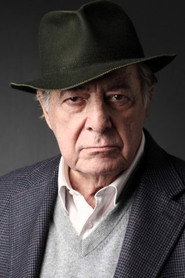 Carlo AlighieroCommissioner Nicastro
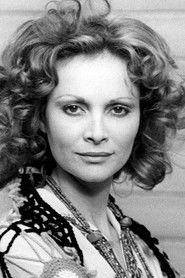 Martine BrochardMaria
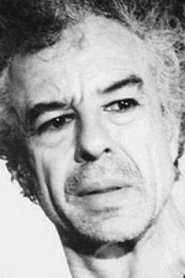 Luciano BartoliGiacomo
 Lia TanziProstitute
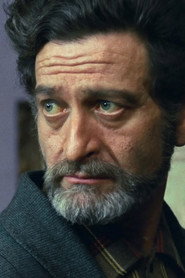 Steffen ZachariasMonsomerda
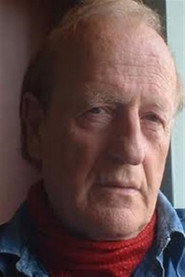 Bruno CorazzariAnarchist
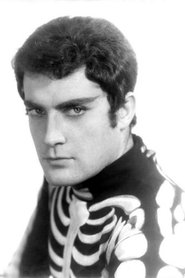 Rosario BorelliPepe
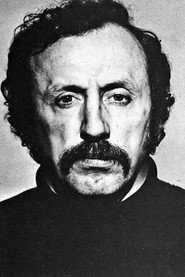 Antonio CasaleCasarde
Directing
- Sergio MartinoDirector
Writing
- Ernesto GastaldiScreenplay
- Ernesto GastaldiStory
Production
- Carlo PontiProducer
- Luciano MartinoProducer