
Film
What's Up, Tiger Lily?
- Parody
- Light-hearted
- Strange
Woody Allen's 1966 debut is a gleeful act of creative sabotage: he acquired a Japanese spy thriller, threw out the plot entirely, and redubbed it as a slapstick comedy about protecting a secret egg salad recipe. It's anarchic, silly, and wonderfully weird—a collision of 1960s Bond pastiche with Allen's rapid-fire comedy sensibility. It's for people who love absurdist humor and don't mind watching something deliberately nonsensical.
Should you watch it?
Watch it if you enjoy comedy that takes a found object and rewrites its meaning until it is absurd, with the dubbed dialogue doing all the work and the original footage quietly going along with it.
Skip it if you want a film that rewards close attention to plot, since the story is deliberately hollow and the jokes depend on mismatched lips and fake spy business rather than character.
What it asks of you: It runs about eighty minutes and moves in brisk bursts, so it asks you to accept a loose, scrappy rhythm and to laugh at the audio rather than the picture.
Not sure? Find tonight's pick in a minute.
If you liked this
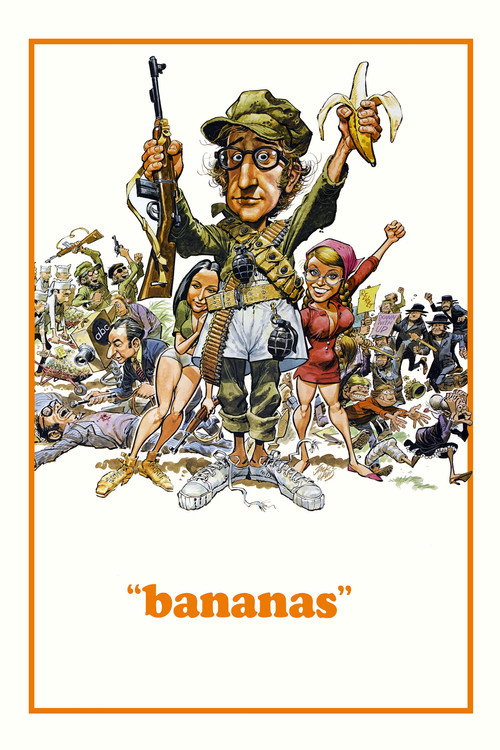
Bananas1971
Allen's follow-up feature finds the same anarchic energy channeled into a plot about a neurotic New Yorker caught up in a Latin American revolution. It's sharper, funnier, and shows his comedy style evolving with more control.
But The humor is very much of its era—some satirical targets and comedic assumptions land awkwardly now, and the pacing can feel uneven to modern viewers.
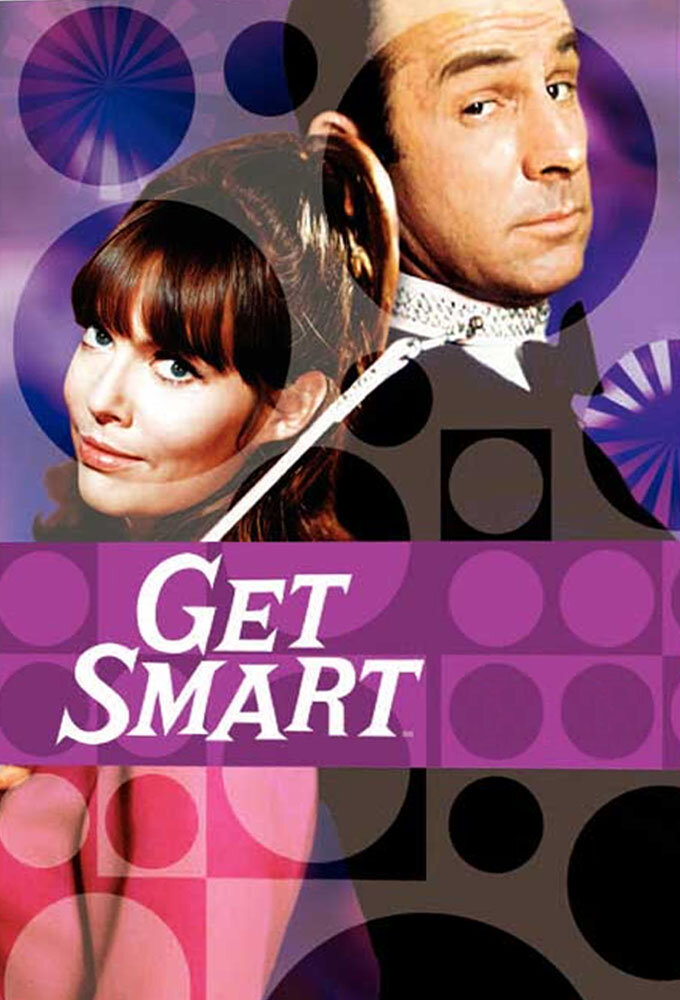
Get Smart1965
If you love the idea of taking a spy-thriller format and filling it with absurdist comedy and deadpan reactions, this series is the spiritual DNA of what Allen was riffing on. Don Adams is magnificent.
But It's a TV series, so you need commitment. The jokes are very specifically 1960s, and some episodes are stronger than others.
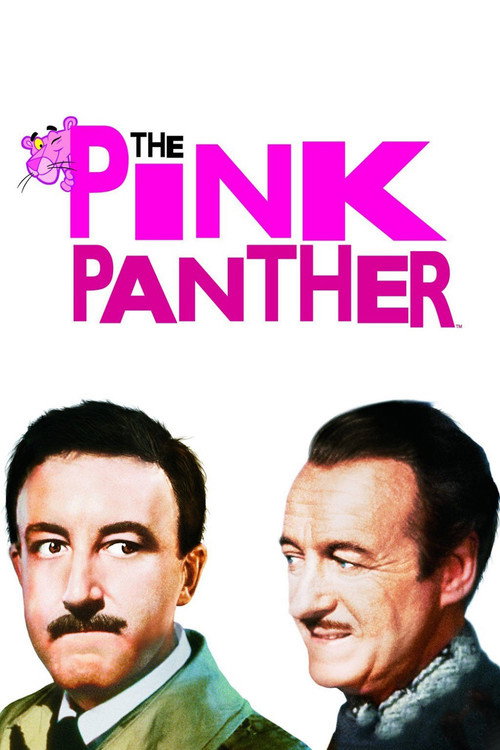
The Pink Panther1963
Blake Edwards and Peter Sellers also understood that you could take a heist-spy framework and make it hilarious through performance and weird editing. Inspector Clouseau is a masterclass in physical comedy within genre constraints.
But It's rooted in slapstick and visual gags—if dialogue-driven comedy is your preference, this might feel slow or dated.
Not sure tonight? Get a pick in a minute, starting from What's Up, Tiger Lily?
The wildcard
Something you would not have found on your own.
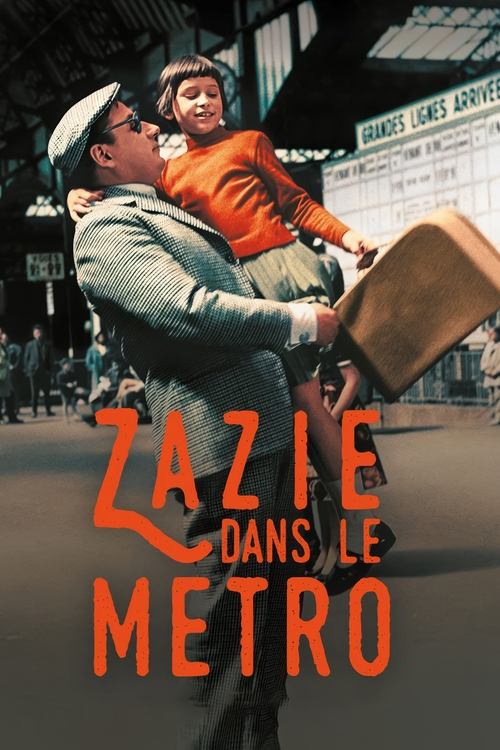
Zazie dans le Métro1960
Both treat cinema itself as a pranking machine: the plot is secondary to the glee of messing with viewer expectations and formal conventions. Neither apologizes for not making conventional sense.
Malle's adaptation of Queneau's novel shares Tiger Lily's commitment to formal anarchy—it's a film about a girl loose in Paris that treats the narrative like a plaything, jumping genres, breaking the fourth wall, and trusting viewers to keep up. Pure visual and narrative mischief.
But It's French New Wave playfulness, not comedy in the conventional sense. The constant tonal shifts and structural games can feel scattered rather than funny.
More like this (8)
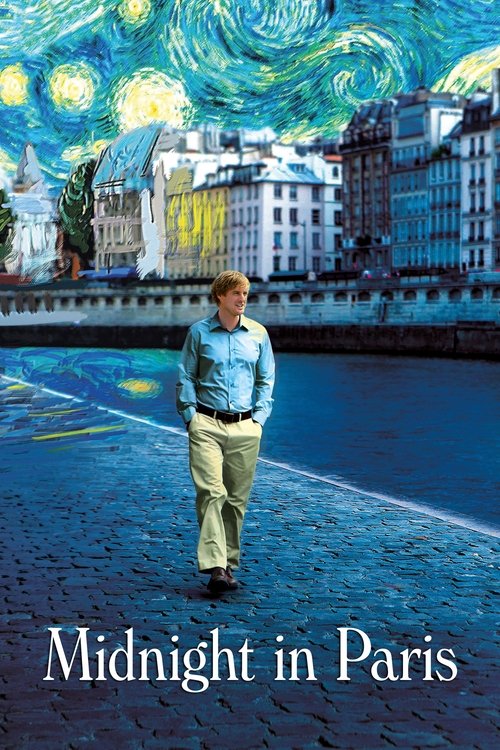
Midnight in Paris2011
Allen's later work exploring the joy of artistic obsession and the escape fantasy. It has genuine warmth and romance alongside the comedy, showing how his sensibility evolved while keeping that love of smart references.
But It's much gentler and more romantic than his early work—if you're chasing the chaotic energy of Tiger Lily, this will feel like a different filmmaker.
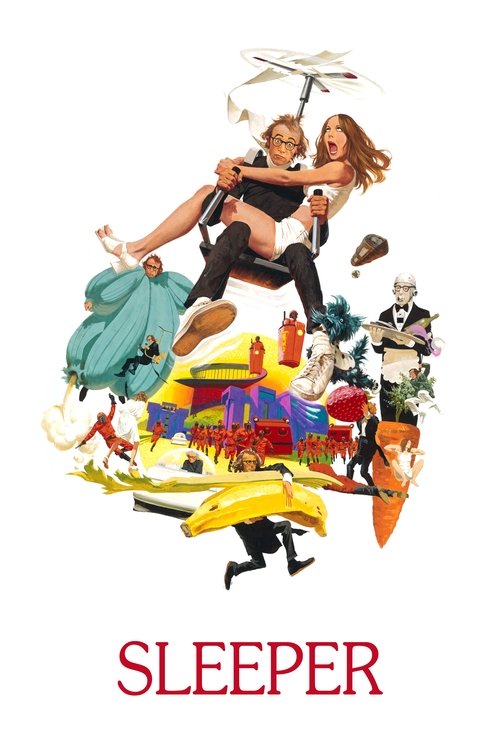
Sleeper1973
Allen's space-age comedy finds him playing a clarinet-loving loser defrosted in a dystopian future. It has that same anything-goes absurdism, with genuinely inventive sight gags and a plot that barely holds together—in the best way.
But The humor is broad and relies on physical comedy and weird sound design; if you prefer wit to zaniness, it might feel thin.
Contempt1963
Godard's examination of filmmaking, art, and the gap between intention and reality. It's gorgeous, formally daring, and completely different in tone—but it shares Tiger Lily's interest in the artifice of cinema and what gets lost in translation.
But It's a serious, melancholic meditation without laughs. The pacing is slow, and the emotional distance might feel cold compared to Allen's warmth.

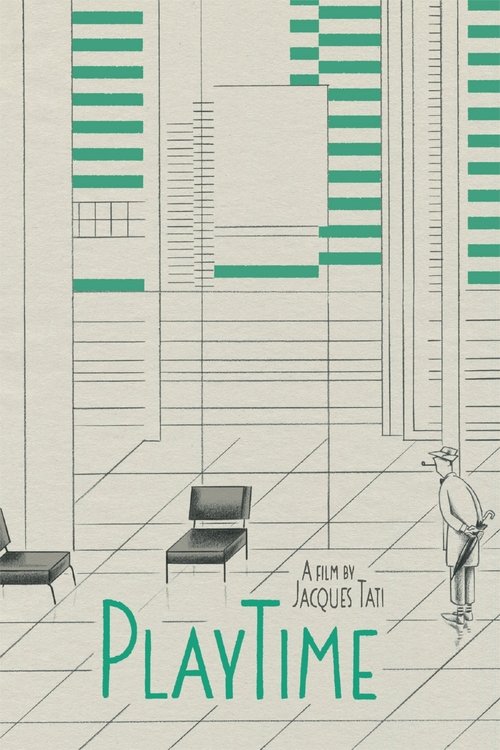
PlayTime1967
Tati's masterpiece of sight gags and spatial comedy. Like Tiger Lily, it trusts the audience to find the joke without explanation and takes genuine delight in the absurd details of how things actually work versus how they should.
But There's almost no dialogue, and the humor emerges from meticulous composition. It requires active watching and rewards patience in a way that might feel slow if you want immediate laughs.
Breakfast at Tiffany's1961
Audrey Hepburn and Henry Mancini's dreamy New York comedy, which captures the 1960s sensibility and tone that Tiger Lily is working in, though played entirely straight. It's a portal to the era that Allen was spoofing.
But It's romantic and sincere where Tiger Lily is anarchic—entirely different energy. The gender politics are dated, and the Mickey Rooney subplot is cringe.

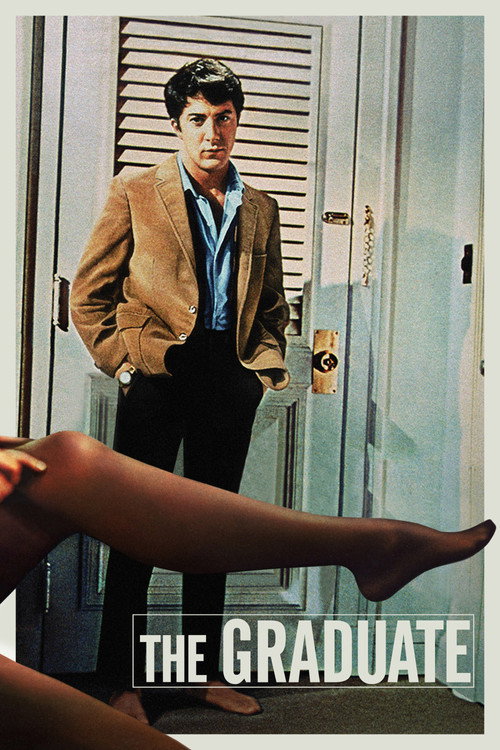
The Graduate1967
Released just one year after Tiger Lily, Nichols' film is similarly built on the dissonance between a young man and the world around him, using pop music, absurdist humor, and visual style to convey confusion and disconnection.
But It's dramatic and romantic where Tiger Lily is pure comedy. The satire is more pointed and less forgiving, and if you want anarchic silliness, this will feel heavy.
Synecdoche, New York2008
Both are radical experiments in narrative: Tiger Lily asks 'what if we just threw out the plot?', Synecdoche asks 'what if we layered plots until they're inseparable?' Both trust that confusion itself can be the point.
Kaufman's unhinged masterpiece about a theater director building a life-size replica of New York inside a warehouse. It's surreal, emotionally devastating, and structurally audacious in ways that demand active interpretation. Absolutely singular.
But It's relentlessly bleak, fragmented, and deliberately confusing. There are no punchlines—only existential dread and the collapse of meaning. Watching it feels like drowning.

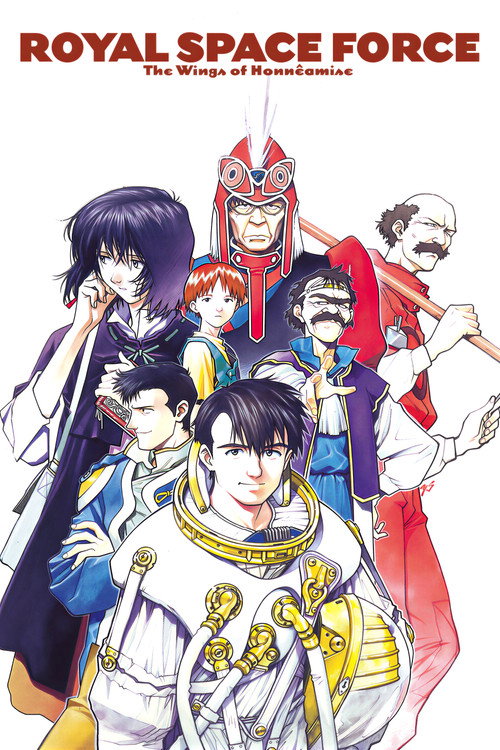
Royal Space Force - The Wings of Honneamise1987
Like Tiger Lily, it's a work that seems to exist in its own formal logic rather than following genre blueprints. Both are flagrantly weird about their medium—Animation here, exploitation cinema there—and neither cares if the audience is bewildered.
An obscure anime about building a space program in a fictional nation. It's visually stunning, tonally strange, and wildly expensive for what it accomplishes. The humor is dry, the action is beautiful, and nothing about it feels like anything else.
But It's a 122-minute anime from 1987 with an unconventional structure. If you need clear stakes or emotional through-lines, this will frustrate you. It's deliberately strange in ways that don't always cohere.
People
Cast
 Tatsuya MihashiPhil Moscowitz
 Akiko WakabayashiSuki Yaki
 Mie HamaTeri Yaki
 Tadao NakamaruShepherd Wong
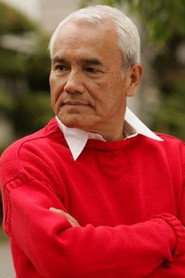 Susumu KurobeWing Fat
 Woody AllenSelf / Dub Voice (voice) / Projectionist
 China LeeDancer in Credits
 John SebastianSelf
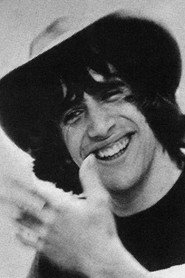 Zal YanovskySelf (Lead Guitarist)
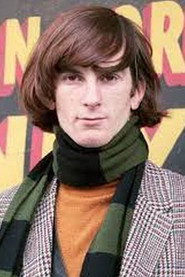 Steve BooneSelf (Bassist)
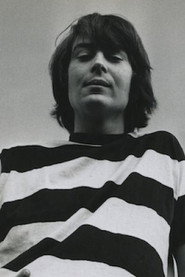 Joe ButlerSelf (Drummer)
 Frank BuxtonVocal Assist (voice)
Directing
- Senkichi TaniguchiDirector
- Woody AllenDirector
Writing
- Bryna WilsonWriter
- Frank BuxtonWriter
- Hideo AndoWriter
- Julie BennettWriter
- Len MaxwellWriter
- Louise LasserWriter
- Mickey RoseWriter
- Woody AllenWriter
Production
- Woody AllenAssociate Producer
- Henry G. SapersteinExecutive Producer
- Reuben BercovitchProducer
- Shin MoritaProducer
- Tomoyuki TanakaProducer
- Jerry GoldsteinProduction Manager