
Film
The Great Yokai War
Takashi Miike's audacious fantasy follows a lonely boy who tumbles into a war between Japan's mythological creatures. It's a careening adventure that mixes slapstick comedy, genuine warmth, and creature design that feels tactile and lived-in. For anyone who wants spectacle with heart, and doesn't mind a film that refuses to sit still.
If you liked this
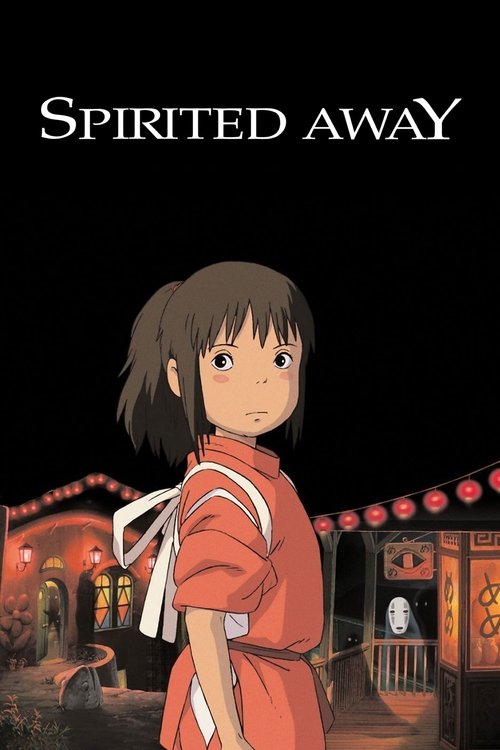
Spirited Away2001
A child thrust into a magical world of spirits learns courage and compassion. Like *Yokai War*, it treats its supernatural setting with wonder rather than irony, and takes its young hero seriously.
But It moves at a contemplative pace that some find glacial. Miike's film is far more kinetic and chaotic by comparison.
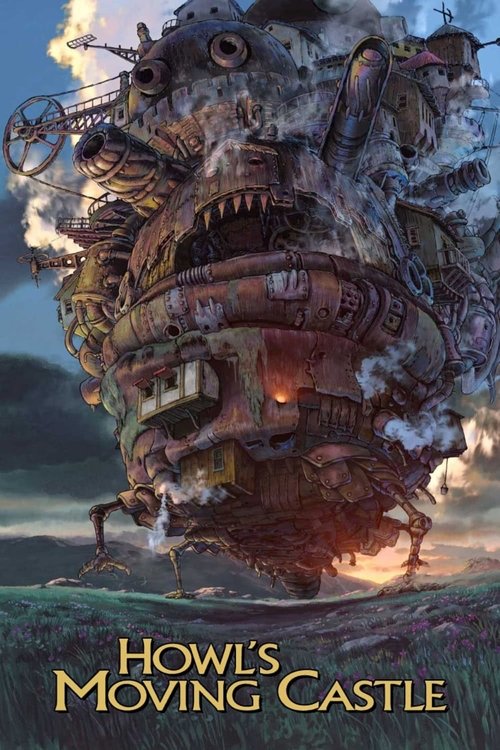
Howl's Moving Castle2004
Another Japanese fantasy about a young person discovering their strength in a world of magic and monsters. It has similar emotional stakes hidden beneath adventure and whimsy.
But It's softer and more romantic than *Yokai War*. The tone is gentler; this one never gets weird in the same way.
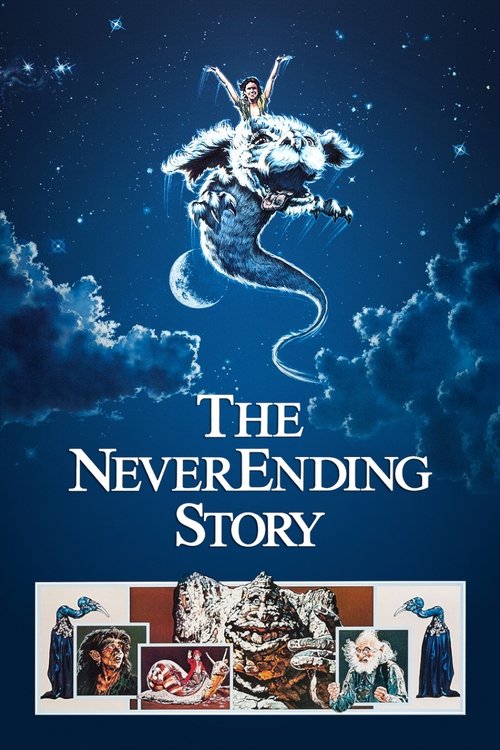
The NeverEnding Story1984
A boy finds himself the chosen hero in a fantasy realm where his choices matter. Same blend of childhood adventure, real danger, and the weight of being special when you don't feel special.
But It's from the '80s and sometimes veers into schmaltz. *Yokai War* is Japanese and weirder, less interested in sentiment.
Not sure tonight? Get a pick in a minute, starting from The Great Yokai War
The wildcard
Something you would not have found on your own.
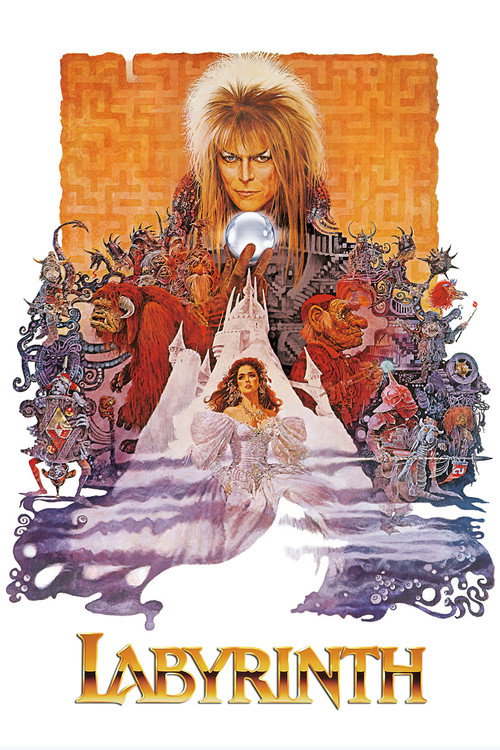
Labyrinth1986
Both films trust puppetry and practical effects over CGI to make fantasy creatures feel real. Both have heroes who must learn to see monsters as something other than threats. Both refuse the easy choice of making magic pretty.
A girl navigates a goblin king's maze to save her brother. Jim Henson's practical puppetry creates a world that feels lived-in and tactile, with genuine menace wrapped in theatrical charm.
But It's very '80s, very British, very art-rock. *Yokai War* is contemporary Japanese and has a completely different visual and tonal grammar.
More like this (7)
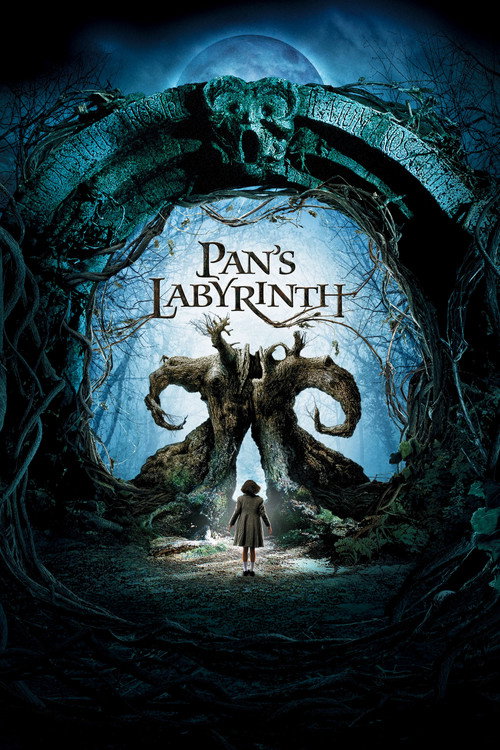
Pan's Labyrinth2006
A girl navigates a dark fantasy world while dealing with real-world horror. Both films use magic as a way to process childhood trauma and confusion.
But It's genuinely disturbing and violent. *Yokai War* is playful by comparison, even in its darker moments.
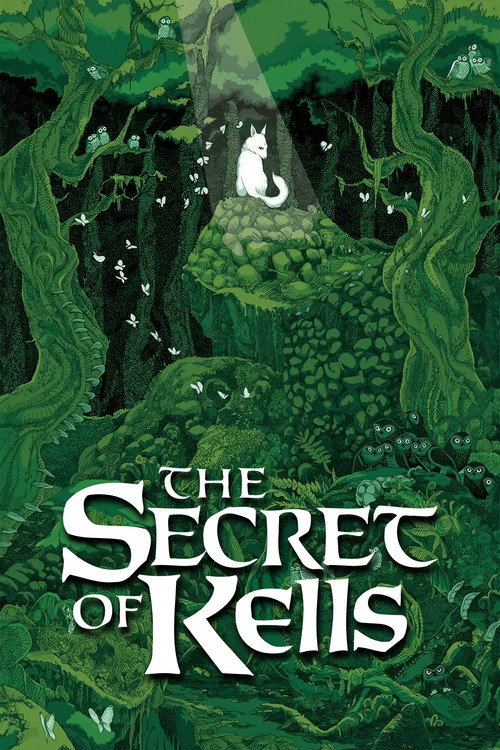
The Secret of Kells2009
Hand-drawn Irish fantasy where a boy must embrace the magical world to save it. Beautiful design, mythological stakes, a hero learning to be brave.
But It's slower and more precious. *Yokai War* has more comedy and frenzy; this one is meditative.
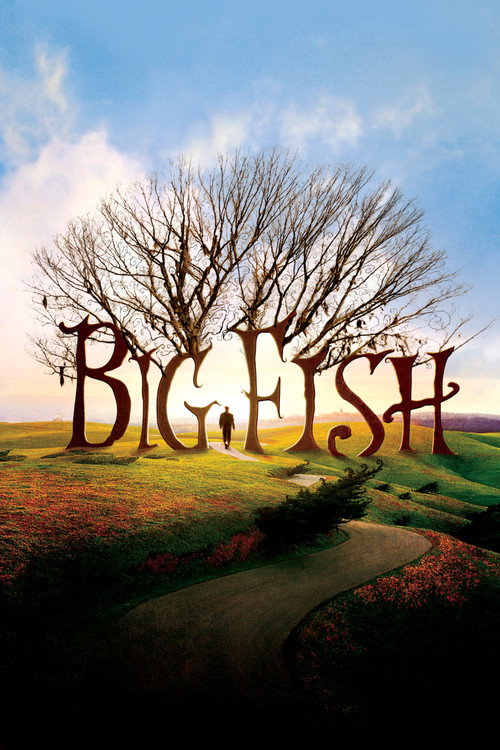
Big Fish2003
A son reconciles with his father through stories of magical adventure. Both films are about how imagination helps us survive difficult homes and relationships.
But It's sentimental in a way *Yokai War* never is. This one wears its emotions openly; Miike's is more restless.
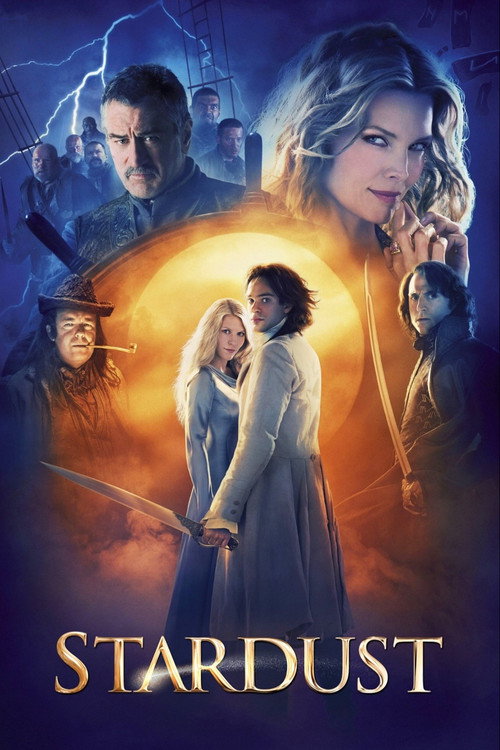
Stardust2007
A young man discovers he's more capable than he believed, supported by unexpected allies. Classic adventure with real stakes and genuine charm.
But It plays it relatively safe. *Yokai War* is far stranger and more willing to be visually outlandish.
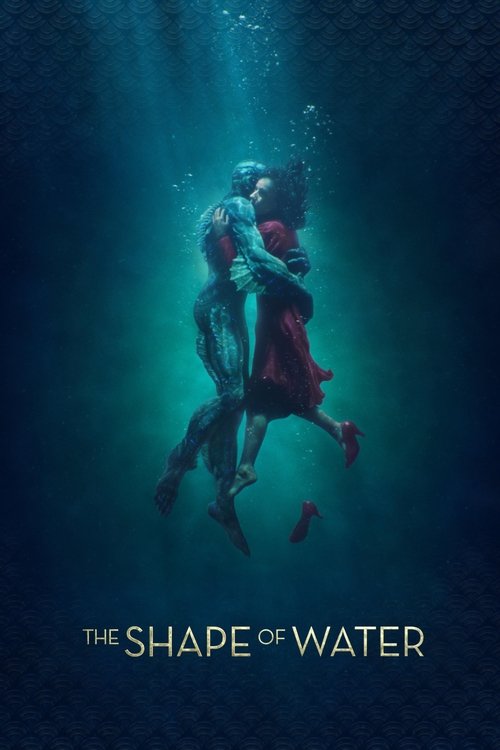
The Shape of Water2017
A lonely outsider finds connection and purpose in a magical creature. Both films suggest that belonging comes from seeing past surface strangeness.
But It's deliberately formal and arthouse. *Yokai War* is a rollicking blockbuster that doesn't sit still long enough for meditation.
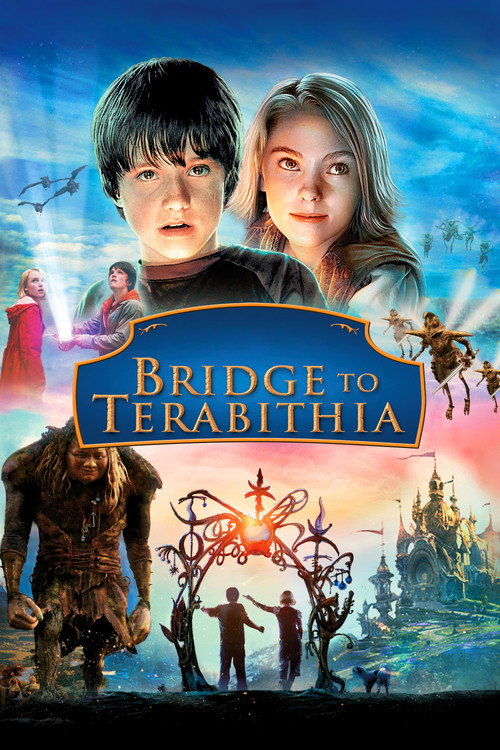
Bridge to Terabithia2007
Two children create a fantasy kingdom to escape their circumstances. Explores how imagination and friendship sustain us through real pain.
But It's quiet and introspective. *Yokai War* is Takashi Miike—it's loud, colorful, and refuses subtlety.
Come and See1985
Both track a boy learning that the world is far larger and more terrible than he imagined, but *Yokai War* argues he can still find meaning and connection within it. If *Yokai War* is about a child finding agency in chaos, this is about a child destroyed by it. Same question: What remains of the self when the world overwhelms you? Opposite answers.
A boy is conscripted into WWII and watches the world burn around him. One of cinema's most shattering depictions of childhood destroyed by forces beyond comprehension.
But It is brutally, unrelentingly dark. Nothing remotely fun. A wound, not a comfort. The opposite register entirely from Miike's warmth.

People
Cast
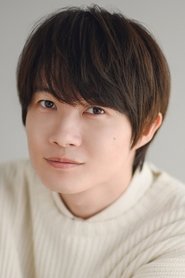 Ryunosuke KamikiTadashi Ino
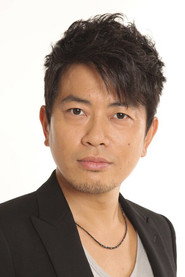
 Kaho MinamiYōko Ino
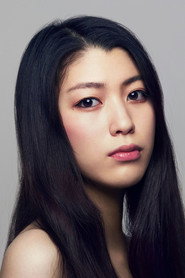 Riko NarumiTataru Ino
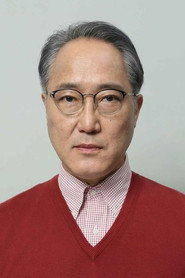 Shiro Sano"Mysterious" Editor
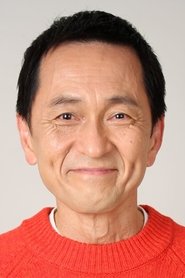
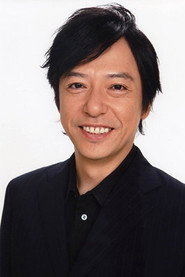
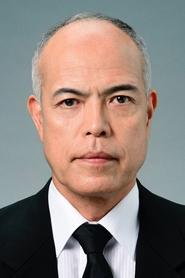 Yoji TanakaYoichi's father
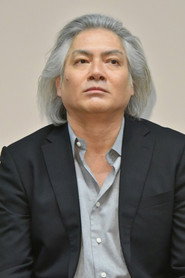
Directing
- Yamamoto HideyukiAssistant Director
- Takashi MiikeDirector
Writing
- Hiroshi AramataScreenplay
- Mitsuhiko SawamuraScreenplay
- Takashi MiikeScreenplay
- Takehiko ItakuraScreenplay
Production
- Daisuke KadoyaAssociate Producer
- Shun ShimizuAssociate Producer
- Tsuguhiko KadokawaExecutive Producer
- Nobuhiro IizukaOther
- Fumio InoueProducer
- Hiroshi AramataProduction Consultant
- Miyuki MiyabeProduction Consultant
- Natsuhiko KyogokuProduction Consultant
- Shigeru MizukiProduction Consultant
- Takashi SasakiProduction Designer