
Film
Lights Out
Other titles called Lights Out: the 2010 film, the 2016 film.
A three-minute short that transforms a bedroom into a pressure cooker of dread. A woman flicking switches becomes an act of survival; darkness becomes a character. It's visceral, clever, and proves you don't need ninety minutes to hollow someone out. For anyone who's ever feared the dark—which is everyone, really.
Should you watch it?
Watch it if you enjoy jump-scare horror built on one simple idea, stretched taut in a bedroom at night, and you want a fright that lands before you have time to settle.
Skip it if you need slow-burn dread, or a story with characters and backstory, since this is a single bare idea that is over before you have got comfortable.
What it asks of you: Hardly any time at all, and almost no talking; it keeps its eyes on one room and wants you to stay still while the dark does the work.
Not sure? Find tonight's pick in a minute.
If you liked this
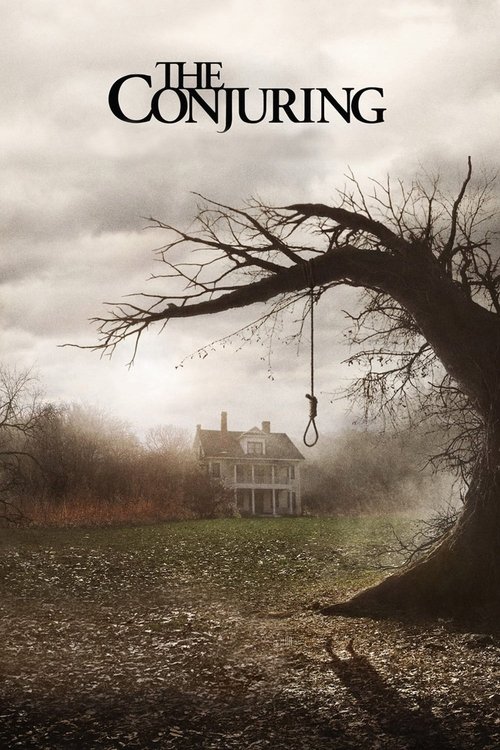
The Conjuring2013
James Wan's masterclass in escalating tension. He builds dread through geography and restraint, letting your imagination do half the work. Pure craft applied to genuine scares.
But It leans into haunted-house tropes and family drama between the frights. Some find the emotional beats slow the momentum.
Insidious2011
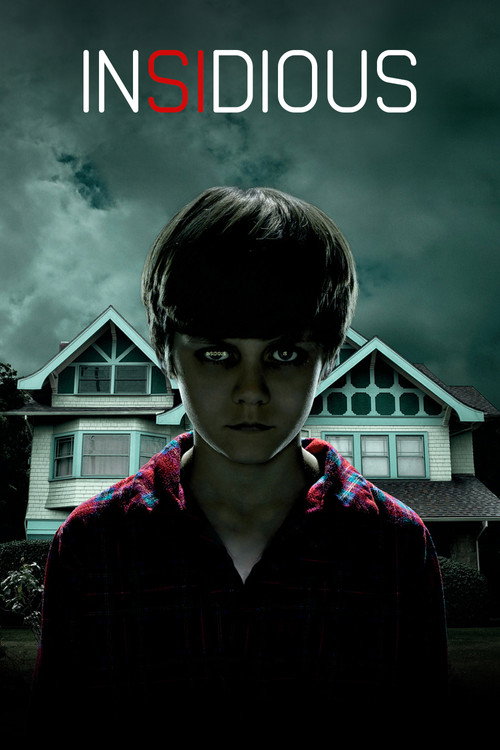
Another Wan collaboration that understands silence is scarier than sound. The further-realm concept is genuinely unsettling, and it respects the audience enough not to explain everything.
But The third act devolves into more conventional ghost-hunting. Some of the design choices tip toward silly rather than frightening.
The Ring2002
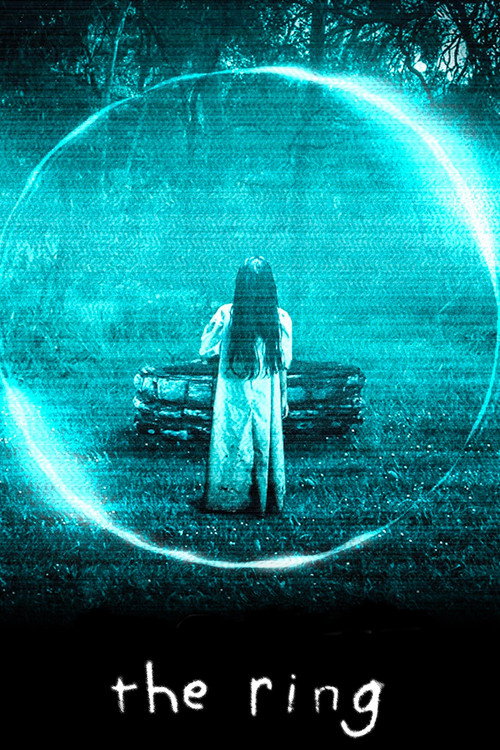
A curse that hunts you through time, activated by a video you can't unsee. It's a perfect piece of structural horror—the rules are clear, the stakes escalate, and it never wastes a moment.
But The digital effects have aged noticeably. Some find the pacing glacial by modern standards.
Not sure tonight? Get a pick in a minute, starting from Lights Out
The wildcard
Something you would not have found on your own.
Caveat2021
Both are ultra-short and prove maximum impact requires minimum exposition. Caveat strips away all safety rails and conventional storytelling to achieve pure unease—the logical extreme of what Lights Out demonstrates.
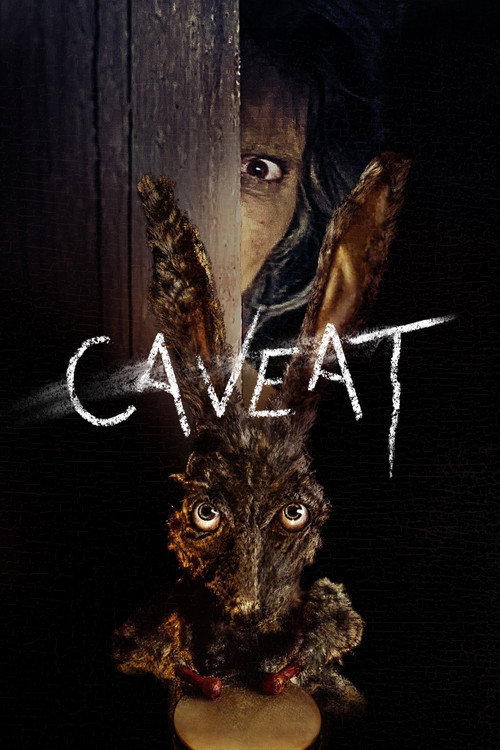
A man enters a mysterious house with a one-eyed raven and a girl who may not be real. Shot on 16mm, it's a fever dream of folk horror and broken logic that feels like watching someone's nightmare projected directly into your skull.
But It's deliberately incoherent. If you need narrative sense or clear causality, it will feel like nonsense rather than art.
More like this (8)
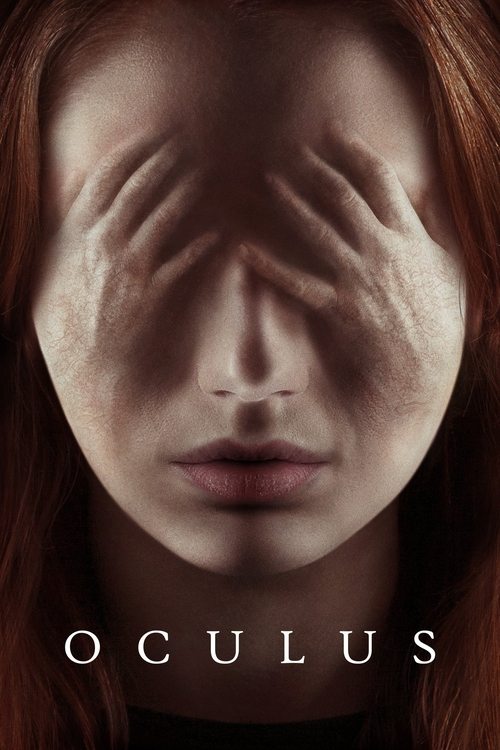
Oculus2014
A mirror that breaks reality. Wan again, but here he's playing with perception itself—you won't trust what you're seeing, and that uncertainty is the whole point. Brilliantly constructed.
But It's deliberately disorienting and can feel repetitive. If you need clarity, this will frustrate you.
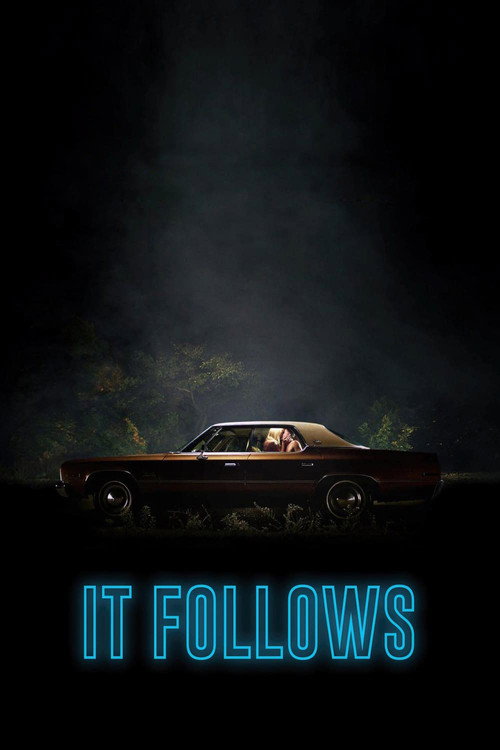
It Follows2015
A thing that walks toward you, always, and you can never truly hide. The high-concept premise is executed with absolute discipline and a synth score that gets under your skin.
But It's slow and meditative, not a jump-scare machine. The ending is deliberately ambiguous, which some find unsatisfying.
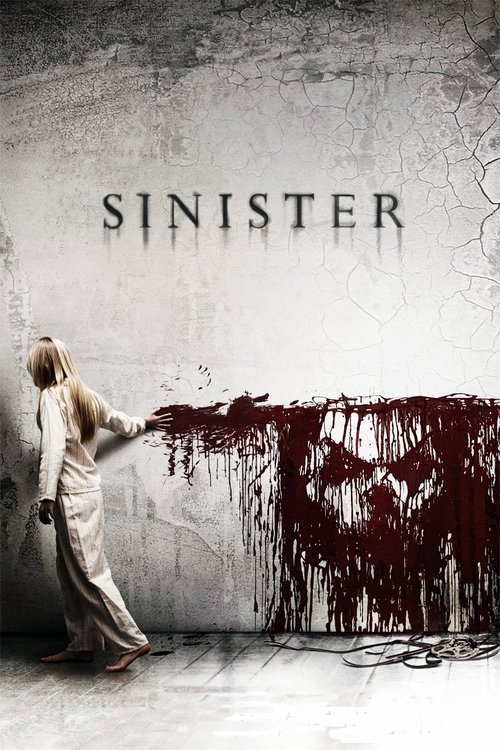
Sinister2012
A writer finds film reels documenting family murders. The snuff-film concept is genuinely disturbing, and the sound design is weaponized. Ethan Hawke grounds the escalating madness.
But It's bleak and nasty without much hope to balance it. The violence against children will alienate many viewers.
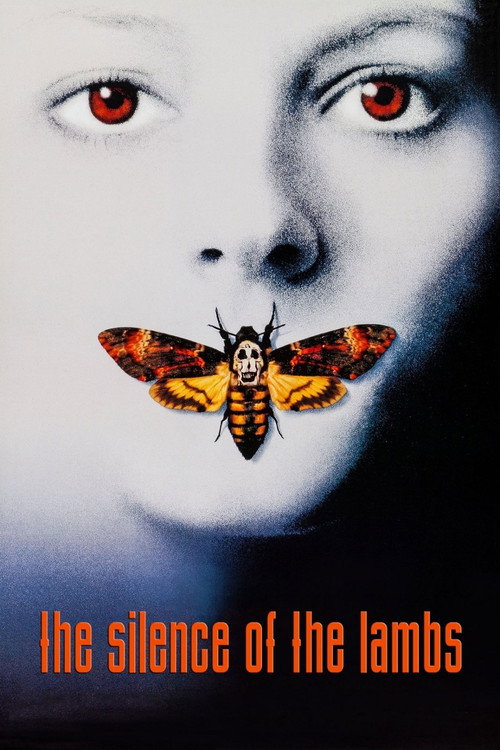
The Silence of the Lambs1991
Clarice Starling interviewing Hannibal Lecter across a glass barrier. Psychological horror at its most intelligent. Hopkins is unforgettable, and the thriller engine never stalls.
But It's a crime thriller as much as horror. Some find the serial-killer subplot more grim than scary.
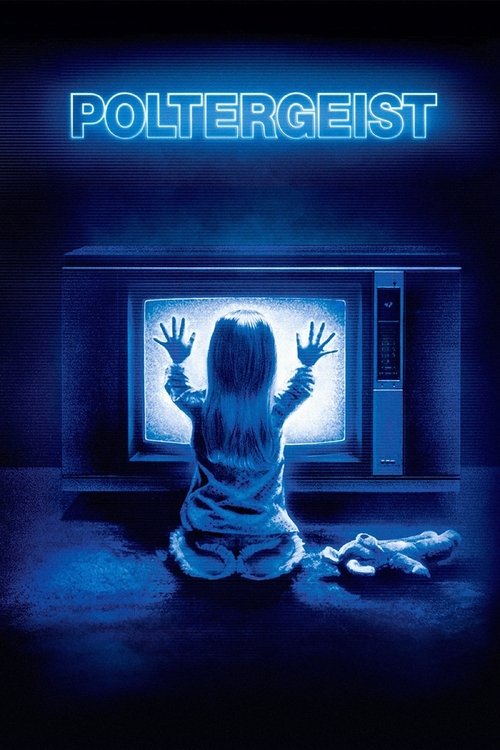
Poltergeist1982
Spielberg and Tobe Hooper asking: what if your house became hostile? The suburban setting makes it worse. Physical and creative, it influenced every haunted-house film after.
But The pacing is eighties-slow. Some of the effects, particularly the creatures, look more cartoonish than frightening now.
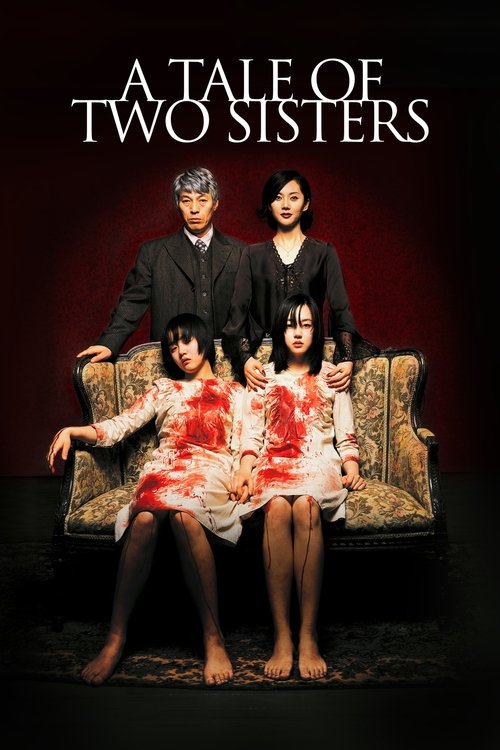
A Tale of Two Sisters2003
A Korean horror film that trusts atmosphere over explanation. Beautiful and deeply unsettling, it rewards the viewer who sits with discomfort rather than demanding answers.
But It's oblique and slow. The twist recontextualizes everything, but some find it emotionally manipulative rather than earned.
The Wailing2016
Both use the unseen as the primary threat. Lights Out hides its monster in darkness; The Wailing hides truth in layers of misdirection. Same principle, scaled up to spiritual and moral dimensions.
A Korean horror-thriller about faith, paranoia, and whether evil is supernatural or human. It's a two-hour slow-burn that makes you question what you're watching and doubt your own conclusions.
But It's deliberately obscure and offers no neat answers. The runtime and pacing demand patience. Many find it frustratingly ambiguous.

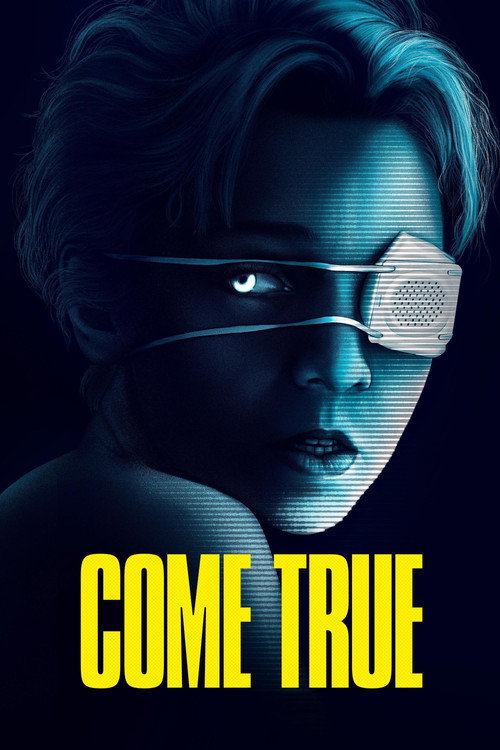
Come True2020
A three-minute idea about what waits when consciousness drops. Come True extends that premise into a full feature about the dissolution of self in sleep and dreams—it's the feature-length answer to Lights Out's concentrated question.
A teenager volunteers for a sleep-study that becomes increasingly disturbing. Shot on digital, it's a low-budget sci-fi horror that feels like modern Cronenberg—body horror and existential dread in equal measure.
But The narrative is abstract and the ending is deliberately unsatisfying. Some find it pretentious rather than profound.
People
Cast
 Lotta LostenWoman