
Film
Lights Out
Other titles called Lights Out: the 2014 film, the 2016 film.
- Missing-person mystery
- Crime
- Very dark
A French thriller that unfolds backwards through a small-town disappearance spiral. When a teenager vanishes, then another, then another, the film traces how rumour and fear metastasize through a community of adolescents. Tense, grounded, and genuinely unsettling—less interested in shock than in the social machinery that turns mystery into panic.
If you liked this
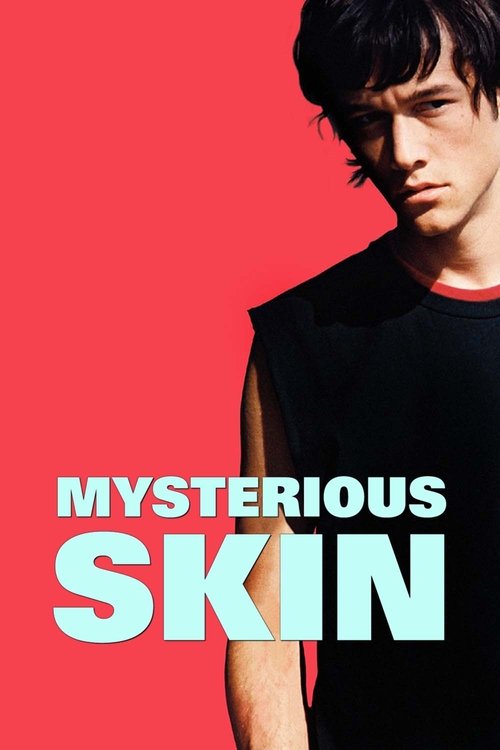
Mysterious Skin2005
A fractured narrative about two teenage boys whose lives converge around a traumatic gap in memory. It captures the same mood of youthful vulnerability meeting adult harm, and the way communities construct narratives around absence.
But Explicitly sexual content involving minors. Difficult subject matter handled without sentimentality means it's punishing to watch.
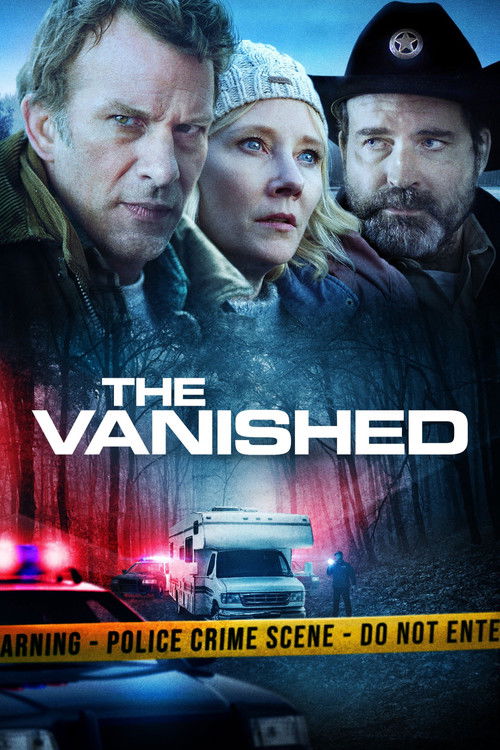
The Vanished2020
When a couple's daughter disappears during a holiday, the film splinters into competing theories. Like Lights Out, it watches how desperation and proximity breed accusation, and how communities turn on their own.
But The script relies on contrivance more heavily than Lights Out does. By the third act, logic bends noticeably.
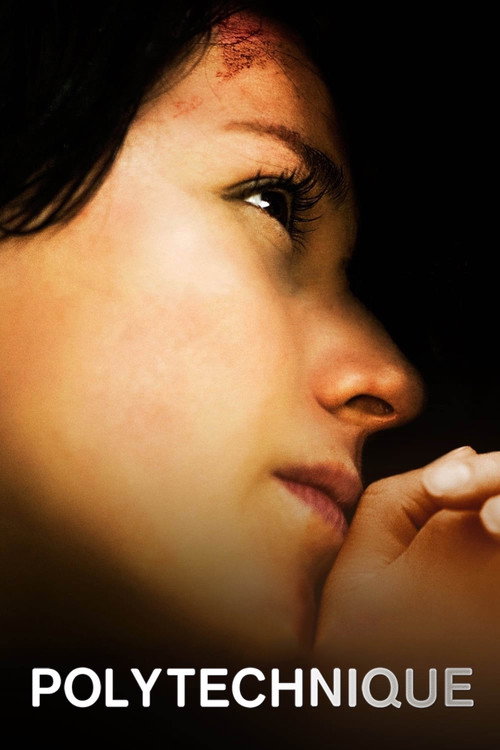
Polytechnique2009
Another French film about a day that fractures a community. Shot in stark black-and-white, it reconstructs real events through fragmented perspective. The same unflinching approach to collective trauma.
But Intensely bleak. The subject matter is a real mass shooting. It's a film that demands something from you and doesn't offer catharsis.
Not sure tonight? Get a pick in a minute, starting from Lights Out
The wildcard
Something you would not have found on your own.
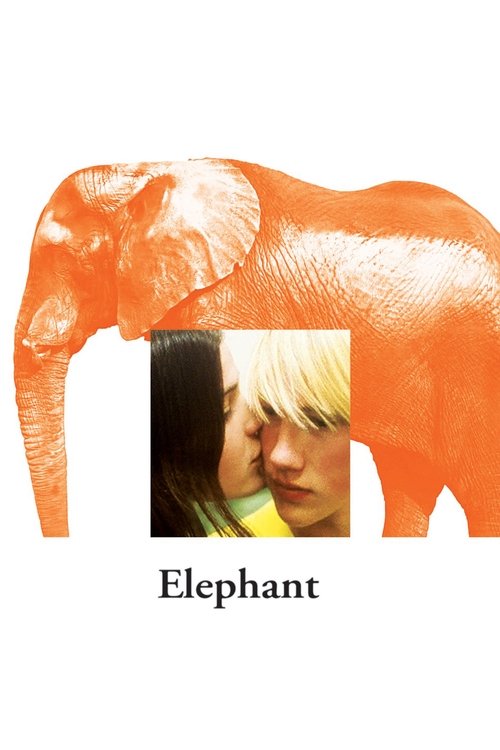
Elephant2003
Both films are interested in the space before tragedy becomes visible—in everyday normality as a held breath. Neither offers you the certainty you want.
Gus Van Sant's 81-minute real-time drift through a high school day before a shooting. It's meditative rather than dramatic—we follow different students, listen to their conversations, watch the building's textures. No exposition, no score, no explanation. It sits in pure uncertainty, which is what Lights Out is really about: the state of not knowing.
But Deliberately refuses narrative satisfaction. Viewers expecting even minor plot resolution often feel the film is incomplete. It is not. Your discomfort is the point.
More like this (8)
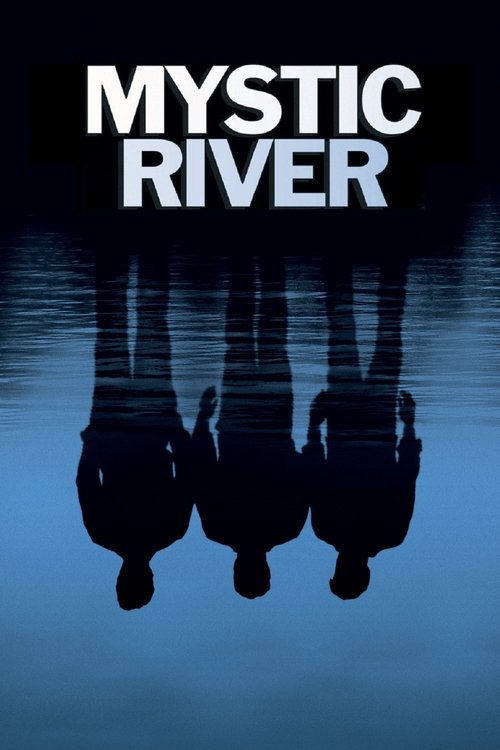
Mystic River2003
Three childhood friends are reunited by a murder investigation. Like Lights Out, it explores how a single violent event reactivates old wounds and how people remake their narratives around mystery.
But It's a very American story told with Clint Eastwood's particular mythologizing. Some viewers find that mythmaking itself a bit heavy-handed.
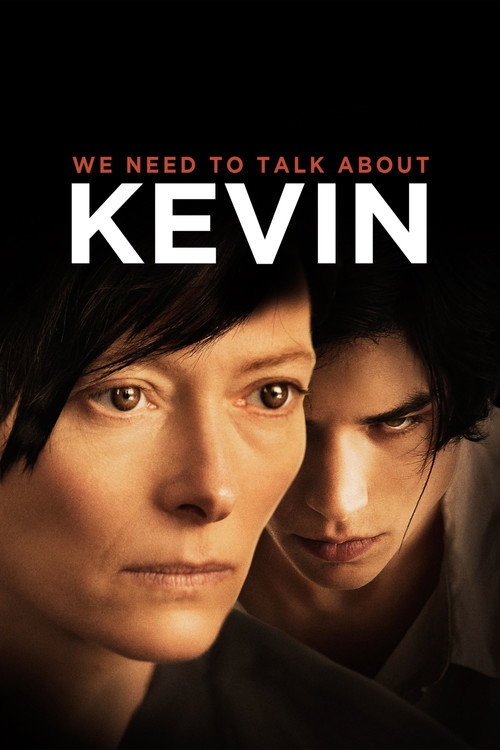
We Need to Talk About Kevin2011
Fractured narrative about a mother's guilt following her son's act of violence. It shares Lights Out's interest in how we construct explanations for the inexplicable, and the stories we tell ourselves about blame.
But Deliberately opaque about what's real and what's projected. Some find the abstraction frustrating rather than illuminating.
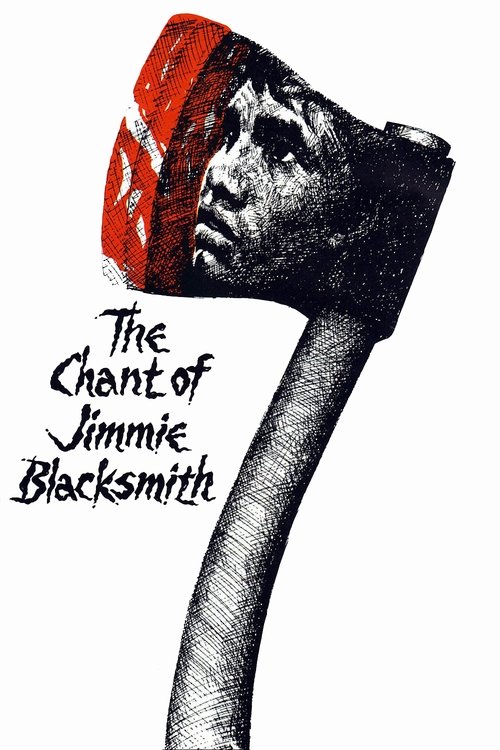
The Chant of Jimmie Blacksmith1978
A systemic thriller about a man ground down by prejudice until violence becomes inevitable. Focuses on how communities misread individual people, turning assumption into fact.
But It's an Australian film from 1978 with visibility issues. You may need to hunt for it, and image quality can be rough.
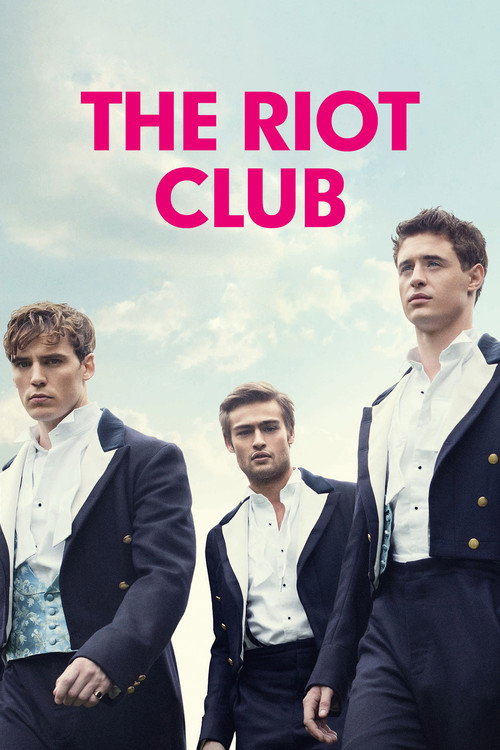
The Riot Club2014
A privileged group's night spirals into violence through a series of small escalations. It captures that same Lights Out energy—how quickly collective psychology can shift toward cruelty.
But The characters are largely unsympathetic by design. If you need someone to root for, this will exhaust you.
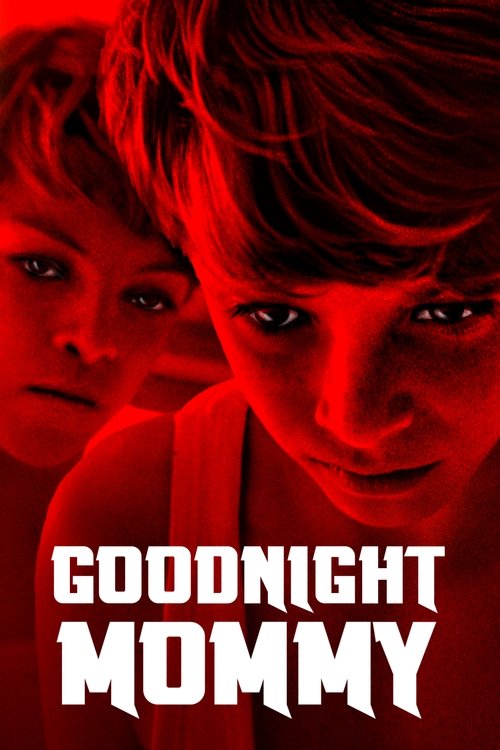
Goodnight Mommy2015
Austrian psychological thriller about two brothers whose belief in their mother's replacement spirals into violence. Operates in the same uncanny register where certainty replaces doubt.
But The final act relies on a reveal that depends on you not thinking too hard about physics. Some viewers find it retrospectively silly.
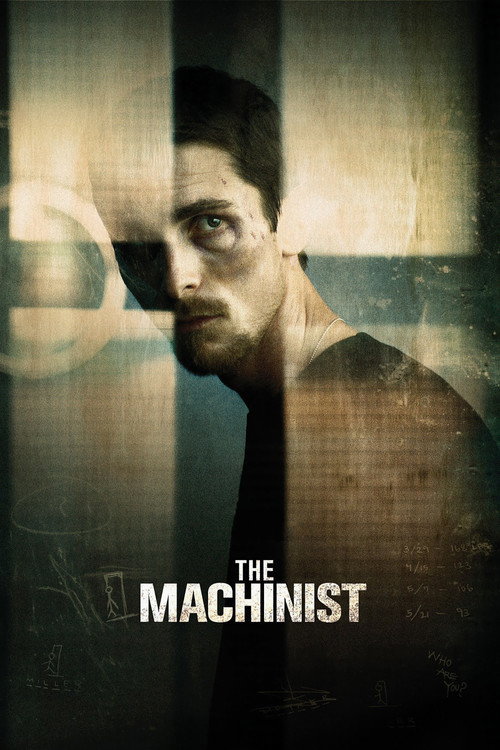
The Machinist2004
Christian Bale at his most skeletal, playing a factory worker whose paranoia may or may not be justified. An exploration of guilt, surveillance, and the unreliability of your own evidence.
But It moves slowly and deliberately. If you're watching for plot momentum, you'll feel the pacing as tedium.
The Wailing2016
Both understand that the mystery never resolves—it just transfers. Lights Out traces how absence becomes narrative; The Wailing shows you every possible narrative collapsing simultaneously.
A Korean film that unfolds like Lights Out inverted: a village is plagued by unexplained deaths. Was it the mysterious stranger? A shaman? God? By the end, the film becomes a Venn diagram with no overlap—every interpretation is supported and contradicted equally. It's about how communities generate explanations for chaos they cannot control.
But It's 156 minutes. You will need to sit with this. Some viewers experience that length as meditative; others as punishment.

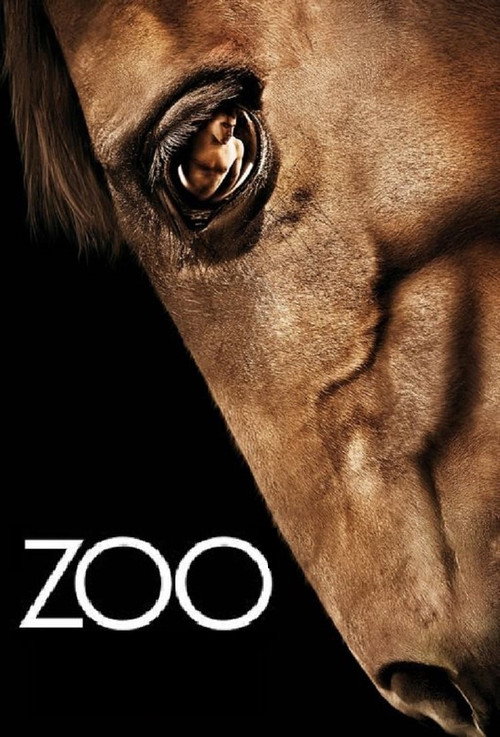
Zoo2007
Lights Out uses missing teenagers as scaffolding for a study of collective psychology; Zoo uses a man and animals. Both films are really about obsession and the stories people construct when they cannot tolerate uncertainty. The mechanics are identical; the content is almost irrelevant.
A Swiss-Austrian experimental film about a man's obsessive relationship with animals at a zoo. Only 11 minutes long. It's not narrative; it's texture, repetition, the way observation becomes mania. It operates in pure mood—the same slow-burn dread of Lights Out, but achieved through abstraction rather than plot.
But It's not a story. There is no dialogue, no conventional dramatic arc. If you need narrative signposts, this will feel like nothing happened.
People
Cast
 Ana GirardotAlice
 Jules PelissierJéremie
 Laurent DelbecqueSimon
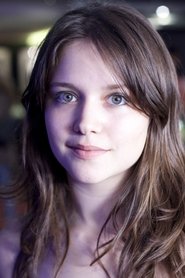 Audrey BastienClara
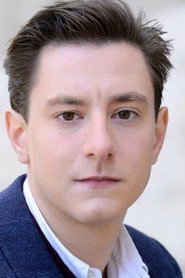 Arthur MazetJean-Baptiste Rabier
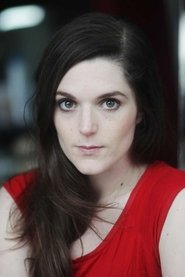 Alice ButaudLa prof de sciences
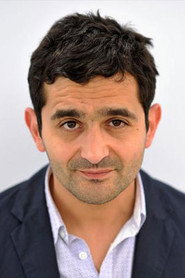 Laurent CapellutoYves, l'entraîneur de foot
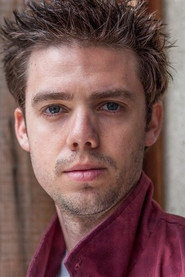 Yan TassinFrédéric
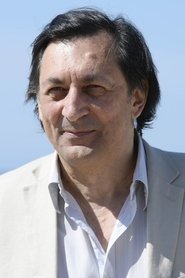 Serge RiaboukineRabier
 Selma El MouissiLaetitia

 Arthur de DonnoKama
Directing
- Fabrice GobertDirector
Writing
- Fabrice GobertWriter
Production
- Emmanuelle PrévostCasting
- Marc-Antoine RobertProducer
- Xavier RigaultProducer