
Film
Polytechnique
- Crime
- Period drama
- Very dark
Denis Villeneuve's unflinching reconstruction of the 1989 École Polytechnique massacre in Montreal. Shot in stark black-and-white, it moves between the shooter's fractured perspective and his victims' final hours. Austere and unbearably tense, it's a meditation on male rage and institutional failure—not entertainment, but essential witnessing.
Should you watch it?
Watch it if you want a stark, unflinching account of a historical tragedy told with restraint, where the camera's cold precision says more than any speech would.
Skip it if you want a story that builds to catharsis or lets you settle into its characters; this one stays tightly focused on the day's horror and offers little relief.
What it asks of you: At seventy-seven minutes it is lean and measured in its sorrow, and it asks for full attention with few moments to look away.
Not sure? Find tonight's pick in a minute.
If you liked this
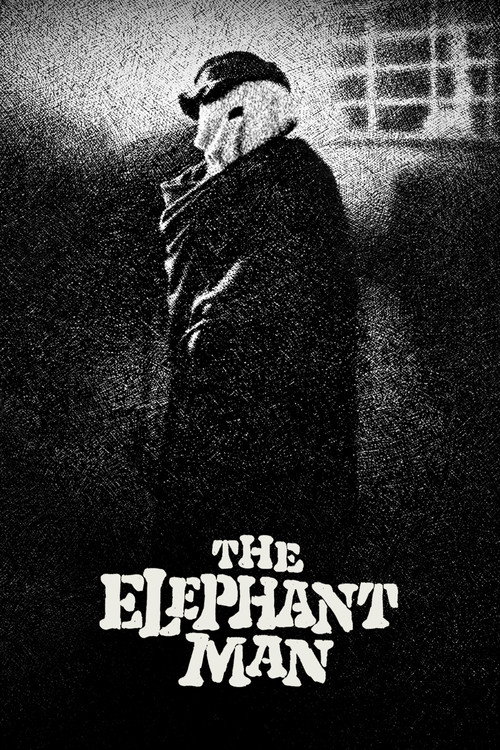
The Elephant Man1980
Gus Van Sant's Columbine study uses similar structural restraint: we follow multiple viewpoints converging toward tragedy, asking uncomfortable questions about motive without providing easy answers.
But It's deliberately paced and offers no catharsis or moral clarity. Some find its refusal to condemn explicitly as morally evasive rather than provokative.
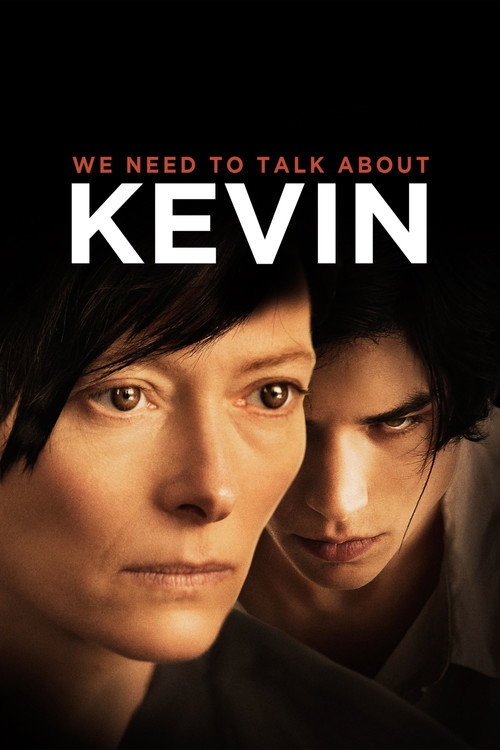
We Need to Talk About Kevin2011
Lynne Ramsay's fractured narrative examines a mother's complicity and bewilderment after her son commits mass murder. Visually inventive and emotionally devastating exploration of family and violence.
But Deeply bleak and abstract in structure. The non-linear chronology can feel distancing rather than clarifying, and some find it punishes the viewer.
A Prophet2009
Jacques Audiard's prison drama similarly traces radicalization and institutional brutality with unflinching precision. Tense, immersive, and morally complex without sentimentality.
But Very long at 155 minutes. The prison setting and violence are relentless, and it doesn't offer redemption or escape routes.

Not sure tonight? Get a pick in a minute, starting from Polytechnique
The wildcard
Something you would not have found on your own.
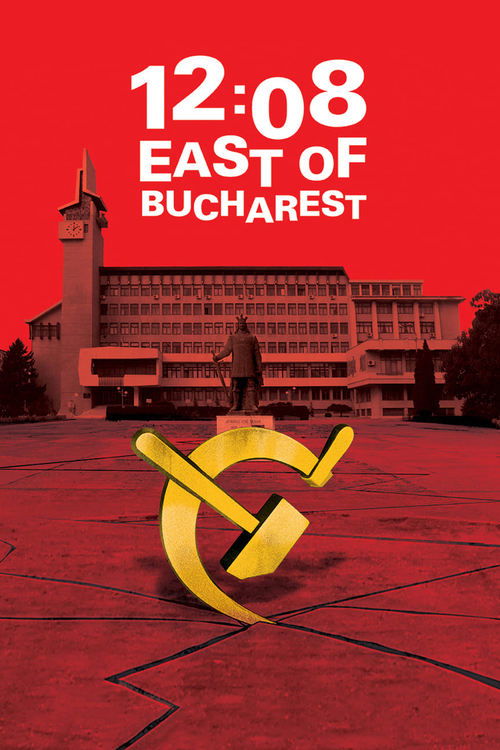
12:08 East of Bucharest2006
Both are meditation on real violence and its aftermath filtered through cinematic form. Both premiered at Cannes 2009 and treat trauma as a problem of documentation and interpretation, not catharsis.
Romanian director Corneliu Porumboiu's quietly radical film about three men debating whether the 1989 Revolution actually happened in their small town. Like Polytechnique, it's about collective trauma and how violence shapes memory—but it's absurdist, darkly funny, and about failure to act rather than action itself.
But The humor is extremely dry and specifically Eastern European. Some may find it frustratingly undramatic, and the connection to Polytechnique is philosophical rather than visceral.
More like this (8)
Requiem for a Dream2000
Darren Aronofsky's exploration of four interconnected descents into self-destruction has similar visual intensity and willingness to show systems failing vulnerable people without flinching.
But Dominated by addiction rather than violence, and its emotional manipulation is deliberate and exhausting. The famous 'ass-to-ass' scene offends many on principle.

Come and See1985
Elem Klimov's devastating Soviet film about a boy soldier's war experiences shares the same commitment to showing horror without exploitation, and similar refusal to sentimentalize trauma.
But Russophone and from 1985, so access is harder. The subject matter—child soldiers, genocide—may be even more difficult than Polytechnique.

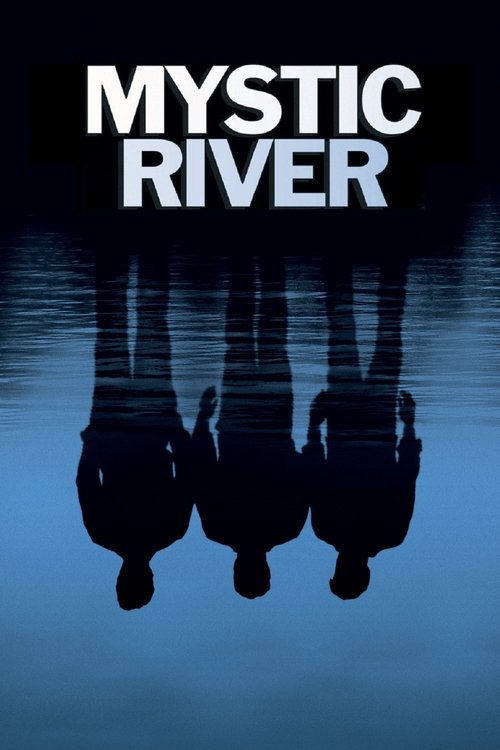
Mystic River2003
Clint Eastwood examines how violence ripples through communities and how men respond to tragedy. The tone is grave without being self-righteous, and the moral complexity is genuinely earned.
But It's a conventional detective thriller at heart. If you want formal innovation, you won't find it—it's much more traditional than Polytechnique.
The Act of Killing2012
Documentary in which perpetrators of Indonesian mass murder reenact their own crimes. A utterly unique approach to confronting atrocity and the psychology of violence. Necessary and harrowing.
But Nearly two and a half hours, and the reenactments are surreal and disturbing. Some viewers find its methodology morally troubling, and closure never arrives.

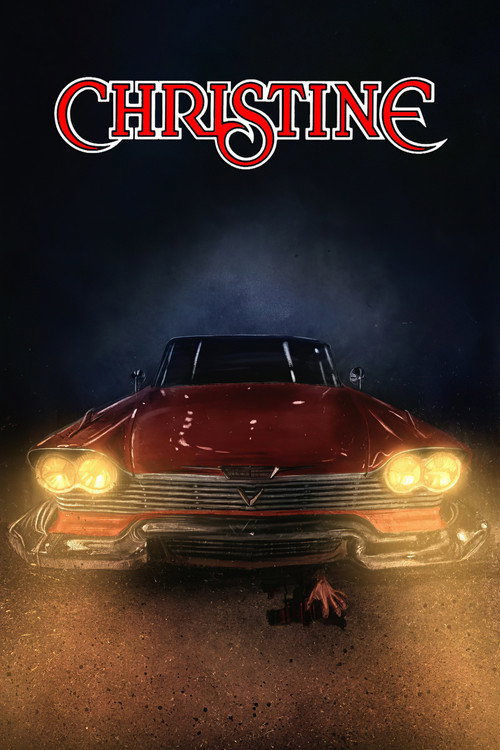
Christine1983
John Carpenter's film about a troubled boy and a violent car explores male rage and alienation with genre flair. Less overtly political than Polytechnique, but psychologically sharp about youth and misogyny.
But It's fundamentally a horror-thriller, which can feel flippant next to Polytechnique's gravity. The metaphor of the car is sometimes silly.
Synecdoche, New York2008
Charlie Kaufman's dizzyingly complex film about art, ego, and mortality. Not about violence, but shares an interest in how obsession and mental fragmentation corrode the self and everyone around it.
But Willfully obscure and self-indulgent. Its connection to Polytechnique is thematic rather than direct, and it demands a lot from viewers without always rewarding them.

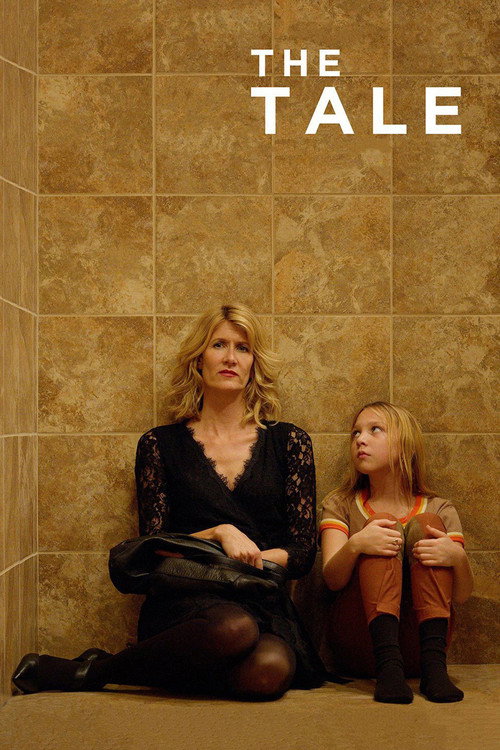
The Tale2018
Both use fragmented narrative and the perspective of perpetrator and victim to ask how we document violence. Both refuse false understanding and treat form as inseparable from content.
Jennifer Fox's essay-documentary reconstructs her own childhood sexual abuse, blending reenactment and investigation. Like Polytechnique, it uses formal precision to examine an act of violence that shatters multiple lives—but it's intimate, personal, and about memory's unreliability rather than a single event.
But It's about child abuse, and the reenactments involve young actors in disturbing situations. The experimental form—part doc, part drama—may feel confused rather than clarifying.
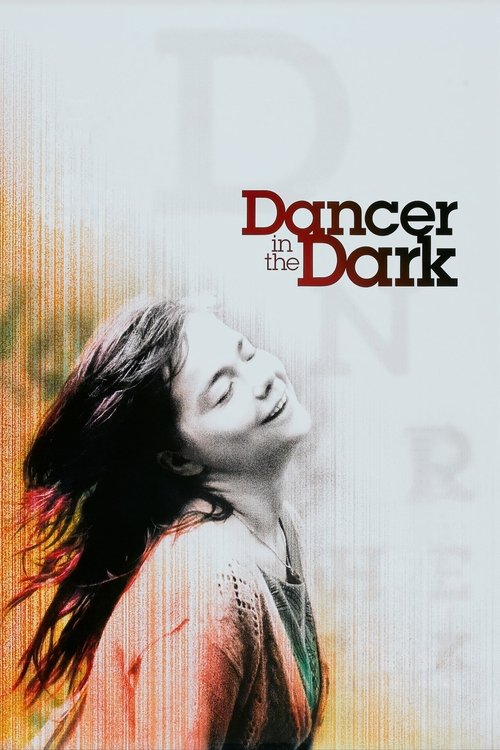
Dancer in the Dark2000
Both are formal experiments about institutional and systemic violence treated with almost clinical precision. Both deliberately refuse the comfort of genre convention, and both are unwilling to let viewers off emotionally.
Lars von Trier's Selma, a musical, is shot in near-documentary style as a poor woman's life implodes toward tragedy. Like Polytechnique, it's formally severe about depicting real suffering and the systems that fail the vulnerable—but it subverts expectation by being, bizarrely, a musical.
But The final scenes are among cinema's hardest to watch. The musical sequences, meant to be transcendent, may feel intrusive or exploitative rather than redemptive.
People
Cast
 Maxim GaudetteThe Assassin
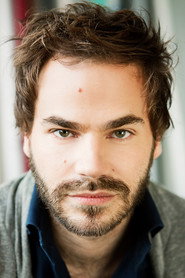 Sébastien HuberdeauJean-François
 Karine VanasseValérie
 Evelyne BrochuStéphanie
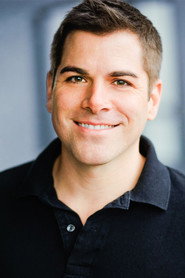 Martin WatierJean-François (voice)
 Johanne-Marie TremblayJean-François' Mother
 Natalie Hamel-RoyJean-François' Mother (voice)
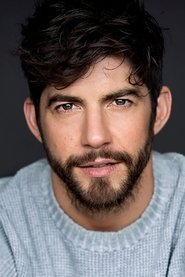
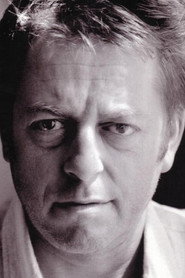 Pierre LeblancMr. Martineau
 Francesca BarcenasInjured Student at Copier
 Ève DuranceauStudent with the Ear Injury
- Mathieu LedouxInjured Student
Directing
- Denis VilleneuveDirector
Writing
- Denis VilleneuveWriter
- Eric LecaWriter
- Jacques DavidtsWriter
Production
- Julien RemillardExecutive Producer
- André RouleauProducer
- Don CarmodyProducer
- Karine VanasseProducer
- Maxime RémillardProducer