
Film
12:08 East of Bucharest
- Drama
- Slow-burning
A Romanian comedy-drama built on a deceptively simple question: did the 1989 revolution actually happen in this small town, or did locals just pretend? Three men—a TV station owner, a history teacher, a retired pensioner—argue, reminisce, and contradict each other on live television. It's funny and melancholy at once, about memory, pride, and how we lie to ourselves.
Should you watch it?
Watch it if you enjoy deadpan, slow-burn comedy where an argument about a small-town question quietly turns into a portrait of national memory and self-deception.
Skip it if you need plot momentum, since very little happens and the long, still scenes of conversation in rooms can feel like waiting for a bus.
What it asks of you: Brief at under ninety minutes, it holds each static exchange far longer than is comfortable, so you settle into patience and listen for what goes unsaid.
Not sure? Find tonight's pick in a minute.
If you liked this
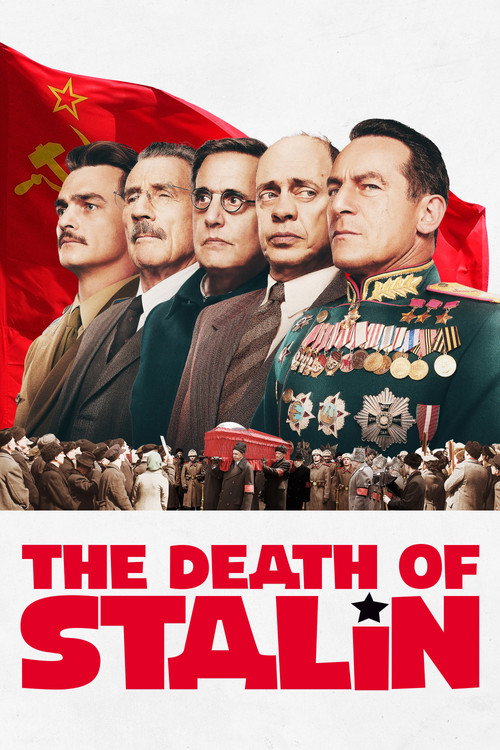
The Death of Stalin2017
Armando Iannucci's savage comedy about Soviet power struggle uses absurdist humor and authentic confusion to explore how history gets rewritten in real time. The collision of ideology and human pettiness mirrors the debate at the heart of 12:08.
But It's aggressively funny in a British way—lots of rapid-fire insults and bureaucratic farce. If you want warmth or sentiment, this will feel cold.
Stalker1979
Tarkovsky's meditative masterpiece about three men on a journey into a mysterious zone. Like 12:08, it's really about what we desire, what we claim to believe, and the gap between the two. Long, philosophical, hypnotic.
But It's 163 minutes of slow cinema. Patience isn't optional. Many viewers find it monotonous rather than contemplative.

Come and See1985
A Soviet war film that refuses to prettify history or suffering. It shares 12:08's interest in how ordinary people experience extraordinary events, and in how memory distorts what actually happened.
But It's one of the most harrowing films ever made. The violence and degradation are not backgrounded or softened. This is not entertainment.

Not sure tonight? Get a pick in a minute, starting from 12:08 East of Bucharest
The wildcard
Something you would not have found on your own.
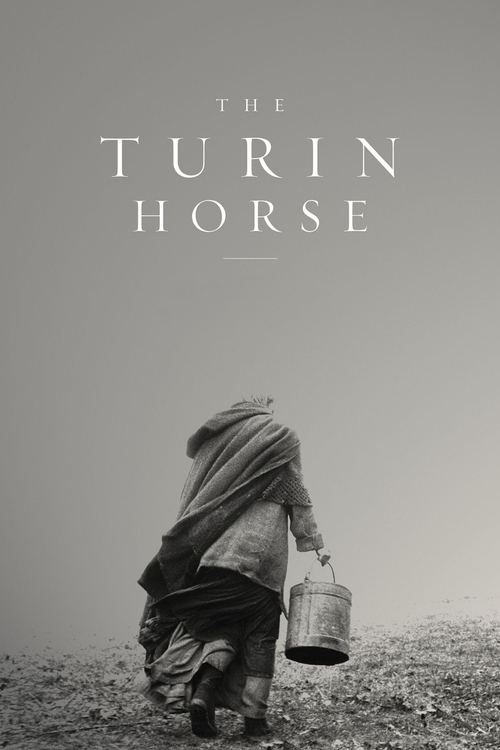
The Turin Horse2011
Both films treat ordinary people's attempts to construct coherent narratives about history and meaning with simultaneous compassion and skepticism. Both suggest that we cling to stories because the alternative—chaos, irrelevance—is intolerable.
Béla Tarr's final film, a black-and-white apocalypse about an old man and woman repeating the same rituals as the world ends. It's about the stories we tell to impose order on meaninglessness—what 12:08 is really interrogating beneath its comedy.
But It's punishingly bleak, shot in extreme close-up on a single set, with almost no conventional narrative. Tarr is not interested in entertaining you.
More like this (8)
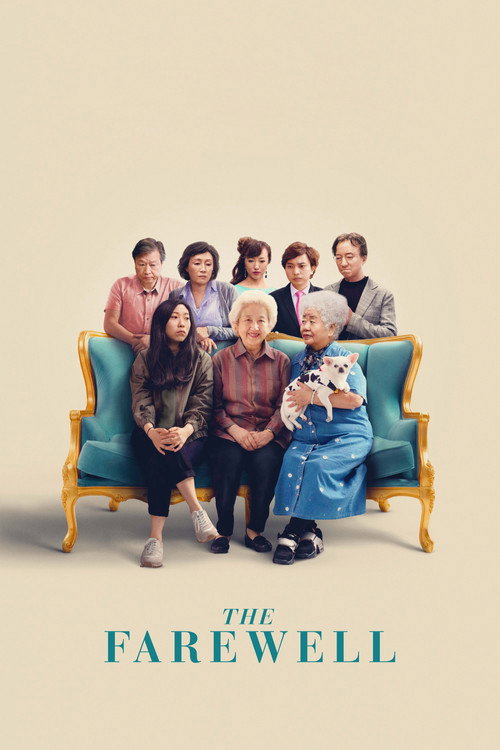
The Farewell2019
A Chinese-American family gathers to say goodbye to a grandmother without telling her she's dying. It's comedic and tender, exploring how cultural memory and family mythology shape truth. Warm where 12:08 is spiky, but the DNA is similar.
But The tonal balance of comedy and sadness won't work for everyone. Some viewers want a film to pick a lane.
Another Year2010
Mike Leigh's ensemble portrait of middle-aged Londoners across four seasons. Sharp, observant, sometimes cruel. It's interested in how people construct narratives about their own decency while being unkind to others.
But It's cynical and sometimes mean-spirited. If you go in looking for likeable characters or a redemptive arc, you'll feel disappointed.
Ikiru1952
Kurosawa's film about a dying bureaucrat searching for meaning in his small life. Philosophically serious and emotionally devastating. It asks what we actually accomplish and whether it matters—questions 12:08 circles around obliquely.
But The second half shifts into a different register entirely. Some viewers find it emotionally manipulative. It's also quite long and contemplative.

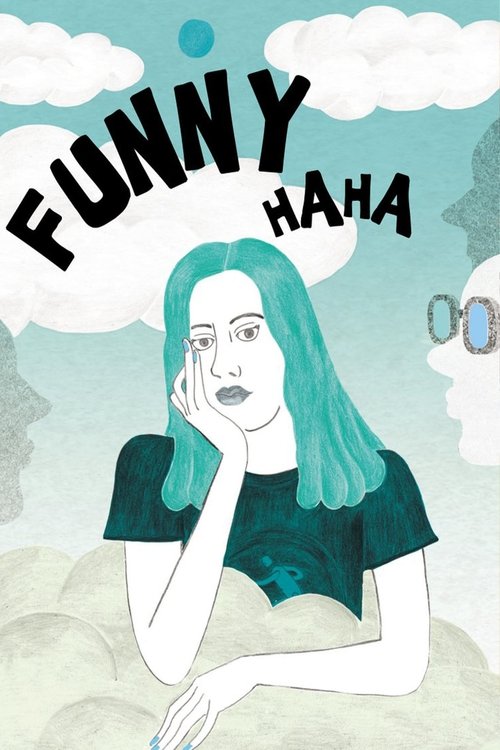
Funny Ha Ha2003
Andrew Bujalski's micro-budget debut about a post-college woman drifting through Brooklyn. It has the same affection for ordinary failure and the same ear for how people actually talk and contradict themselves.
But There's no plot. It's deliberately low-key and awkward. If you need something to happen, you'll be frustrated.
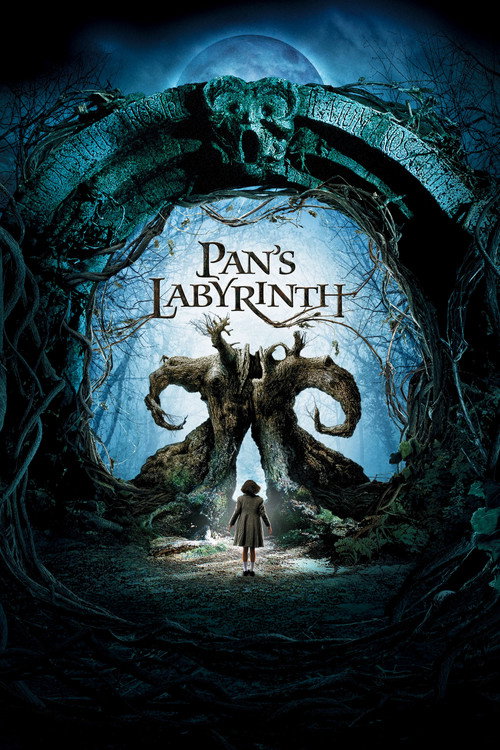
Pan's Labyrinth2006
Guillermo del Toro's fantasy-drama set during the Spanish Civil War. It's about how stories and mythology help us survive official history. Visually gorgeous and emotionally complex.
But It veers between fantasy and historical horror. Some viewers find the tonal shifts jarring. The violence against children may disturb you.
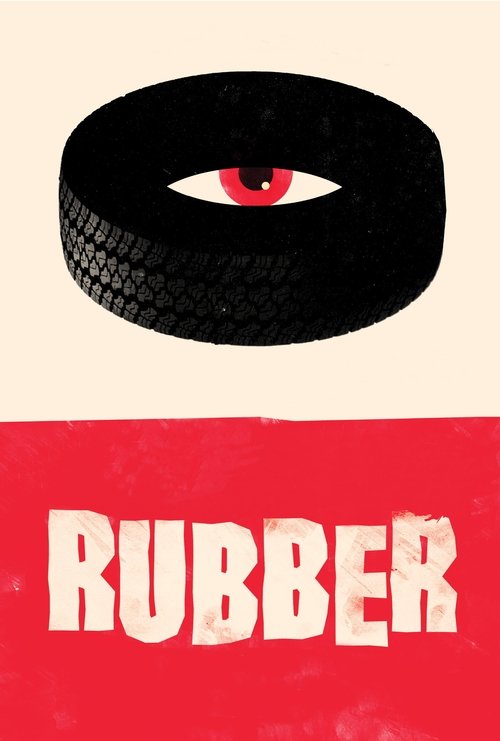
Rubber2010
A French absurdist film about a sentient tire that kills people. It's surreal, funny, and genuinely concerned with questions of audience, narrative, and what we choose to believe about what we're watching.
But It's aggressively weird and deliberately silly. If you don't engage with its formal games, it plays as pointless nonsense rather than clever commentary.
Tokyo Story1953
Both films are about aging men confronting what their lives have actually meant, and both use ensemble comedy to explore disappointment and the gap between aspiration and reality. Both are set in post-war societies trying to make sense of what happened.
Ozu's masterpiece about an elderly couple visiting their adult children after World War II. Understated, funny, deeply melancholy. It observes how people fail each other and themselves with infinite gentleness.
But It's Japanese 1950s cinema—slow, formally restrained, with no dramatic climax. Contemporary viewers often find it static. You must let it work on you rather than demand it entertain you.

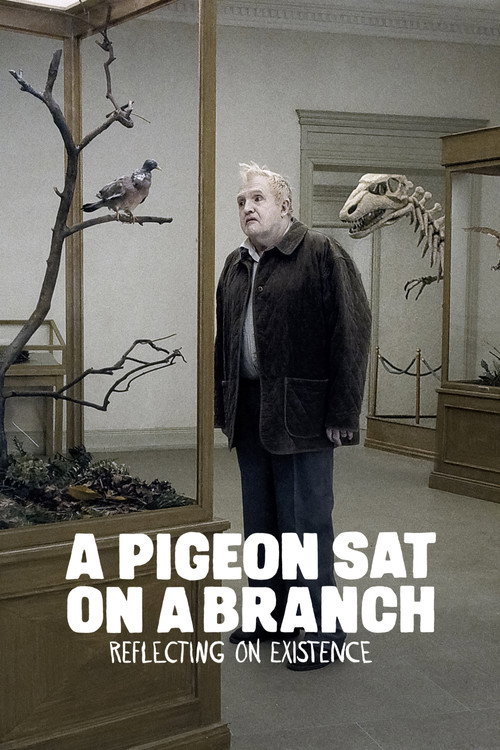
A Pigeon Sat on a Branch Reflecting on Existence2014
Both films use comedy about small-town or ordinary people to explore larger philosophical questions about meaning, history, and self-deception. Both trust the audience to find the melancholy underneath the laughs.
Roy Andersson's Swedish deadpan-absurdist film, shot in long static takes with moments of surreal horror and genuine pathos. It's about mortality, meaninglessness, and our elaborate pretenses. Hilarious and devastating in equal measure.
But The humor is extremely dry and alienating. Some viewers find it pretentious or simply depressing. There's no conventional plot or character arc.
People
Cast
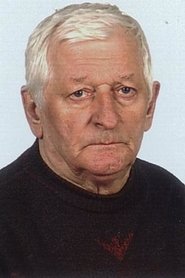 Mircea AndreescuEmanoil Piscoci
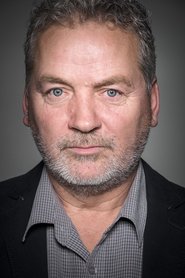 Teodor CorbanVirgil Jderescu
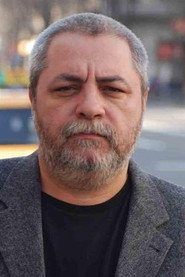 Ion SapdaruTiberiu Mănescu
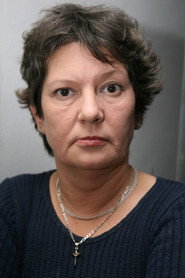 Mirela CioabăDoamna Mănescu
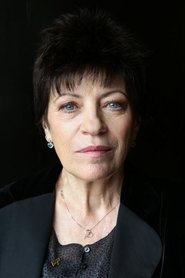 Luminița GheorghiuDoamna Jderescu
- Cristina CiofuVali
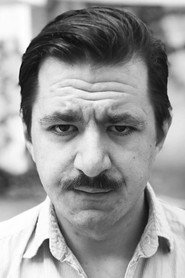 Lucian IftimeLică
- Petrică SapdaruPetrică
 Cătălin ParaschivBarman
 Constantin DiţăTibi
Directing
- Alexandru VitzentzatosAssistant Director
- Corneliu PorumboiuDirector
Writing
- Corneliu PorumboiuScreenplay
Production
- Daniel BurlacExecutive Producer
- Marcela UrsuLocation Manager
- Marcela UrsuPost Production Coordinator
- Corneliu PorumboiuProducer