
Film
Utøya: July 22
- Period drama
- Crime
- Survival adventure
- Very dark
A single-take thriller about a teenage girl searching for her sister during the 2011 Utøya shooting. The film unfolds in real time across the island, creating unbearable intimacy as private terror overtakes a summer camp. It's a formal experiment that serves the story: no cuts mean no escape, no reprieve. Brutal and essential.
Should you watch it?
Watch it if you want a harrowing, close-up immersion that stays with one frightened teenager, trusts the sound of gunfire over any explanation, and can sit with that discomfort without needing relief.
Skip it if you are still too close to 2011 to take that, or you need some breathing room; the film offers almost none, and its relentless closeness is deliberate.
What it asks of you: Ninety-two minutes of tightly held, claustrophobic attention that rarely pulls back to the wider picture, staying in the panic rather than stepping above it.
Not sure? Find tonight's pick in a minute.
If you liked this
Come and See1985
Elem Klimov's unflinching Soviet film follows a boy swept into WWII's horror. Like Utøya, it uses a child's perspective to render atrocity in devastating close-up, showing how innocence shatters irreversibly.
But It is relentlessly, punishingly dark. There are no moments of lightness or hope, which some find unwatchable rather than illuminating.

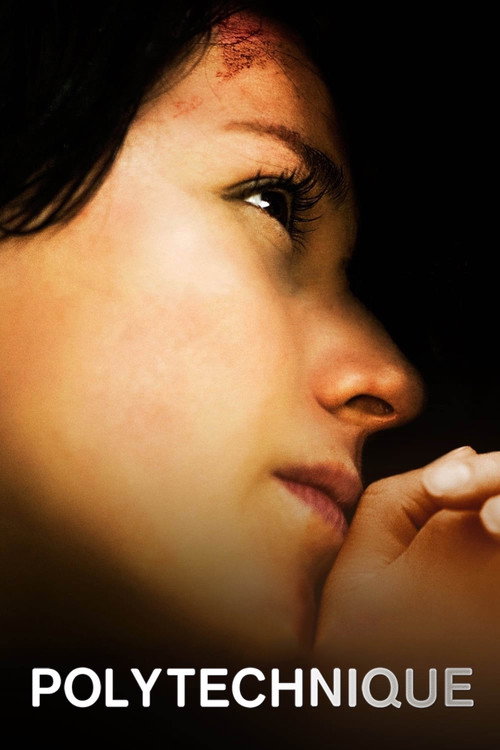
Polytechnique2009
Denis Villeneuve's film about the 1989 Montréal massacre uses fragmented narrative and handheld camera to convey trauma and aftermath. Both films treat real tragedy with formal innovation rather than exploitation.
But The non-linear structure can feel detached when you need to feel close. Some viewers find the technique gets in the way of emotional impact.
Under the Skin2014
Jonathan Glazel's sci-fi creates unbearable tension through stillness and silence. Like Utøya, it makes ordinary landscapes terrifying and traps you with a protagonist you can't fully know.
But Glacially paced and deliberately cryptic. If you need plot clarity or narrative momentum, this will frustrate you.

Not sure tonight? Get a pick in a minute, starting from Utøya: July 22
The wildcard
Something you would not have found on your own.
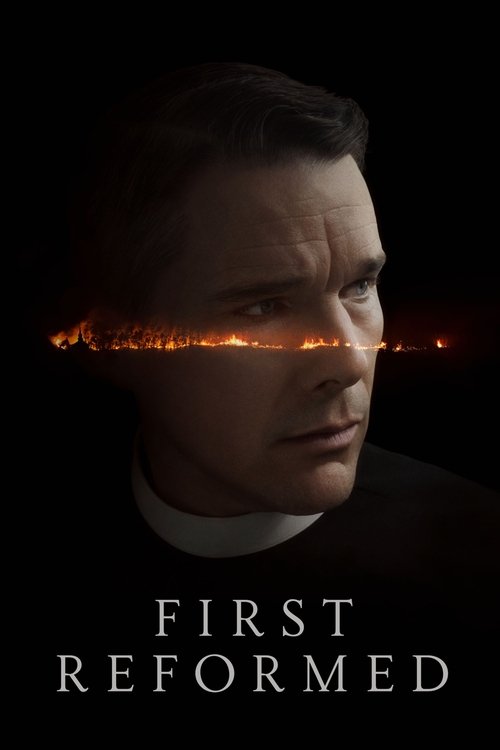
First Reformed2018
Both are 2018 films about the impossibility of innocent retreat. Utøya shows violence shattering safety; First Reformed asks whether safety was ever real.
Paul Schrader's theological drama about a pastor confronting systemic atrocity moves in the opposite direction: where Utøya is externally violent, this is internally apocalyptic. Both films grapple with how to live after witnessing or understanding structural evil.
But It's meditative and abstract where Utøya is concrete. If you're seeking the intensity of immediate threat, this will feel too intellectual.
More like this (7)
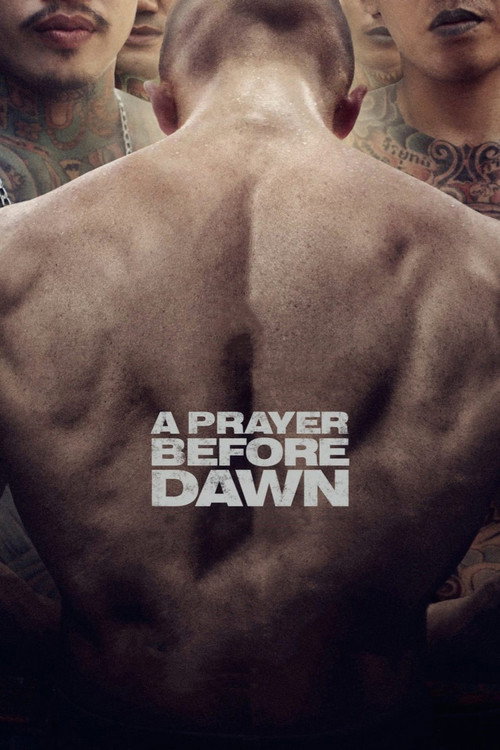
A Prayer Before Dawn2018
Joe Baekel's boxing film uses a single-location immersion to show survival and ordeal. The visceral, unbroken attention to physical suffering mirrors Utøya's refusal to look away.
But The repetitive violence can feel punishing. Some find the relentless intensity exhausting rather than cathartic.
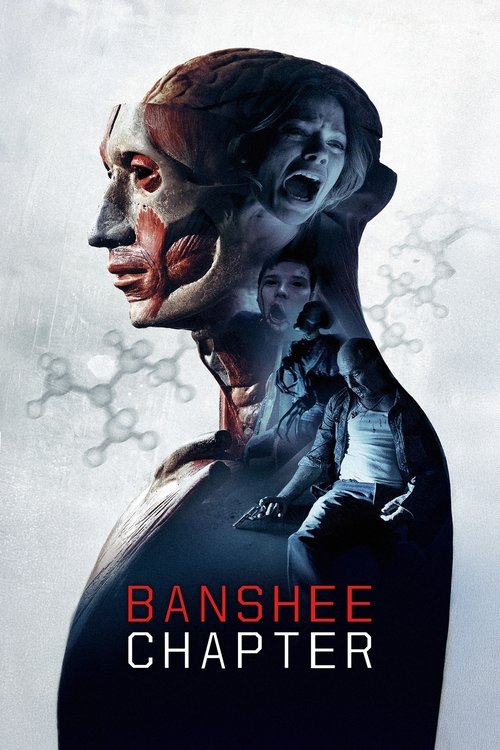
Banshee Chapter2013
Paco Plaza's found-footage horror traps you in escalating chaos with no safe perspective. The formal constraint—you can only see what the camera sees—creates Utøya's suffocating sense of enclosure.
But The shaky-cam aesthetic will make some viewers nauseous. It's also more horror-genre than Utøya, which may feel like a tonal mismatch.
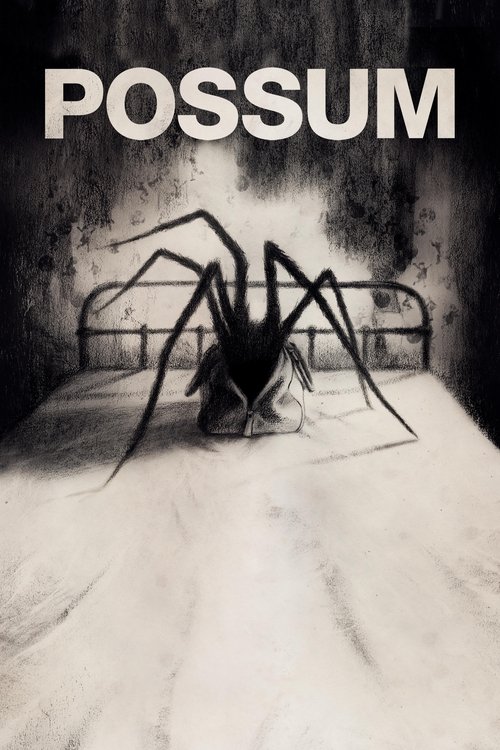
Possum2018
Matthew Holness's psychological thriller uses single-location tension and formal precision to explore dread. Both films prove that constraint—of space, of time—can amplify horror.
But Very slow, very bleak, and the payoff is ambiguous. If you need resolution or catharsis, you'll leave unsatisfied.
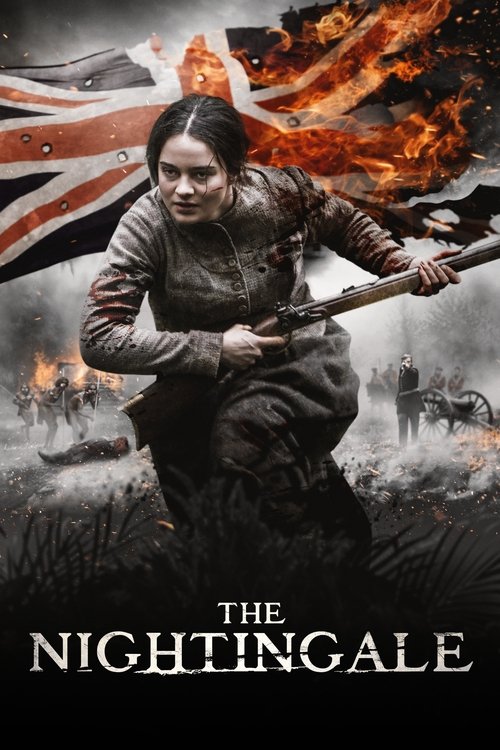
The Nightingale2018
Jennifer Kent's Australian Gothic follows a woman through brutal trauma across a colonial landscape. Like Utøya, it refuses to sentimentalize female victimhood while showing the cost of survival.
But Contains graphic violence against women. The brutality is central to the story, but it's genuinely difficult to sit with.
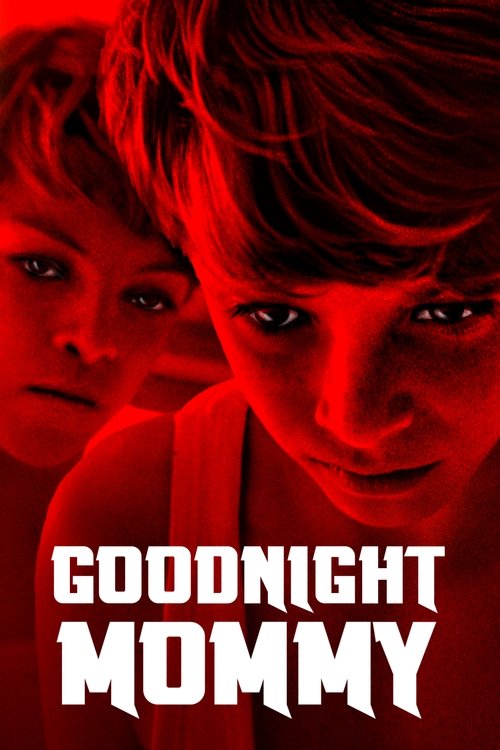
Goodnight Mommy2015
Severin Fiala and Veronika Franz's Austrian horror uses confined spaces and a child's unreliable perception to create dread. Both films weaponize what we don't fully understand.
But The twist undermines some viewers' emotional investment. The violence toward children is explicit and hard to defend after the reveal.
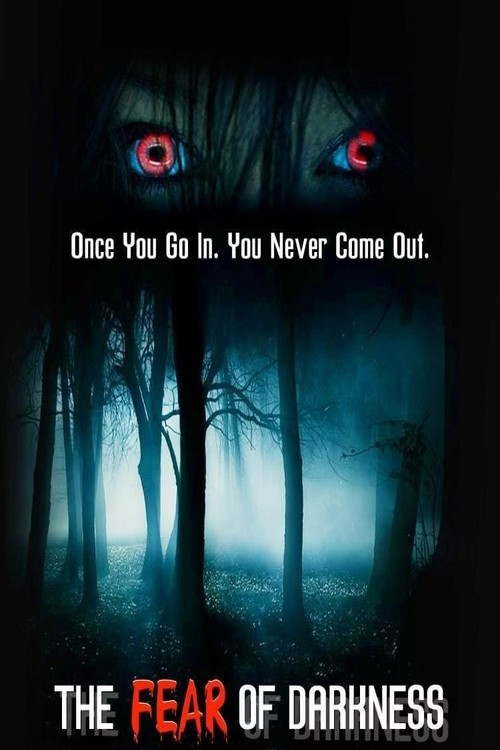
The Fear of Darkness
Fred M. Caruso's Brazilian psychological thriller traps its protagonist in escalating paranoia. Like Utøya, it uses formal constraints to make the audience complicit in confusion and terror.
But Largely obscure outside festival circuits. The ending is deliberately unsatisfying, which reads to some as pretentious rather than profound.
The Wailing2016
Both interrogate certainty. Utøya asks if you can survive the visible threat; The Wailing asks if you can ever truly know what threat you're facing.
Na Hong-jin's Korean mystery-horror sprawls across competing perspectives and interpretations. Where Utøya is hyper-focused and linear, this is labyrinthine and fragmented—yet both examine how communities fracture when trust collapses and evil becomes interpretable.
But At 2h 36m, it's dense and resistant to single viewings. The plot refuses to resolve clearly, which some find profound and others find infuriating.

People
Cast
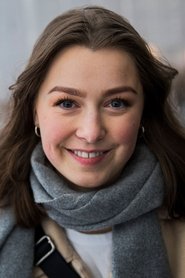 Andrea BerntzenKaja
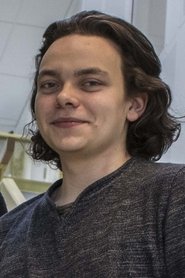 Aleksander HolmenMagnus
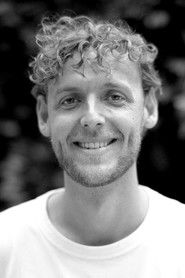 Brede FristadPetter

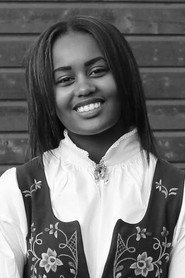
- Ingeborg EnesKristine
- Sorosh SadatIssa
 Ada EideCaroline
- Mariann GjerdsbakkSilje
- Daniel Sang TranEven
 Torkel D. SoldalHerman
- Magnus MoenTobias
Directing
- Erik PoppeDirector
Writing
- Erik PoppeIdea
- Anna Bache-WiigScreenplay
- Siv Rajendram EliassenScreenplay
- Finn GjerdrumScript Consultant
- Jan Trygve RøynelandScript Consultant
Production
- Mette Holme NielsenCasting Director
- Erik PoppeExecutive Producer
- Finn GjerdrumExecutive Producer
- Jan Petter DickmanExecutive Producer
- Stein B. KvaeExecutive Producer
- Roy AndersonLine Producer
- Linda Løvås AngyalPost Production Coordinator
- Finn GjerdrumProducer
- Stein B. KvaeProducer