
Film
Snap Judgment
A psychiatrist arrives at a military institute for psychologically damaged soldiers and spies to evaluate its patients and practices. What unfolds is a tense, paranoid puzzle where sanity itself becomes questionable—is the institution helping these broken operatives, or something far more sinister? A lean thriller that trusts you to stay sharp.
Should you watch it?
Watch it if you enjoy a sealed-off setting where questions about who is sane matter as much as who is holding the gun, and a high-concept premise does most of the heavy lifting.
Skip it if the premise leans on a shadowy institution and sedated soldiers, so if you want grounded realism or deep character work, this may feel thin.
What it asks of you: A slow, claustrophobic opening, mostly in corridors and interview rooms, with action arriving in short, sudden bursts that call for your full attention.
Not sure? Find tonight's pick in a minute.
If you liked this
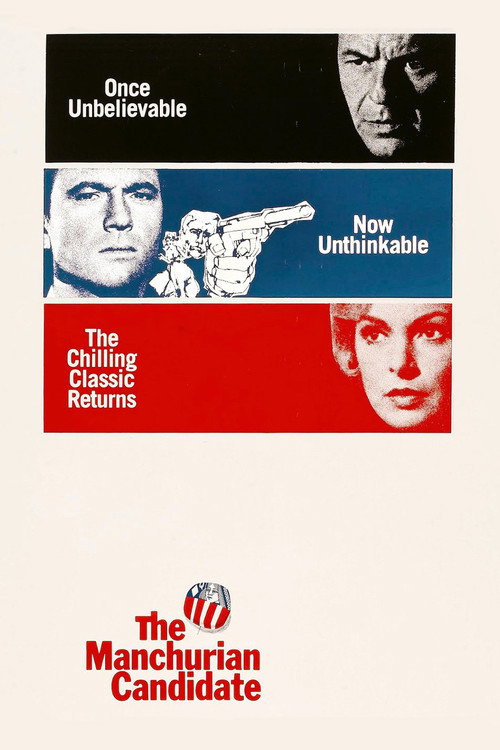
The Manchurian Candidate1962
A masterclass in paranoia and institutional corruption. Like Snap Judgment, it uses military psychology as a vehicle for examining what happens when institutions control minds. Beautifully shot, genuinely unsettling.
But The 1962 pacing demands patience. If you want constant action rather than creeping dread, this will feel slow.
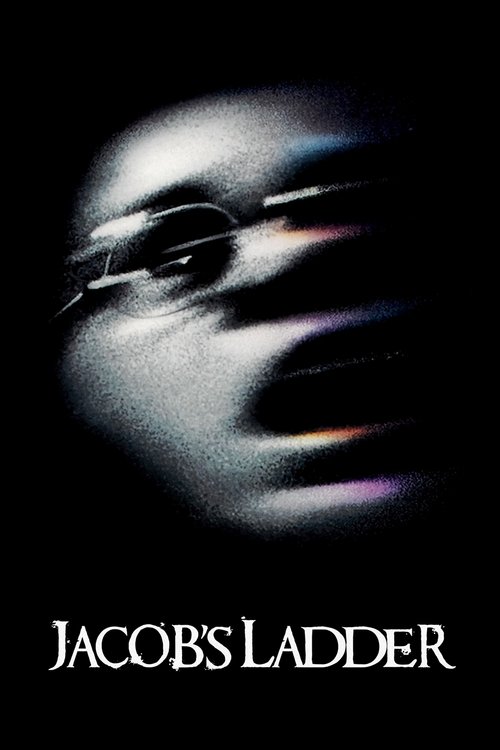
Jacob's Ladder1990
A haunted thriller about a vet's fractured grip on reality after military trauma. Both films understand that the most effective horror isn't monsters—it's the terror of not trusting your own mind, or the people meant to help.
But Relies on ambiguity that some find frustrating rather than clever. The ending won't give you easy answers.
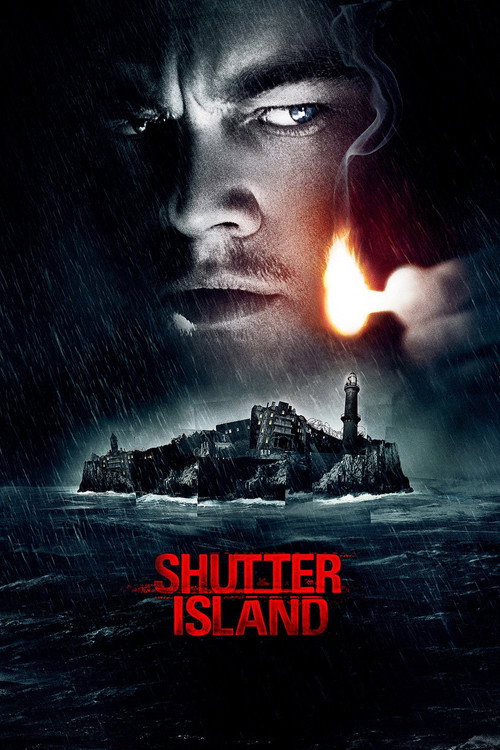
Shutter Island2010
A psychiatrist investigates a hospital for the criminally insane on an island. Shares Snap Judgment's institutional claustrophobia and unreliable reality, with the same locked-room mystery energy and questions about who's really in charge.
But The twist is famous enough that you might see it coming, which deflates some of its power.
Not sure tonight? Get a pick in a minute, starting from Snap Judgment
The wildcard
Something you would not have found on your own.
Stalker1979
Both examine how institutions isolate people and control information. Both suggest that the mystery is less important than what it reveals about who holds power and why.
Tarkovsky's 163-minute Soviet science-fiction meditation on desire and institutional authority. A guide leads two men through a forbidden zone toward a room that grants wishes. Shares Snap Judgment's interrogation of power structures and the question of what's real—but trades thriller mechanics for metaphysical dread.
But Nearly three hours of long takes and philosophical conversations. If you're expecting action, you'll feel like you're in the forbidden zone yourself, trapped and baffled.

More like this (8)
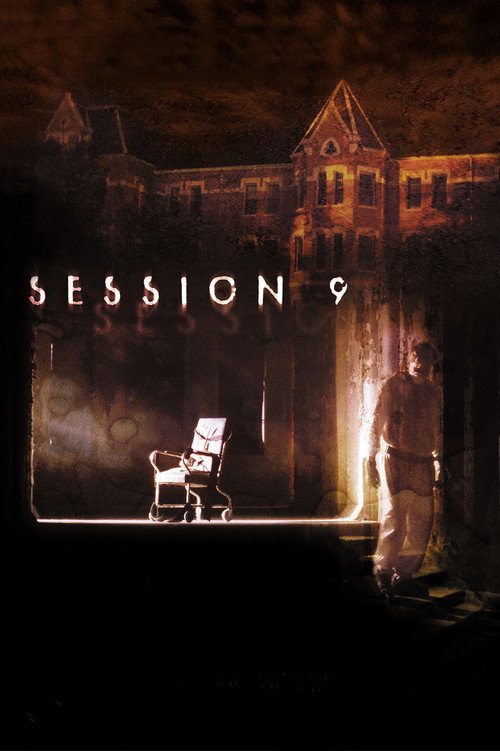
Session 92001
A small crew explores an abandoned psychiatric hospital. The setting becomes a character itself—paranoia seeps from the walls. Minimal budget, maximum atmosphere; proves you don't need explosions for genuine dread.
But Very slow-burn. Jump-scares are minimal. If you need constant stimulation, this will feel like watching paint peel.
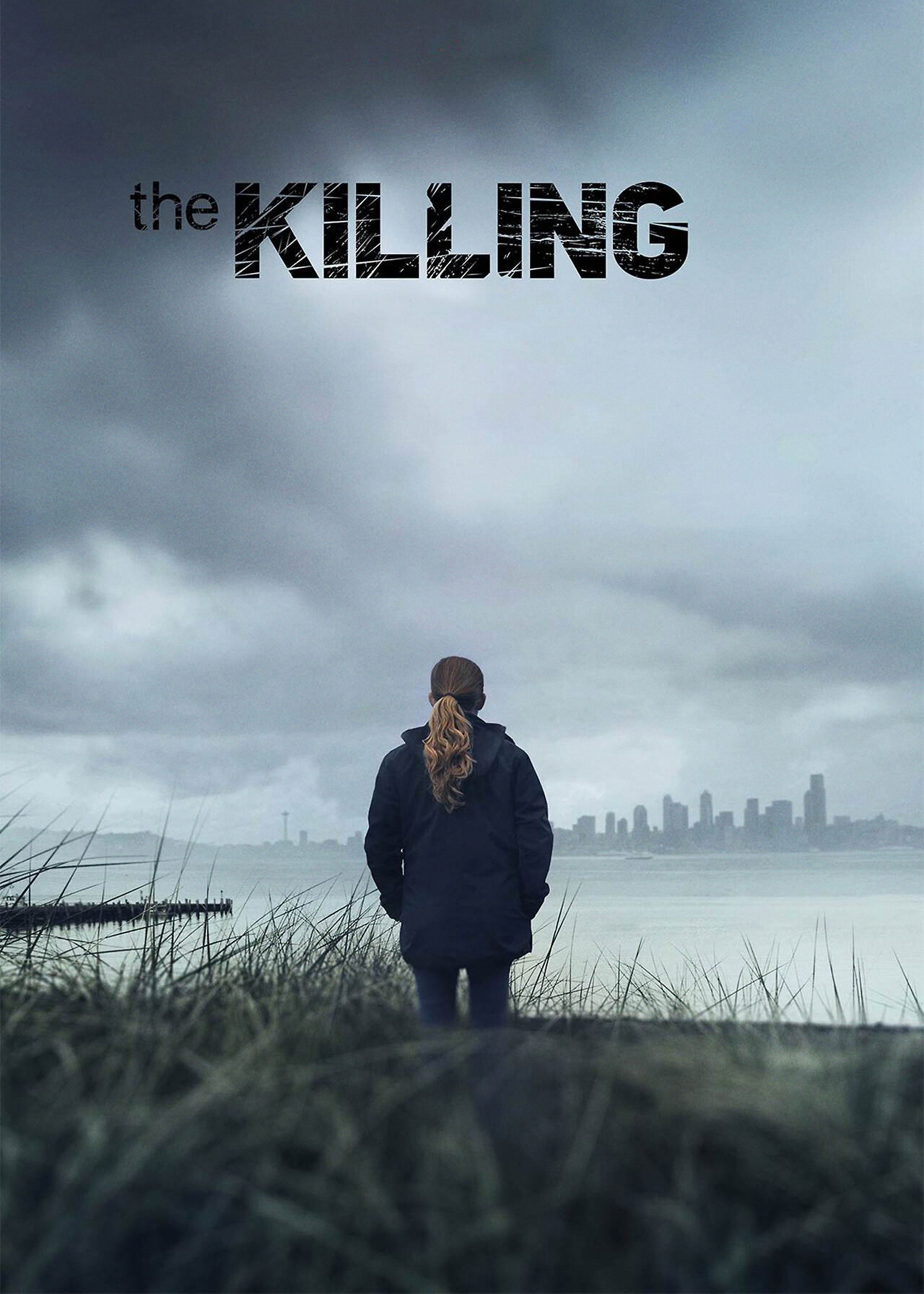
The Killing2011
A meticulous crime procedural where nothing is what it seems and every interview reveals new doubt. Shares Snap Judgment's interrogation-room psychology and the exhausting work of determining truth from lies.
But Deliberately grim and glacially paced across 20 episodes. The Danish bleakness is unrelenting; some find it punishing rather than gripping.
Mulholland Drive2001
Lynch's masterpiece about identity fracture and institutional Hollywood cruelty. Like Snap Judgment, it's a puzzle box where you can't trust the surface; reality shifts between scenes in ways that are maddening and brilliant.
But Three hours of cryptic filmmaking that may or may not have a coherent answer. Some love the ambiguity; others feel cheated.

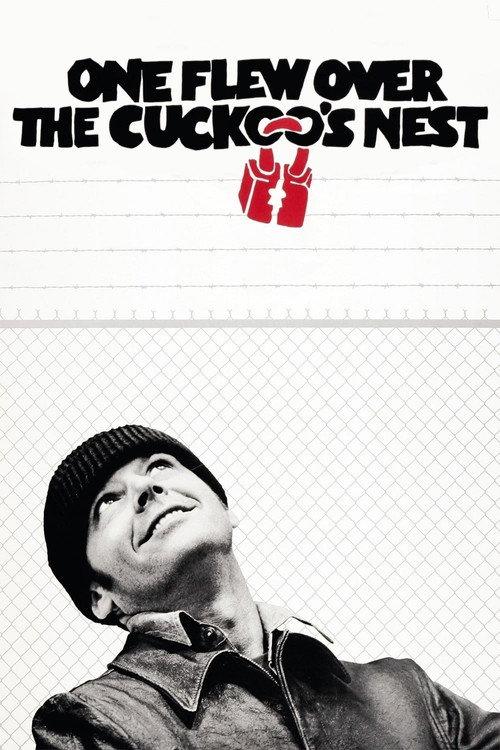
One Flew Over the Cuckoo's Nest1975
The original institutional thriller. A man fakes insanity to escape prison and lands in a psychiatric ward run by an iron-willed nurse. The question of who's actually mad never quite gets answered—like Snap Judgment, it's about power and control wearing the mask of care.
But Feels dated in some ways now, and its view of mental illness is more dated still. The dated feel can distance you from the tension.
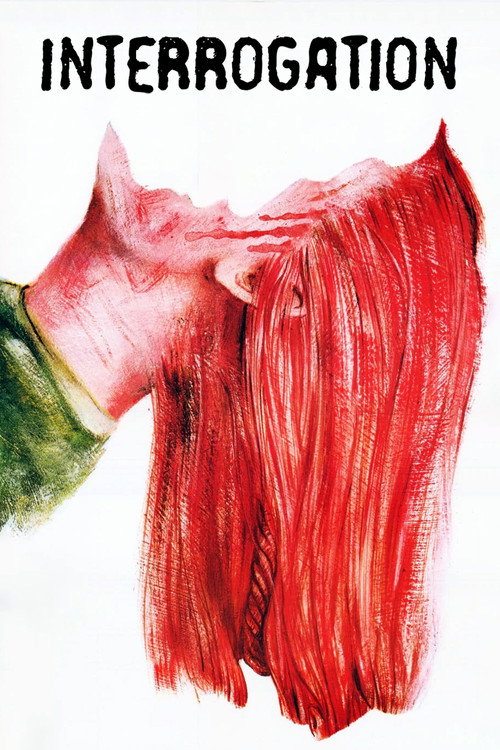
Interrogation1989
A Polish miniseries that's almost entirely one man being questioned by state security. Hypnotic interrogation-room chess. Nothing but dialogue and psychology, which makes it either riveting or tedious depending on your mood.
But Subtitled, slow, and claustrophobic to the point of suffocation. If you want visual variety, this offers almost none.
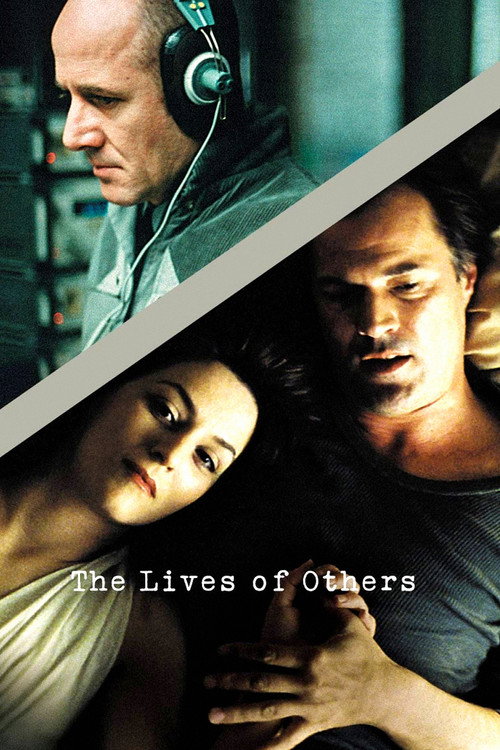
The Lives of Others2006
A Stasi agent surveils a playwright and slowly loses faith in the system he serves. Institutional control, moral fracture, the gap between what you're told and what's real. A little more hopeful than Snap Judgment, but asking the same questions.
But Cold and distant. The emotional payoff is subtle and earned rather than cathartic; you have to want that kind of ending.
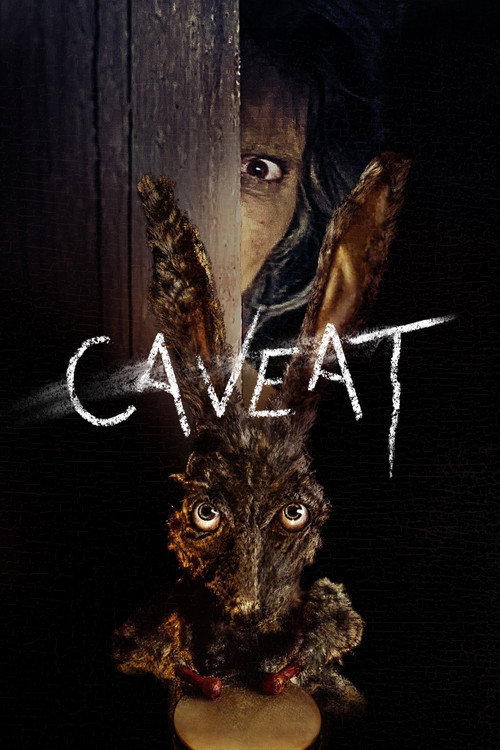
Caveat2021
Both use a confined setting and an outsider protagonist to explore whether institutions are protective or predatory. Both trust ambiguity over explanation.
An Irish folk-horror film about a man with fragmented memory exploring an island for a mysterious patron. Made on a tiny budget, it's architecturally similar to Snap Judgment—unreliable perspective, institutional mystery, the sense of being trapped—but arrives via nightmare logic and pagan dread instead of spy-craft.
But Genuinely hard to parse. Some will find it visionary; others will find it impenetrably weird. The low budget shows in ways that either enhance or hinder depending on your patience.
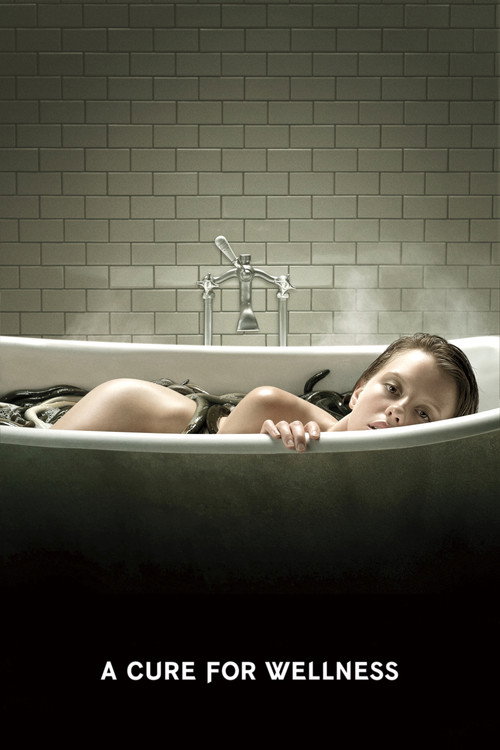
A Cure for Wellness2017
Both structurally hinge on an outsider trying to determine if an institution is legitimate or sinister. Both suggest that the answer may be yes to both.
A corporate investigator checks into a Swiss wellness facility to retrieve a missing executive. Gorgeously shot, deeply paranoid thriller that builds institutional unease through architecture and ritual. Like Snap Judgment, it's about a system that looks like it's helping but feels designed to trap.
But Two and a half hours with an abundance of style but uneven plotting. Some moments veer toward gothic absurdity that breaks the tension rather than deepens it.
People
Directing
- Trevor EricksonDirector
Writing
- Nick SmithWriter