
Film
Interrogation
A Polish cabaret singer vanishes into Stalinist prison for no crime, enduring years of interrogation and torture. Agnieszka Holland's 1989 film is intimate and unbearably tense, centred on one woman's refusal to break. It's about the machinery of totalitarianism—how it grinds, how it corrupts even those running it. Essential for anyone wanting to understand what resistance actually costs.
If you liked this
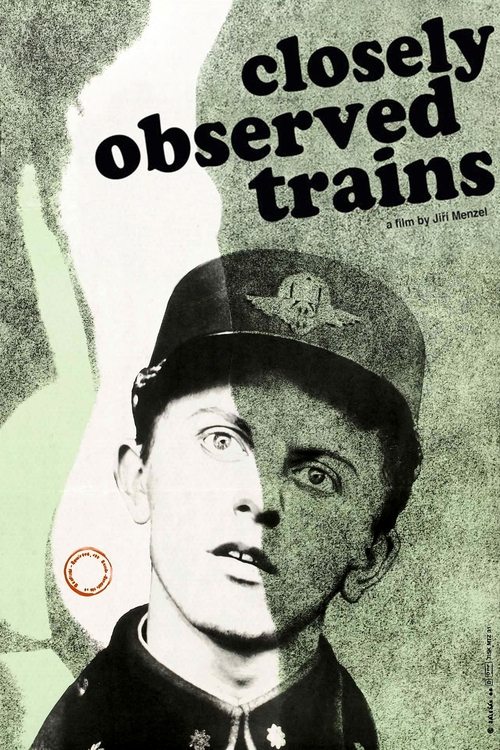
Closely Watched Trains1966
A young railroad worker navigates desire, duty and danger under Nazi occupation. Jiří Menzel's film is tender and funny and tragic in ways that feel earned. The occupied body—physical and moral—gets explored with extraordinary grace.
But It's Czech, subtitled, and the humour is gentle rather than broad. If you need plot momentum over atmosphere and character, you might drift.
Come and See1985
A Soviet boy becomes a soldier. Elem Klimov made perhaps cinema's most harrowing anti-war film: a descent into hell that doesn't look away. It's upsetting by design, not accident. If you want to understand what war actually does, this is it.
But It's brutal, graphic, and emotionally annihilating. Not a film you 'enjoy.' Not one you'll easily forget, either. Heavy doesn't cover it.

The Lives of Others2006
A Stasi agent in East Berlin is assigned to spy on a playwright. Florian Henckel von Donnersmarck's film is a masterclass in paranoia, moral drift, and small acts of resistance. The surveillance state rendered as intimate character study. Magnificent.
But By the standards of real Stalinist brutality, it's almost civilised. If you want visceral horror over psychological tension, this might feel too controlled.

Not sure tonight? Get a pick in a minute, starting from Interrogation
The wildcard
Something you would not have found on your own.
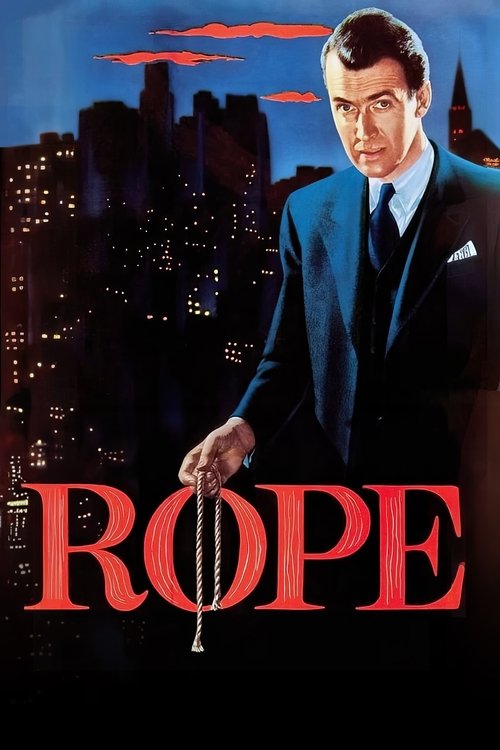
Rope1948
Both trap characters in spaces where every gesture is monitored, where the performance of innocence becomes indistinguishable from actual innocence. Interrogation and observation as a form of violence.
Alfred Hitchcock filmed a murder and its aftermath in real time, in one apartment, in a single take (apparently). It's a chamber piece about guilt, performance, and the gap between how we appear and what we've done. Like *Interrogation*, it's about people in a confined space being watched and watching each other.
But Hitchcock's technical constraints occasionally show. The colour process is dated. Some find the confined setting claustrophobic in a tedious rather than terrifying way. It's also very American—no totalitarian machinery, just private evil.
More like this (8)
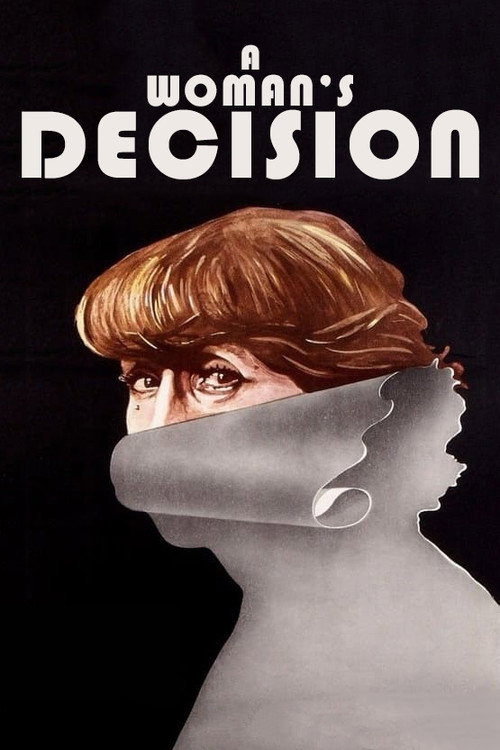
A Woman's Decision1975
Krystyna Janda stars (she's excellent everywhere) in this Andrzej Żuławski film about impossible choices under pressure. Polish cinema in this era had a gift for exploring how power corrupts the intimate. Taut, intelligent, morally complicated.
But Żuławski's style is mannered and occasionally baroque. If you want naturalism, his aesthetic might feel arch. The politics demand some historical literacy too.
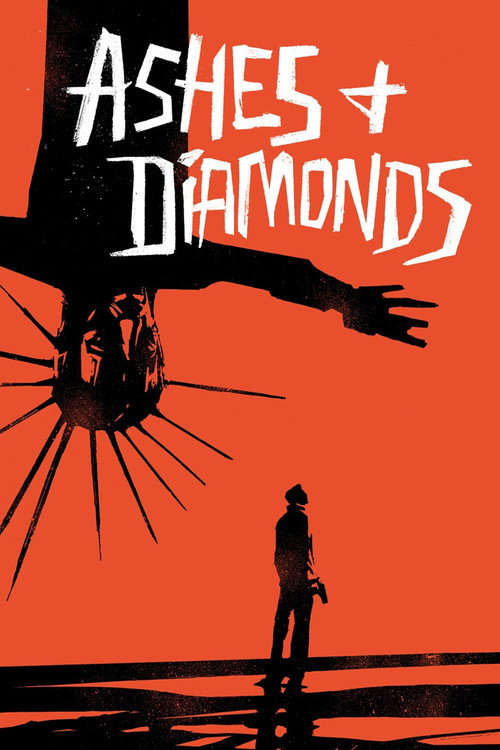
Ashes and Diamonds1958
Andrzej Wajda's masterpiece about Polish resistance fighters in the final days of WWII. Visually stunning, philosophically restless. It asks hard questions about violence, idealism, and what you're actually fighting for. Essential Polish cinema.
But It's from 1958 and looks it—deliberately stylised in ways modern audiences sometimes find distant. The pace is meditative rather than propulsive.
The Conformist1971
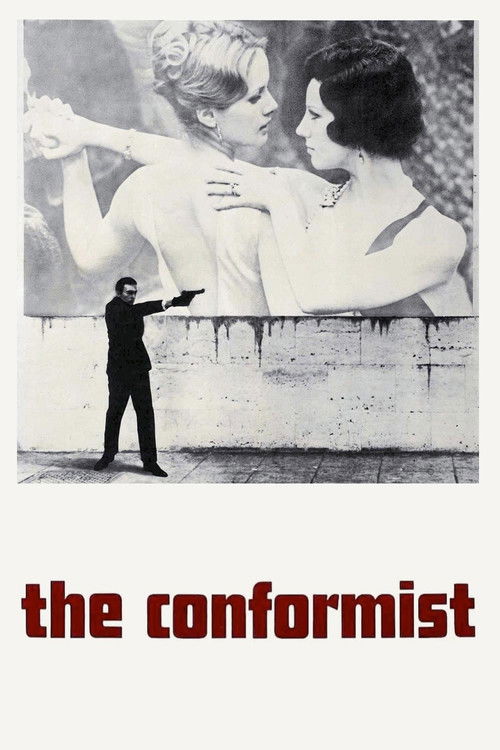
Bernardo Bertolucci's film about a man who joins the Italian fascist secret police. It's a portrait of moral collapse rendered in stunning compositions. The collaboration between individual weakness and state machinery has rarely been filmed so beautifully or so coldly.
But It's more visual poem than conventional narrative. The plot is secondary to mood and design. If you need clear dramatic beats, you'll be frustrated.
Under the Skin2014
Jonathan Glazer's sci-fi film about an alien predator moving through Scotland. Strange to recommend next to *Interrogation*, but both are about the gap between interior and exterior self, observation and compliance. Hypnotic and unsettling in subtle ways.
But Very slow. Minimal plot or dialogue. Some people find it pretentious rather than profound. It demands patience and rewards it selectively.

The Battle of Algiers1966
Gillo Pontecorvo's docudrama about the Algerian independence struggle against French occupation. Shot like a newsreel, tense as a thriller. It's about resistance, urban warfare, and the methods people use when the state has all the official power.
But It's explicitly political in ways that can feel didactic. The French occupation and torture are real; if that's too immediate or raw, the film won't distance you from it.

Stalker1979
Andrei Tarkovsky's philosophical science fiction about a man guiding two strangers into a mysterious zone. Oblique and meditative, it's about desire, meaning, and how systems control us. Tarkovsky sees totalitarianism in everything.
But Nearly three hours of slow camera movement and philosophical dialogue. If you want plot or conventional drama, this will test your patience severely. Some find it transcendent; others, glacial.

The Ladykillers1955
In both, characters are forced to maintain performances they can't sustain. The difference is tone—one is tragic, one comic—but the psychological engine is identical. How do you keep pretending when you're exhausted?
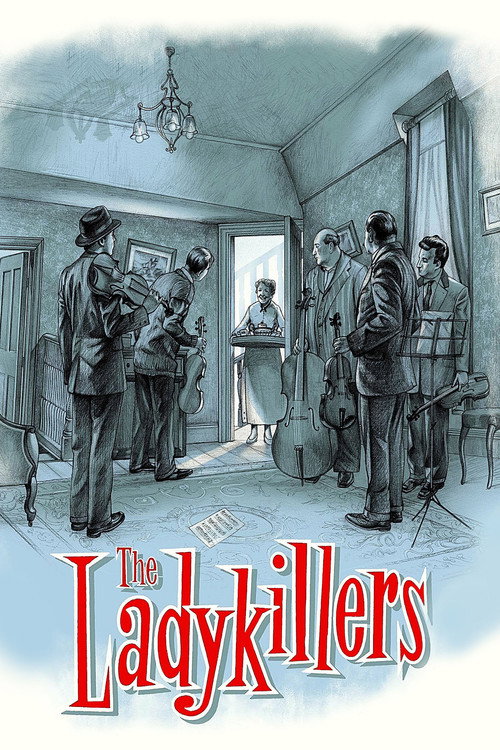
The Ealing Studios dark comedy about criminals posing as musicians to rob a bank. Seems nothing like *Interrogation* until you realise both are about role-play, performance under pressure, and how people maintain facades. It's funny—genuinely, laugh-out-loud funny—and oddly wise about compartmentalisation.
But It's a 1950s British comedy, which means it's mannered, slow, and very quaint by modern standards. The humour is built on politeness and understatement. If you need things loud or obvious, you'll miss it.
The Piano Teacher2001
Both examine how authority corrupts relationships. The interrogator and interrogated, the teacher and student—power asymmetries that can turn intimate and predatory. Both refuse to look away from the damage.
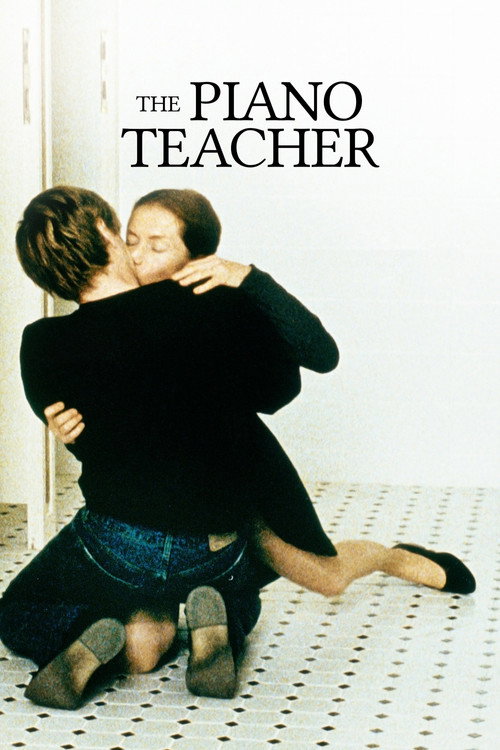
Michael Haneke's film about a classical pianist and her student, and the violence—sexual, psychological, emotional—that erupts between them. Difficult and brilliant. Like *Interrogation*, it's about bodies under duress, consent and its violations, the machinery of power in intimate spaces. Austrian cinema at its most unsparing.
But It's graphic and upsetting in ways that don't feel cathartic. Haneke doesn't offer easy moral positions. Some will find it exploitative; others, necessary. It requires real emotional fortitude.
People
Cast
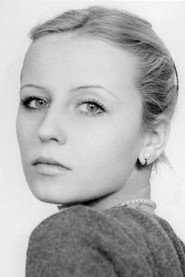 Krystyna JandaAntonina Dziwisz
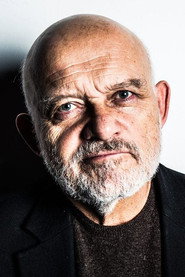 Adam FerencyLieutenant Morawski
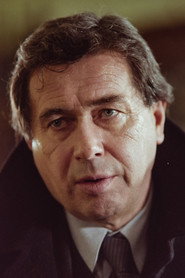 Janusz GajosMajor Zawada "Kąpielowy"
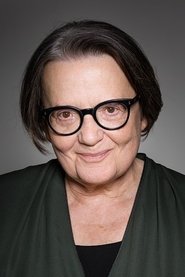 Agnieszka HollandCommunist Witkowska
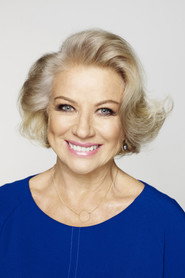 Bożena DykielHonorata
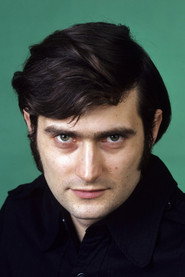 Olgierd ŁukaszewiczKonstanty Dziwisz
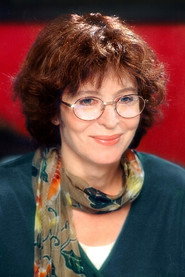 Anna RomantowskaMira Szajnert
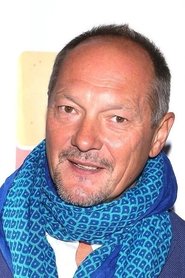 Tomasz DedekUB Officer
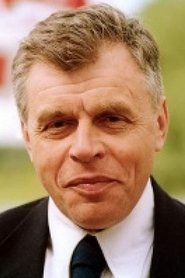 Jan JurewiczGuard
 Jarosław KopaczewskiUB Officer
- Zofia BaluckaCell-mate
 Arkadiusz BazakOfficer at Name-Day Party
Directing
- Ryszard BugajskiDirector
Writing
- Janusz DymekScreenplay
- Ryszard BugajskiScreenplay
Production
- Andrzej WajdaExecutive Producer
- Andrzej WajdaProducer
- Tadeusz DrewnoProducer