
Film
C.S.A.: The Confederate States of America
- Mockumentary
- Dystopian sci-fi
- Strange
A mockumentary from 2005 imagining a present day where the Confederacy won the Civil War. Presented as a dry British documentary, it's a deliberately provocative satire that uses absurdist humor and fake commercials to examine how alternate history might have normalized atrocity. Sharp and uncomfortable in equal measure—designed to make you think, not feel good.
Should you watch it?
Watch it if you enjoy mockumentary satire that uses a fake-historical framing to poke at America's relationship with slavery and race, and you don't mind the jokes being uncomfortable.
Skip it if you want a tidy comedy with steady laughs; this one is a pointed, talky, lecture-style piece whose bite and bleakness can outweigh the humor for long stretches.
What it asks of you: Under ninety minutes, it's a patient stack of mock-archival clips and talking heads, so you need to stay alert to the details rather than sit back and be carried along.
Not sure? Find tonight's pick in a minute.
If you liked this
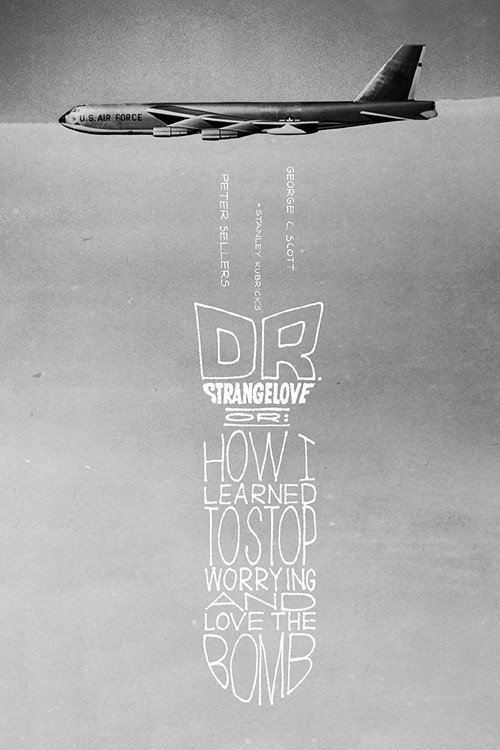
Dr. Strangelove or: How I Learned to Stop Worrying and Love the Bomb1964
Kubrick's masterpiece uses dark comedy and formal constraint to examine how institutions normalize catastrophe. Like C.S.A., it finds horror in bureaucratic calm and makes the unbearable funny.
But The satirical register can feel distant. If you need emotional connection to care about stakes, this cold brilliance might frustrate you.
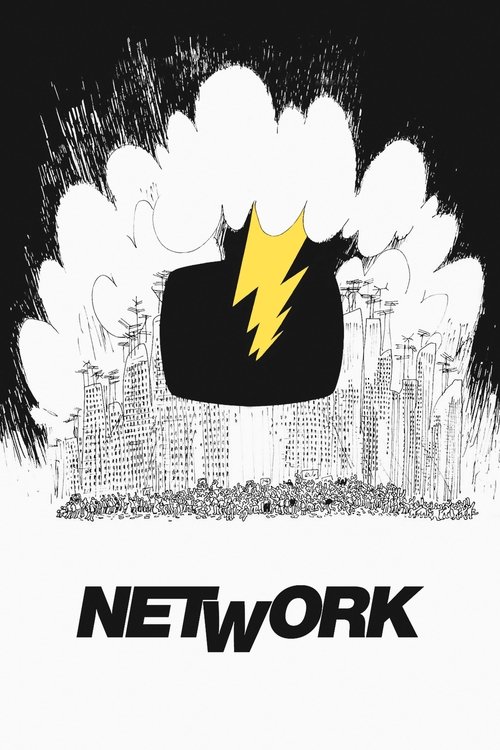
Network1976
Savage satire of American institutions using escalating absurdism and fake-documentary style segments. It builds a world where the grotesque becomes everyday—the same DNA as C.S.A.'s approach.
But It's a 1970s polemic that can feel dated. The anger sometimes overwhelms the craft, and some setups don't quite land now.
Nightcrawler2014
A film about how American systems incentivize and normalize horror. It shares C.S.A.'s fascination with how institutions make the unthinkable routine, but through psychological realism rather than satire.
But It's bleaker and more despairing—there's no cathartic laugh. If you wanted comedy, this is a very different beast.

Not sure tonight? Get a pick in a minute, starting from C.S.A.: The Confederate States of America
The wildcard
Something you would not have found on your own.
Come and See1985
Both grapple with how societies rationalize atrocity, but C.S.A. uses comedy as distance while Come and See obliterates it. One asks 'how?', the other shows 'why we shouldn't'.
A Soviet film about the Nazi invasion that shows war's atrocity without humor, myth, or comfort. The wildcard connection: C.S.A. asks what happens when horror becomes normalized. Come and See shows what that horror actually does to a human being—the answer to the satire's implied question.
But It is unbearably difficult. Not provocative—genuinely traumatic. You cannot laugh at it or distance yourself. Only watch if you're prepared to sit with real suffering.

More like this (7)
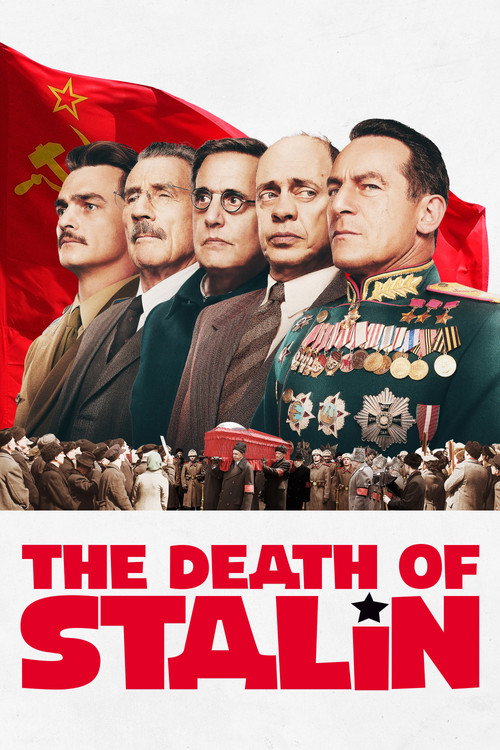
The Death of Stalin2017
A mockumentary-adjacent satire of totalitarianism that uses deadpan British comedy to examine institutional evil. Similar formal playfulness and dark political edge, but with more warmth.
But The humor is more subtle and less confrontational. It won't provoke you the way C.S.A. does—it's gentler.
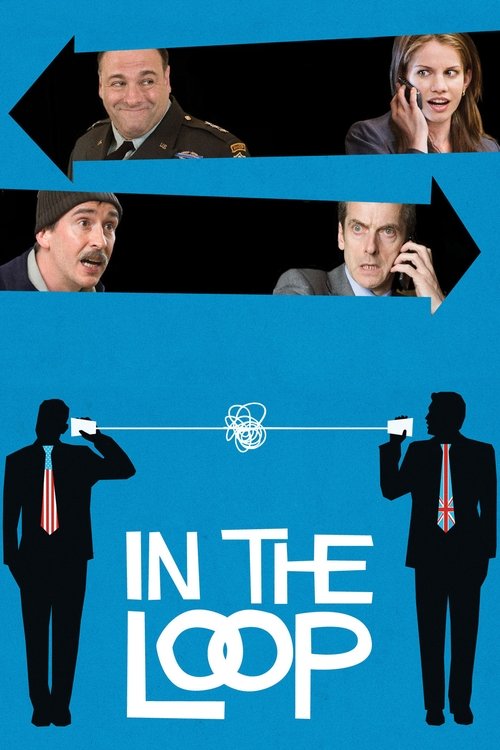
In the Loop2009
Acid political satire about how institutions create catastrophe through language and bureaucracy. Uses foul-mouthed comedy to examine how the grotesque becomes policy.
But It's very dialogue-heavy and specifically British in its sensibility. If the verbal sparring doesn't grab you immediately, it's exhausting.
The Thick of It2005
A TV series that weaponizes mockumentary technique against political machinery. Shares C.S.A.'s interest in how systems make the unthinkable normal, with relentless comedic precision.
But It's four seasons of escalating chaos and cruelty. The repetition of brutality can feel numbing rather than satirical.

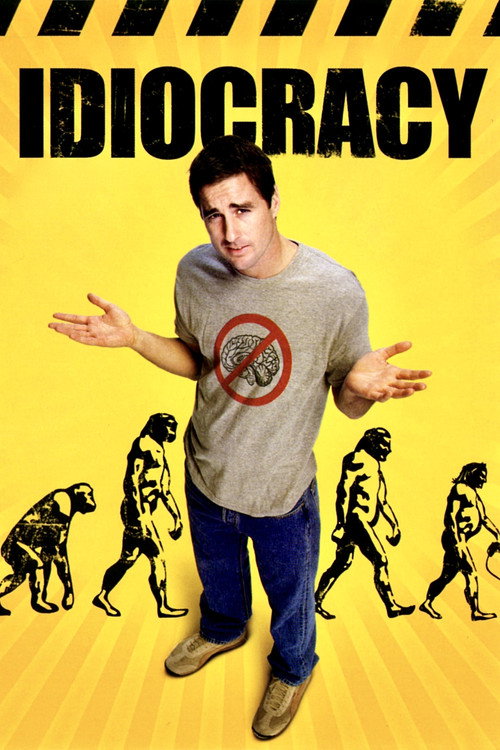
Idiocracy2006
A satire about normalized stupidity and institutional decay told as an alternate-history comedy. Like C.S.A., it imagines a plausible dystopia and finds dark comedy in how easily we get there.
But The satire is broad and obvious. The premise sometimes overwhelms the actual filmmaking, and it hasn't aged gracefully.
The Wave2008
A German film about how easily ordinary people normalize authoritarianism. Uses dramatic tension rather than comedy, but shares C.S.A.'s core question: how does horror become routine?
But It's a straightforward drama, not satire. If you came for the absurdist comedy, this serious approach might feel like a lecture.

Wag the Dog1997
A political satire about how institutions manufacture reality. It has the fake-documentary DNA and the interest in how the system makes the impossible seem inevitable.
But It's now nearly 30 years old and predates its own plot points. The satirical targets have become the actual news, which flattens the wit.

American History X1998
C.S.A. examines institutional evil; American History X examines how individuals are corrupted into it. Same question from different angles—one cerebral, one visceral.
A film about radicalization and the seduction of hate ideology. C.S.A. asks 'what if hatred became law?'—American History X asks 'how do good people become hateful?' It's the character study to C.S.A.'s systems analysis, and it's genuinely powerful.
But It's aggressively sincere and occasionally exploitative. The tonal shifts are abrupt. After satire, this melodrama can feel heavy-handed or manipulative.

People
Cast
- Greg KirschConfederate Family Dad
- Rupert PateSherman Hoyle
- Ryan L. CarrollBobby
- Brian PauletteJefferson Davis
- Larry PetersonJohn Ambrose Fauntroy V
- Evamarii JohnsonPatricia Johnson
- Greg HurdMr. Johnson
- Kevin McKinneyBlackface Abraham Lincoln
- Will AverillBlackface Harriet Tubman
 Kelly MengelkochCartwright Nurse
- Matthew SimonCartwright Doctor
- Robert SokolRuben Weinstein
Directing
- Kevin WillmottDirector
Writing
- Kevin WillmottWriter
Production
- Andrew HerwitzExecutive Producer
- Marvin VothExecutive Producer
- Rick CowanProducer