
Film
Voices from the List
A 77-minute documentary built from survivor testimonies in the USC Shoah Foundation's archive, focusing on the Jews saved by Oskar Schindler during the Holocaust. It moves beyond the famous film to let the actual people speak—their voices, their memories, their lives after. Intimate and essential.
Should you watch it?
Watch it if you already know the feature and want the real faces behind its characters, hearing survivors recount in their own voices what the film could only dramatise.
Skip it if you need a fully dramatic story, since this is testimony and archive footage with a host's commentary, and it leans on Schindler's List.
What it asks of you: About seventy-seven minutes of survivors speaking on camera and old footage, unhurried and heavy, with little lightness to lean on, and it rewards steady, quiet attention.
Not sure? Find tonight's pick in a minute.
If you liked this
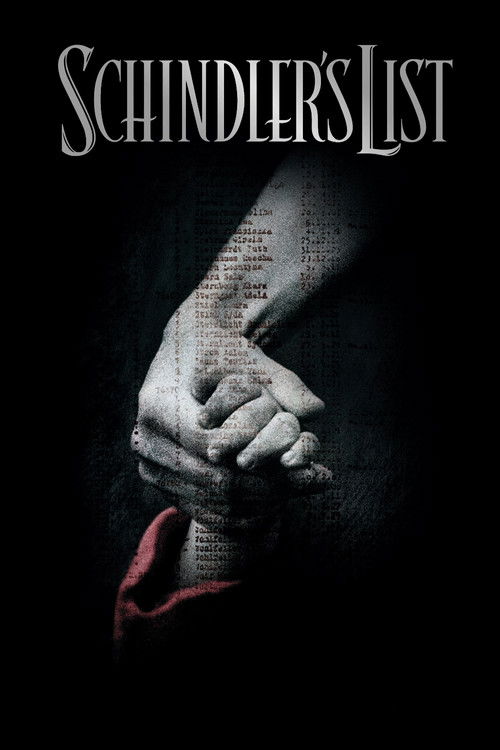
Schindler's List1993
The narrative foundation that gives context to these voices. Spielberg's film is monumental cinema about moral courage in the face of industrial murder. See this first if you haven't.
But Three and a half hours, and the subject matter demands the full weight of your attention. Not background viewing.
The Last Days of Disco1998
Another documentary from the same USC Shoah Foundation archive, following five Hungarian survivors. Same approach—let survivors tell their own story—with the depth that only firsthand accounts can provide.
But You need patience with oral history. If you want plot momentum over testimony, this will feel slow.
Survivors2008
A multi-part series featuring extended interviews with Holocaust survivors from across Europe. The format gives breathing room for complex stories that a 77-minute film cannot accommodate.
But It requires real time investment. Each episode is long and deliberately paced. Not for passive viewing.
Not sure tonight? Get a pick in a minute, starting from Voices from the List
The wildcard
Something you would not have found on your own.
Shoah1985
Both use survivor testimony as their core material, but Lanzmann strips away all context except voice and presence. Where Voices from the List adds archival texture, Shoah removes everything but the living word. They're opposing solutions to the same question: how do you bear witness?
Claude Lanzmann's nine-hour documentary refuses archival footage entirely—only interviews with survivors and perpetrators, shot in contemporary locations. It's a radically different formal approach that insists presence and testimony matter more than imagery. Changed documentary forever.
But Nine hours. The pacing is deliberately slow, the method is repetitive and circular. It demands a kind of faith from the viewer that not everyone can or wants to give.

More like this (6)
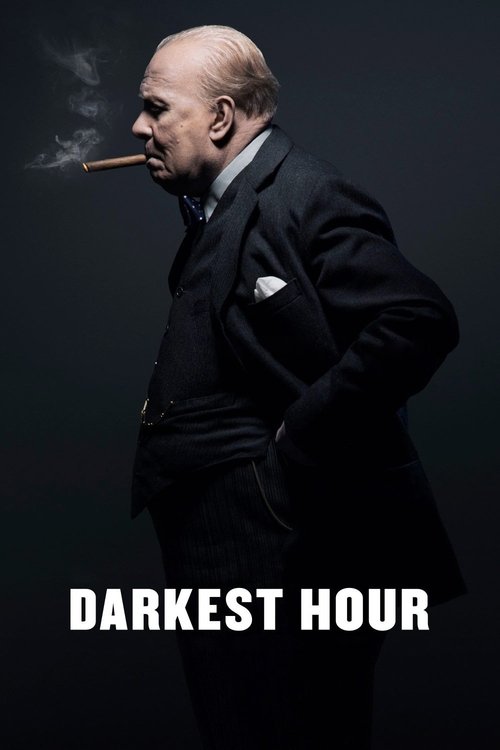
Darkest Hour2017
Not about the Holocaust, but about moral decision-making under fascism. Churchill wrestling with conscience while Europe burns. The register is different but the question—what do we owe each other?—is the same.
But A period drama, not a documentary. Some find the theatrical approach to history mannered or reductive.
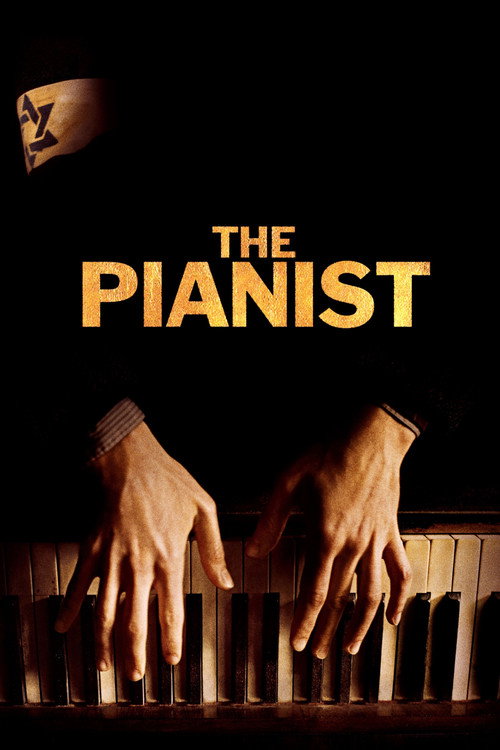
The Pianist2002
Polanski's account of a Polish-Jewish musician's survival is unflinching and precise. The hand of a major director applied to testimony, showing what cinema can do that oral history cannot.
But The violence is explicit. It does not soften or aestheticize the degradation, which means it can be very difficult to sit with.
Night and Fog1956
Alain Resnais's 32-minute essay on Auschwitz using archival footage and photography. A foundational work that established how documentary can honor memory without exploiting it.
But Made in 1955, it has the formal distance of that era. Some find its restraint harder to connect with than contemporary documentary.

Come and See1985
A Soviet film about a boy conscripted into WWII. Not Holocaust documentation, but the closest cinema gets to rendering the psychological devastation of industrial war. Brutal, necessary.
But This is not entertainment. It is bleak and punishing by design. Many find it almost unwatchable, and that might be the point.

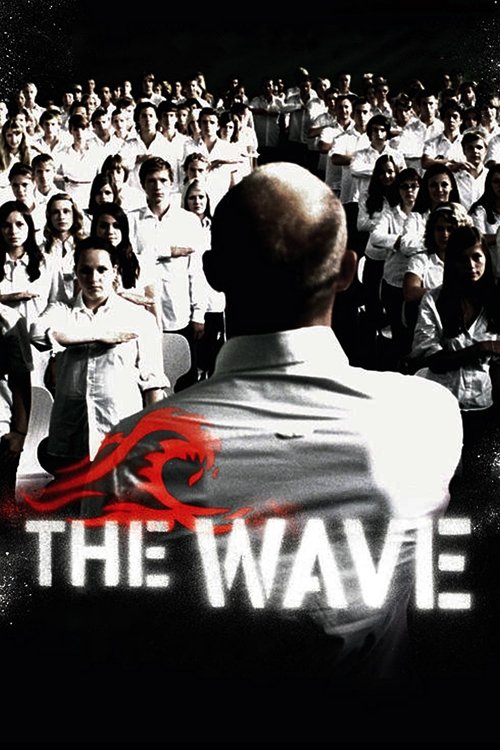
The Wave2008
A German drama about a teacher running an experiment in fascism with his students. Shows how ordinary people slide into ideology. Relevant to understanding how systems like Schindler's worked.
But The scenario is a bit schematic, and the ending feels didactic rather than earned. Some see it as a classroom exercise rather than organic drama.
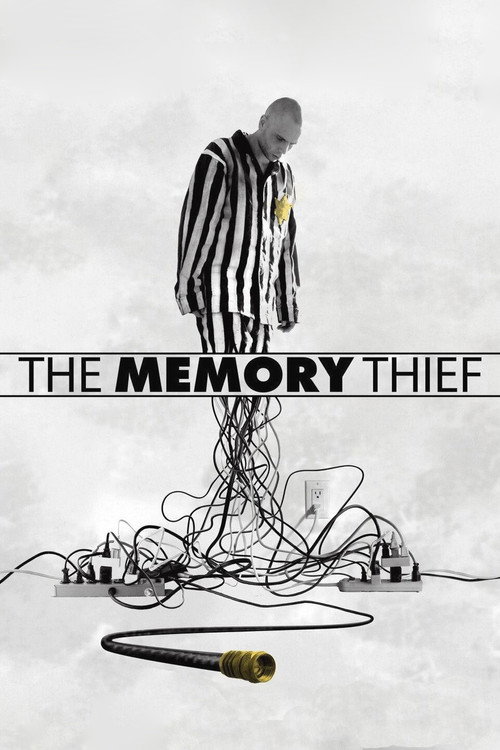
The Memory Thief2007
While Voices from the List presents survivors' words directly, Memory Thief examines why we preserve them at all—the ethical weight of listening and archiving. It's the documentary's shadow.
A fictional drama—rare in this context—about a man obsessed with collecting and preserving survivors' stories. It's a meditation on the act of documentation itself, and why we record these voices. Turns the archive inward.
But Because it's fiction, some may feel it trivializes the real testimonies by dramatizing the impulse to record them. The approach is introspective rather than historical.
People
Cast
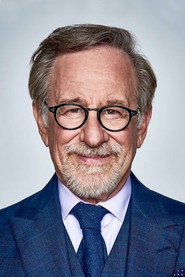 Steven SpielbergSelf - Host
- Leon LeysonSelf
- Leopold RosnerSelf
- Ludmila PageSelf
- Leopold PfefferbergSelf (as Leopold Page)
- Lena FinderSelf (as Rena Finder)
- Basia ToporskiSelf
- Celina BiniazSelf
- Ida TurnerSelf
- Lewis FagenSelf
- Samuel WertheimSelf
Directing
- Michael MayhewDirector
Production
- Steven SpielbergExecutive Producer