
Film
General Idi Amin Dada
Barbet Schroeder's 1974 portrait of Ugandan dictator Idi Amin is a deceptively intimate document—a filmmaker granted access to film Amin at work, at rest, with cabinet and troops. It's grotesque and darkly funny, a study in how charisma and madness can occupy the same body. Essential viewing for anyone interested in power, propaganda, and what happens when a camera becomes complicit.
Should you watch it?
Watch it if you like films that let a powerful man hang himself with his own words, where the discomfort comes from watching self-presentation unspool without commentary.
Skip it if you want context, analysis or a sense of what the regime did; this is almost wholly the subject speaking while the filmmaker keeps his distance, so the picture stays partial.
What it asks of you: Ninety minutes of patient watching, long stretches of one man's voice and formal parades, with little beyond the images to tell you what you are seeing.
Not sure? Find tonight's pick in a minute.
If you liked this
The Act of Killing2012
Werner Herzog and Joshua Oppenheimer's film asks mass murderers in Indonesia to recreate their crimes on film. Like Schroeder's film, it documents the psychology of atrocity through an unblinking lens, and achieves something that feels impossible: moral clarity from moral horror.
But It's extremely difficult to watch. The filmmakers ask you to sit with perpetrators in ways that feel ethically vertiginous, and there is no comfort in the ending.

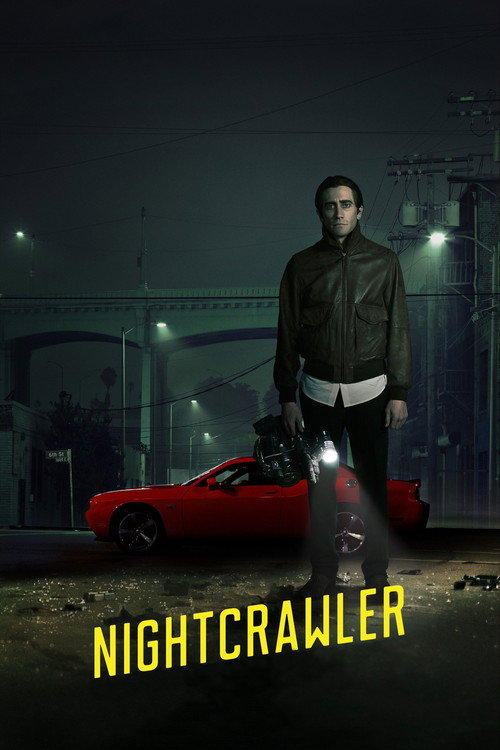
Nightcrawler2014
Jake Gyllenhaal's Lou Bloom is a portrait of charisma divorced from conscience—a man who charms while he ruins lives. Like Amin, he's magnetic and completely hollow, and the film captures that uncanny mix with a precision that's almost unbearable.
But It's a slow-burn thriller masquerading as a character study. If you want plot momentum, this will feel glacial and suffocating in the worst way.
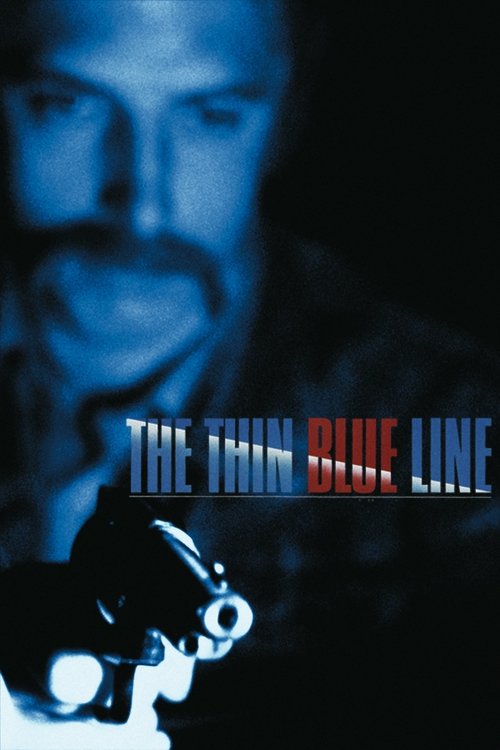
The Thin Blue Line1988
Errol Morris uses reconstruction, music, and obsessive detail to examine a murder case and police corruption. Like Schroeder, he trusts cinema's ability to excavate truth from surfaces, and to make the viewer complicit in looking.
But It's a procedural about a case you've never heard of. The payoff is intellectual and moral rather than visceral.
Not sure tonight? Get a pick in a minute, starting from General Idi Amin Dada
The wildcard
Something you would not have found on your own.
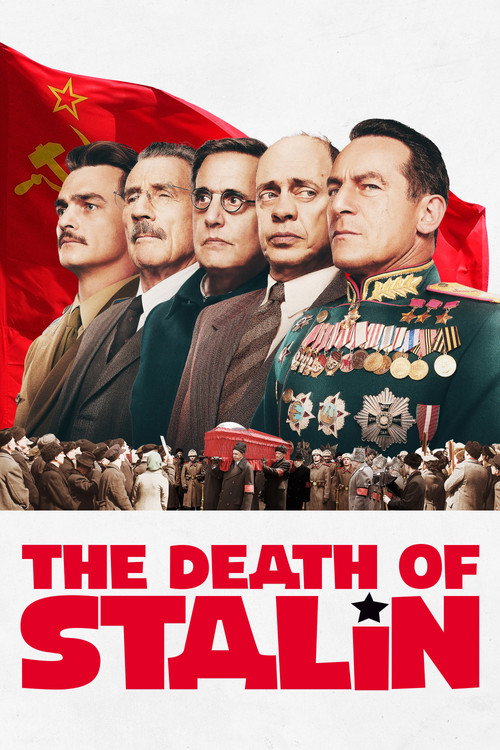
The Death of Stalin2017
Both films understand that fascism and dictatorship are partly farce—that the gap between the dictator's self-image and reality is where the horror lives, and where the darkest comedy emerges.
Armando Iannucci's film is a farcical blackcom about the Kremlin's power struggle after Stalin dies. It's laugh-out-loud funny about atrocity and incompetence—using comedy to get at the absurdist reality that Schroeder found in Uganda.
But Gallows humour about mass death. It's hilarious and horrible simultaneously, and that register will alienate people who think the subject demands solemnity.
More like this (5)
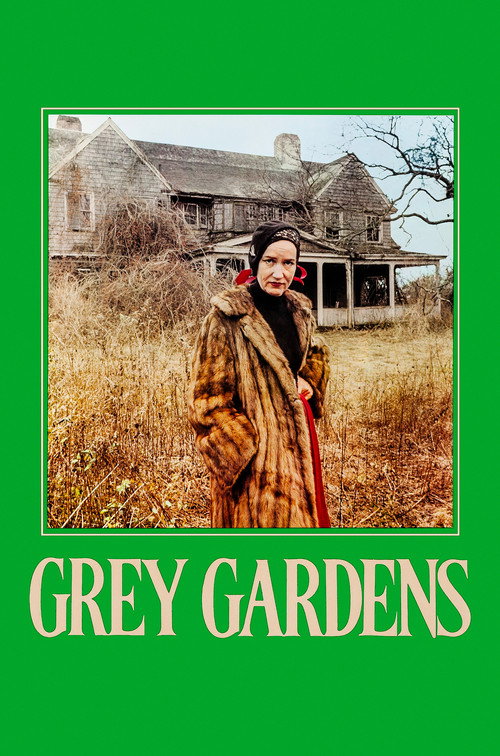
Grey Gardens1976
The Maysles brothers' film of two eccentric women in a decaying mansion was made just a year after Amin. Both films achieve an almost unbearable intimacy with their subjects, and both reveal something about performance and delusion that feels prophetic.
But It's barely a narrative. Long sequences of daily life and rambling monologues. You have to be interested in observing people, not in being told what to think about them.
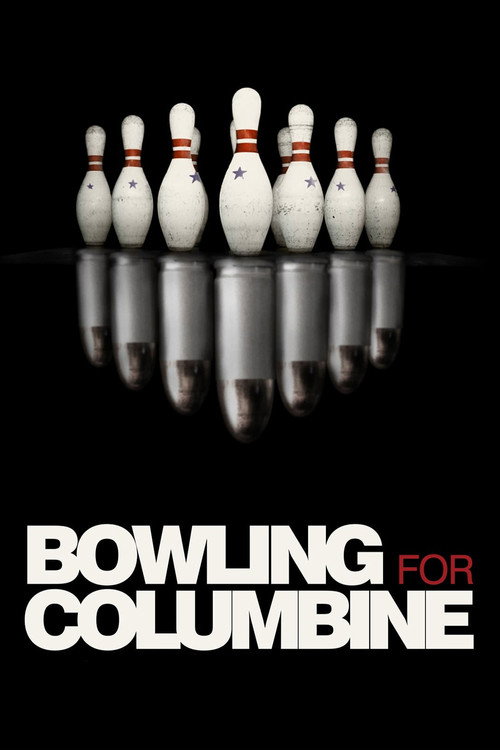
Bowling for Columbine2002
Michael Moore confronts American gun culture and the psychology of fear. It's a political documentary that asks uncomfortable questions about who gets to tell the story, which Schroeder's film raises implicitly.
But Moore's style is aggressive and sometimes glib. It can feel like didacticism dressed as journalism, especially on rewatches.
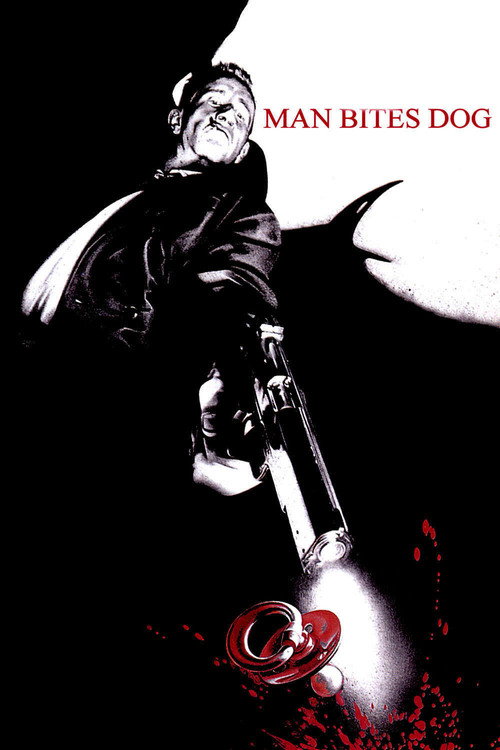
Man Bites Dog1992
A Belgian film crew follows a serial killer, and the line between documentation and complicity becomes the entire subject. It's a dark mirror to Schroeder's work—exploring what we become when we film evil for art.
But It's aggressively grotesque and obscene. The violence is graphic and the comedy is pitch-black; many will find it unwatchable.
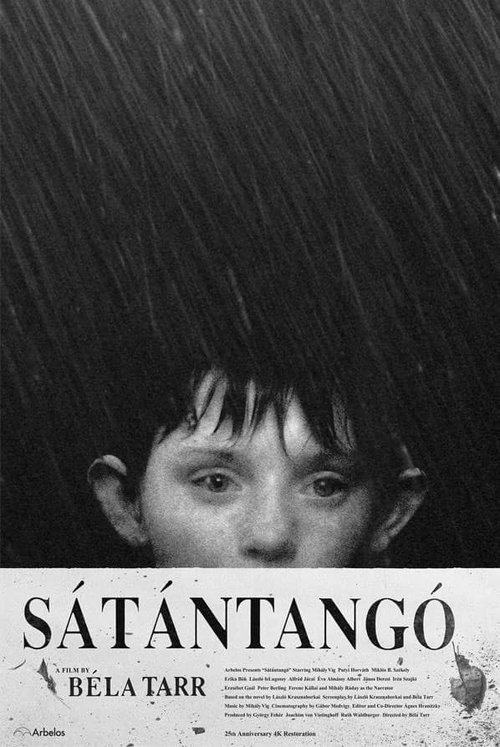
Satantango1994
Béla Tarr's seven-hour film moves through a community like a documentary, with the texture of lived time. Both films understand that fascism and chaos live in bodies and spaces, not just in ideology.
But At seven hours, with long static shots and minimal plot, it's less a film than a endurance test. Only watch if you're prepared to surrender to it completely.
Possession1981
Andrzej Żuławski's film of a marriage disintegrating is operatic and grotesque. It shares Schroeder's sense that human behaviour can be simultaneously compelling and incomprehensible, performance and reality at once.
But It's surreal and very strange. The dialogue is stilted, the production design is bizarre, and there's no conventional narrative to hold onto.

People
Cast
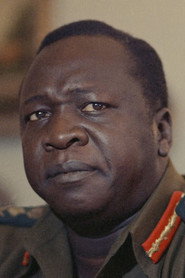 Idi AminHimself (as Idi Amin Dada)
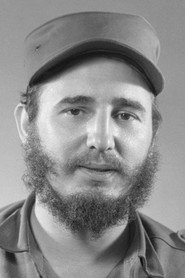 Fidel CastroHimself (archive footage) (uncredited)
 Golda MeirHerself (archive footage) (uncredited)
Directing
- Barbet SchroederDirector
Writing
- Barbet SchroederWriter
Production
- Charles-Henri FavrodProducer
- Jean-François ChauvelProducer
- Jean-Pierre RassamProducer