
Film
Screened Out
A brisk, clear-eyed documentary about smartphone and social media addiction, how the attention economy hijacks our brains, and what we might do about it. Features addiction specialists, researchers, and people reclaiming their time. It's urgent without being preachy, and structured as a wake-up call rather than a sermon.
Should you watch it?
Watch it if you want a brisk, argument-driven case about phones and attention, the kind that lines up experts and everyday habits and leaves you checking your own pocket.
Skip it if you already know the broad outline of screen-time worries and want fresh ideas, since much of it may feel like familiar warnings rather than surprising you.
What it asks of you: It runs about seventy minutes and moves at a steady, talky clip, asking you to sit through interviews and statistics without much visual flourish.
Not sure? Find tonight's pick in a minute.
If you liked this
The Social Dilemma2020
The definitive examination of how social media platforms are engineered to addict. Combines interviews with tech insiders and a dramatized narrative that shows the machinery behind the screen. Essential viewing if you use any platform.
But Occasionally veers into alarmism, and the fictional segments feel a bit overwrought compared to the documentary material. Some of its claims have drawn pushback from researchers.
The Great Hack2019
Traces how your data became a weapon through Cambridge Analytica. Follows activists and whistleblowers uncovering the scale of manipulation. Tighter focus than The Social Dilemma and genuinely engrossing as investigative work.
But Focuses narrowly on political data misuse rather than broader mental health effects. If you want the personal addiction angle more than the surveillance angle, this won't fully satisfy.
Fyre2019
A documentary about a festival that never was, built entirely on social media hype and influencer complicity. Shows the gap between the curated image and reality in exquisite, tragicomic detail. Darkly funny.
But Sometimes feels more like schadenfreude than critique. The influence angle is present but secondary to the chaos narrative.

Not sure tonight? Get a pick in a minute, starting from Screened Out
The wildcard
Something you would not have found on your own.
Bowling for Columbine2002
Both use documentary form to indict systems that sell anxiety and capture attention for profit. Both argue that the medium itself—screens, sensationalism, algorithmic feed—shapes behavior and harm. Both show the machinery, then show the human cost.
Michael Moore's investigation into American violence and media saturation uses the same structure as tech docs—finding the human story inside systems—but applies it to a different crisis. Shows how to make urgent documentary that doesn't lecture.
But Twenty years old and focused on guns and news media rather than smartphones. Requires accepting Moore's particular filmmaking voice, which some find manipulative. Different subject entirely.
More like this (4)
Unfriended2014
A horror film shot entirely on screens—we watch the desktop of a cyberbullying victim. Wildly creative formally and genuinely frightening as a metaphor for social media isolation and cruelty.
But It's a genre film, not a documentary. Some find the gimmick distracting, and the social media critique is implicit rather than stated.
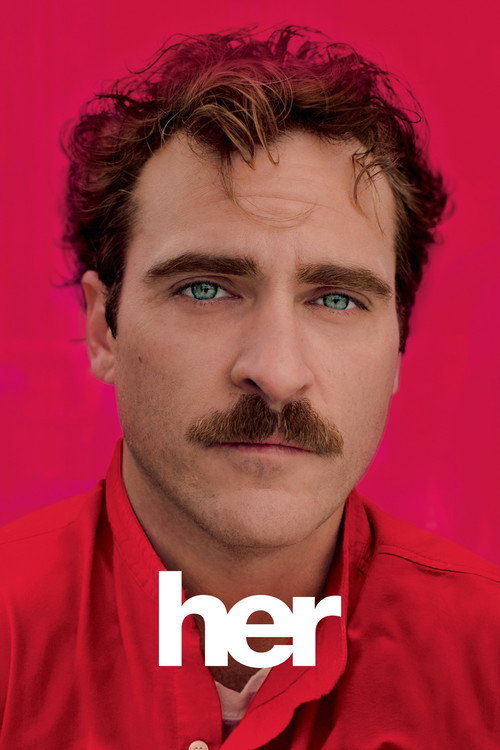
Her2013
A thoughtful science fiction film about loneliness, connection, and what we lose when intimacy is mediated entirely by screens. Beautifully made and quietly devastating about human relationship and technology.
But Not a critique document at all; it's speculative and poetic. If you want anger or analysis, this offers neither. It's more of a feeling than an argument.
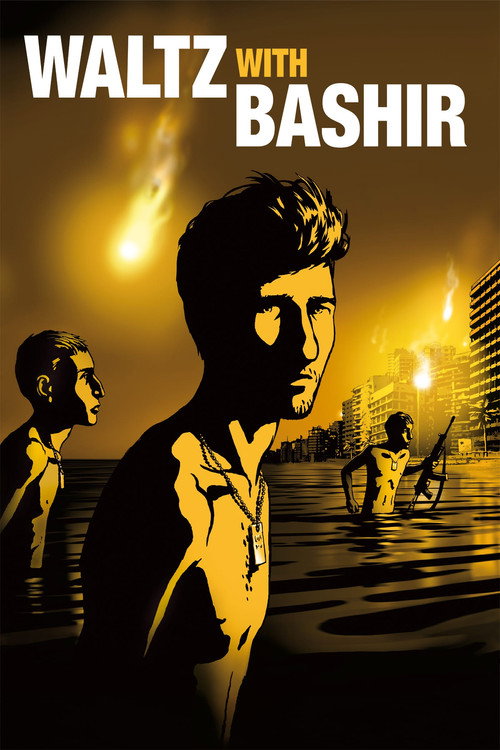
Waltz with Bashir2008
Both grapple with how mediation—screens, animation, apps—changes our relationship to reality and memory. Both ask whether the barrier between us and truth is technological or psychological. Both are formally inventive about their subject rather than just talking about it.
An animated documentary about memory, trauma, and how we lie to ourselves about what we've witnessed. Uses an entirely different medium—rotoscope animation—to ask how technology and abstraction can obscure or reveal truth.
But Animated and in Hebrew with subtitles. Deals with war and massacre, not consumer technology. No practical tips here, only existential questions about how we process reality.
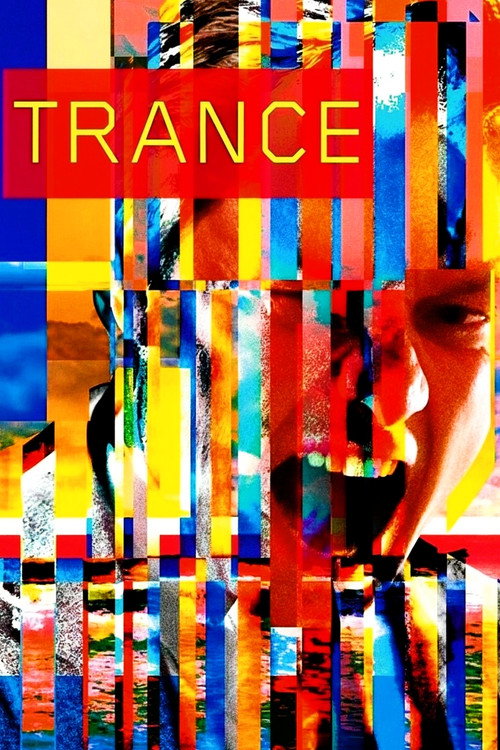
Trance2013
Where Screened Out explains intellectually how apps hijack your attention, Trance makes you *feel* it—dizziness, disorientation, the sense of your perception being manipulated. Both show how easy it is to lose control of where your mind goes when the interface is designed to take it.
Danny Boyle's heist thriller about hypnosis and memory manipulation is formally dizzying—designed to disorient you, make you question what's real. Thrilling on its own terms but also a visceral experience of your attention being hijacked by editing and spectacle.
But It's a genre film meant to entertain, not enlighten. Deliberately confusing and occasionally incoherent. Some viewers find it exhausting rather than fun. No thesis about technology, only a stylistic one.
People
Cast
- Jon HyattSelf
- Alicia DupuisSelf
- Hilarie CashSelf
- Dr. Jean TwengeSelf
- Jim SteyerSelf
Directing
- Jon HyattDirector
Writing
- Jon HyattWriter
- Karina RotensteinWriter
Production
- Jon HyattExecutive Producer
- Naresh BangiaExecutive Producer
- Jon HyattProducer