Television series
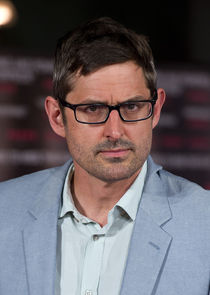
Louis Theroux's Weird Weekends
- Comedy
- Dip in and out
Louis Theroux embeds himself in obscure subcultures and extreme belief systems with genuine curiosity and no agenda. Each episode is a portrait of people the mainstream ignores: weird not as spectacle, but as a mirror held up to how we all construct meaning. Funny, unsettling, utterly humane.
Should you watch it?
Watch it if you like documentaries where the host's awkward, deadpan curiosity does the heavy lifting, drawing out fringe communities with patience and a raised eyebrow rather than outrage.
Skip it if you want a tightly structured, issue-led film with a clear argument; these hour-long episodes wander, and the mood can feel uneasy when the subjects are sincere but odd.
What it asks of you: Each hour-long episode is self-contained and conversational, so you settle in for a stretch of watching people talk and sit with uncomfortable silences, with little rush to reach a point.
Not sure? Find tonight's pick in a minute.
If you liked this
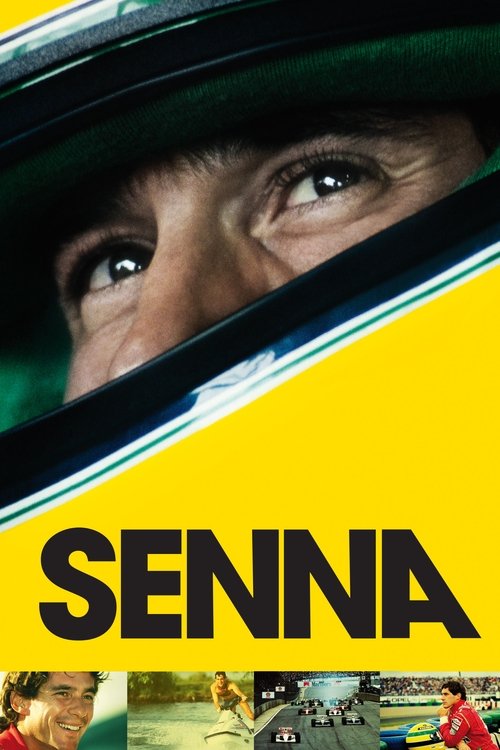
Senna2010
Documentary about F1 driver Ayrton Senna that uses archival footage to reveal obsession, talent, and self-destruction. Finds profound character study in material most filmmakers would treat as pure drama.
But Requires some interest in motorsport, or at least the mythology around it. Otherwise it's a portrait of an obsessive man you don't know.
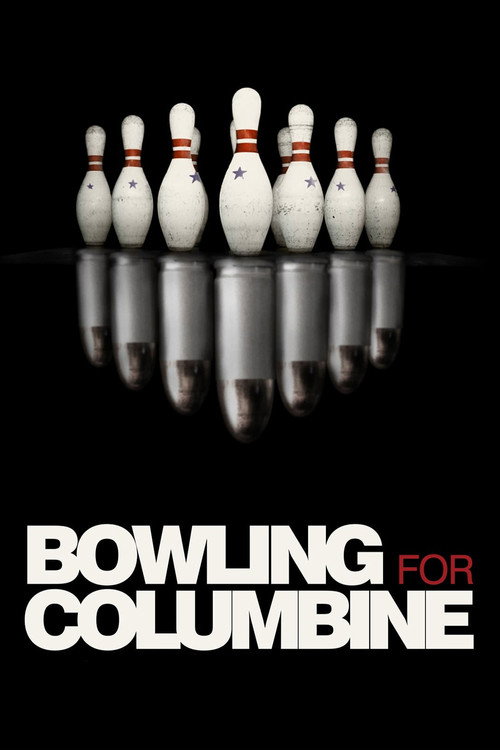
Bowling for Columbine2002
Michael Moore's investigation into American gun violence and culture. Tackles extreme beliefs head-on while remaining curious rather than preachy—at least in its best moments.
But Moore's persona can overshadow the subject. Some sequences feel like gotcha moments rather than genuine inquiry.
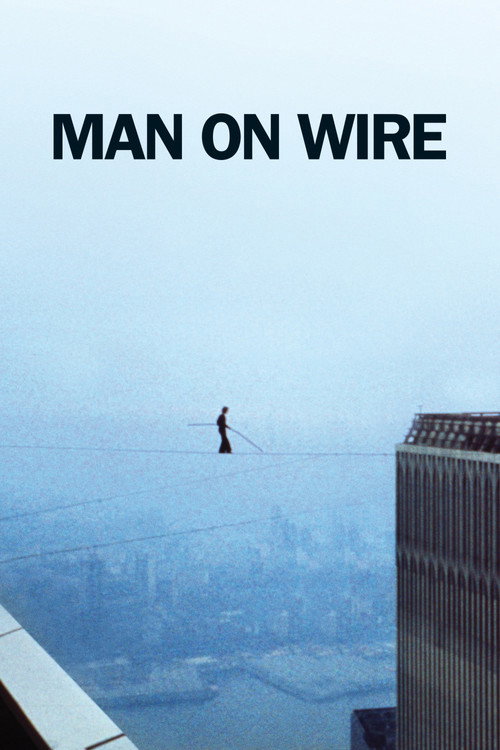
Man on Wire2008
Documentary about a high-wire artist's obsessive dream. Captures the particular fever of believing in something impossible and the people who orbit that belief.
But The heist-film editing can feel gimmicky. It's style-first, which some find at odds with documentary's duty to truth-telling.
Not sure tonight? Get a pick in a minute, starting from Louis Theroux's Weird Weekends
The wildcard
Something you would not have found on your own.
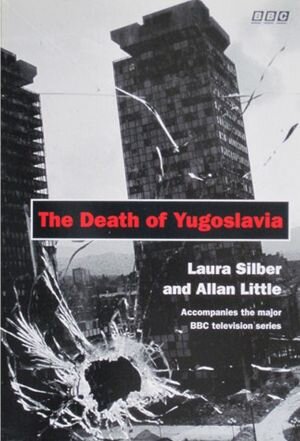
The Death of Yugoslavia1995
Both are BBC documentaries that refuse to simplify the people involved. Where Theroux finds humanity in individuals, Death of Yugoslavia finds it in the failures and contradictions of nations.
Nine-part BBC series by Angus Macqueen using archival footage and interviews with key figures to unpack how a country imploded. Like Theroux, it sits with complexity and lets contradictory perspectives coexist without resolution.
But Dense and relentless. It requires real attention and some prior knowledge of the region. There's no entertainment value as such, only understanding.
More like this (4)
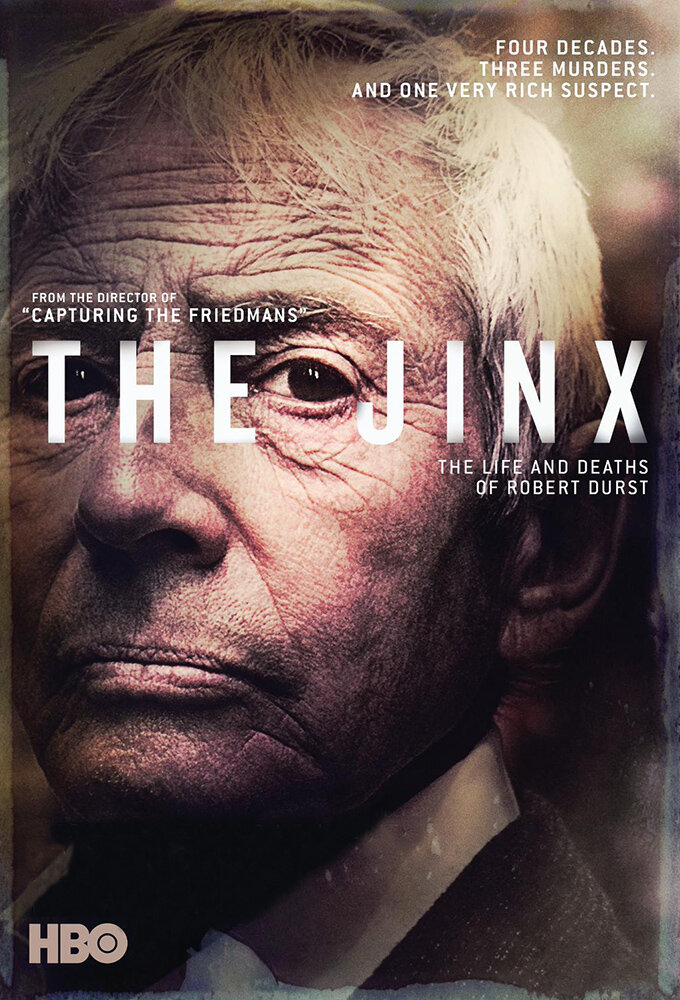
The Jinx: The Life and Deaths of Robert Durst2015
Six-part HBO series on a possible murderer. Meticulous investigative documentary that trusts the audience to draw conclusions without hand-holding.
But Genuinely disturbing. Not entertainment—it's about real alleged crimes, and the weight of that settles heavily.
The Act of Killing2012
Asks former Indonesian death-squad leaders to recreate and reflect on their crimes. Confronts evil with curiosity rather than moral certainty, forcing viewers to sit with profound discomfort.
But Extremely difficult to watch. The murders are enacted, and the film's refusal to judge can read as complicit.

Grey Gardens1976
Intimate portrait of two reclusive women—a mother and daughter—living in a decaying mansion. Theroux-like in its lack of judgment and its willingness to find eccentricity tragic and beautiful in the same breath.
But Structurally formless and repetitive. It moves like a slow drift rather than a narrative, which many find tedious.

Taxicab Confessions1995
Same DNA as Theroux's best work: the understanding that people are most interesting when they're not performing, and that intimacy—even accidental—reveals truth.
Hidden-camera documentary series where ordinary New Yorkers talk to a driver. Raw, funny, heartbreaking—people reveal themselves because they think no one's listening. Pure anthropology of the unguarded moment.
But Deeply voyeuristic. The hidden camera raises real ethical questions about consent and exposure you may find troubling.