
Film
David Bowie: Five Years
A 90-minute career arc told through archive footage and interviews with Bowie's inner circle—Eno, Rodgers, Visconti, Fripp. It traces his constant reinvention from Ziggy through Berlin to pop superstardom, capturing not just the hits but the thinking behind them. For anyone who loves Bowie or wants to understand how an artist stays dangerous across four decades.
Should you watch it?
Watch it if you want the making of an artist told through the people who built the records with him, Visconti, Eno and Fripp talking shop over rare archive footage.
Skip it if you are hoping for a complete life story or fresh critical argument; it sketches several eras in ninety minutes, so most stretches stay at the surface.
What it asks of you: Ninety minutes of mostly talking heads and archive clips, cut briskly from one era to the next, so you keep alert rather than drifting into a mood.
Not sure? Find tonight's pick in a minute.
If you liked this
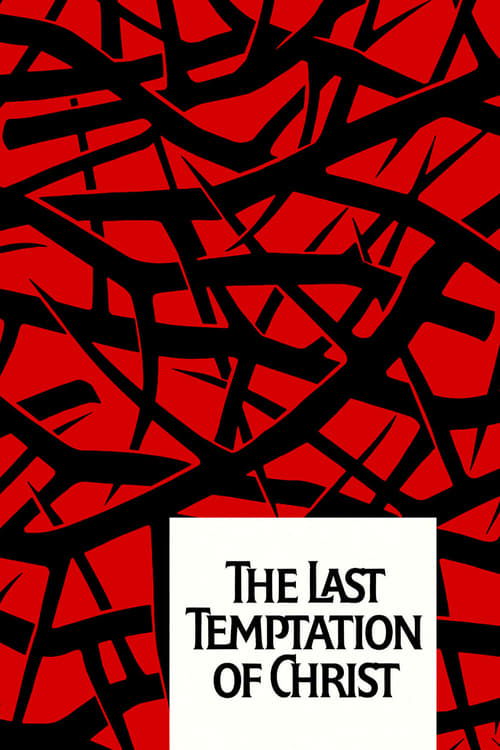
The Last Temptation of Christ1988
Scorsese's most audacious film, equally divisive and essential. It interrogates faith, desire and artistic obsession with the same uncompromising vision Bowie brought to his best work. You'll understand why some people hated it immediately.
But Nearly three hours, deliberately blasphemous, and the score by Peter Gabriel won't soothe you. Scorsese does not make it easy.
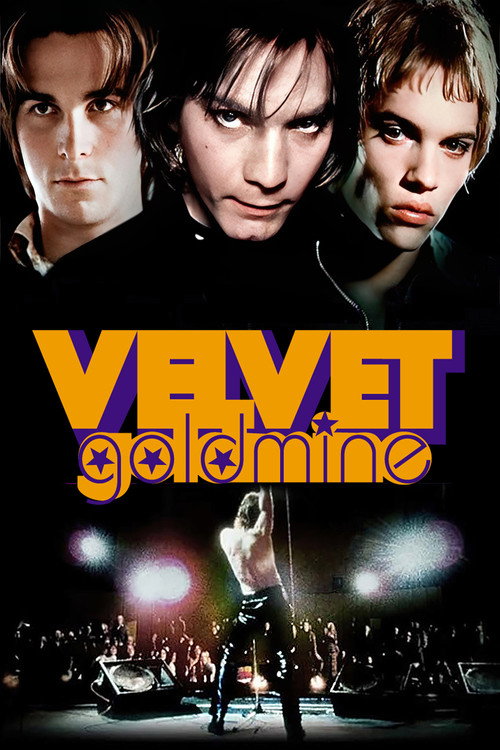
Velvet Goldmine1998
Todd Haynes' glam rock fever dream that captures the excess, eroticism and creative hunger of the era Bowie owned. It's a film that *feels* like a Bowie song—fractured, sensual, unreliable in the best way.
But The narrative deliberately refuses to cohere. If you need a straightforward story, this will frustrate you. It's experimental in ways that demand patience.
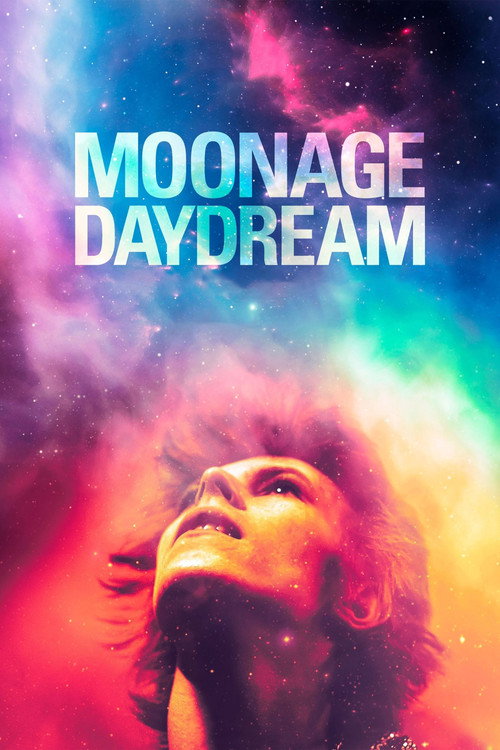
Moonage Daydream2022
Brett Morgen's audiovisual essay using Bowie's voice, music and archive to create something that *is* a Bowie experience rather than about him. Hypnotic, occasionally overwhelming, utterly original. This is how you make a music doc in the 2020s.
But It's deliberately non-narrative and can feel scattered if you want traditional biography. The constant visual switching can exhaust rather than exhilarate.
Not sure tonight? Get a pick in a minute, starting from David Bowie: Five Years
The wildcard
Something you would not have found on your own.
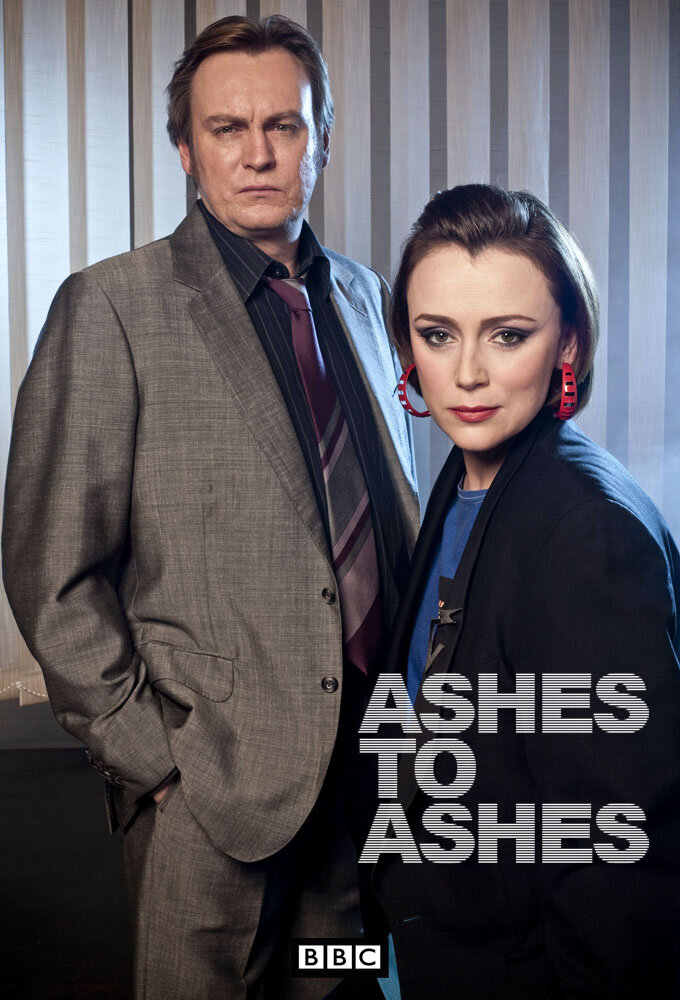
Ashes to Ashes2008
Both are meditations on reinvention and the cost of constant transformation. Ashes to Ashes uses the procedural form to explore what happens when the character can no longer change.
Final season especially: a police procedural that becomes a meditation on identity, mortality and the persona we perform. It quietly asks the same questions Five Years dances around—who are we when we stop performing? Gene Hunt becomes something else entirely.
But You need to have watched the earlier two seasons. It's also a cop show with very British television rhythms if you're not used to that pacing.
More like this (7)
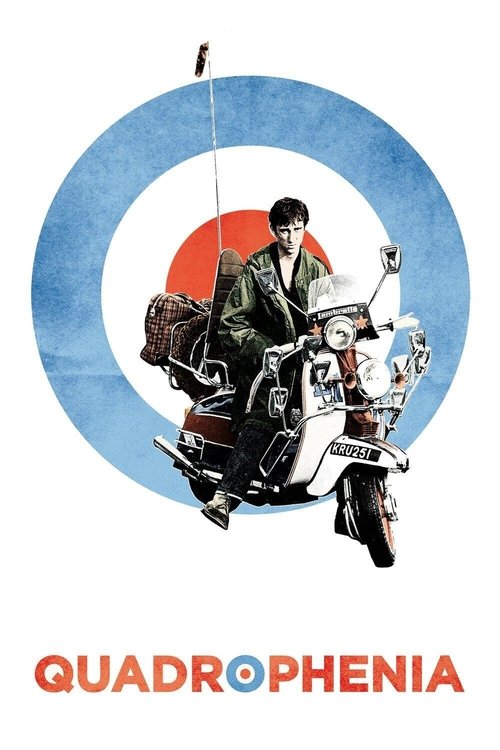
Quadrophenia1979
The Who's film captures that same glam-adjacent moment when rock stars were gods and identity was everything. Franc Roddam's direction and the costume design nail the era and hunger you see in Five Years' early footage.
But It's a bit dated now, and the plot is fairly standard coming-of-age fare. The real value is in the atmosphere and music.
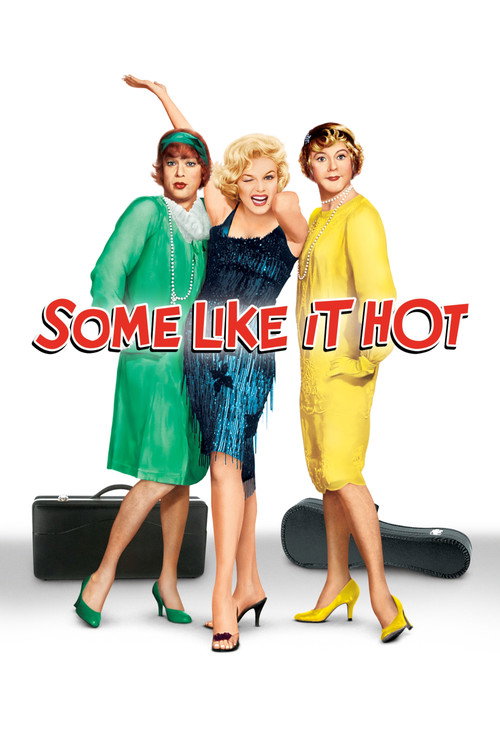
Some Like It Hot1959
Billy Wilder's masterpiece is about transformation, costume, and getting away with it. The DNA of Bowie's constant reinvention runs through this film—identity as performance, as freedom, as survival.
But It's a straight comedy from 1959. If you're looking for darkness or edge, this is cheerful and conventional in ways that might feel slight.
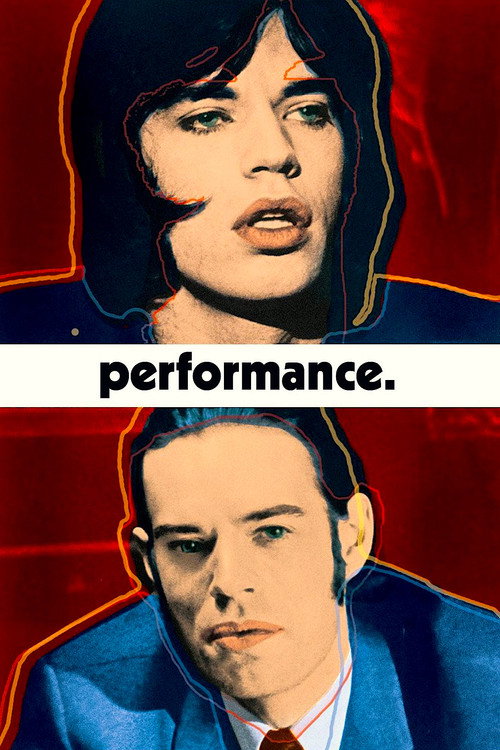
Performance.1970
Nic Roeg and Donald Cammell's nightmare about a rock star and a gangster swapping lives. Genuinely disturbing, sexually ambiguous, and captures the danger of the glam moment better than anything else from the era.
But It's genuinely unsettling and murky, sometimes incoherent. The plot dissolves by design. Some will find it pretentious rather than profound.
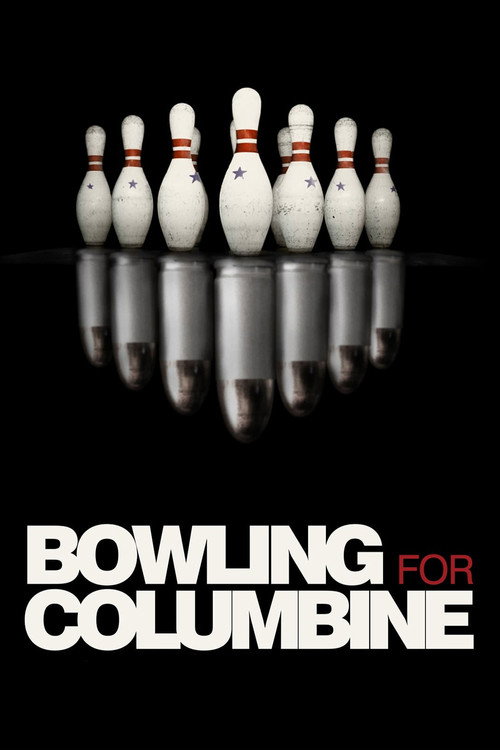
Bowling for Columbine2002
Michael Moore's doc about violence, guns and American mythology. Like Five Years, it's a portrait of a culture through archive and interviews. It models how to make nonfiction that actually argues something.
But Moore's approach is polemical and occasionally bullying. If you dislike his politics or style, you'll find it manipulative rather than illuminating.
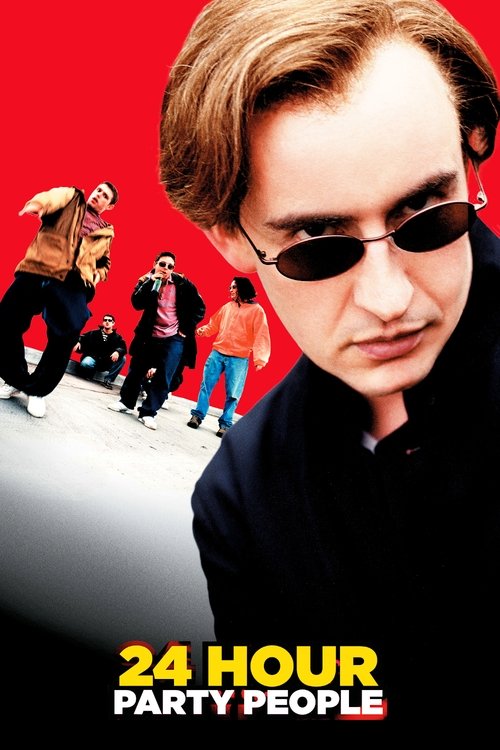
24 Hour Party People2002
Michael Winterbottom's film about Manchester's acid house scene treats music culture as seriously as biography. It understands that scenes and eras matter as much as individual genius—a useful counterpoint to Bowie-centric thinking.
But It's messy and proudly disorganised. The tone whips around. If you want clarity, this will irritate you.
Synecdoche, New York2008
Both explore the artist as a self-generating machine, constantly creating new versions of themselves. Five Years shows us how. Synecdoche shows us the cost.
Charlie Kaufman's film about an artist building a replica world inside his art. Like Bowie, it's about the space between the person and the persona, and what happens when you can't tell them apart anymore. Crushing and brilliant.
But It's bewilderingly complex, often depressing, and requires real concentration. Kaufman does not make it easy to follow or to feel good after watching.

La Haine1995
Both are about style as resistance and reinvention as survival. Bowie used artifice; this film uses form. Both refuse to apologize for their ambition.
Mathieu Kassovitz's portrait of Paris suburbs captures generational anger and stylistic risk in a way that echoes Bowie's constant formal experimentation. Shot in black and white with propulsive energy. A masterpiece about time running out.
But It's in French, violent, and deals with racism and police brutality without softening them. The ending is devastating and offers no comfort.

People
Cast
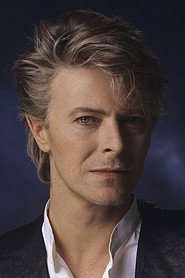 David BowieSelf (archive footage)
 Tony ViscontiSelf
 Nile RodgersSelf
 Brian EnoSelf
 Robert FrippSelf
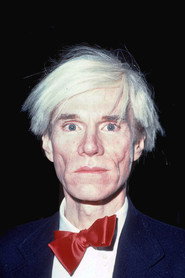 Andy WarholSelf (archive footage)
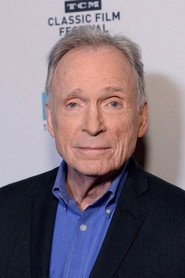 Dick CavettSelf (archive footage)
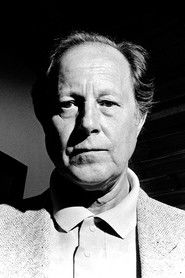 Nicolas RoegSelf
 Candy ClarkSelf
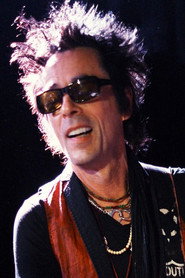 Earl SlickSelf
 Tilda SwintonSelf (archive footage)
Directing
- Francis WhatelyDirector
Production
- Francis WhatelyProducer