
Film
Grenfell
- Very dark
- Slow-burning
Steve McQueen's 24-minute artwork documents Grenfell Tower in the months after the June 2017 fire that killed 72 people. Shot before the building was covered, it's a solemn visual record—not an investigation or explanation, but a sustained, unflinching look at a wound. For anyone searching for a way to witness and remember.
If you liked this
The Act of Killing2012
Werner Herzog's unflinching documentary about Indonesian mass murder, where perpetrators reenact their crimes. It asks impossible questions about memory, guilt, and how we reckon with atrocity without looking away.
But Deeply disturbing and philosophically bleak. No catharsis, no clear moral reckoning—just the weight of what humans do to each other.

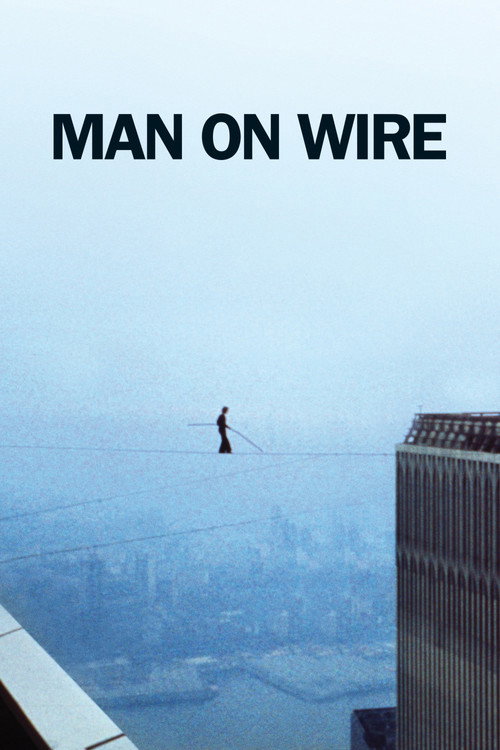
Man on Wire2008
James Marsh's documentary about Philippe Petit's 1974 tightrope walk between the Twin Towers. It's about capturing a moment of grace and audacity before it vanishes—preservation as an act of love.
But The subject is almost whimsical compared to McQueen's work. The tonal shift might feel jarring.
Sans Soleil1983
Chris Marker's essay-film meditates on memory, loss, and how images preserve what time erases. Formally experimental, it's about the labour of remembering across geography and grief.
But Deliberately oblique and structurally scattered. If you want clear narrative or argument, this will frustrate you.

Not sure tonight? Get a pick in a minute, starting from Grenfell
The wildcard
Something you would not have found on your own.
Stalker1979
Both films treat their subjects as spatial presences rather than events. The camera stays. It witnesses. The architecture or landscape becomes the thing that must be remembered.
Andrei Tarkovsky's film about a guide leading two men into a mysterious restricted zone is formally hypnotic—long takes, minimal dialogue, profound silence. It's about the human desire to find meaning in landscapes and in loss.
But Glacially slow and abstract. If you want plot or explanation, you will leave angry.

More like this (5)
Night and Fog1956
Alain Resnais's 30-minute essay on the Holocaust uses footage and stills to ask how we remember atrocity, and whether we can truly comprehend it. Sparse, composed, devastating.
But Made nearly 70 years ago, it can feel distant. The formal distance is intentional, but that doesn't make it less heavy.
Shoah1985
Claude Lanzmann's nine-hour oral history refuses archival footage. Instead, survivors and perpetrators speak, and the camera watches their faces. It's about the limits of representation and the duty to listen.
But Nearly nine hours. The slowness is the point, but it requires genuine commitment.
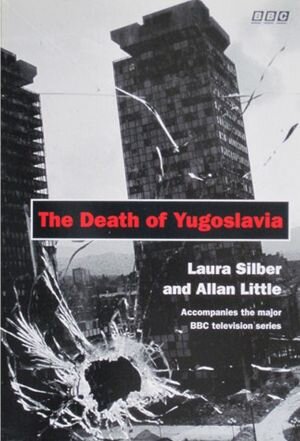
The Death of Yugoslavia1995
A six-part BBC documentary that moves chronologically through the Balkans conflict, interviewing everyone involved. Rigorous, urgent, and alive with the voices of people trying to explain the inexplicable.
But Dense and overwhelming. It's a commitment, and the recent history is still raw for many people involved.
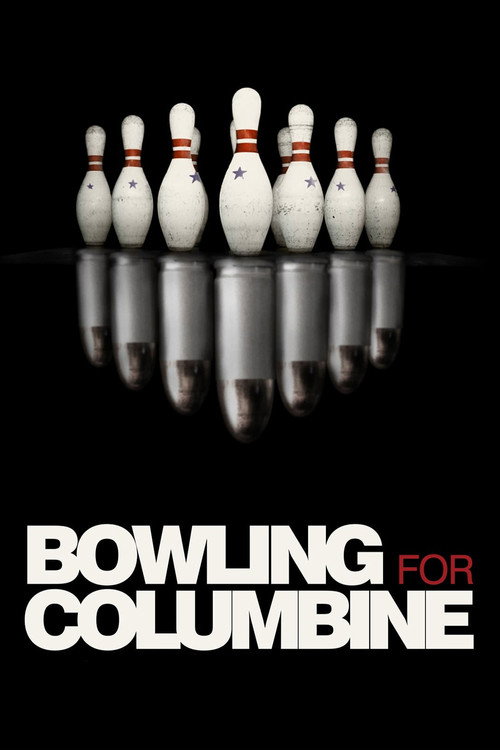
Bowling for Columbine2002
Michael Moore investigates a school shooting by following the threads outward—to gun culture, to media, to American fear. It's angry and urgent in ways that make documentary itself an act.
But Moore's style is deliberately provocative and sometimes glib. The showiness can undercut the gravity of the subject.
Disgraced2017
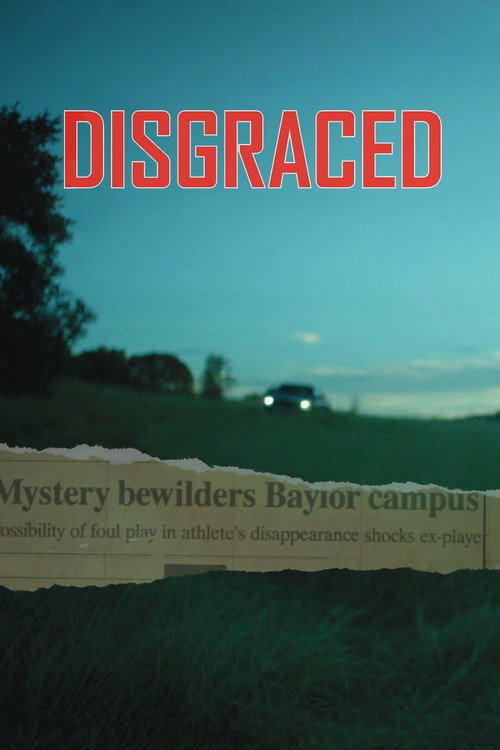
Like McQueen's work, it achieves power through constraint. No cuts, no escape, nowhere to hide. The form *is* the argument.
A one-take 95-minute film of Ayad Akhtar's play about a Muslim American lawyer, an affair, and the collapse of a marriage. Tense, intimate, performed live. A formal discipline that makes restraint itself the subject.
But Claustrophobic and relentlessly verbal. The single setting and lack of movement will exhaust some viewers.
People
Directing
- Steve McQueenDirector