
Film
Loose Change
Loose Change presents the 9/11 truther case: that the September 11 attacks were orchestrated by the US government rather than Al-Qaeda. Made by amateur filmmakers with YouTube as distribution, it became the most-watched conspiracy documentary of its era. Compelling editing and rhetorical force, but built on debunked claims and logical gaps that don't hold under scrutiny.
Should you watch it?
Watch it if you want to see how a persuasive conspiracy argument is assembled, and you plan to test each claim against sources of your own while the film plays.
Skip it if you take documentaries at their word, since it presents disputed claims about the attacks as settled fact and its tone stays blunt and insistent throughout.
What it asks of you: Sixty-one minutes of fast-cut footage, on-screen text and rolling narration, so it is brisk and makes its points through repetition rather than a slow build.
Not sure? Find tonight's pick in a minute.
If you liked this
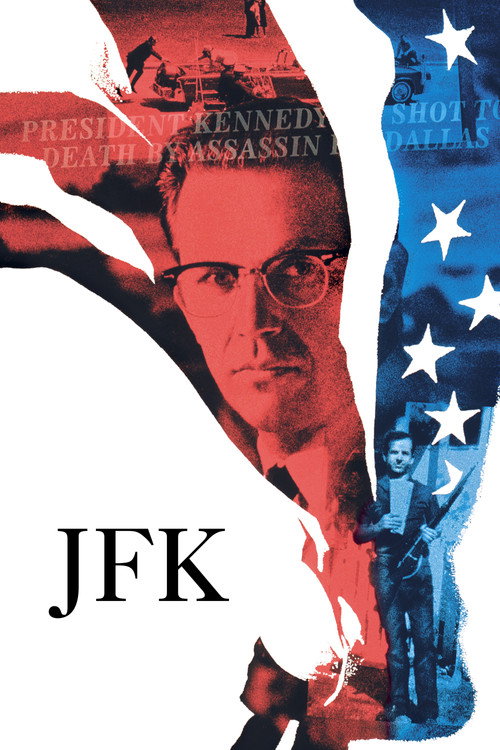
JFK1991
Oliver Stone's three-hour examination of the Kennedy assassination as potential conspiracy. It's a masterclass in how to assemble fragmentary evidence into a hypnotic narrative, regardless of what you believe about the conclusion.
But Wildly speculative, deliberately manipulative with editing and score, and Stone treats speculation as certainty. It's a film, not an investigation.
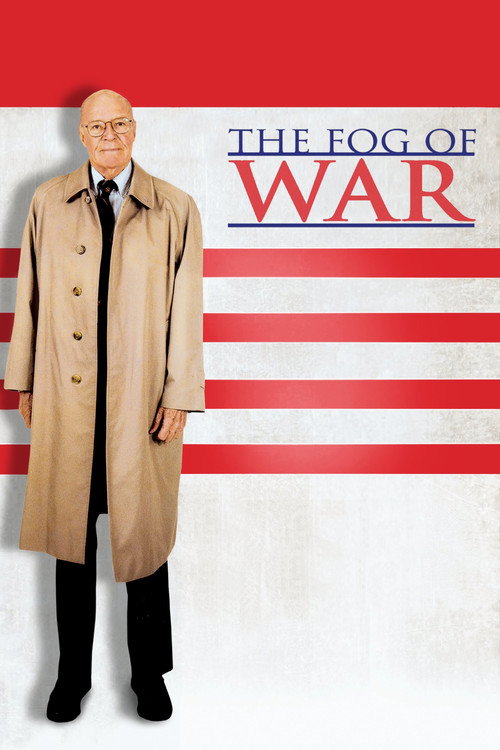
The Fog of War2003
Errol Morris interviews Robert McNamara about Vietnam, the Cuban Missile Crisis, and how governments miscalculate catastrophe. Documents how official versions emerge and calcify, often wrong, always confident.
But Slow, talky, meditative rather than dramatic. No conspiracy payoff, just the mundane tragedy of institutional error.
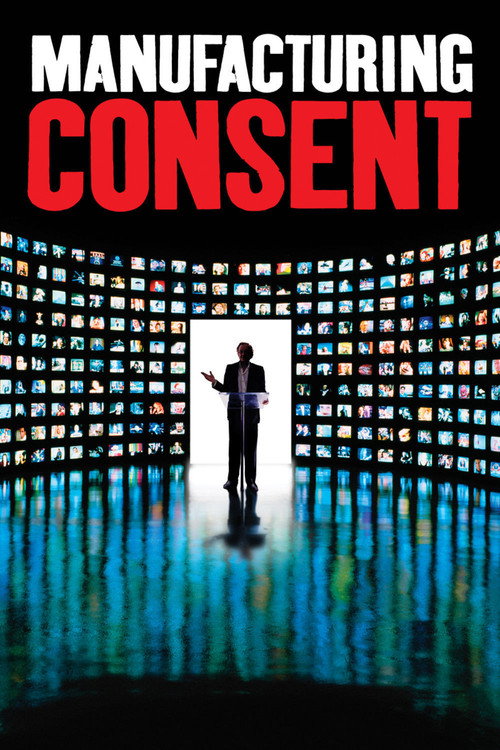
Manufacturing Consent: Noam Chomsky and the Media1992
Chomsky and Mark Achbar examine how media narratives are shaped by power structures. Sharp analysis of institutional bias without needing any single false-flag operation to make the point.
But Academic, deliberately slow, and the argument doesn't require dramatic tension. Requires active listening rather than propulsive momentum.
Not sure tonight? Get a pick in a minute, starting from Loose Change
The wildcard
Something you would not have found on your own.
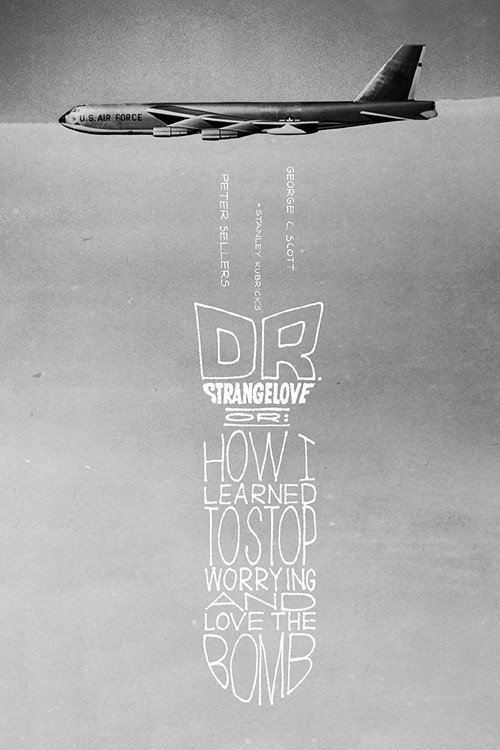
Dr. Strangelove or: How I Learned to Stop Worrying and Love the Bomb1964
Both present a coherent alternative narrative that feels more real, more patterned, more *sensible* than chaos—and Strangelove shows why that feeling is dangerous, even when applied to genuine problems.
Kubrick's nightmare-comedy about nuclear war triggered by a mad general's paranoia and institutional failure. It's about how conspiracies *feel* from the inside—the absolute certainty, the logic that loops, the inability to stop the machinery once it's engaged. A perfect structural mirror to truther thinking.
But A 1964 black-and-white satire. If you want modern urgency and naturalistic acting, it's alien.
More like this (8)
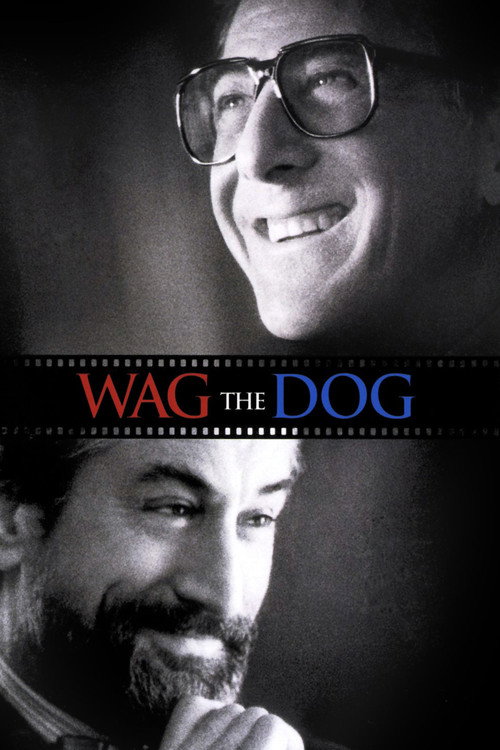
Wag the Dog1997
A sitting president fakes a war to distract from scandal. Brilliantly acidic satire that asks: what *could* a government with unlimited resources actually pull off? More instructive than Loose Change about plausibility.
But It's a comedy thriller, not a documentary. If you want evidence-based argument, this isn't it.
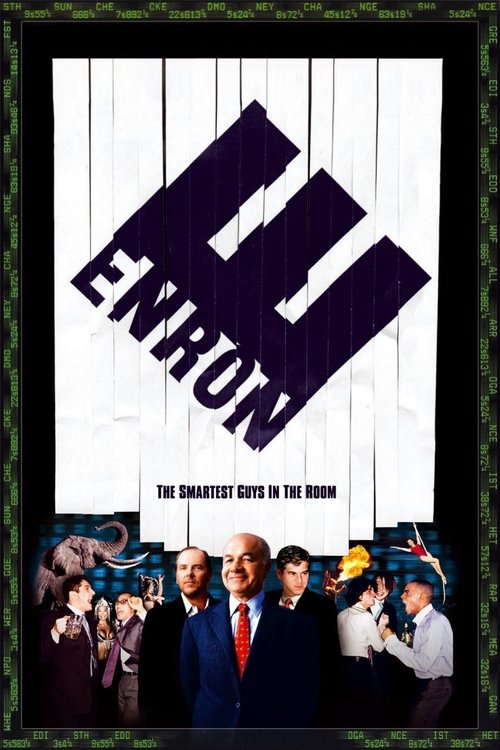
Enron: The Smartest Guys in the Room2005
Documents Enron: a real, spectacular corporate conspiracy to defraud investors and hide it. Proves that enormous conspiracies *can* exist—but also how quickly they collapse and how sloppy the cover-up actually is.
But Once you understand the scheme, it's repetitive. And it demonstrates why implausibly large conspiracies are hard to maintain, which cuts against the truther grain.
Vaxxed: From Cover-Up to Catastrophe2016
Vaccine conspiracy doc with production quality and rhetorical skill. Studying how a well-made argument can be built on cherry-picked data teaches you more than dismissing it does.
But The claims have been thoroughly debunked. Watching someone persuade you of something false is uncomfortable and depressing rather than enlightening.

Bowling for Columbine2002
Michael Moore investigates gun violence and American fear after Columbine. Combines documentary evidence, satire, and emotional argument. Whatever you think of his conclusions, he interrogates complexity rather than asserting a single hidden cause.
But Moore's editorializing and gotcha confrontations can feel manipulative. The film argues through emotion as much as evidence.
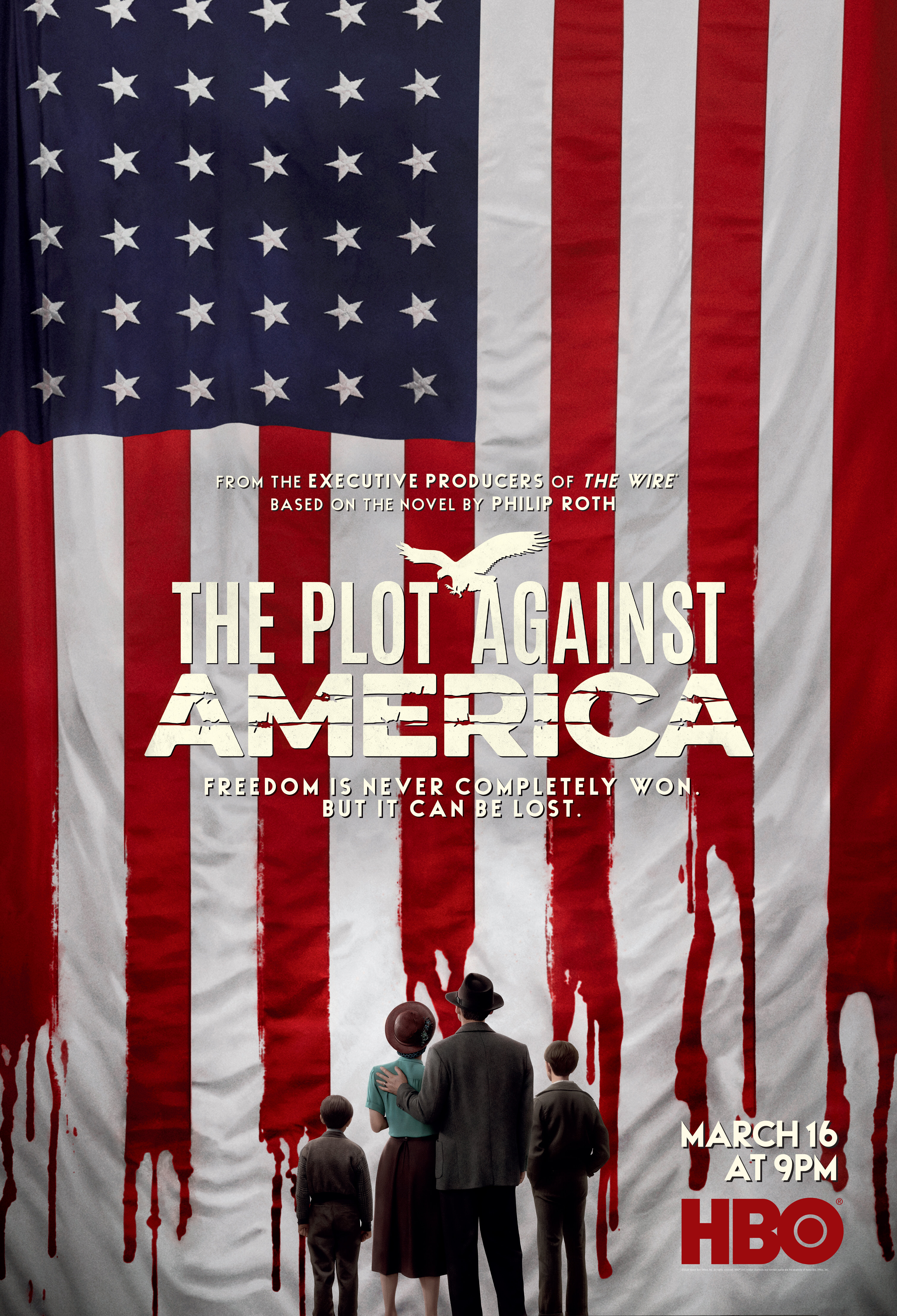
The Plot Against America2020
HBO miniseries imagining an alternate history where Lindbergh wins the presidency. Explores how plausible-sounding false narratives can reshape a society and terrify the powerless. Structurally teaches what Loose Change *thinks* it's doing.
But Slow-burn alternate history, not thriller pacing. If you want adrenaline rather than dread, it won't satisfy.
Winter on Fire: Ukraine's Fight for Freedom2015
Documentary of the 2013 Ukraine protests, shot in real time. Captures what genuine grassroots organizing looks like, how propaganda works in real-time, what actual instability produces. A corrective to conspiracy thinking through contrast.
But Politically charged and partisan toward the protesters. Some viewers will see it as propaganda rather than documentation.

A Brief History of Time1991
Both ask: what happens when we distrust expert consensus? Morris shows why, sometimes, the experts aren't lying—they're just correct about something your intuition can't grasp.
Errol Morris films Stephen Hawking and physicists discussing quantum mechanics and black holes. Encounter a genuinely complex system where our intuition fails completely, where the official answer *is* counterintuitive, where evidence and mathematics are required to understand what's actually true.
But Abstract, slow, no narrative stakes. If you want concrete answers, cosmology will frustrate you.
The Act of Killing2012
Both concern how alternative narratives become emotionally true even when factually false. But Oppenheimer is investigating the *need* for that narrative, not the narrative itself.
Joshua Oppenheimer interviews Indonesian death-squad leaders about 1960s genocide they committed. They *know* what they did. They're proud. They reshape it into myth as you watch. A profound document about how perpetrators construct narratives and why they need them—more revealing about conspiracy psychology than any skeptical analysis.
But Deeply disturbing. You are listening to murderers justify atrocity. Experimental structure, long, emotionally exhausting.

People
Directing
- Dylan AveryDirector
Writing
- Dylan AveryWriter