
Film
Lake of Fire
- Very dark
Lake of Fire is a sprawling, uncompromising documentary on American abortion politics. Over two and a half hours, Tony Kaye trains his camera on activists, doctors, philosophers, and clergy across the ideological spectrum—letting them speak without editorializing. It's a film for people who want to understand how intelligent, committed people arrive at fundamentally incompatible truths. Unflinching doesn't mean easy.
If you liked this
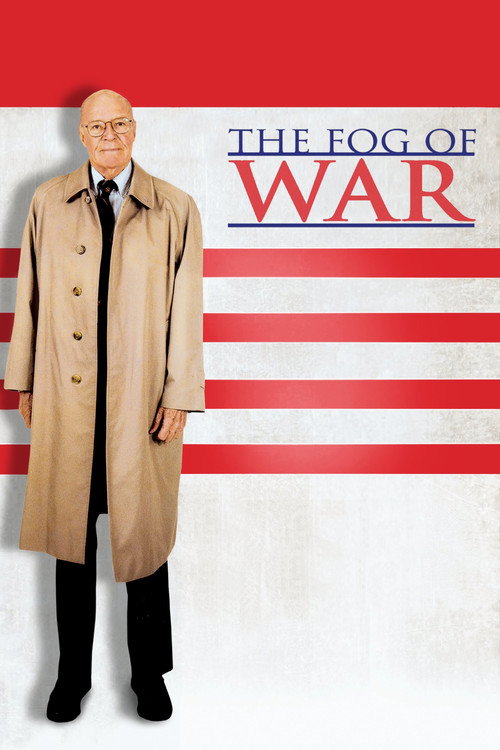
The Fog of War2003
Errol Morris's portrait of Robert McNamara uses formal innovation and archive to let a brilliant man reckon with his own contradictions. Like Lake of Fire, it trusts the viewer to sit with moral complexity without guidance.
But It's a one-man monologue, and McNamara's voice grows monotonous. Some feel Morris's technique overwhelms rather than clarifies the substance.
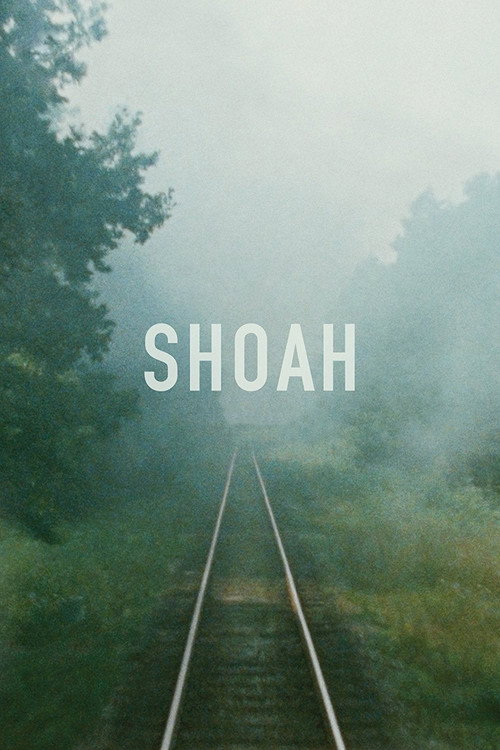
Shoah1985
Claude Lanzmann's nine-hour oral history of the Holocaust refuses all archival footage or score. Pure testimony. If you want to understand how documentaries can wring meaning from voices and faces alone, this is the blueprint.
But Nine hours, no images except human faces and landscapes. The pace is glacial. It demands a kind of surrender most viewers can't give it.
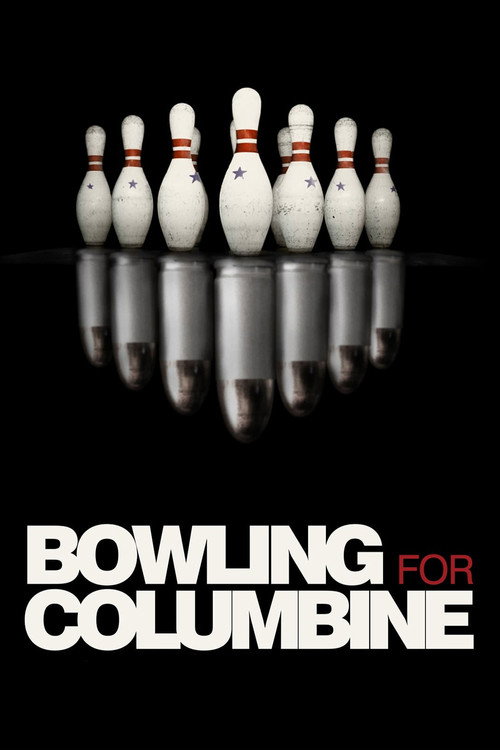
Bowling for Columbine2002
Michael Moore's best film: sharp and funny but genuinely curious about why Americans think the way they do. It has bite without being a sermon.
But Moore's persona is front and center. If his style grates, the whole film collapses. It's also less formally rigorous than Lake of Fire.
Not sure tonight? Get a pick in a minute, starting from Lake of Fire
The wildcard
Something you would not have found on your own.
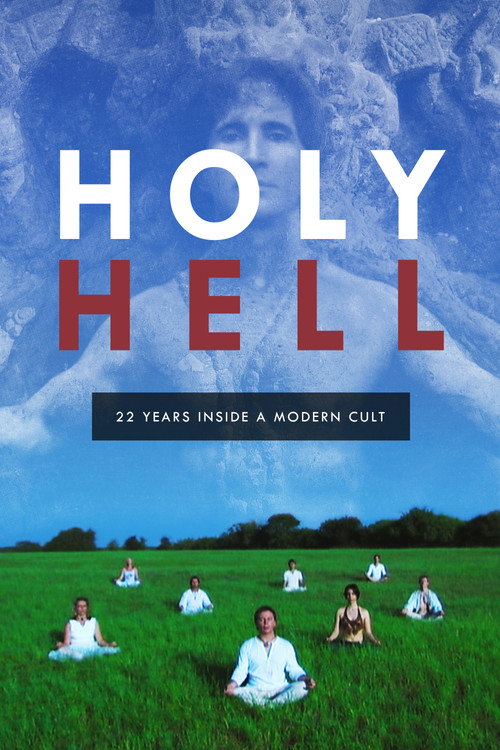
Holy Hell2016
Both examine how ideology becomes identity, and how people rationalize harm in the name of principle or belonging. Neither is about converting the viewer—both are about watching belief operate in real time.
Will Allen's documentary about a gay cult in Los Angeles uses the community's own footage to trace how charisma, love, and isolation create captivity. Like Lake of Fire, it asks how reasonable people surrender their judgment to authority.
But It's visually chaotic and emotionally exhausting. Some found the focus on gay experience narrower than Lake of Fire's broader reach.
More like this (7)
The Act of Killing2012
Joshua Oppenheimer gets Indonesian death-squad leaders to reenact their crimes. It's a profound meditation on how people live with atrocity and justify the unjustifiable. Haunting and necessary.
But Watching perpetrators rationalize genocide will drain you. Some argue the film's method—letting them perform—is itself troubling.

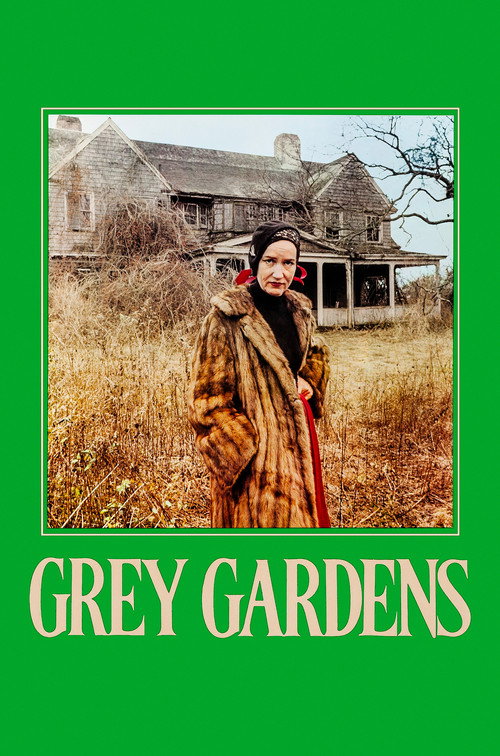
Grey Gardens1976
The Maysles brothers' portrait of two eccentric socialites in decay. Like Lake of Fire, it abandons judgment and lets contradiction breathe. Deeply sad without sentimentality.
But It can feel like watching people in genuine distress for sport. The film never answers whether fascination is enough moral permission.
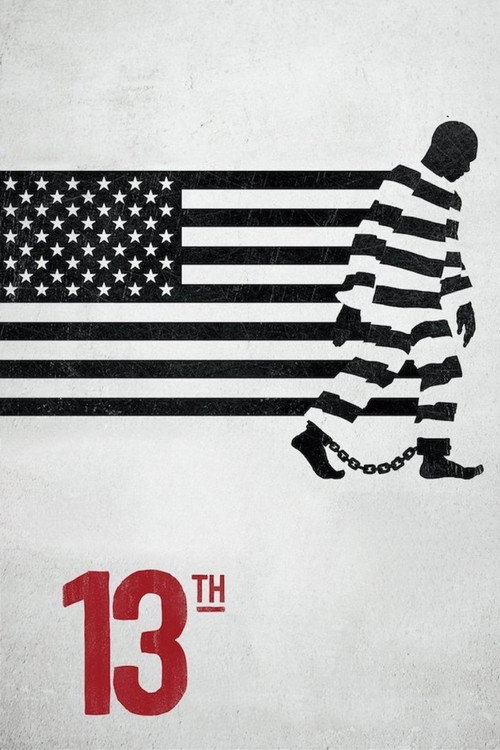
13th2016
Ava DuVernay traces mass incarceration to American racism's roots. Urgent, structured, beautifully made. It has a thesis, but builds it from voices and evidence rather than assertion.
But It's argued rather than interrogative. If you want Lake of Fire's both-sides documentation, this will feel didactic.
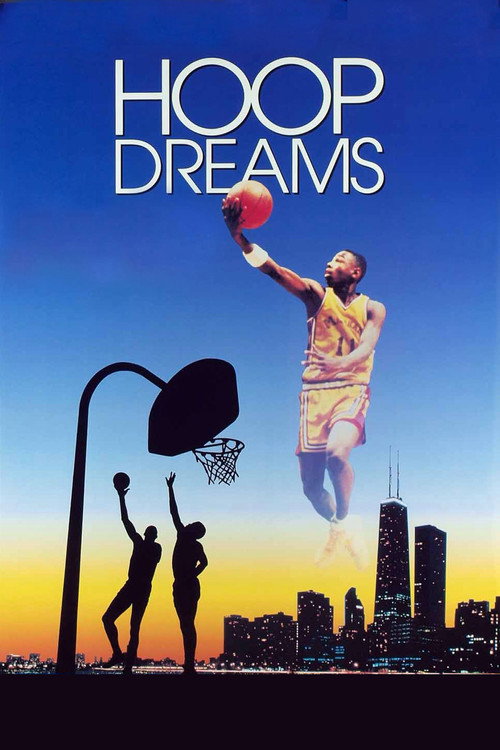
Hoop Dreams1994
Steve James follows two basketball players over five years. It's about race, class, and American myth-making, but tells you almost nothing explicitly. The contradiction between dream and system speaks for itself.
But It's three hours of largely unexceptional footage. The insight emerges slowly, which can read as formless if you're not patient.
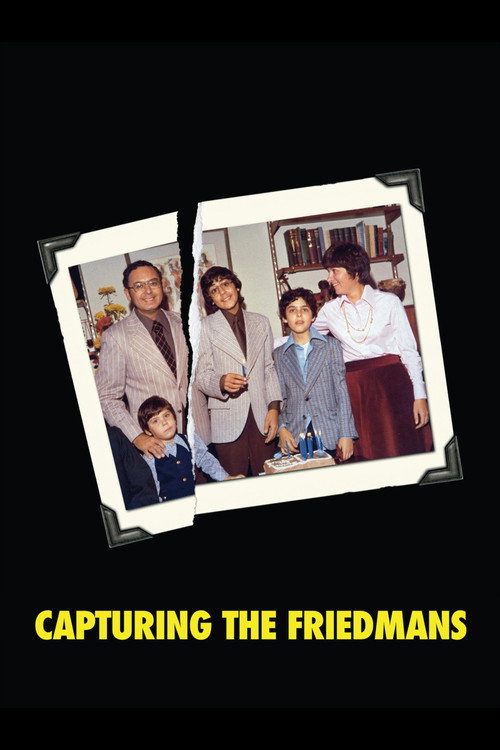
Capturing the Friedmans2003
Andrew Jarecki's documentary about an accused family is a masterclass in ambiguity. The closer you look, the less certain you become. It respects the viewer's intelligence enough to stay unsettled.
But Some hate not knowing what actually happened. The family's behavior is troubling enough that the ambiguity can feel like evasion.
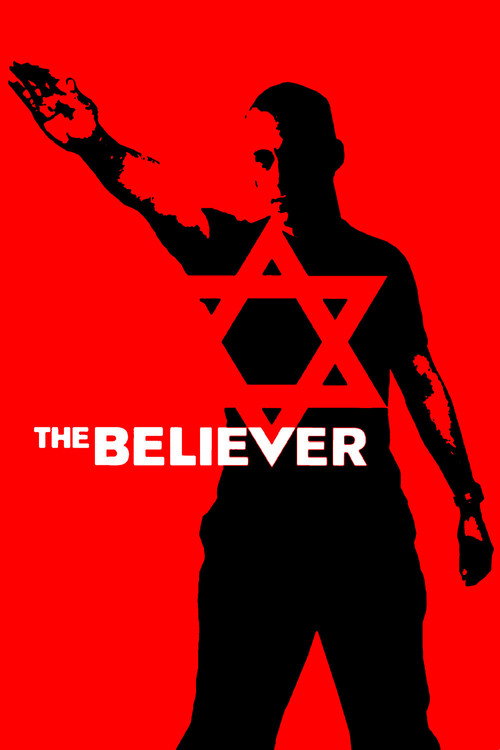
The Believer2001
Both refuse caricature. Where Lake of Fire shows the abortion debate's human depth across positions, The Believer inhabits a single consciousness that logic says shouldn't exist. Both trust the audience to sit with incomprehensible conviction.
Henry Bean's fiction film (not documentary) follows a Jewish neo-Nazi. It's a formal inversion of Lake of Fire: instead of multiple voices, one consciousness wrestling with contradiction. Quieter, but equally unsettling.
But It's a provocative thought-experiment that some found self-indulgent. The performance can read as detached rather than probing.
Tokyo Story1953
Lake of Fire is about the impossibility of compromise. Tokyo Story is about the impossibility of leaving. Both are about people living inside contradiction—moral or personal—and the quiet that follows acceptance that nothing resolves.
Ozu's masterpiece is about an aging couple visiting their children. It has nothing to do with abortion, but everything to do with irreconcilable needs coexisting in the same room without resolution. Quieter than Lake of Fire, but structurally identical: people who love each other, wanting different things, finding no answer.
But It's slow and domestic. If you approach it wanting urgency or argument, you'll miss what it's doing. Some find it precious rather than profound.

People
Cast
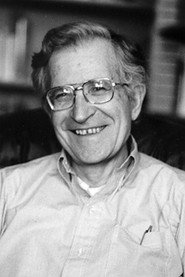 Noam ChomskyHimself
- Flip BenhamHimself
- Bill BairdHimself
Directing
- Tony KayeDirector
Writing
- Tony KayeWriter
Production
- David KanterCo-Executive Producer
- Lenny BeckermanCo-Executive Producer
- Steve GolinCo-Executive Producer
- Tony KayeProducer