
Film
12th & Delaware
12th & Delaware is a taut 90-minute documentary about the collision of two abortion clinics—one providing services, one opposing them—sharing a corner in Fort Pierce, Florida. It observes the daily standoff with unflinching neutrality, letting protesters, staff, and clients speak for themselves. This is urgent, uncomfortable filmmaking about America's most divisive issue, made for anyone willing to sit with complexity and moral disagreement without easy answers.
If you liked this
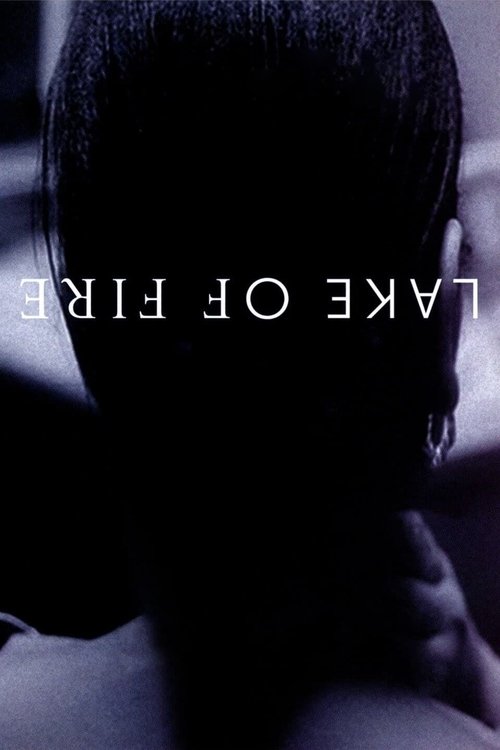
Lake of Fire2006
This sprawling documentary traces abortion's cultural and political history from Roe v. Wade onwards, examining the issue through archival footage, interviews, and protest footage. It's rigorous and quietly devastating.
But At nearly three hours, it can feel exhausting, and the graphic imagery—from both sides—is genuinely hard to watch.
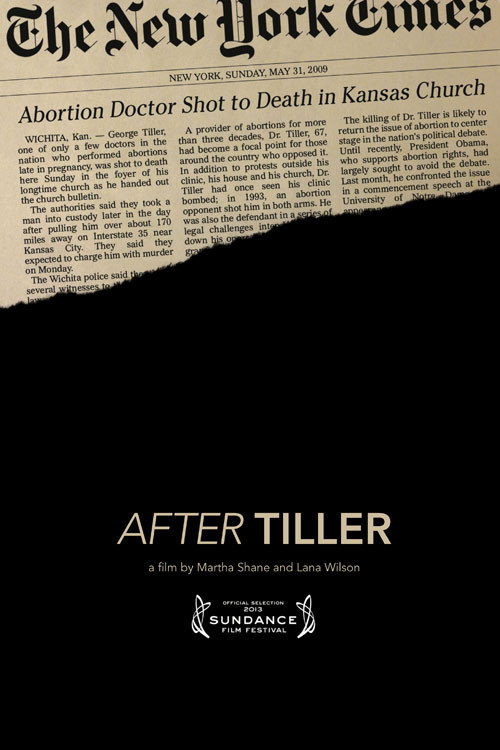
After Tiller2013
Four doctors who perform late-term abortions are followed with intimate care. It's quietly humanizing without being propagandistic, showing the real moral weight these providers carry.
But The subject matter is emotionally heavy, and if you're already decided on the issue, it may feel like it's trying to change your mind.
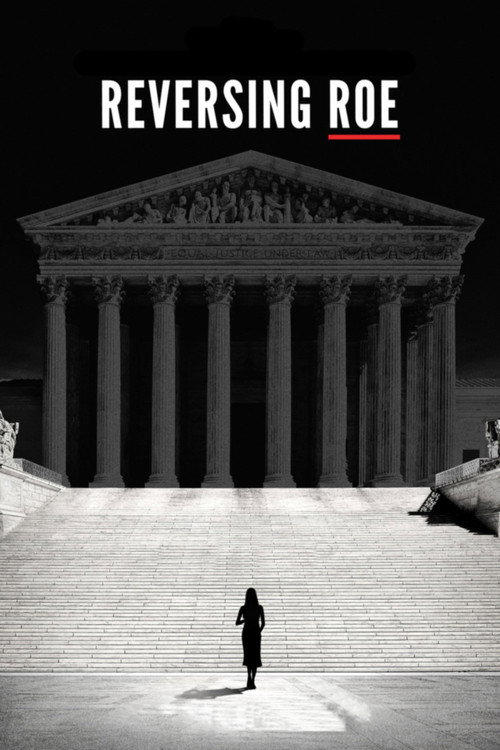
Reversing Roe2018
A sharp, fast-moving documentary about the legal and political machinery trying to overturn Roe v. Wade, with interviews from both advocates and opponents. It's current and clarifying.
But It moves quickly and covers a lot of ground, so if you want deep dives into specific arguments, you might feel shortchanged.
Not sure tonight? Get a pick in a minute, starting from 12th & Delaware
The wildcard
Something you would not have found on your own.
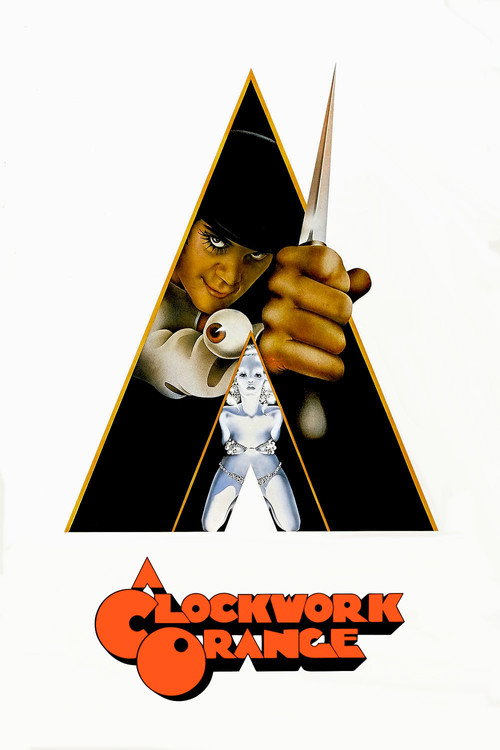
A Clockwork Orange1971
Both use graphic reality or unflinching cinema to force viewers into moral vertigo rather than letting them retreat to their existing positions.
Kubrick's provocation is about moral agency, state control, and who gets to decide what's right. It uses extreme discomfort as its primary tool, exactly as 12th & Delaware does.
But It's brutal, obscene, and morally queasy in ways designed to sicken you. The violence is graphic and the film offers no comfort.
More like this (6)
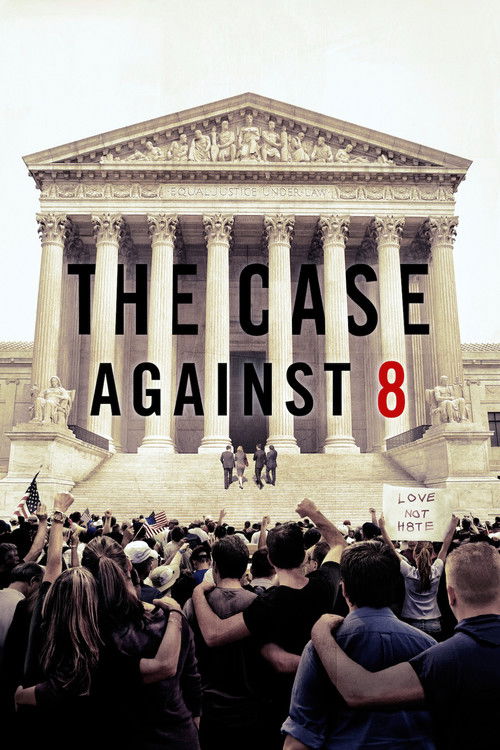
The Case Against 82014
This follows the legal battle over California's same-sex marriage ban with real people at its centre. It's about how courts and activists navigate fundamental rights questions in a polarized country.
But If you're not interested in legal process and strategy, the courtroom scenes can feel slow-moving.
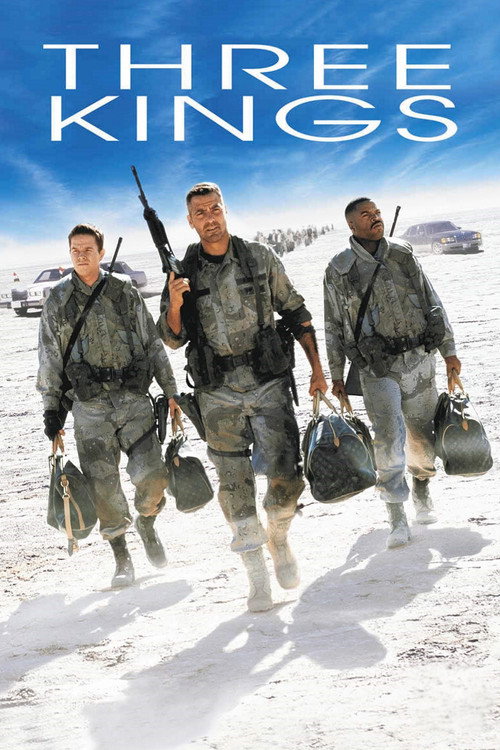
Three Kings1999
Not about abortion directly, but a sharp film about American moral contradictions abroad. It asks similar questions about whose lives matter and whose suffering is visible.
But It's a war film with graphic violence, and the connection to 12th & Delaware is thematic rather than direct.
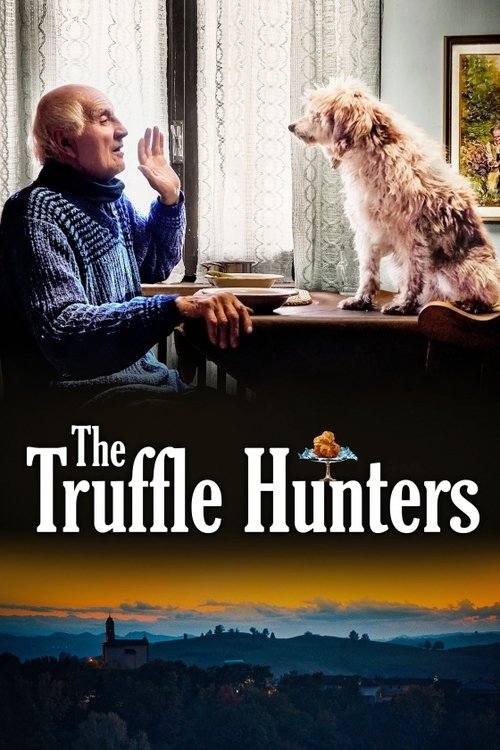
The Truffle Hunters2020
A gorgeously shot documentary about elderly men hunting truffles in Italy. It has nothing to do with abortion, but shares 12th & Delaware's patient, non-judgmental observation of people in conflict over resources and tradition.
But If you're looking for something directly relevant to reproductive rights, this will feel like a tonal whiplash.
Finding Vivian Maier2014
A documentary investigation into a mysterious photographer's life. Like 12th & Delaware, it resists easy narrative closure and asks viewers to sit with ambiguity and incomplete information.
But It's meandering, and some viewers find the mystery-box structure frustrating rather than compelling.

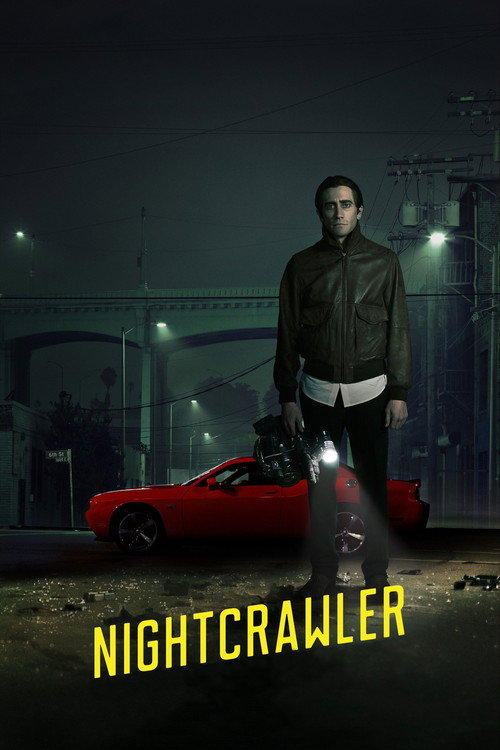
Nightcrawler2014
Like 12th & Delaware, it shows how Americans perform their deepest conflicts for an audience, and examines what it means to watch.
A fictional thriller about a man who films violence and sells it to news outlets. It's about complicity, the American appetite for spectacle, and how we've learned to commodify suffering.
But It's bleak, cynical, and offers no redemption. The protagonist is repellent and the film doesn't judge him—it just observes.
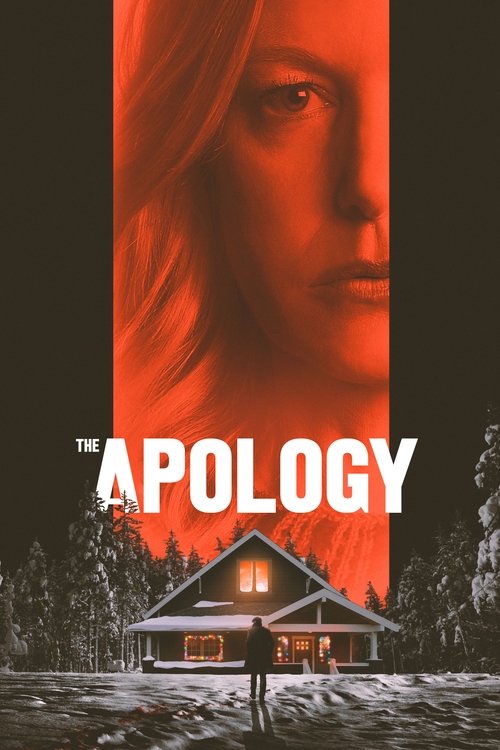
The Apology2022
Both are about how states and institutions refuse responsibility for what happens to women's bodies, and how that refusal itself becomes a form of ongoing violence.
An extraordinary South Korean documentary about three women who were sex slaves for the Japanese military demanding an apology from the government, decades later. It's about accountability, state denial, and the body as a site of political violence.
But The history is traumatic and the film refuses to soften it. Some scenes are difficult in ways that go beyond intellectual discomfort.
People
Directing
- Heidi EwingDirector
- Rachel GradyDirector
Production
- Heidi EwingCo-Producer
- Rachel GradyCo-Producer
- Christina GonzalezProduction Manager