
Film
Reversing Roe
A documentary examining how abortion law has been weaponized across American history, tracking the political machinery behind reproductive control. It features intimate interviews with abortion providers, activists, and the lawyers fighting in courts. Sharp, necessary viewing for anyone trying to understand how we got here and what's actually at stake.
Should you watch it?
Watch it if you want a clear-eyed, archive-heavy account of how courts and activists have argued over women's bodies, and you're happy to sit with a dense argument rather than a dramatic story.
Skip it if you want a story with characters you follow through a plot, since this is a talking-heads film built on argument and archive clips rather than narrative.
What it asks of you: Expect ninety-nine minutes of steady, dense talk with few moments of relief, so it rewards full attention from the first minute.
Not sure? Find tonight's pick in a minute.
If you liked this
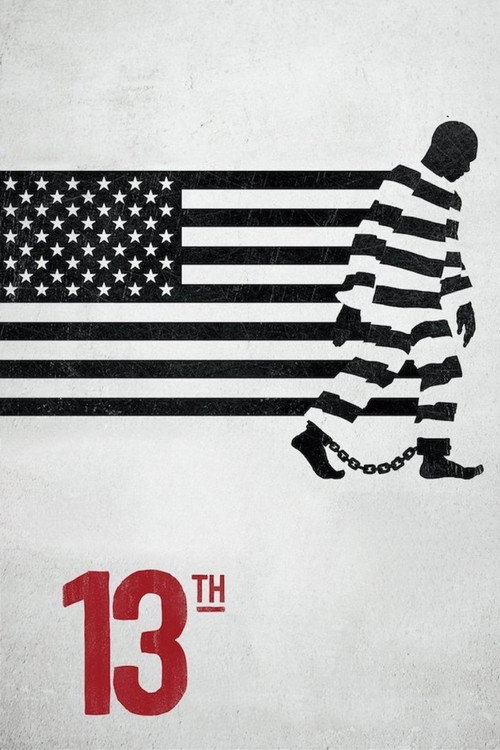
13th2016
Ava DuVernay's stunning examination of mass incarceration and the 13th Amendment's loophole. Like Reversing Roe, it traces how a constitutional phrase became a tool of control, using archives and expert testimony to expose systemic injustice.
But Dense with statistics and historical detail; some find the pacing relentless rather than propulsive.
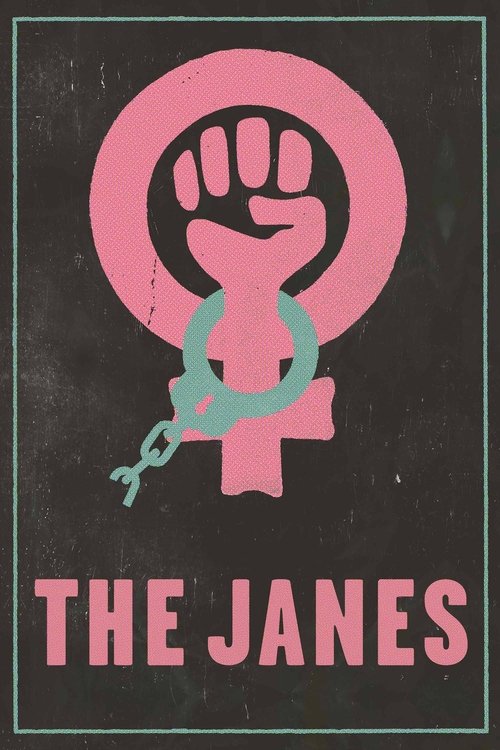
The Janes2022
A documentary about the underground abortion network in 1970s Chicago that helped thousands of women. It's both thriller and intimacy—former members recall their work with remarkable candor and no regret, offering a different angle on the same fight.
But The clandestine approach might feel distant compared to contemporary abortion access debates.
Unplanned2019
An anti-abortion activist's conversion story, told without didacticism. It's essential viewing to understand how the opposition thinks and what drives their conviction, which Reversing Roe doesn't fully explore.
But If you watch it to refute it rather than understand it, you'll miss why it matters.

Not sure tonight? Get a pick in a minute, starting from Reversing Roe
The wildcard
Something you would not have found on your own.
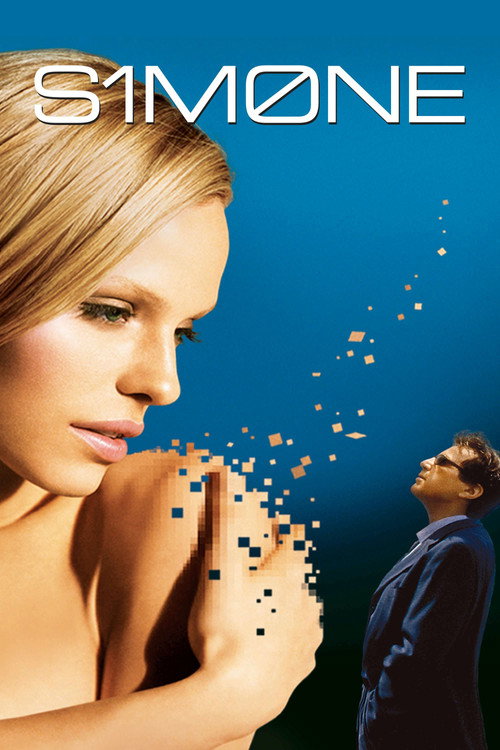
S1m0ne2002
Both ask: who has the right to decide what happens to a woman's body? Reversing Roe answers through law and history; Simone answers through absurdist fiction about creation, ownership, and agency. Same question, opposite genres.
Andrew Niccol's sci-fi comedy about an entirely digital actress created by an AI engineer. It's wildly different in tone—playful, weird, prescient—but it's actually about the same thing: who owns a woman's body, image, and labor? Who gets to control her? It's Reversing Roe's argument in drag.
But It's zany and oblique; if you want the politics spelled out, you'll miss them. Also quite strange, which is the point.
More like this (4)
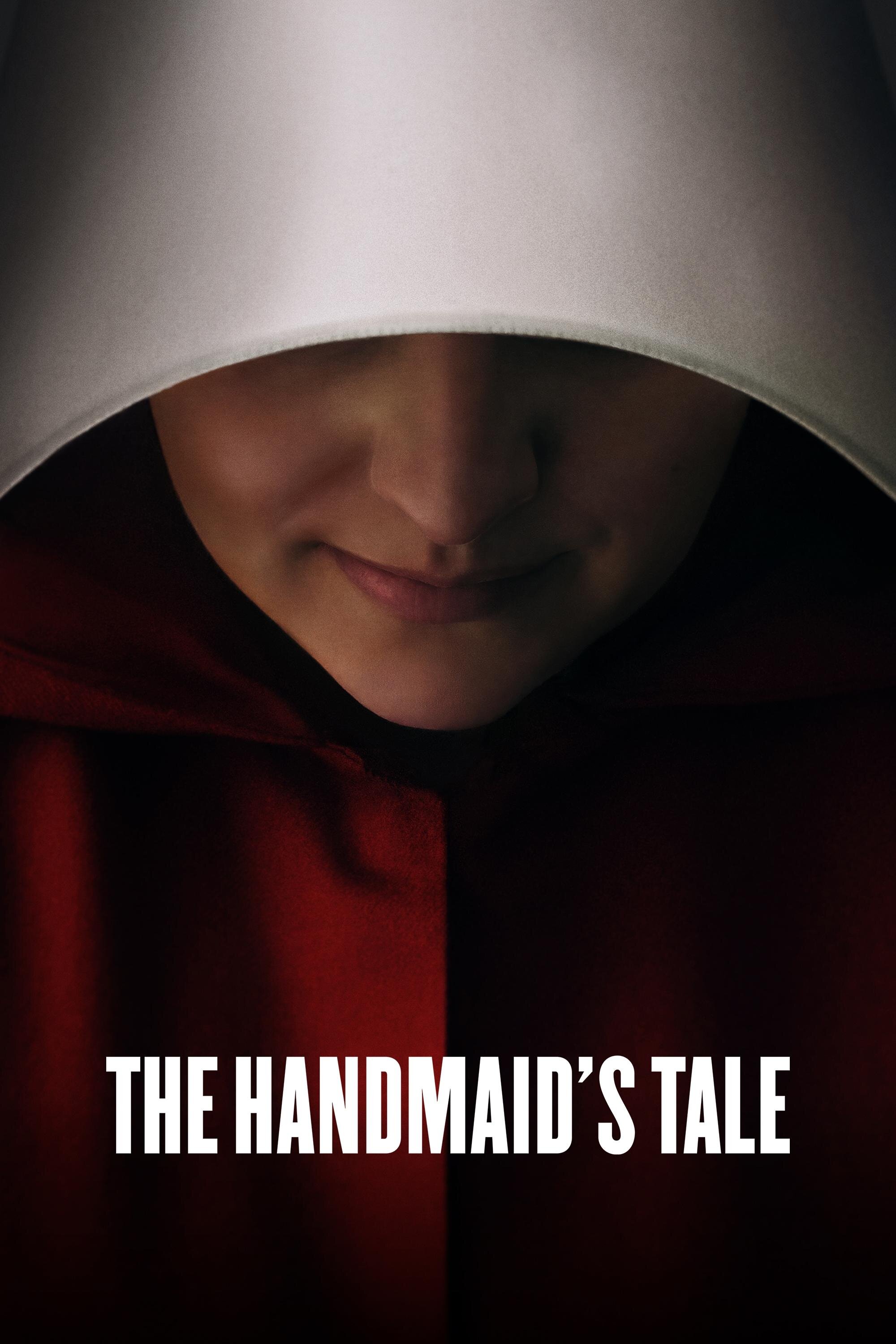
The Handmaid's Tale2017
Hulu's adaptation shows reproductive control as totalitarian governance. Watching it after Reversing Roe becomes eerie—the documentary provides the real history; the show shows where that trajectory leads.
But Fiction doesn't have the evidentiary weight of documentary; some find dystopia less urgent than facts.
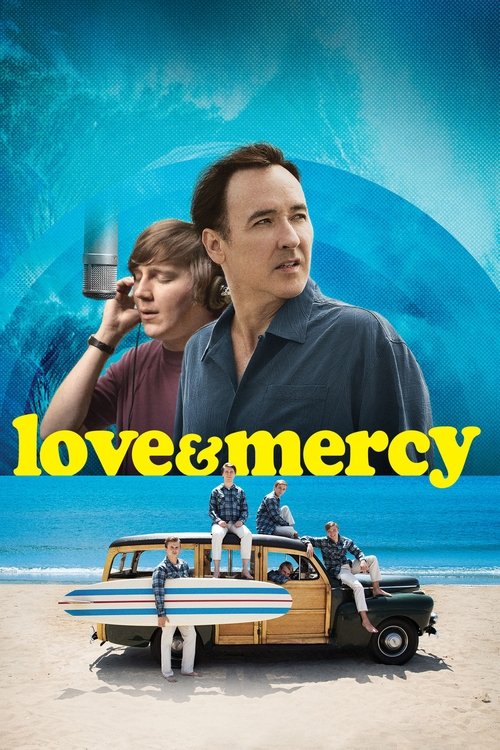
Love & Mercy2015
John Cusack and Paul Dano play Brian Wilson, showing how genius and vulnerability intersect. It's about bodily autonomy in a different register—a man losing control of his own body to pharmaceutical intervention, mirroring reproductive coercion.
But Oblique thematically; if you need direct political statement, this won't deliver it.
The Watermelon Heist2003
Actually, start with Errol Morris's *The Fog of War*, which proves how archives, testimony, and moral complexity can build documentary power. It models the kind of layered investigation Reversing Roe attempts.
But Long and meditative; if you want anger, not ambiguity, this isn't it.
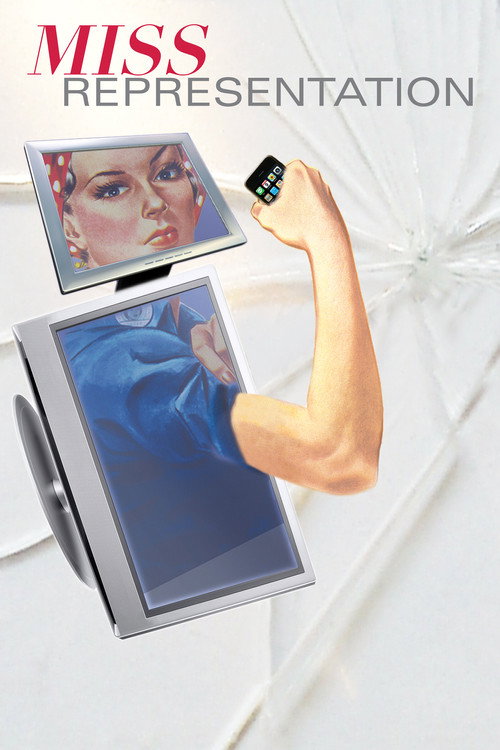
Miss Representation2011
Jennifer Siebel Newsom's examination of how media shapes women's lives and choices. Reproductive autonomy can't exist without media literacy; this shows how representation and policy are entangled.
But Focuses on media culture rather than law, which feels indirect if you want courtroom stakes.
People
Cast
- Donna HowardSelf
- John SeagoSelf
- Brigitte AmiriSelf
- Troy NewmanSelf
 Ruth Bader GinsburgSelf (archive footage)
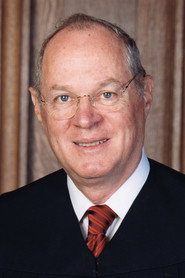 Anthony M. KennedySelf (archive footage)
 Hillary ClintonSelf (archive footage)
 Bill ClintonSelf (archive footage)
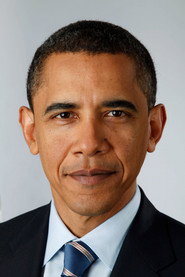 Barack ObamaSelf (archive footage)
 Antonin ScaliaSelf (archive footage)
 Donald TrumpSelf (archive footage)
Directing
- Anne SundbergDirector
- Ricki SternDirector
Writing
- Anne SundbergWriter
- Ricki SternWriter
Production
- Ben SpectorExecutive Producer
- Eva LongoriaExecutive Producer
- Morgan HertzanExecutive Producer
- Anne SundbergProducer
- Ricki SternProducer