
Film
The Marva Collins Story
Cicely Tyson delivers a career-best performance as Marva Collins, a Chicago teacher who leaves the public system to found her own school, proving that children labeled "unteachable" can excel when given proper attention and belief. It's an inspiring but unsentimental portrait of educational transformation—how one person's conviction can reshape lives. For anyone who believes in the power of teaching, or who's frustrated with systems that fail their students.
Should you watch it?
Watch it if you like earnest, character-driven classroom stories where one stubborn teacher's methods and faith in struggling kids carry the film, and you don't mind sentiment that the performances have earned.
Skip it if you want a sharp, modern take on education, since this is a dated TV movie with a plainly sentimental tone and a lot of speeches about believing in children.
What it asks of you: Expect a contained, unhurried 100 minutes, mostly in classrooms and conversation, with the emotion built slowly rather than delivered through action or plot surprises.
Not sure? Find tonight's pick in a minute.
If you liked this
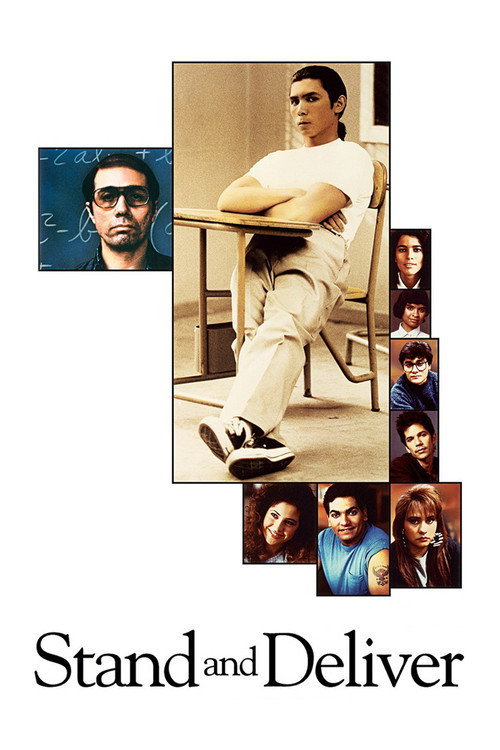
Stand and Deliver1988
Edward James Olmos brings the same fierce conviction as Collins to a true story of a math teacher who demands excellence from LA barrio students everyone else has written off. Equally unsentimental about what transformation actually costs.
But It's become a bit of a classroom fixture, and the inspirational-teacher-movie beats are familiar now. Some find it overly earnest.
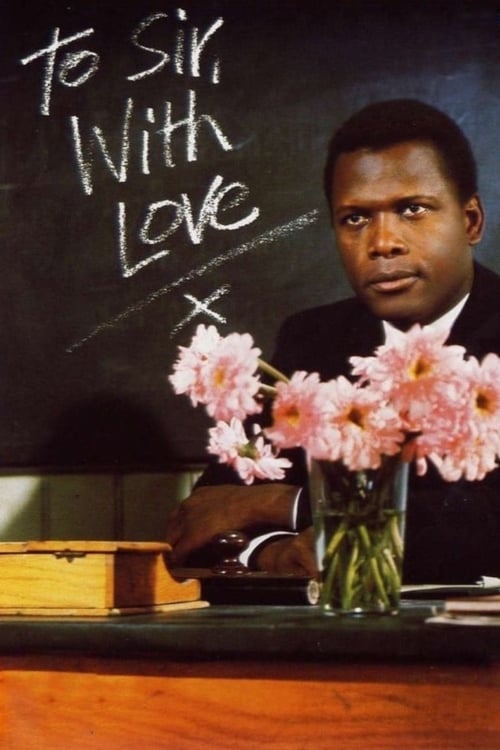
To Sir, with Love1967
Sidney Poitier navigates a London classroom of poor, rowdy students with dignity and innovation. Like Collins, he refuses condescension and instead offers real respect, which changes everything.
But The pacing is leisurely by modern standards, and some of the social attitudes, even progressive for the time, feel dated now.
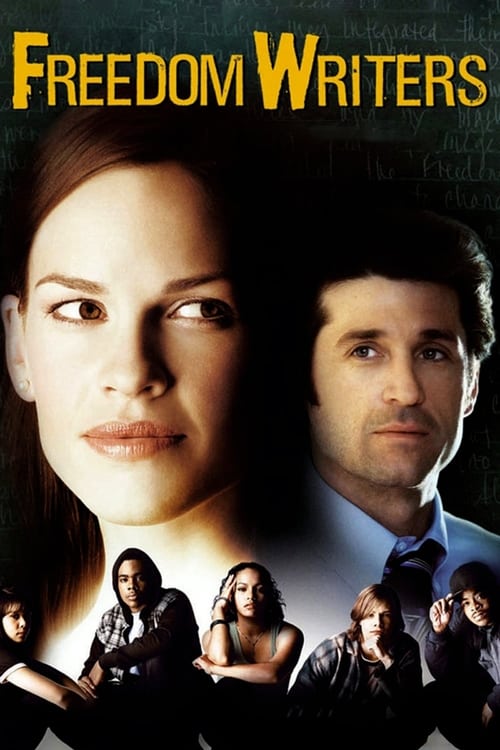
Freedom Writers2007
Hilary Swank's true-story teacher uses literature and personal narrative to reach gang-affiliated students others have abandoned. The students themselves are the heart of it—their voices matter more than hers.
But It runs long and can drift toward melodrama in places. The emotional beats sometimes overshadow the actual teaching work.
Not sure tonight? Get a pick in a minute, starting from The Marva Collins Story
The wildcard
Something you would not have found on your own.
Chariots of Fire1981
Both are historical dramas about one person refusing to let systems define the ceiling for an entire group they care about. Conviction as a force of change.
Released the same year, it's also about someone (Harold Abrahams) refusing to accept others' verdicts on his worth and potential. Both films believe in the power of an individual's conviction against systems that want to sort people into winners and losers.
But It's a sports film first, and if you're not engaged by running, the personal story sometimes takes a back seat. The pacing builds slowly.

More like this (8)
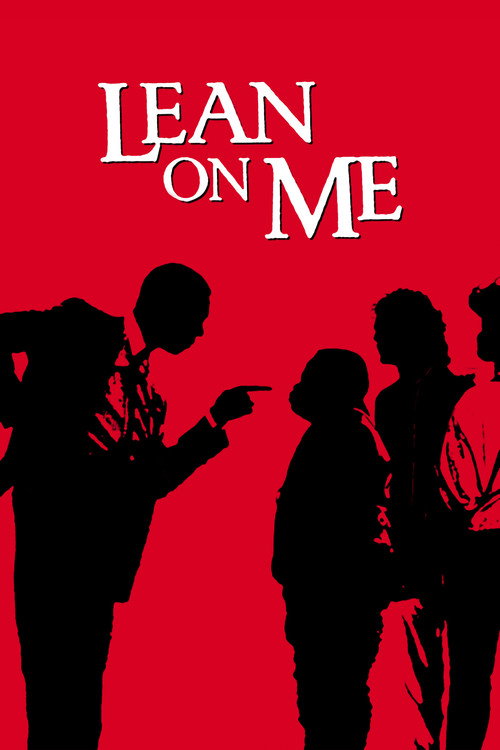
Lean On Me1989
Morgan Freeman—who appears alongside Tyson in this very film—stars as a principal who takes over a collapsed school and demands accountability from everyone. It's fiercer and messier than most teacher movies.
But Freeman's character is controlling and sometimes verbally cruel, which will bother viewers who want their inspiration gentler.
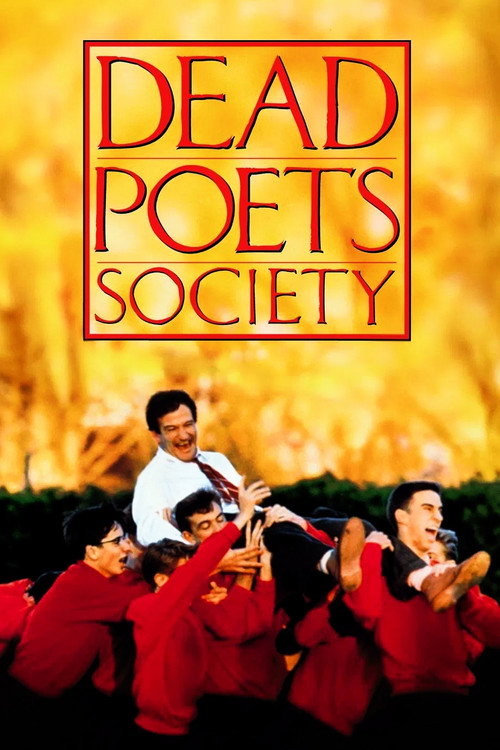
Dead Poets Society1989
Robin Williams shows how a teacher's belief in students' individuality and potential can awaken them to their own lives. It's about possibility, not metrics.
But It's aged less well than you'd hope—the gender politics especially feel retrograde. And the sentimentality can tip into manipulation.
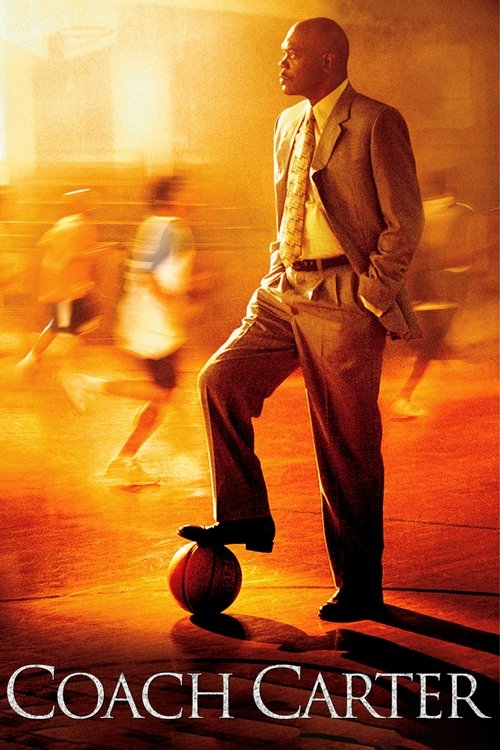
Coach Carter2005
Samuel L. Jackson's basketball coach uses discipline and standards to reach kids from Richmond's roughest neighborhoods. Like Collins, he refuses to accept their circumstances as destiny.
But The plot takes several sports-movie turns that strain credibility. Some scenes feel engineered for emotional reaction rather than earned.
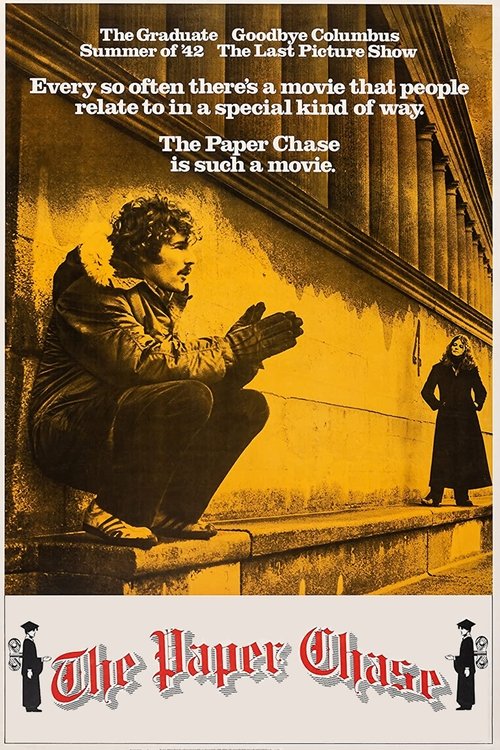
The Paper Chase1973
John Houseman is formidable as a law professor who terrifies his students into excellence. It's about rigor, not warmth—a different kind of teaching philosophy, but one that sticks.
But It's a legal thriller first and a teaching story second. If you want the classroom at the center, you'll find it peripheral.
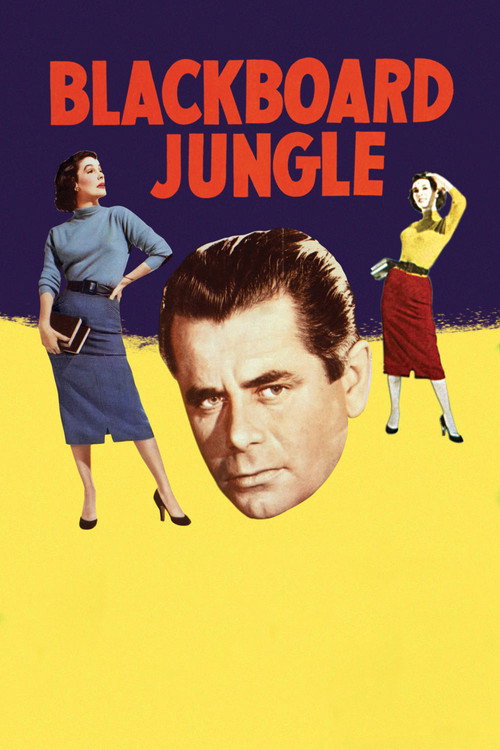
Blackboard Jungle1955
Glenn Ford and Sidney Poitier navigate a rough city school in this early, unsentimental look at teaching in a system that doesn't want to help. It refuses easy answers.
But It's quite dated in how it frames students and discipline. Some of the attitudes will read as uncomfortable now.
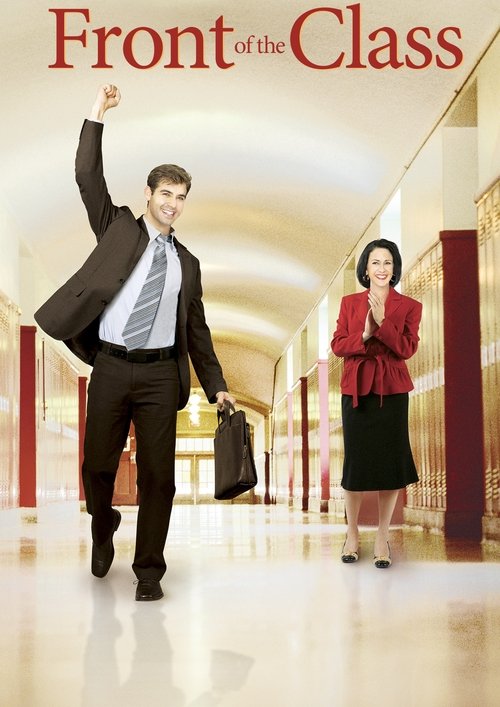
Front of the Class2008
James Wolk plays a teacher with Tourette syndrome who proves himself capable despite a system skeptical of his fit for the job. It's about redefining what competence looks like.
But The TV-movie finish-line structure and occasional heavy-handedness keep it from reaching the nuance of the best films on this list.
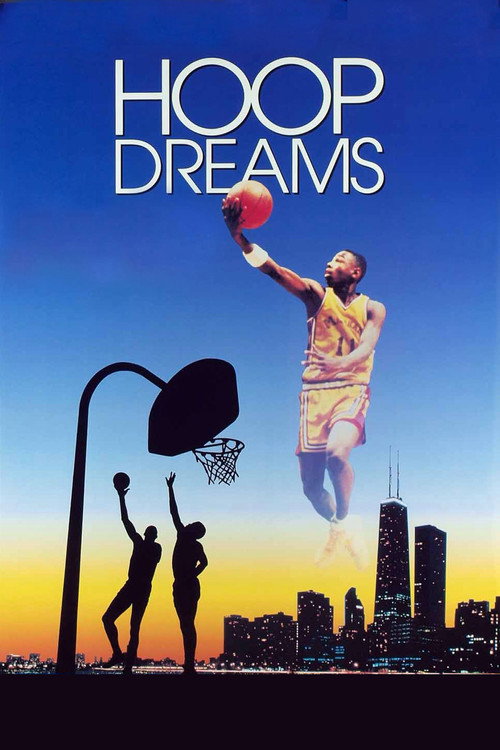
Hoop Dreams1994
Both are Chicago stories about a Black woman/community fighting systemic exclusion. One shows the problem from inside; the other shows a human solution to it.
This documentary follows two basketball players from Chicago's south side over twelve years, showing how educational and athletic systems either lift up or abandon young Black men. It's about the same city, the same structural inequities Collins fought, seen from the inside.
But It's three-and-a-quarter hours long and doesn't reach for easy inspiration—it documents system failure more than triumph, which can be bleak.
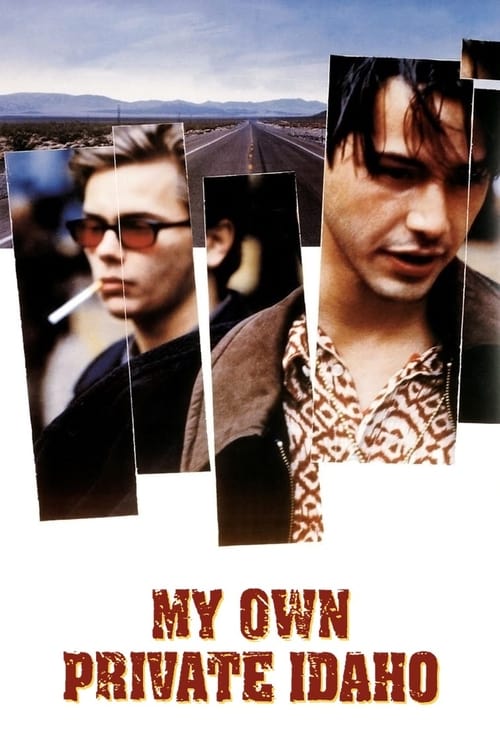
My Own Private Idaho1991
Both are about the refusal to accept society's sorting of who matters and who doesn't. Collins teaches through institution-building; Van Sant sees the unseen through form. Different tools, same conviction.
Gus Van Sant's film about a young street hustler and his relationship with a friend is not about teaching, but it's about seeing someone the world has discarded and refusing to accept that judgment—finding their value when society won't. It's a strangely parallel act of recognition.
But It's experimental, elliptical, and sometimes opaque. It's set among homeless rent boys, which some will find exploitative or simply too bleak for their evening.
People
Cast
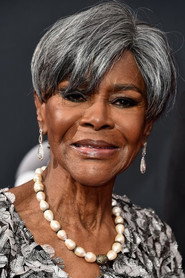 Cicely TysonMarva Collins
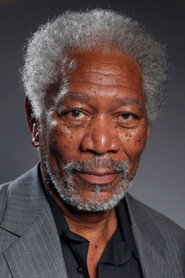 Morgan FreemanClarence Collins
- Rodrick F. WimberlyMartin Luther Jones (as Roderick Wimberly)
- Mashaune HardyCindy Collins
- Brett BouldinPatrick Collins
- Samuel Muhammad Jr.Eric Collins
- Dianne KirkseyCynthia Rawls
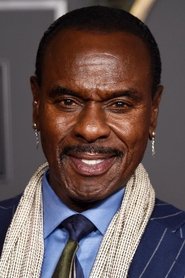 Steven WilliamsMcCloud
- Frankie HillIda Banbower
- Charlie BrownChester Boland
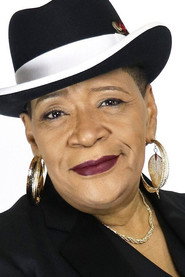 Marsha WarfieldLela Boland
- Ce Ce ThompsonLouise Jones
Directing
- Peter LevinDirector
Writing
- Clifford CampionWriter
Production
- Clifford CampionCo-Producer
- Marian ReesExecutive Producer
- Conrad HolzgangProducer