
Film
Aag
Raj Kapoor's directorial debut is a sweeping romantic drama about a man torn between theatrical ambition and love, told through memory and confession. Shot with vivid expressionism and scored with memorable songs, it's a film about the intoxicating pull of art and the cost of choosing it over human connection. Essential viewing for anyone interested in Hindi cinema's golden age or the psychology of obsession.
If you liked this
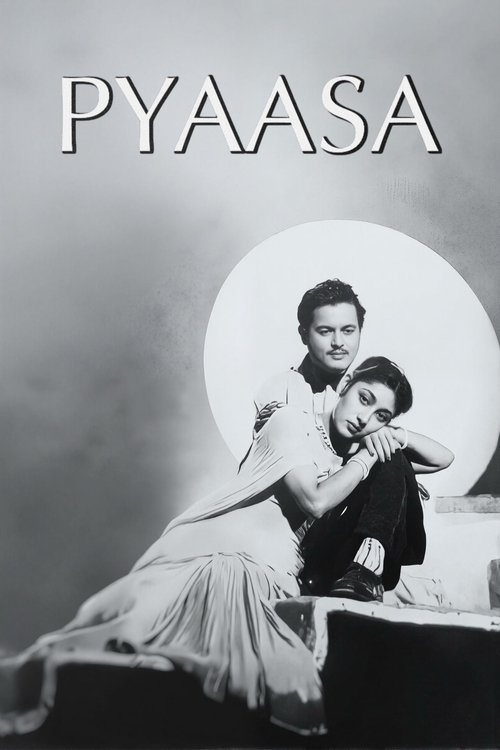
Pyaasa1957
Guru Dutt's masterpiece about a struggling poet mirrors Aag's obsessive artist protagonist, but deepens the tragedy. The film is a visual and emotional knockout, with Dutt's performance capturing despair with heartbreaking precision. A logical next step for understanding Hindi cinema's exploration of artistic sacrifice.
But It's slower and sadder than Aag, with a deliberately bleak ending that offers no redemption. The pacing demands patience, and the melancholy can feel relentless.
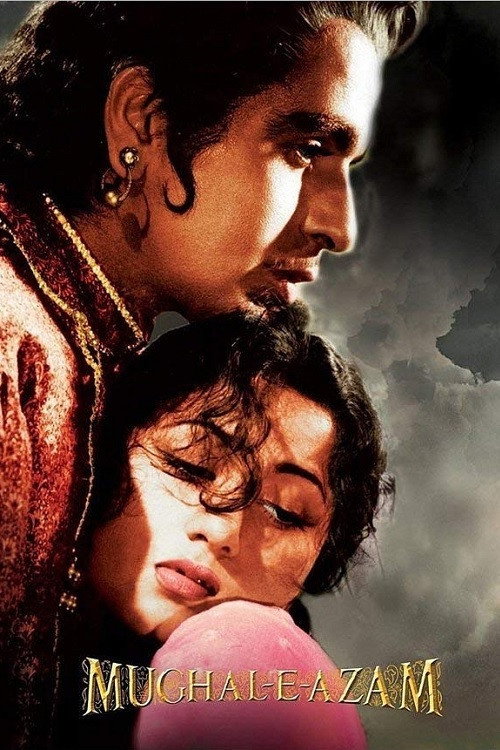
Mughal-e-Azam1960
K. Asif's epic romance is cinema on the grandest scale: lavish sets, forbidden love, sumptuous color cinematography, and songs that define an era. It shares Aag's romantic intensity and theatrical spectacle, but with the added weight of historical tragedy and court intrigue.
But At over three hours, it's a commitment. The melodrama is unapologetic, and if you're not in the mood for sweeping historical romance, it can feel overwrought.
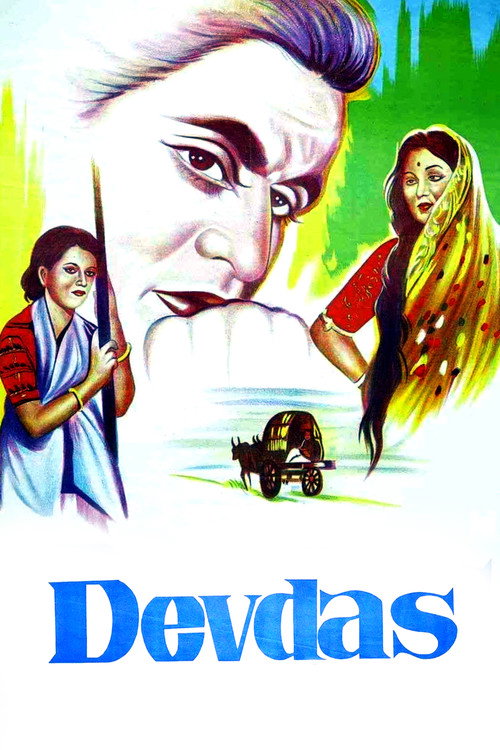
Devdas1955
Bimal Roy's adaptation of Sarat Chandra Chattopadhyay's novel explores similar emotional terrain: a man destroyed by impossible love and personal demons. Dilip Kumar's performance is wrenching, and the film's visual sophistication rivals anything Kapoor achieved. A profound meditation on self-destruction.
But It's genuinely tragic with no catharsis, only slow dissolution. The protagonist's weakness can feel frustrating rather than sympathetic if you're not aligned with the film's worldview.
Not sure tonight? Get a pick in a minute, starting from Aag
The wildcard
Something you would not have found on your own.
Devi1960
Both films are structured around a man whose internal fixation—theatrical art in one, religious certainty in the other—becomes a form of blindness that harms those closest to him. Both use cinema itself to explore the seduction of private worlds.
Satyajit Ray's film about a man whose obsession with religious belief destroys his family shares Aag's fascination with how private conviction can become destructive fanaticism. Ray's restrained direction and moral clarity offer a stunning contrast to Kapoor's expressionism, yet both films ask identical questions about the cost of belief. Essential viewing for understanding cinema's treatment of obsession.
But It's a Bengali film in black-and-white with a contemplative pace. Ray's style is the opposite of theatrical spectacle, and the ending is deliberately unresolved, which frustrates viewers seeking closure.

More like this (4)
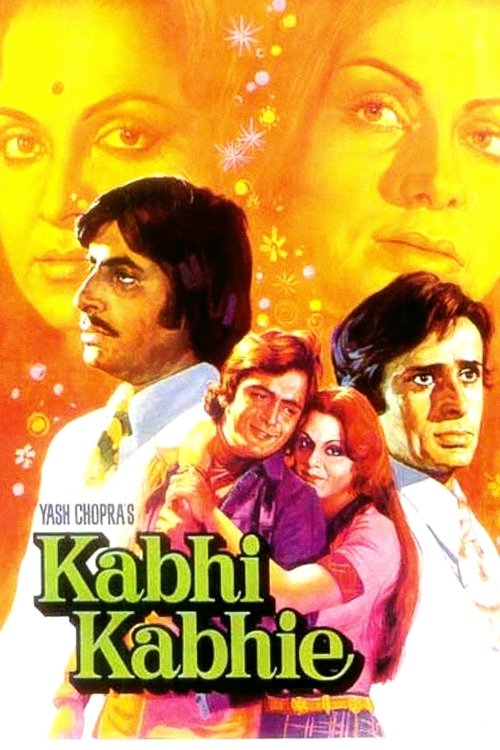
Kabhi Kabhie1976
Yash Chopra's four-decades-spanning romance echoes Aag's structure of memory and confession. It's lush, romantic, and explores how love shapes identity across time. Amitabh Bachchan and Shashi Kapoor are magnetic as men caught between art and devotion.
But The film's sentimentality is overwhelming for some viewers. The melodrama can tip into kitsch, and the romantic idealization won't appeal to cynical sensibilities.
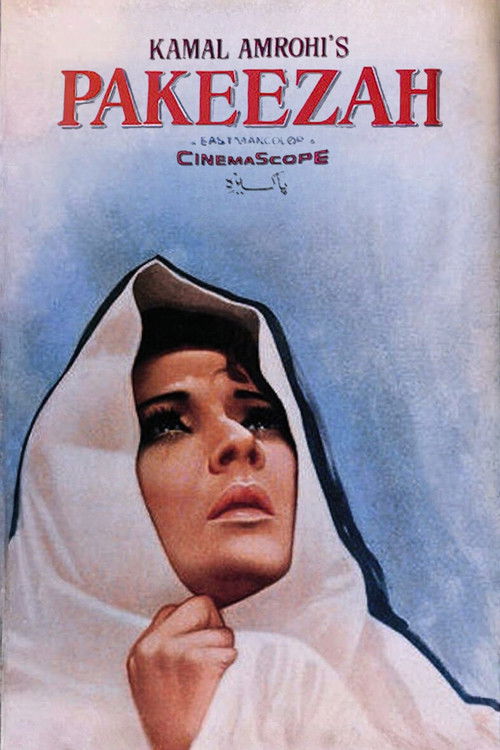
Pakeezah1972
Kamal Amrohi's visually intoxicating film about a courtesan who becomes a dancer shares Aag's fascination with theater, performance, and social transgression. The cinematography is luminous, and Meena Kumari's performance is haunting. A meditation on beauty and social exclusion.
But The plot is melodramatic even by the standards of the era, and the pacing can feel glacial. The film's attitudes toward women and morality may frustrate modern viewers.
Bhaag Milkha Bhaag2013
Rakeysh Omprakash Mehra's biopic about the legendary runner shares Aag's obsessive focus on a man consumed by his passion. While more modern in style, it captures the same intoxicating drive and the personal relationships sacrificed to ambition. Akshay Khanna's supporting performance is quietly excellent.
But It's a 21st-century film, so the emotional register and visual language are entirely different from Aag. If you're seeking historical continuity rather than thematic resonance, you may feel the gap.

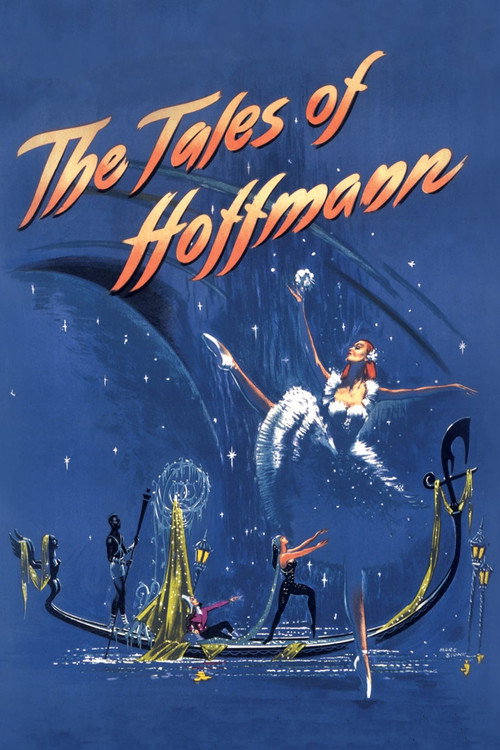
The Tales of Hoffmann1951
Both films collapse the boundary between theater and cinema, using exaggerated performance, vivid design, and musical sequences to externalize internal emotional states. Both center on men for whom artistic beauty becomes a substitute for genuine human connection.
Michael Powell and Emeric Pressburger's wildly ambitious British film adapts Offenbach's opera into pure cinema, with sets designed like theatrical backdrops and color used like music. Like Aag, it's about an artist obsessed with an impossible romantic ideal, but it approaches the subject through the language of ballet and operatic spectacle. A stunning visual and emotional experience.
But It's a British film based on European opera, which may feel culturally distant from Aag. The theatrical artificiality is intentional but can read as affected or cold rather than passionate. Some find the melodrama campy.
People
Cast
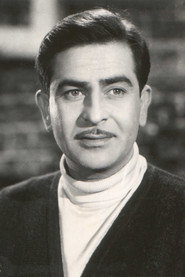 Raj KapoorKewal
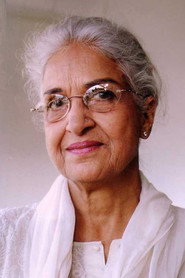 Kamini KaushalMiss Nirmala
 NargisNimmi
 Nigar SultanaNirmala
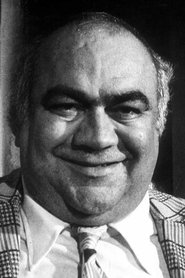 Premnath MalhotraRajan
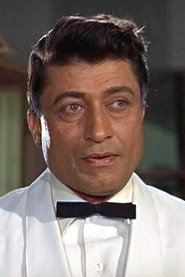 Kamal KapoorKewal Khanna's father
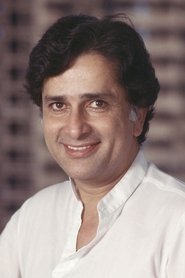 Shashi KapoorYoung Kewal Khanna
Directing
- Raja NawatheAssistant Director
- Raj KapoorDirector
Writing
- Inder Raj AnandWriter
Production
- Raj KapoorProducer