
Film
The Second Home
A 17-minute Indian short film examining the invisible weight of marital adjustment. After a woman leaves her world to marry, she navigates small sacrifices and compromises that accumulate into something heavier. It's a quiet, observant look at domestic negotiation—the kind of thing that happens in every household but rarely gets named. For anyone who's felt the slow gravity of other people's expectations.
Should you watch it?
Watch it if you like small domestic dramas that build pressure out of ordinary irritations, the way a household's little expectations pile up into something you can't ignore.
Skip it if you need a story that moves through plot, because this short piece stays inside one situation and its mounting weight rather than widening out.
What it asks of you: Seventeen minutes, mostly inside one household, with tension that builds slowly; it wants patience for small moments that accumulate rather than a quick hit.
Not sure? Find tonight's pick in a minute.
If you liked this
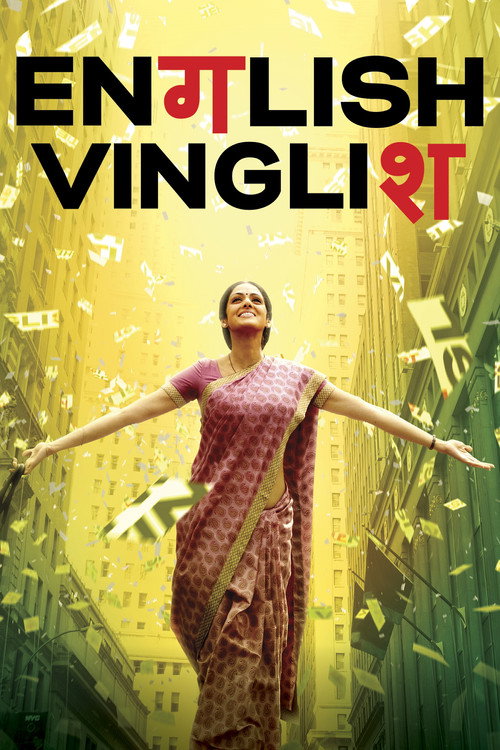
English Vinglish2012
Gauri Shinde's warm exploration of a woman finding her voice within marriage, told with humour and genuine affection. It captures the texture of domestic life without ever feeling small or dismissive.
But The tone is gentle and leisurely; if you want conflict and drama, this moves too slowly to satisfy that hunger.
Parched2015
Leena Yadav's unflinching portrait of four women negotiating desire, duty and survival in rural India. It's generous and unsentimental, finding both humour and heartbreak in the everyday.
But The subject matter involves sexual violence and assault. It's necessary to the story but genuinely difficult to watch.

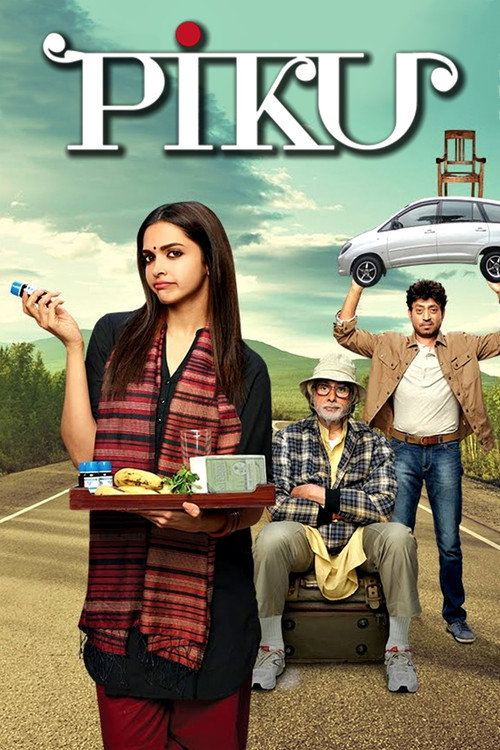
Piku2015
A film about a woman who doesn't marry, which makes it the perfect counterpoint—Deepika Padukone's character chooses her father and her own life. Funny, modern, and quietly radical about family obligation.
But The father-daughter dynamic is the plot; some find it indulgent rather than touching.
Not sure tonight? Get a pick in a minute, starting from The Second Home
The wildcard
Something you would not have found on your own.
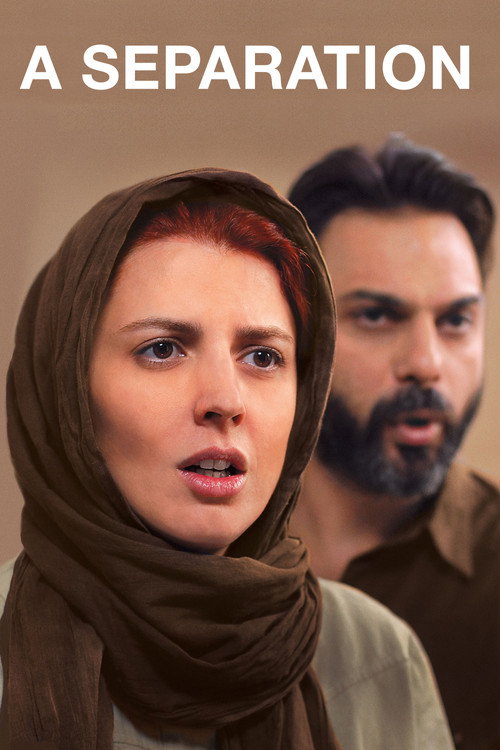
A Separation2011
Both examine how obligation and compromise accumulate until a relationship becomes unliveable. Both are precise about the small humiliations of domestic life. Farhadi simply extends the form to its full tragic arc.
Asghar Farhadi's Iranian masterpiece about a marriage collapsing. It doesn't judge—it simply observes two reasonable people trapped by duty, ideology and love. Structurally and morally similar to what The Second Home explores, but at devastating scale and duration.
But It's a slow-burn legal and moral drama with no catharsis. If you need resolution, this film denies it.
More like this (8)
Thappad2020
A single slap becomes the hinge of an entire marriage. Anubhav Sinha examines how women are taught to absorb small violences, and what happens when one woman decides not to. Precise and morally clear.
But The pacing is deliberate and intellectual; it prioritises ideas over momentum, which isn't everyone's cinema.

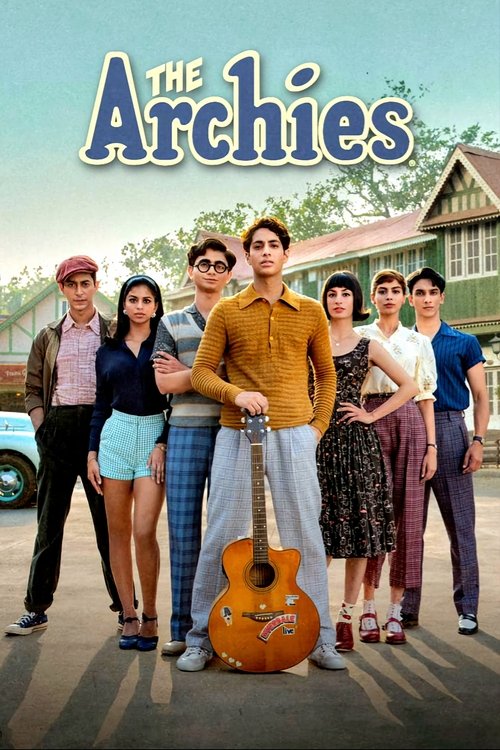
The Archies2023
A lighter watch: Zoya Akhtar's colourful, music-driven film about young women navigating friendship and self-discovery. Different register, same interest in how women claim space.
But It's a debut for the leads and it shows; some performances feel uncertain. And if you hate the Archie comics, this won't convert you.
Courage Under Fire1996
Deepa Mehta's film about two sisters-in-law discovering desire and agency within an arranged marriage. Visually stunning and structurally bold—it announced that Indian cinema could be experimental about gender and sexuality.
But Made nearly 30 years ago, the film was banned and protested; its formal style feels distinctly of its moment, which some find dated.

Lipstick Under My Burkha2017
Four women of different ages and stages pursue small, fierce acts of rebellion. It's funny, sexy, and genuinely subversive about how women negotiate desire and duty in conservative contexts.
But It was initially banned for obscenity in India; if you find sexuality discussed openly uncomfortable, that discomfort is the point.

Ek Ladki Ko Dekha Toh Aisa Laga2019
A quieter film about a woman discovering her identity within her family. It's gentle with its characters while still being honest about the cost of compromise and secrecy.
But The script sometimes spells out its themes rather than trusting the audience; the emotional beats can feel telegraphed.

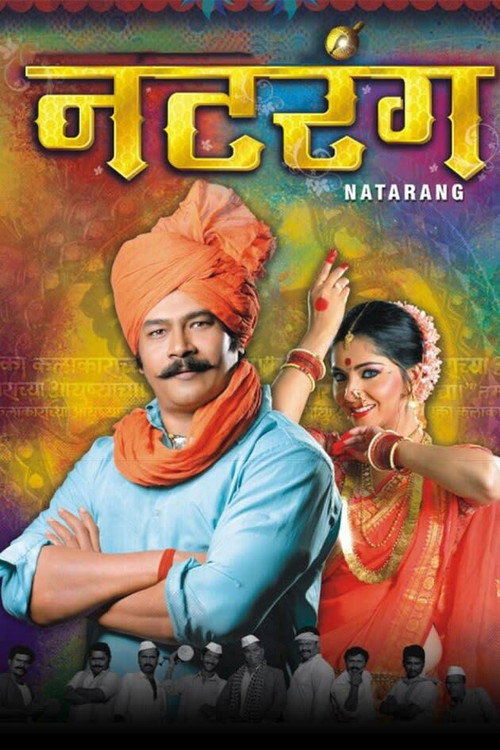
Natrang2010
A Marathi film about an older man finding freedom in theatre. Not directly about marriage, but structurally similar—a person constrained by family duty suddenly glimpsing another way to live.
But It's region-specific and language-specific; if you're unfamiliar with Marathi theatre or culture, some resonance will be lost.
Minari2021
Both focus on the internal economics of marriage—what women give up, what they don't say, how small things pile up. Both are portrait films rather than plot films.
Lee Isaac Chung's film about a Korean family pursuing the American Dream, with the mother constantly sacrificing for the family unit. It's about immigrant women specifically, but the emotional machinery—duty, resentment, love, silence—is universal. Shot with such tenderness you can see the cost in every frame.
But The reward structure of the film is minimal; things don't resolve so much as reach an uneasy stability. That might feel incomplete.

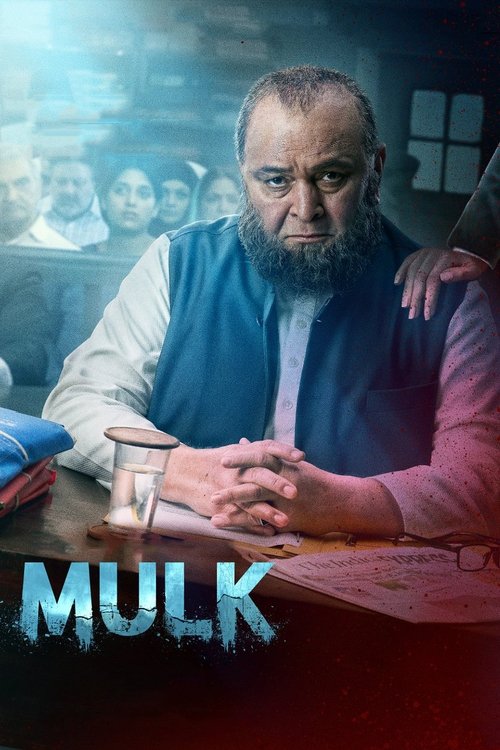
Mulk2018
Like The Second Home, it's about women maintaining domestic order under impossible conditions. The mother in Mulk is what the woman in The Second Home might become—older, hardened, but unbroken. It extends the timeframe and raises the stakes, but the core material is identical.
A legal drama about an Indian Muslim family under suspicion. Seems political on the surface, but it's actually about a mother holding her family together against external and internal pressure. Rishi Kapoor's performance is a masterclass in quiet authority. Surprising in its emotional depth.
But The political context requires some familiarity with Indian current events; without it, some stakes won't land. Also, Bollywood courtroom drama has its own conventions, and this doesn't always escape them gracefully.
People
Cast
- Manik AnandJeet
 Swati RajputBani
Directing
- Suveer BhambhaniDirector
Writing
- Kabir ThaparWriter