
Film
Didi
Other titles called Didi: the 2024 film.
- Family drama
- Slow-burning
A fourteen-minute British-Indian short film about two estranged sisters reuniting and facing an unspoken tension between them. It's intimate and deliberately paced, letting silences and glances carry weight. For anyone who understands that the biggest conversations happen without words, and that family ruptures rarely announce themselves loudly.
If you liked this
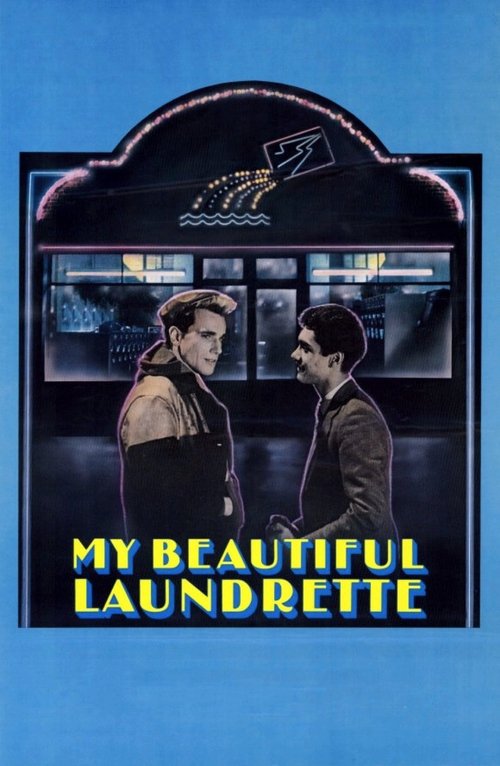
My Beautiful Laundrette1985
Stephen Frears' tender, unflinching look at identity, class, and belonging in Thatcher's Britain through the eyes of a young British-Pakistani man. It has the same quiet power to expose what remains unspoken between people.
But It's deliberately unglamorous and at times uncomfortable. The pacing is deliberate rather than propulsive.
Bend It Like Beckham2002
A joy of a film about a British-Indian woman navigating family expectations, identity, and her own desires. It balances humour with genuine emotional stakes and understands the specific pressures of that particular hyphenated life.
But It's more comedy than drama. If you're after something as restrained as *Didi*, this will feel broader.

In the Mood for Love2000
Wong Kar-wai's masterpiece communicates an entire relationship through glances, proximity, and clothing. Like *Didi*, it trusts you to read the emotions beneath the surface. Achingly beautiful.
But It's slow and hypnotic to the point of abstraction. If you need plot momentum, you'll find it frustrating.

Not sure tonight? Get a pick in a minute, starting from Didi
The wildcard
Something you would not have found on your own.
Aftersun2022
Both are precisely constructed short films about families, using restraint and atmosphere rather than exposition. Both trust the audience to feel their way into complicated relationships.
Charlotte Wells' debut is a thirty-minute experimental film about a daughter's fragmented memories of a holiday with her father. Like *Didi*, it uses silence and visual detail to convey love and loss. It premiered as a short before expanding into the feature—the short version captures exactly the emotional economy you felt in *Didi*.
But It's deliberately fragmented and dreamlike. You piece it together as much as watch it. Requires active engagement and comfort with ambiguity.

More like this (8)
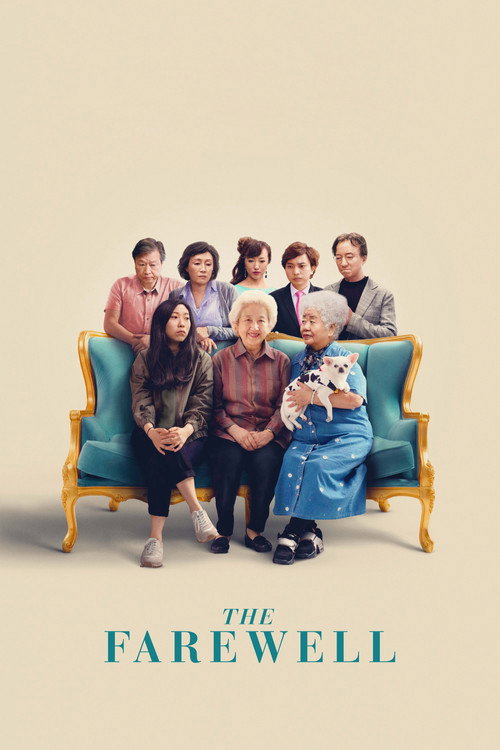
The Farewell2019
Lulu Wang explores family, secrets, and cultural identity through a deceptively simple premise. It has real humour alongside genuine heartbreak, and understands how families function as units of contradiction.
But The tonal shifts between comedy and drama might feel uneven if you're in a particular mood.
Moonlight2016
Barry Jenkins' three-part meditation on identity, desire, and self-knowledge across a life. It communicates profound emotional truths through gesture and atmosphere, rarely spelling anything out.
But It's formally experimental and slow. Some find the restraint distant rather than moving.

American Honey2016
Andrea Arnold's stunning portrait of young people on the margins of America. It has the same attentiveness to small moments and unspoken tensions, the same refusal to judge or explain.
But It's long, digressive, and bleak. Not comforting in any way. Requires patience.

A Ghost Story2017
David Lowery's meditation on time, loss, and presence. It communicates through visual language and mood rather than dialogue. Devastatingly small and devastating.
But It's genuinely strange and minimalist. The central image might make you laugh or feel alienated rather than moved.

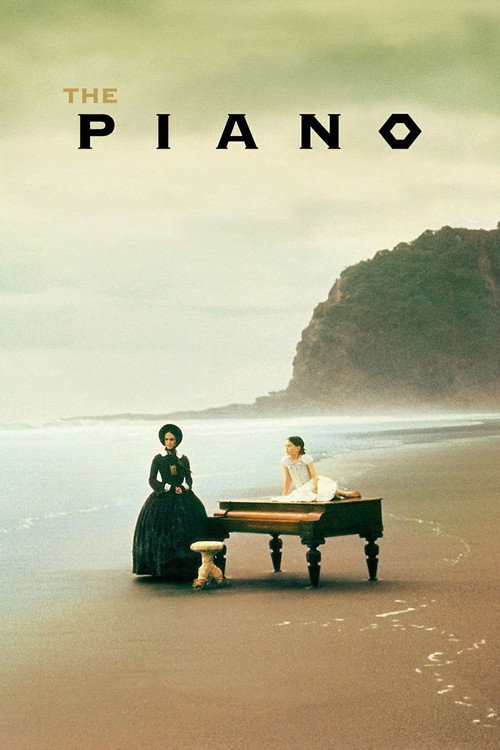
The Piano1993
Jane Campion's film about a mute woman navigating desire, family, and her own will in nineteenth-century New Zealand. Communication without words is the entire language of the film.
But It's sensual and sometimes dark. The relationship dynamics are complicated in ways that won't sit easily with everyone.
Stalker1979
Tarkovsky's philosophical science-fiction film moves at its own pace and rewards attention to what's not being said. It's about desire, meaning, and the spaces between people.
But It's extremely slow, obscure, and uninterested in conventional narrative satisfaction. Only for viewers willing to surrender to mood.

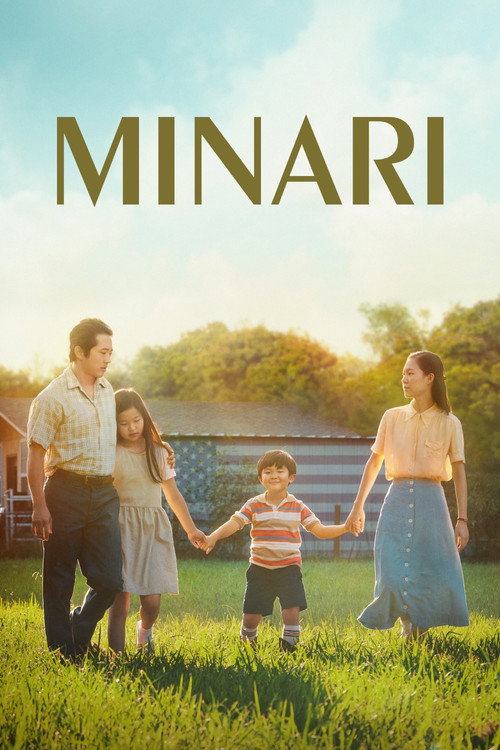
Minari2021
Both examine the interior life of families navigating diaspora and identity, using precise observation and silence to convey emotional truth. Both feature complex female characters whose inner lives matter more than external action.
Lee Isaac Chung's film about a Korean-American family pursuing the American dream feels ancestral to *Didi*—it understands the specific texture of immigrant life, generational conflict, and what gets left unsaid across cultural lines. Shot with documentary-like specificity.
But It's quiet and episodic rather than dramatically shaped. Some plot threads don't resolve in conventional ways.
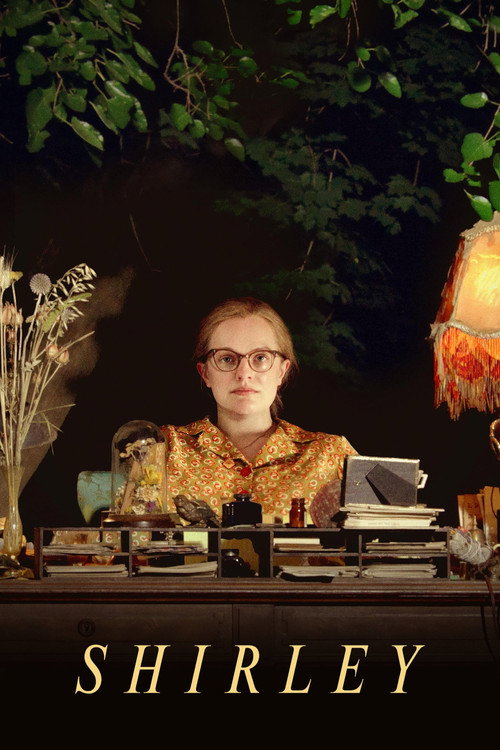
Shirley2020
Where *Didi* uses stillness and silence to show the distance between sisters, *Shirley* uses visual chaos and fragmentation to show female creativity and rivalry. Both examine sisterhood and unspoken tension, but from opposite formal strategies.
Josephine Decker's portrait of author Shirley Jackson is formally daring—fractured, non-linear, employing animation and distortion to show how Jackson's inner life shapes her perception. It's about a woman's relationship to her own ambition and her sister figure. Visually restless in a way that mirrors psychological turmoil.
But It's aggressively experimental and refuses realism. Decker's aesthetic will feel pretentious or alienating if you prefer conventional filmmaking.
People
Cast
- Radhika JaniTamanna
- Humaira IqbalAarushi
Directing
- Rehan MudannayakeDirector
Writing
- Radhika JaniWriter