
Film
Hale County This Morning, This Evening
- Slow-burning
An intimate portrait of Black life in rural Alabama, composed of unscripted moments that accumulate into something far bigger than documentary convention allows. It's poetic, meditative, structurally adventurous—less interested in answers than in the texture of living, the weight of history, and the persistence of joy. For viewers hungry for cinema that trusts them.
Should you watch it?
Watch it if you respond to observational cinema that trusts small, unhurried moments of daily life to carry weight, and you don't need a plot to feel something accumulating across a film.
Skip it if you want a story with a clear arc, characters you follow through conflict, or any sense of being told what to feel; this one leaves the meaning mostly in your hands.
What it asks of you: It runs about seventy-six minutes at a patient, drifting pace, with long unscored stretches of ordinary days, so it rewards you for staying still and watching closely.
Not sure? Find tonight's pick in a minute.
If you liked this
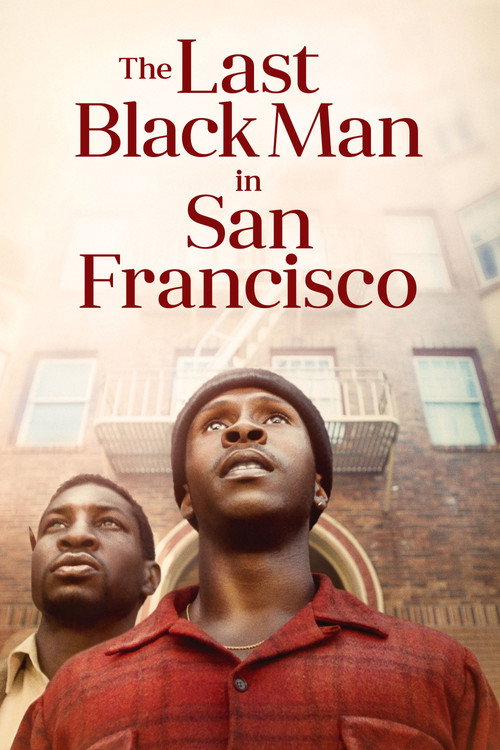
The Last Black Man in San Francisco2019
Shares the patient, lyrical approach to capturing community and identity. Uses landscape and ritual to explore belonging, memory, and what home means when the world keeps changing around you.
But Moves at its own meditative pace; some viewers find the slowness frustrating rather than contemplative.
Moonlight2016
Three chapters following a man through time, structured around intimate moments rather than plot. Explores identity, desire, and vulnerability with the same visual precision and emotional restraint as Hale County.
But Deliberately quiet and introspective; if you're looking for conventional narrative momentum, you'll find it punishing.

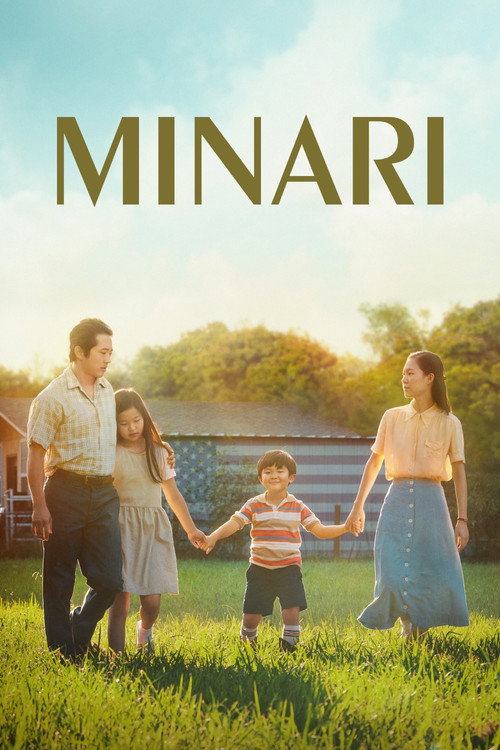
Minari2021
A portrait of immigrant family life constructed from small gestures and daily struggles. It finds dignity and dream in the overlooked moments, the same way Hale County does.
But The pacing is glacial; some feel it substitutes mood for engagement.
Not sure tonight? Get a pick in a minute, starting from Hale County This Morning, This Evening
The wildcard
Something you would not have found on your own.
Sans Soleil1983
Both films use the essay form to explore how geography, history, and time inscribe themselves on human life. Both refuse plot in favor of accumulated observation and reflection.
Chris Marker's essay-film about memory, geography, and what we carry across time and space. Like Hale County, it trusts fragments over narrative, and builds emotional truth through juxtaposition and voice.
But Absolutely demands active viewing; it will confuse you if you're not paying attention, and some find its approach deliberately oblique.

More like this (6)
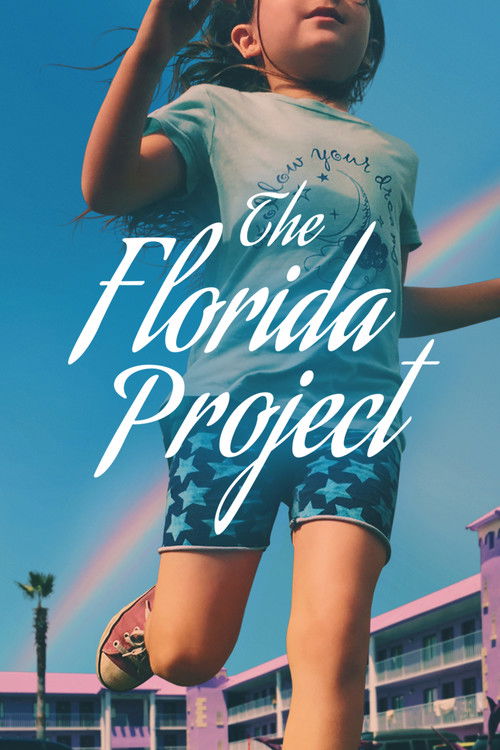
The Florida Project2017
Documents the texture of precarious life without judgment or explanation. Built on observation, faces, and the resilience hidden in ordinary days. Gorgeous and urgent simultaneously.
But The handheld camera style can feel exhausting; it doesn't offer the distance some viewers need.
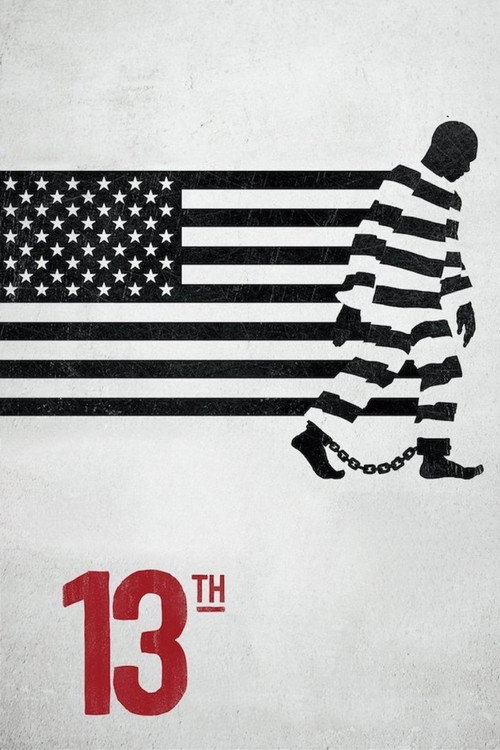
13th2016
Ava DuVernay's historical essay on race and incarceration in America. If Hale County shows you the present moment, this contextualizes the weight pressing down on it.
But More explicitly argumentative than Hale County; some find the rhetorical approach heavy-handed.
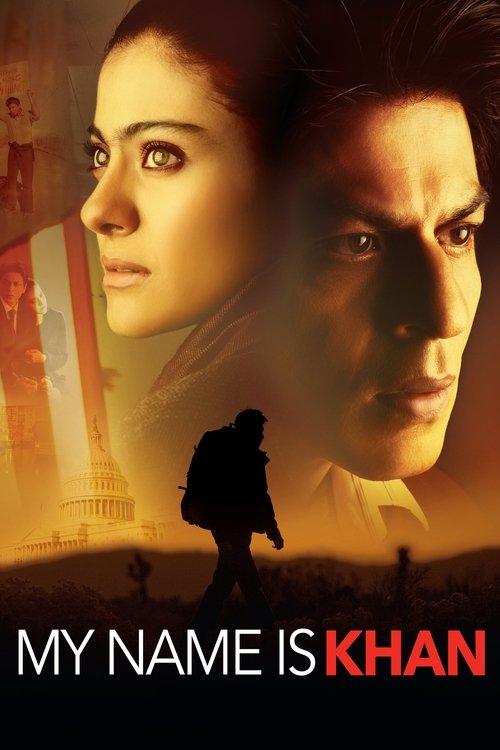
My Name Is Khan2010
A journey film about identity, prejudice, and resilience; quieter than its premise suggests. Values interiority and the slow accumulation of understanding over spectacle.
But Melodramatic moments undercut the subtlety; some viewers find the tonal shifts jarring.
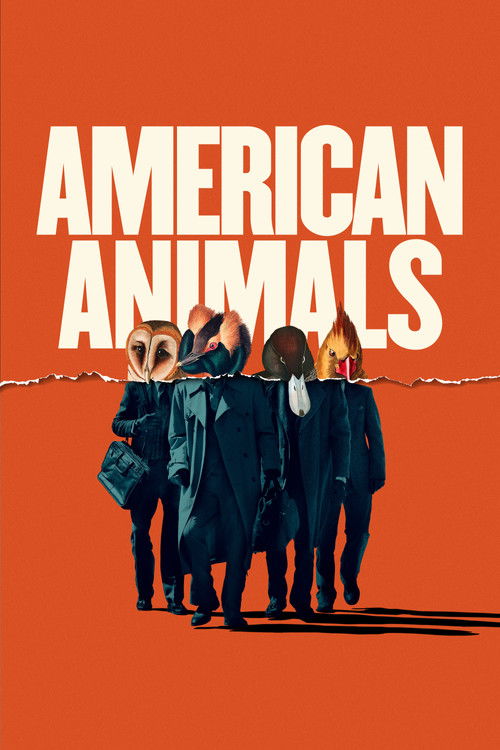
American Animals2018
Documentary that interrogates memory and truth by mixing archive, dramatization, and interview. Formally adventurous in the same way—skeptical of traditional documentary authority.
But The formal playfulness can feel like showing off; the lack of a clear stance frustrates some viewers.
Night and Fog1956
Both films understand that some truths require poetic form, not exposition. Both trust the viewer to feel the historical weight without being told.
Alain Resnais's 32-minute meditation on memory and the Holocaust, moving between archive footage and present-day Auschwitz. Spare, devastating, structured around questions rather than answers.
But Confronts atrocity directly; it is not an easy watch, and the brevity makes the weight harder to digest.
The Act of Killing2012
Both films center on what it means to inhabit a landscape shaped by racial violence, and how people live and dream despite or within that weight. Both trust cinema's formal strangeness to reveal moral truths.
Indonesian death-squad perpetrators re-enact their own killings, creating a documentary about denial, performativity, and how we construct identity around trauma. Radically strange and deeply urgent.
But Profoundly disturbing and morally vertiginous; the method itself will unsettle viewers who expect documentary to maintain distance.

People
Directing
- RaMell RossDirector
Writing
- Maya KrinskyCo-Writer
- RaMell RossWriter
Production
- Sarah d'HanensAssociate Producer
- Lynda WeinmanCo-Executive Producer
- Charlotte CookExecutive Producer
- Danny GloverExecutive Producer
- Laura PoitrasExecutive Producer
- Susan RockefellerExecutive Producer
- Tony TabatznikExecutive Producer
- Joslyn BarnesProducer
- RaMell RossProducer
- Su KimProducer
Recommended by
The Prison in Twelve Landscapes, Killer of Sheep, Baltimore Rising, Say Her Name: The Life and Death of Sandra Bland