
Film
Mountains May Depart
- Drama
- Slow-burning
Jia Zhangke's sweeping portrait of modern China across three decades, following one woman's quiet choices and their rippling consequences. It moves between 1999, 2014, and 2025—past, present, future—watching how love, ambition and geography remake a life. Contemplative, structurally ambitious, deeply moving for those patient with stillness.
Should you watch it?
Watch it if you like patient, observational storytelling where big historical shifts show up in small domestic choices, and a love story that unfolds across decades rather than in a single arc.
Skip it if you need plot momentum or a tidy emotional payoff, since this drifts between eras and lets feelings settle quietly rather than resolve on cue.
What it asks of you: Settle in for over two hours of long, unhurried takes and gaps you must fill yourself; the mood shifts gradually, so steady attention pays off more than close tracking.
Not sure? Find tonight's pick in a minute.
If you liked this
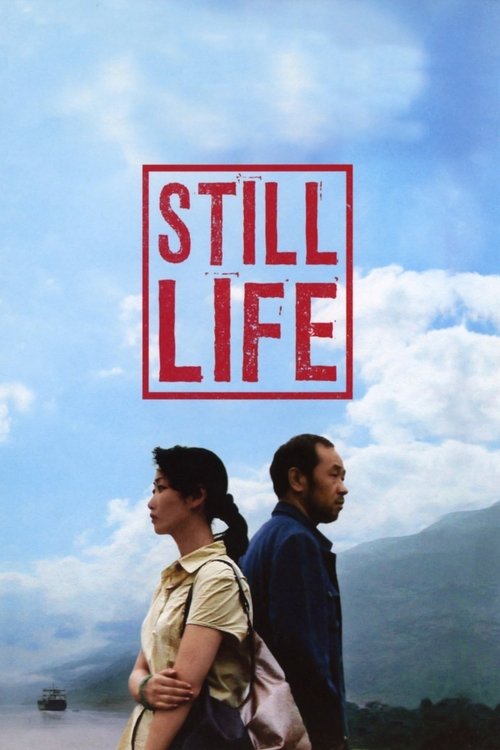
Still Life2006
Jia's earlier masterpiece about displacement and memory in a flooded Chinese village. Same unhurried gaze, same feeling that what's unsaid matters most. Essential if Mountains resonates with you.
But Slower than slow. Forty minutes can pass with almost nothing happening. If you need plot momentum, this will exhaust you.
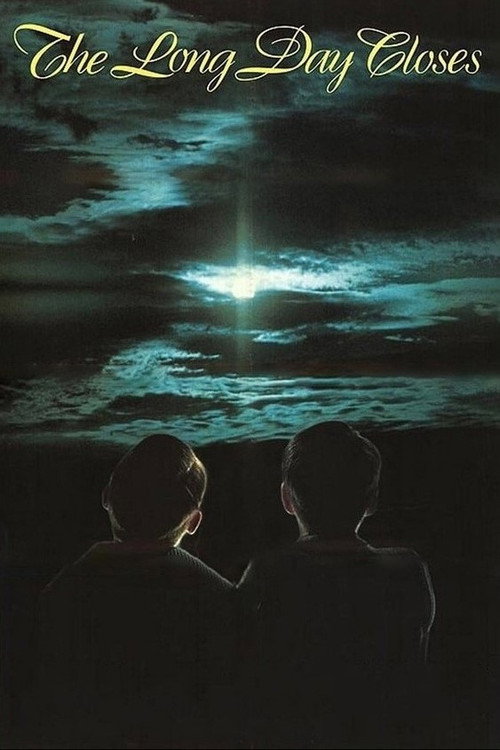
The Long Day Closes1992
Terence Davies' portrait of a shy boy in 1950s Liverpool, structured as fragments and memories. Like Mountains, it prizes small moments—a glance, a song—and finds entire lives in them.
But Extremely interior and melancholic. The lack of conventional narrative can feel airless if you're not in the mood.
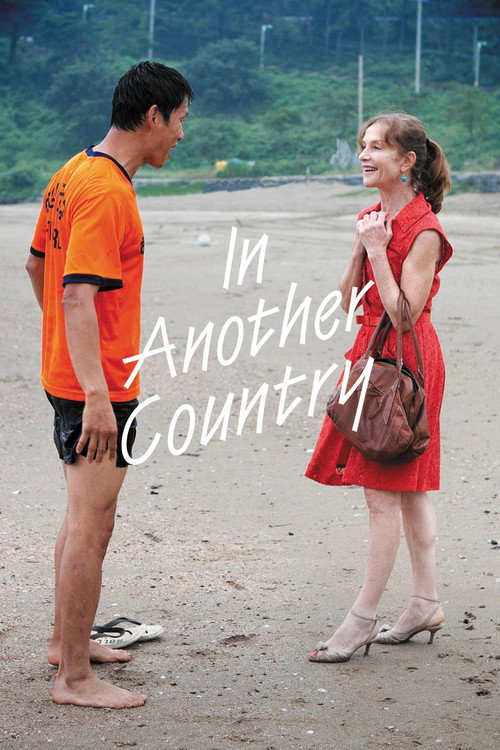
In Another Country2012
Hong Sangsoo's film about a woman revisiting a seaside town, encountering echoes of past selves. Shares Mountains' interest in time, repetition, and how the same place holds different meanings.
But Defiantly slight. Some will find it precious rather than profound. Plotless in a way that tests patience.
Not sure tonight? Get a pick in a minute, starting from Mountains May Depart
The wildcard
Something you would not have found on your own.
Synecdoche, New York2008
Both films build alternate architectures of time and place to explore how identity and memory reshape themselves. One is a quiet river, one is a flood—same water, different speed.
Charlie Kaufman's labyrinth about a theatre director building a replica city inside a warehouse. Also maps emotional life across time and space, also watches people remake themselves. But torrential where Mountains is still—maximalist where Jia is minimal. Same obsession, opposite temperature.
But Exhausting and claustrophobic. Deliberately byzantine. The metaphors can feel heavy-handed. Not for those seeking clarity.

More like this (8)
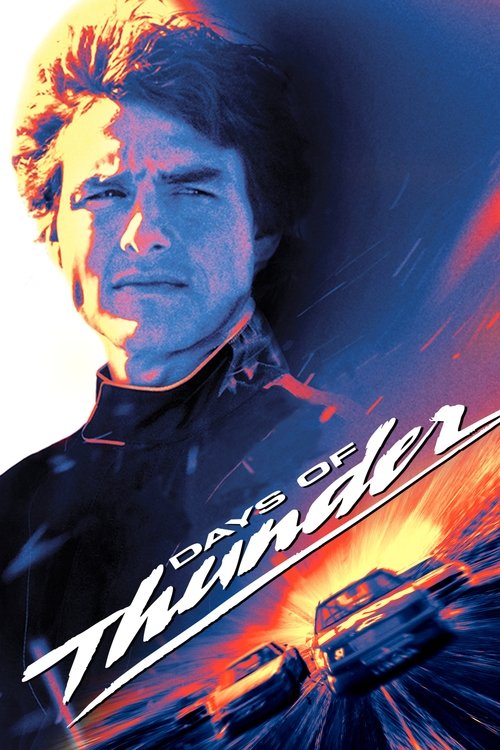
Days of Thunder1990
Tsai Ming-liang's portrait of two men in a Taipei apartment, built from routine and silence. The same faith that duration and attention are enough—that watching is enough.
But Genuinely taxing. Long, nearly dialogue-free scenes of people existing. Feels less like cinema and more like surveillance.
The Farewell2019
Lulu Wang's film about a Chinese family gathering, explores similar questions of duty, tradition, and what we leave unsaid across cultures and generations. More accessible, but carries real emotional weight.
But Lighter in touch than Mountains. If you're drawn to Jia's asceticism, this might feel slightly conventional.

A Ghost Story2017
David Lowery's meditation on time, loss, and memory. Formally strange, emotionally oblique, but obsessed with how the past haunts the present—thematically aligned with Mountains.
But Deliberately weird and withholding. The ghost-under-a-sheet premise put some people off immediately.

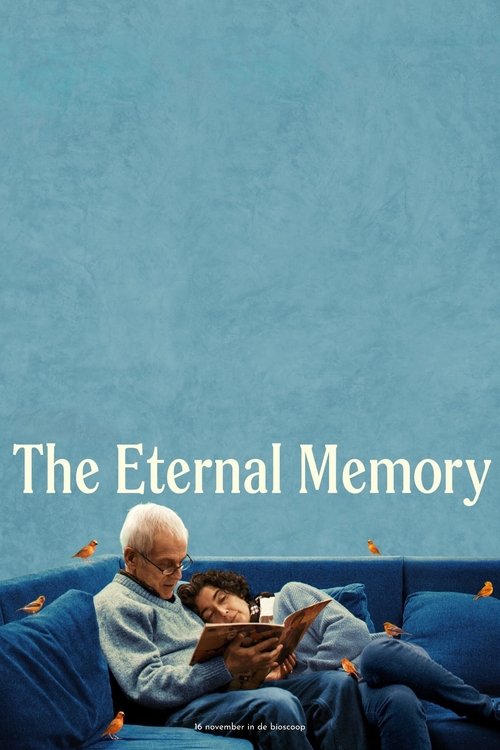
The Eternal Memory2023
Julio Medem's documentary following a couple as dementia unravels their shared life. Watches time work backwards on love with the same tender attention Jia brings to change.
But Heartbreaking in a way that's genuinely hard. Not remotely escapist. Some will find it too intimate to watch.
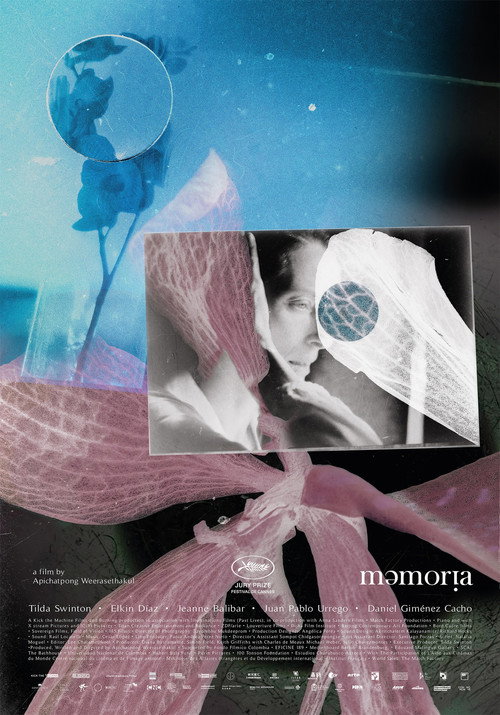
Memoria2021
Apichatpong Weerasethakul's film about a woman haunted by a sound she can't identify. Hypnotic, concerned with memory and absence. Rewards patience with genuine strangeness.
But Willfully obscure. Refuses to explain itself. If you want clarity, look elsewhere.
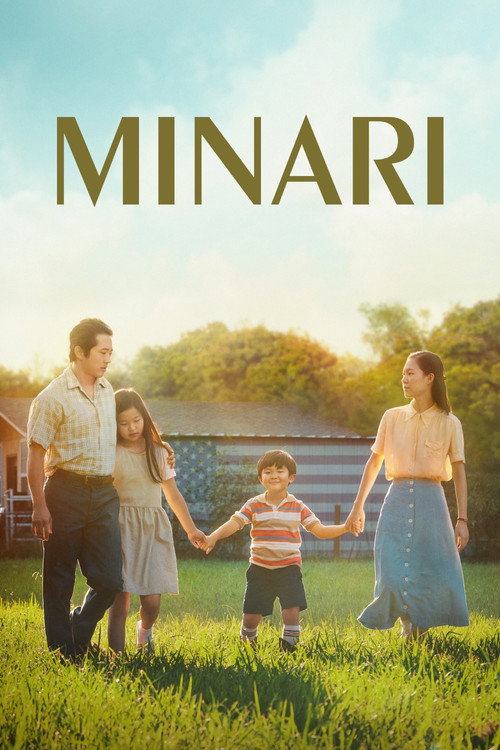
Minari2021
Lee Isaac Chung's intimate portrait of a Korean-American family building a life in Arkansas. Smaller in scope than Mountains but carries the same hard-won humanism and generational understanding.
But More conventional in structure. If Mountains' formal ambition is what draws you, this feels almost traditional by comparison.
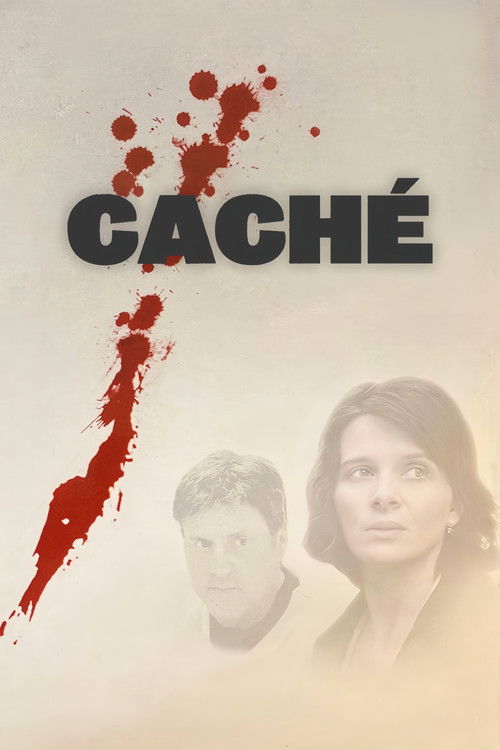
Caché2005
Both use time as an instrument of reckoning—watching the present destroy the past's illusions. But one is documentary-still, the other is a moral ambush.
Michael Haneke's film about a couple receiving mysterious videotapes, slowly unravels their comfortable life through accumulated dread. Also moves backward through time; also watches a life remade by something half-glimpsed. But where Jia is patient and elegiac, Haneke is accusatory.
But Genuinely unsettling. Built to provoke guilt and complicity. Some will feel manipulated rather than moved by the ending.
Tokyo Story1953
The foundational structure: families across time, geography remaking intimacy, the unsaid as the center of meaning. Ozu invented this grammar. Jia inherits and renews it.
Ozu's film about an elderly couple visiting their son and grandchildren in Tokyo, watching how time and distance have remade their family. Seventy years before Mountains, he was already doing this—watching what remains when lives diverge. The ancestor text.
But Remote and formal to modern eyes. Barely any camera movement. Long scenes of people sitting. The emotional register is so muted it can read as cold.

People
Cast
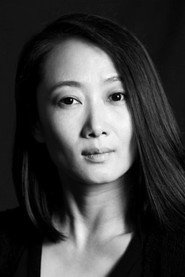 Zhao TaoShen Tao
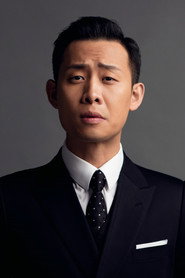 Zhang YiZhang Jinsheng
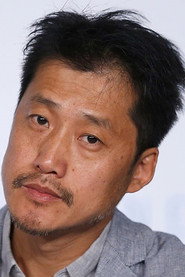 Liang JingdongLiang Jangjung
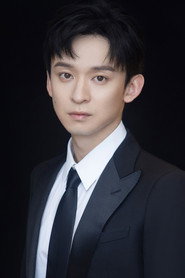 Dong ZijianZhang Daole
 Sylvia ChangMia
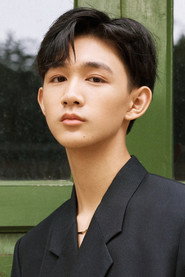 Rong ZishanYoung Zhang Daole
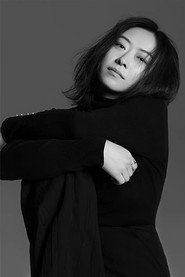 Liu LuLiang's Wife

Directing
- Giovanni Jiabin O.Assistant Director
- Jia RuiAssistant Director
- Lin TianAssistant Director
- Giovanni Jiabin O.Continuity
- Li MengContinuity
- Xu ZhengyueContinuity
- Jia ZhangkeDirector
- Wang JingFirst Assistant Director
Writing
- Jia ZhangkeScreenplay
Production
- Jia WenyuAdministration
- Ma HeminAssistant Production Manager
- Rongguang ChenAssistant Production Manager
- Juliette SchrameckAssociate Producer
- Kazumi KawashiroAssociate Producer
- Qian JianpingAssociate Producer
- Wang HongAssociate Producer
- Wei ShiauAssociate Producer
- Yuji SadaiAssociate Producer
- Zhang DongAssociate Producer
- Olivier PèreCo-Producer
- Rémi BurahCo-Producer
- Elisha KarmitzExecutive Producer
- Jia ZhangkeExecutive Producer
- Liu ShiyuExecutive Producer
- Masayuki MoriExecutive Producer
- Nathanaël KarmitzExecutive Producer
- Ren ZhonglunExecutive Producer
- Claire PatronikLine Producer
- Xing WanliLine Producer
- Gao XiangLocation Assistant
- Jian ZhouLocation Assistant
- Mao ShuoLocation Assistant
- Ren PengfeiLocation Assistant
- Wang GanggangLocation Assistant
- Yan QiaoluLocation Assistant
- Zhang YurongLocation Assistant
- Zhang ZhihuaLocation Assistant
- Zhimin ChenLocation Assistant
- Zhu YunlongLocation Manager
- Shôzô IchiyamaProducer
- Clémentine Le RoyProduction Assistant
- Jianhua YinProduction Coordinator
- Justine O.Production Coordinator
- Su YongweiProduction Coordinator
- Zhang DongProduction Manager
- Wang YingliangUnit Manager