Television series
To Dear Myself
Three women at different life stages navigate the pressures of modern urban China—career ambition, family expectation, romantic uncertainty. To Dear Myself is warm and accessible, balancing comedy with genuine emotional weight. It's for anyone who recognizes themselves in the tension between who you are and who people want you to be.
If you liked this
Something Just Like This2020
Another Chinese drama about young urbanites juggling careers, relationships and self-discovery. Smart about the gap between social media versions of your life and actual reality. Similar ensemble warmth and humor.
But Slower pacing in the middle section; some subplots resolve more neatly than real life would allow.

Nothing But Thirty2020
The spiritual companion piece—three women turning thirty in Shanghai, reckoning with career, marriage, identity. More serious in tone than To Dear Myself but built on the same insight that your thirties are when you actually become yourself.
But Deliberately darker and messier; some arcs end without catharsis. Not comfort viewing in the same way.

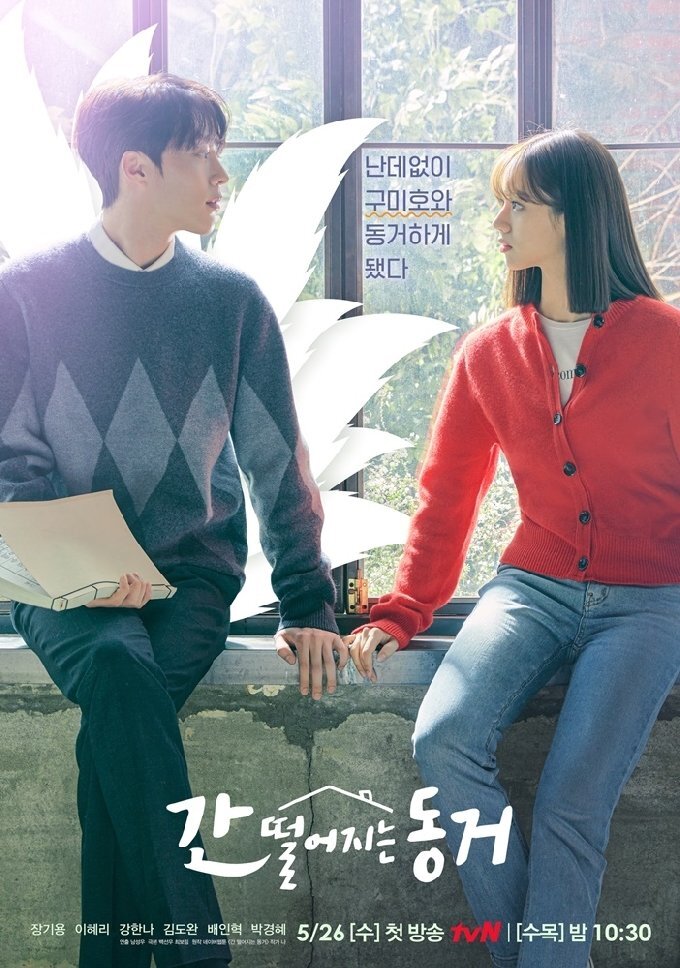
My Roommate Is a Gumiho2021
Korean series with similar DNA: young woman in the city, ensemble supporting cast, supernatural element as flavoring rather than focus. Charming and funny without needing to resolve everything perfectly.
But The fantasy premise invites plot contrivance in the final stretch. Some romantic resolution feels obligatory rather than earned.
Not sure tonight? Get a pick in a minute, starting from To Dear Myself
The wildcard
Something you would not have found on your own.
Fleabag2016
Both center women genuinely reckoning with who they are versus who they thought they'd be; both use humor and ensemble cast to avoid letting that reckoning become depressing.
British comedy-drama about a woman building a life in the rubble of her own mistakes. Like To Dear Myself, it understands that the biggest obstacles aren't external—they're the stories you tell yourself. Fourth-wall breaks make you complicit in her self-deception.
But Darker and messier than anything in To Dear Myself; some episodes prioritize cringe and self-sabotage over warmth. Also much shorter (six episodes per season).

More like this (5)
Hometown Cha-Cha-Cha2021
South Korean comfort drama about finding yourself in a small coastal town. Same generous spirit toward its characters, same faith in small moments—a meal, a conversation, showing up for someone.
But Deliberately low-stakes and episodic; if you want propulsive plotting, this will feel meandering.

Romance Is a Bonus Book2019
Korean drama set in a publishing company; three women at different life points, careers and romance genuinely interwoven rather than competing. Clever about aging, starting over, and the fear that you're running out of time.
But Some supporting characters are thinly drawn. The central love triangle resolves in a way some viewers find disappointing.

Eternal Love of Dream2020
Fantasy-adjacent but grounded in character. Female lead navigates politics, family pressure, and her own agency across multiple timelines. Surprisingly sophisticated about power and choice.
But Complex mythology takes patience to follow. Some viewers will find the fantasy elements distracting from the emotional core.

Minari2021
Both examine immigrants and strivers in unfamiliar cities, and both conclude that the real story is internal—about accepting who you're becoming rather than who you planned to be.
Feature film about a South Korean family in rural Arkansas chasing the American dream and discovering it doesn't match the brochure. Quieter than To Dear Myself but animated by the same question: what do you owe your family, and what do you owe yourself?
But Slower, more restrained register; no romance plot to drive narrative momentum. Deliberately unglamorous cinematography may feel underdressed.

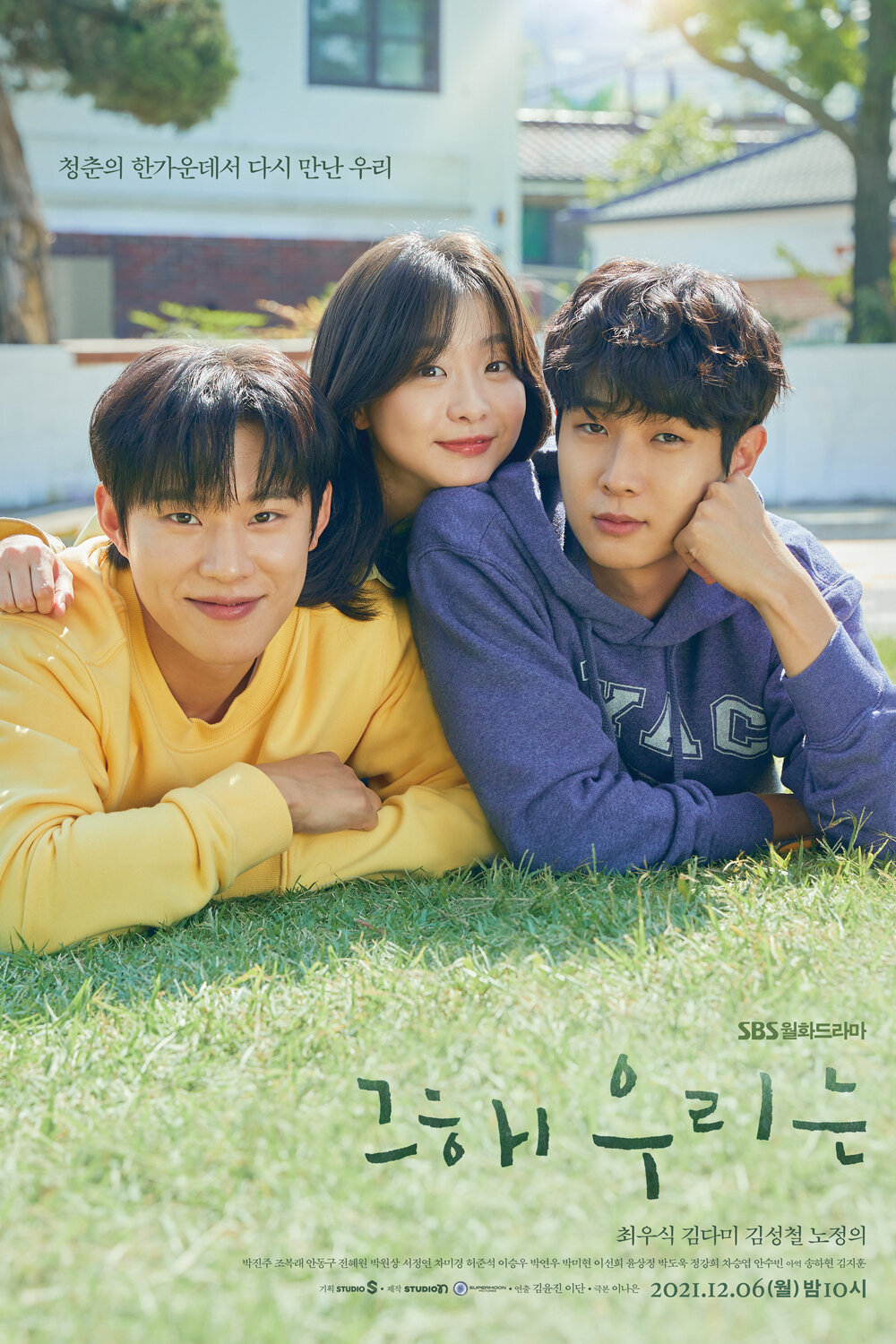
Our Beloved Summer2021
Like To Dear Myself, it's structured around the idea that understanding your past self isn't indulgent—it's how you forgive yourself and move forward. Both trust that quiet realization can be as dramatic as crisis.
South Korean drama that begins with exes forced to reunite for a documentary, but the real engine is retrospective—watching them see their younger selves clearly for the first time. Genuinely moving about change and regret without being maudlin.
But Non-linear structure can feel precious; some scenes in the past timeline outshine the present. The romance closure may feel anticlimactic if you're hoping for grand gestures.