Television series
Love Between Lines
A contemporary Chinese drama where two strangers meet during an immersive murder mystery game set in a Republic of China noir world, sparking connection through scripted intrigue. They discover unexpected dimensions to each other across reality and roleplay, growing through the collision of their true selves with their fictional personas. Romantic, meticulously plotted, for those who love games-within-stories and emotional transformation.
Should you watch it?
Watch it if you enjoy romances built on a playful puzzle, where a murder-mystery game's costumes and role-play let two people discover each other in a slow, teasing way, closer to Mr. Fu-style escapism than to a grim thriller.
Skip it if you want a tight, fast-moving romance; it lingers in its dual worlds, and the game-within-real-life shuttling can feel repetitive when you're waiting for the leads to actually meet.
What it asks of you: It runs to 28 episodes of about 45 minutes each, so you're committing to a long stretch of slow-building flirtation and shifting between two time settings rather than a quick binge.
Not sure? Find tonight's pick in a minute.
If you liked this
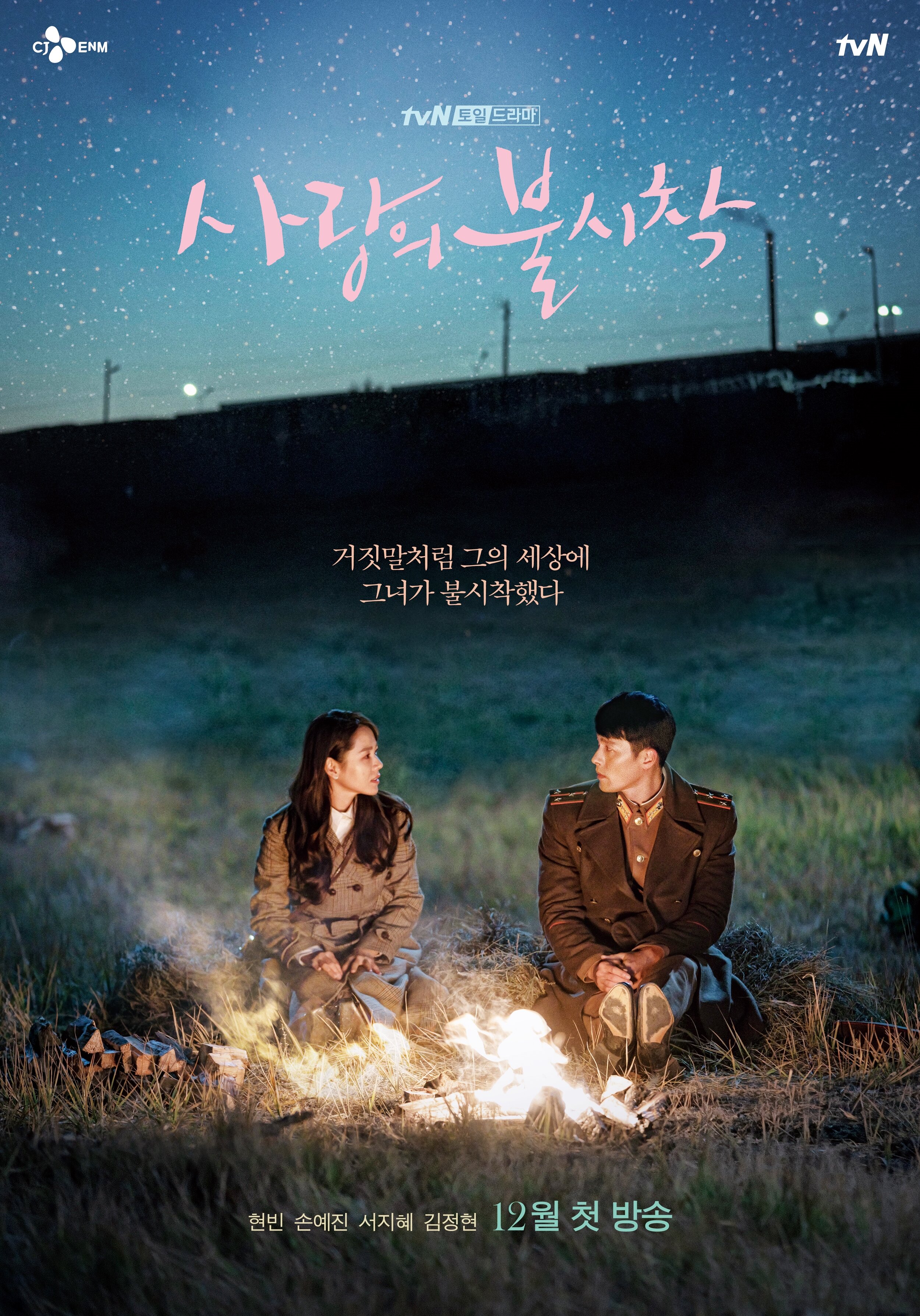
Crash Landing on You2019
Two people from opposite worlds trapped together, forced to see past first impressions into genuine connection. Sharp banter, high stakes, and the slow-burn magic of understanding someone completely.
But Heavy on K-drama convention—if you find the tropes exhausting, this won't change your mind about them.
Something Just Like This2020
Chinese drama about connection forged through shared secrets and double lives, with similar architecture of reality versus hidden identity. Character-driven and genuinely moves toward emotional honesty.
But Slower pacing and less flashy production values than mainstream streaming dramas; some plot threads feel deliberately understated.

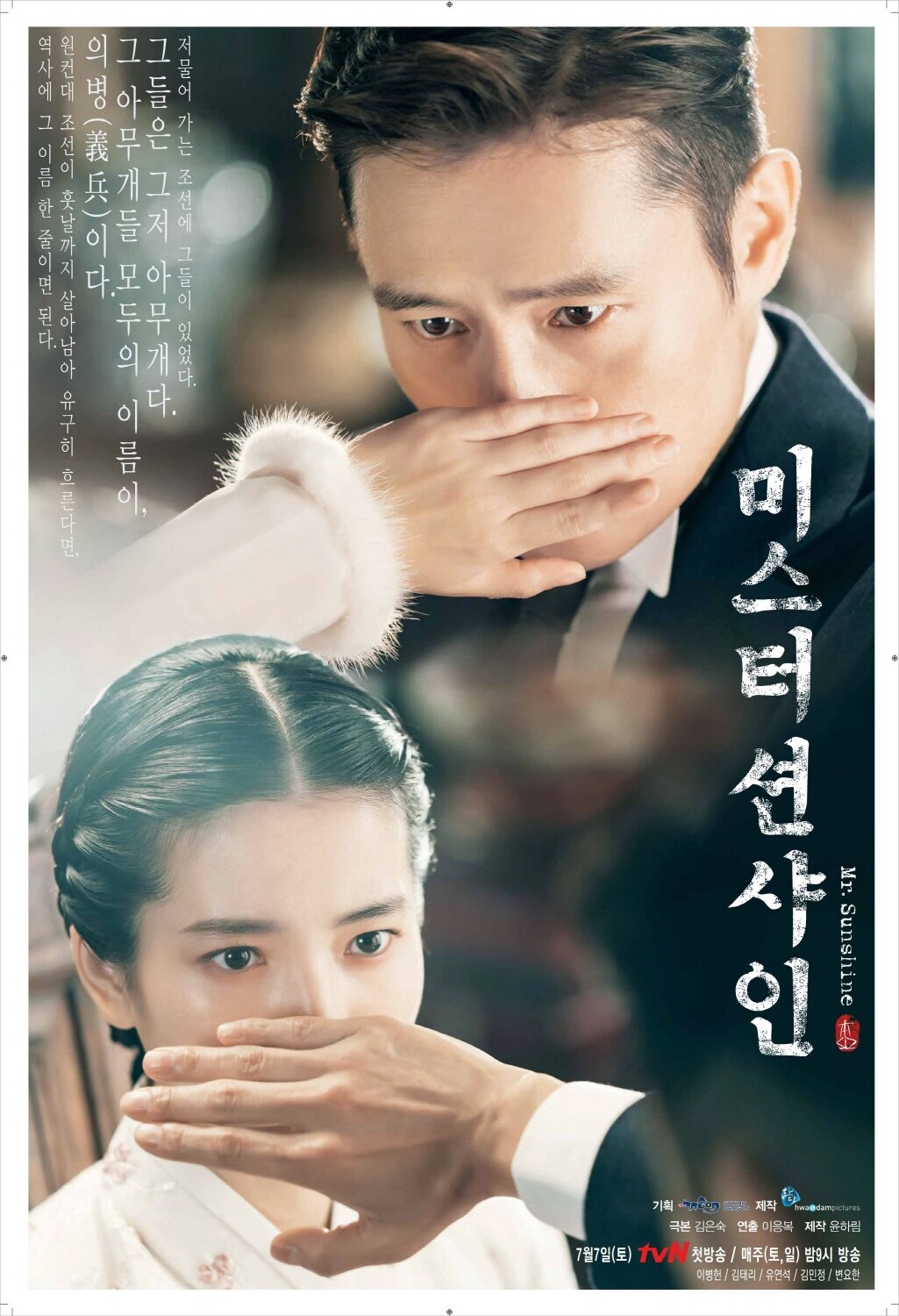
Mr. Sunshine2018
Period noir atmosphere with two leads circling each other across ideological and class divides. Immaculate costume design, elegant plotting, the specific thrill of connection across impossible circumstances.
But Dense historical detail can feel heavy-handed; the show sometimes prioritizes spectacle over character clarity.
Not sure tonight? Get a pick in a minute, starting from Love Between Lines
The wildcard
Something you would not have found on your own.
Memories of Murder2003
Both are built on investigation—the external mystery exists primarily to force characters toward internal revelation. In both, solving the case and understanding yourself are the same thing.
Bong Joon-ho's masterpiece uses a serial killer investigation as the spine for two detectives circling truth and self-deception. Atmospheric, deeply human, the way mystery can illuminate character rather than obscure it.
But Korean cinema of the 2000s has a grain and texture some find ugly; the violence, while purposeful, is not decorative or distant.

More like this (3)
I’m Twenty Something2014
Urban romance built on gradually revealed depths and the particular loneliness of city living. Sharp observation of how connection happens in small moments, not dramatic revelations.
But Minimal production value and almost deliberately low-key pacing—feels like watching real life rather than a drama.
To Dear Myself2020
Women in their thirties reckoning with identity and choice. Warm, honest about life's compromises, genuinely interested in people becoming themselves rather than becoming someone's love interest.
But Slice-of-life structure means no particular plot engine; some find episodic gentleness dull rather than soothing.

In the Mood for Love2000
Both explore connection across constructed worlds—one is a game within reality, one is visual abstraction that *becomes* the only reality. Both suggest that authenticity might live not in stripping away artifice but in how we perform ourselves.
Wong Kar-wai's fever dream of two people discovering connection through shadow and repetition. Every frame is architecture—color, mirrors, reflection, distance. Romance as style, as weather, as the space between bodies.
But Deliberately artificial, almost no plot, drenches everything in aesthetic distance; if you need narrative propulsion you will feel trapped watching it.