
Television series
Pachinko
Adapted from Min Jin Lee's novel, Pachinko follows one Korean family across a century, moving between colonized Korea, wartime Japan, and 1980s New York. It jumps timelines with real confidence, trusts silence, and lets three languages carry the weight of history. Beautiful, unhurried, occasionally devastating — prestige drama for people willing to sit with grief, dignity, and empire's long shadow.
If you liked this
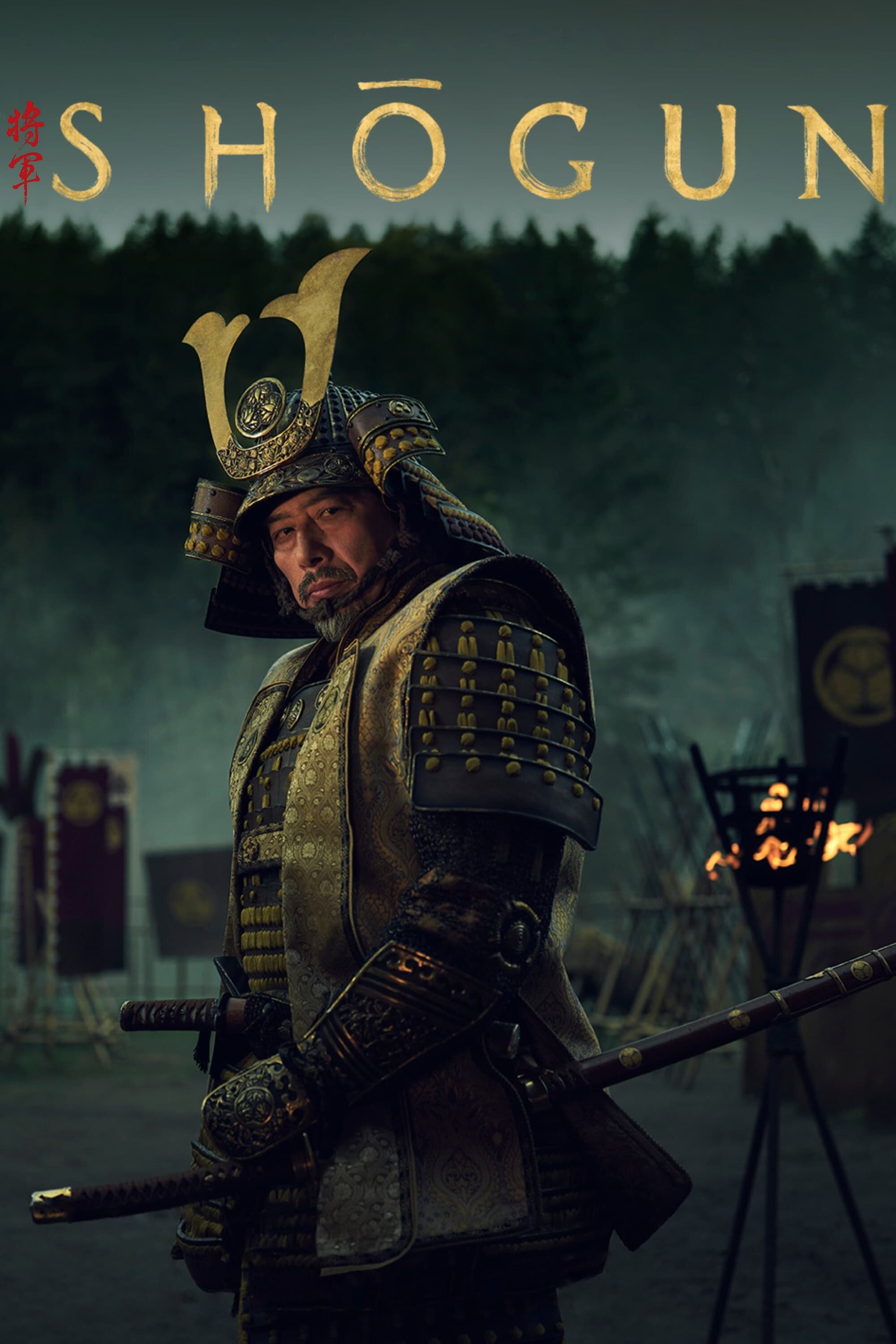
Shōgun2024
Another epic that treats Japanese history with the same seriousness Pachinko does — meticulous production, real subtitles, no exoticising gaze. If you loved watching Sun Ja's world rendered with such care, this delivers similar rigor in a different century.
But It's political intrigue and swordplay, not intimate family drama — colder, more plot-driven, less interested in quiet domestic ache.
This Is Us2016
Same trick as Pachinko — jumping decades, letting one family's choices echo across generations, trusting you to hold multiple timelines in your head at once. Warmer and more sentimental, but structurally a close cousin.
But American network sentimentality hits different than Pachinko's restraint — expect more tears-on-cue and less silence doing the heavy lifting.

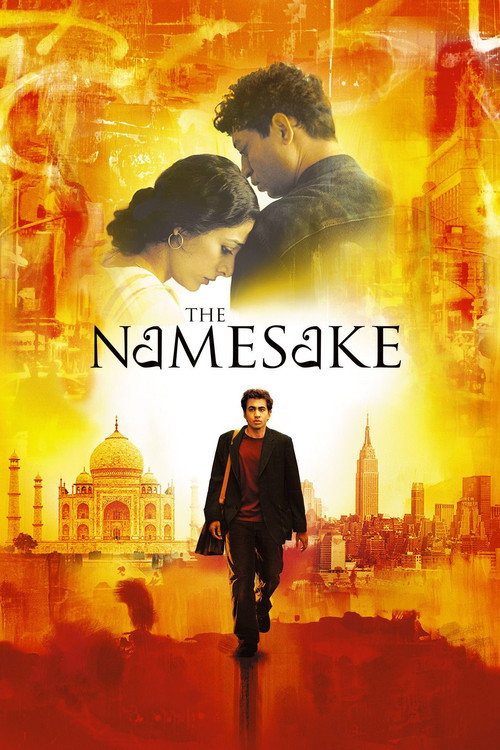
The Namesake2006
Mira Nair's quiet masterpiece about an Indian family straddling two countries and two generations' worth of expectation. Same ache of never quite belonging anywhere, condensed into two hours instead of two seasons.
But It's a single film, not an unfolding saga — you lose the slow accumulation of decades that makes Pachinko hit so hard.
The wildcard
Something you would not have found on your own.
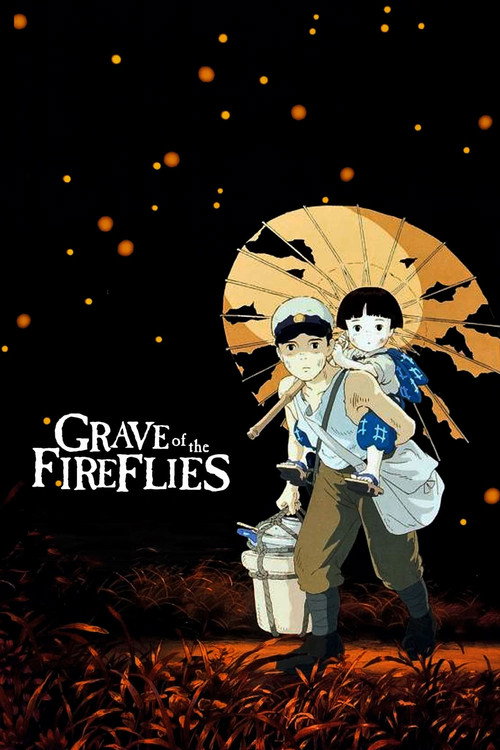
Grave of the Fireflies1988
Pachinko never flinches from what Japanese occupation and war did to ordinary families; this Ghibli film does the same from the other side, following two Japanese children through the firebombing of their own country. Same unsparing eye on history's cost to the powerless, wildly different medium.
One of the most devastating animated films ever made — proof that animation can carry grief as heavy as anything in live-action prestige TV, maybe heavier.
But It offers no comfort, no distance, and no happy ending — not a film to watch lightly, or twice in one week.
More like this (8)
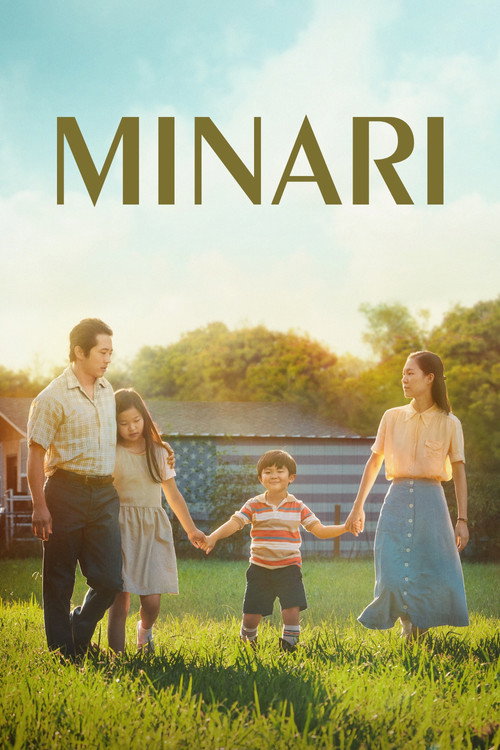
Minari2021
A Korean family trying to root itself in Arkansas soil, told with the same unsentimental tenderness Pachinko brings to displacement. Small, specific, and quietly enormous.
But One generation, one farm, one summer — nowhere near the historical sweep, if scale is what you came for.
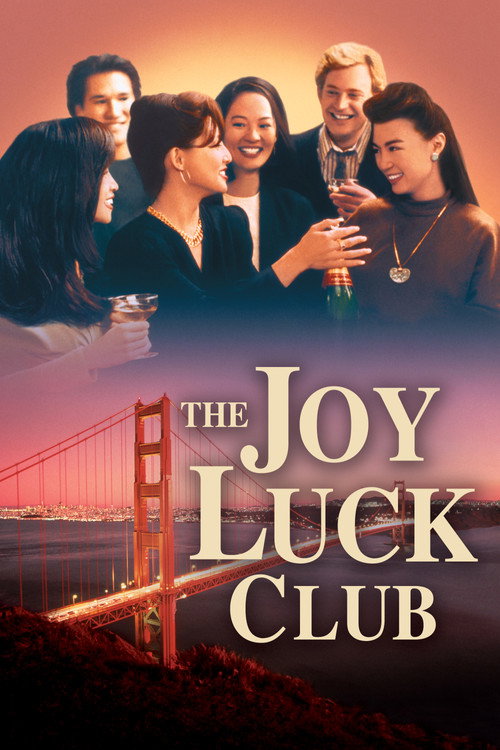
The Joy Luck Club1993
Four Chinese-American mothers, four daughters, decades of secrets — this basically invented the mainstream multigenerational immigrant weepie that Pachinko now perfects for television.
But Ninety-minute pacing crams what Pachinko takes seasons to breathe through — it can feel rushed, even soapy, by comparison.
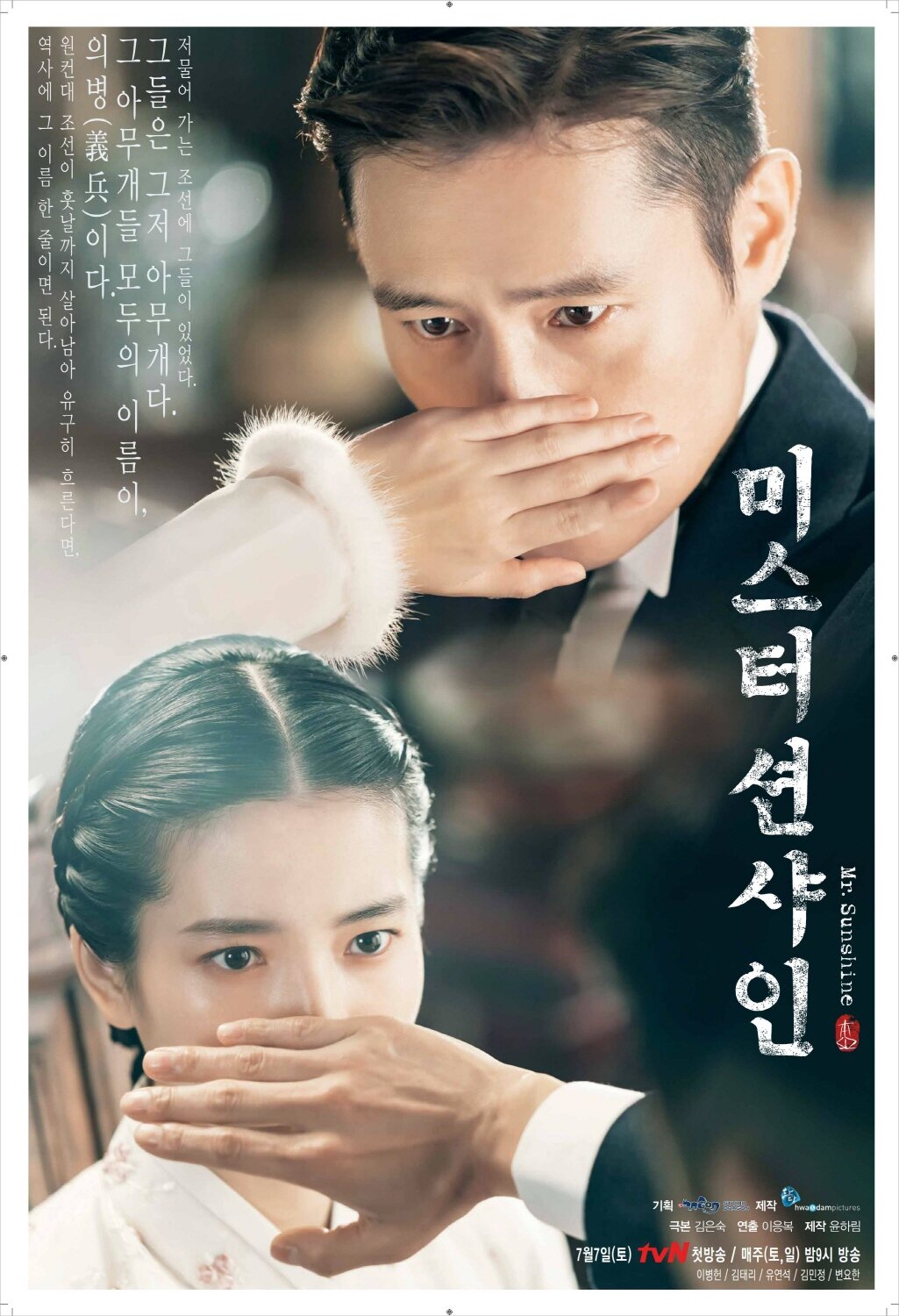
Mr. Sunshine2018
Korean historical drama set during Japanese colonization, with the same appetite for tragedy, class conflict, and doomed love against an empire's machinery. Gorgeous, sweeping, unabashedly romantic.
But It leans hard into melodrama and romance where Pachinko stays restrained — expect grander gestures and less subtlety.
Little America2020no page yet
An anthology of true immigrant stories in America, each episode a different family and country, but the same hunger and heartbreak Pachinko traces across one bloodline.
But Half-hour episodes with no connecting thread mean you lose the deep, cumulative family portrait that gives Pachinko its power.
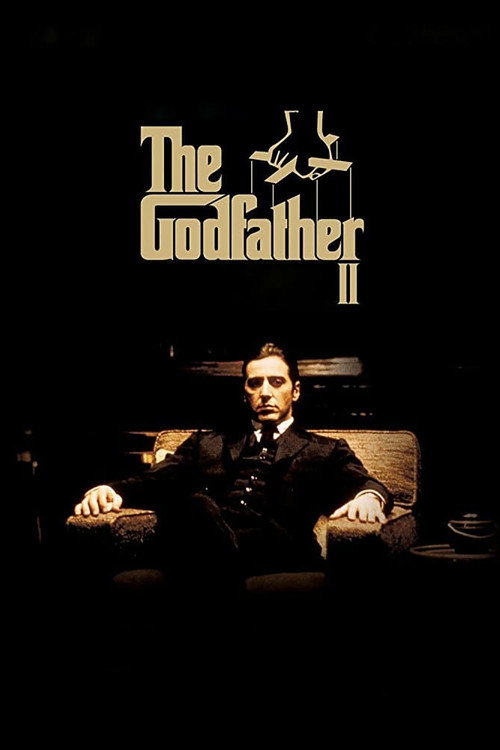
The Godfather Part II1974
The dual-timeline structure — young immigrant father, adult son grappling with what that sacrifice bought — is practically a blueprint for what Pachinko does with Sun Ja and her descendants.
But It's a crime saga first, family drama second — expect violence and power plays, not the tenderness Pachinko centers.
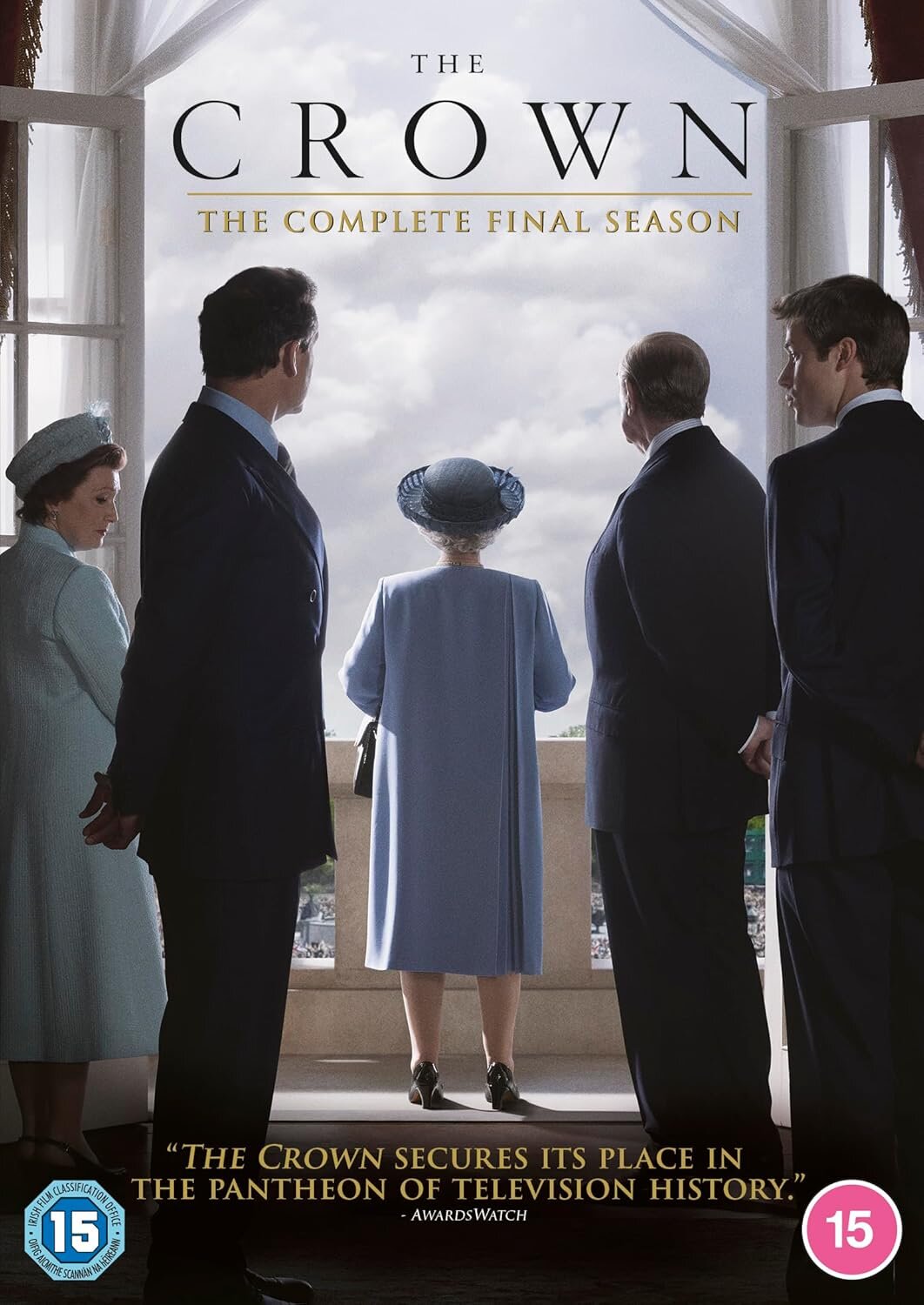
The Crown2016
A different world entirely, but the same structural pleasure — decades passing, actors changing, a family's private grief playing out against forces of history they can't control.
But Palace intrigue among the wealthy and powerful is about as far from Pachinko's story of survival as you can get.
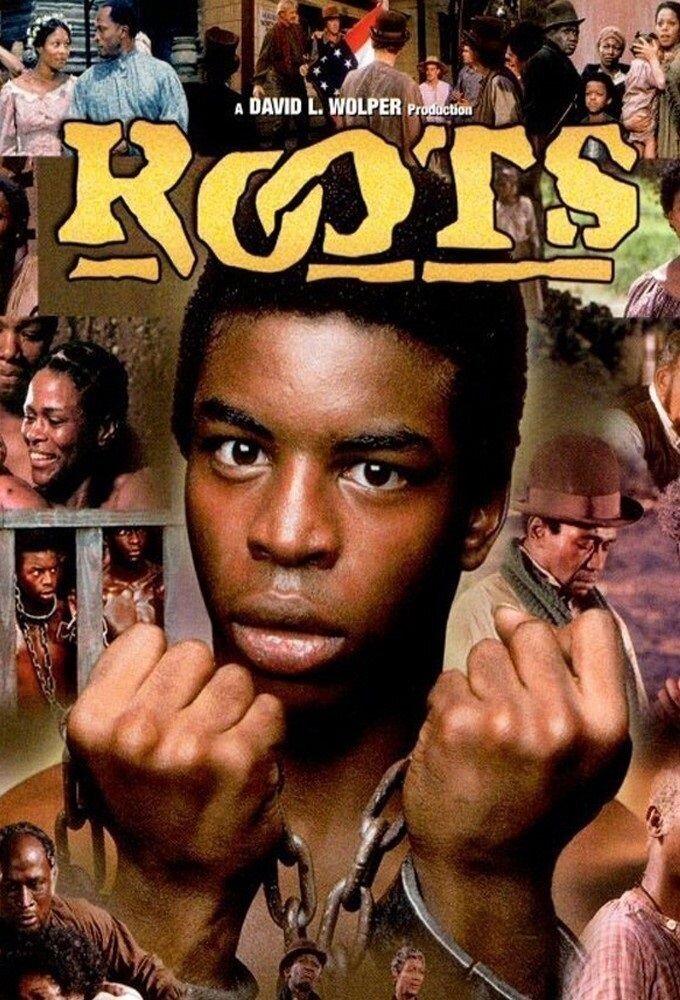
Roots1977
Pachinko is TV's current gold standard for the multigenerational saga of a people surviving displacement; Roots did it first, on network television, nearly fifty years earlier, tracing an American family back through slavery. Same architecture, earlier and rawer.
A landmark miniseries that changed what American television thought it could say about history — blunt, furious, and still startlingly powerful decades on.
But 1970s TV pacing and production values are a real adjustment; it demands a patience Pachinko's polish never asks of you.
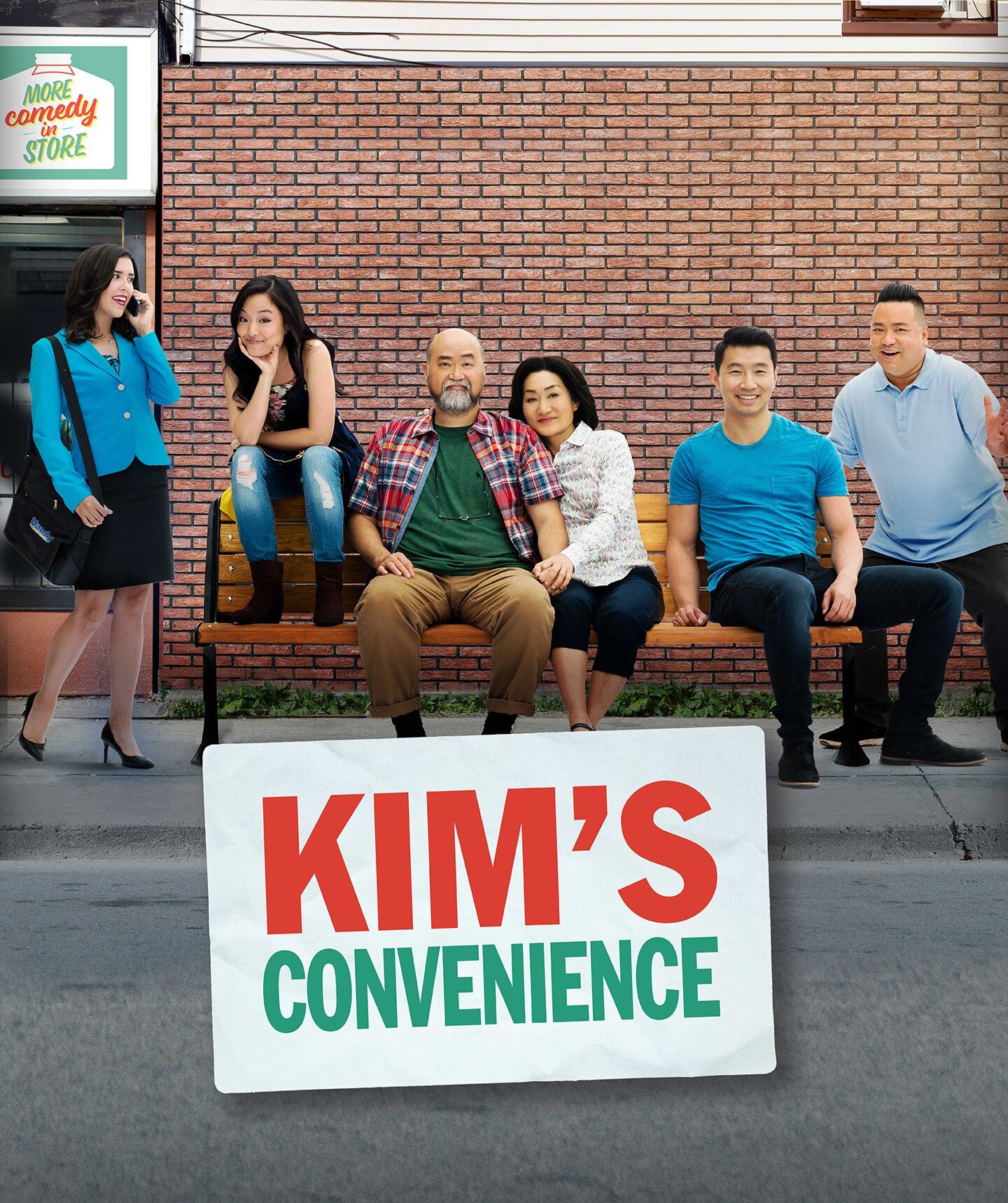
Kim's Convenience2016
Same diaspora engine as Pachinko — a Korean family negotiating identity, generational conflict, and a country that isn't quite home — but reassembled as a half-hour sitcom about a Toronto corner store instead of a century-spanning tragedy.
Funny, warm, and sharply observed about the exact generational friction Pachinko plays for heartbreak — proof the same wound can be a punchline too.
But Sitcom rhythms and low stakes will feel featherweight next to Pachinko's historical weight — this is comfort food, not a gut punch.
People
Cast








Directing
- Claire DesmaraisAssistant Director
Writing
- Soo HughCreator
Production
- Alexandra SirardAssociate Producer
- Dani GorinCo-Executive Producer
- David KimCo-Executive Producer
- Jessica LevinCo-Executive Producer
- Justin ChonExecutive Producer
- Kanjirô SakuraExecutive Producer
- KogonadaExecutive Producer
- Lindsey SpringerExecutive Producer
- Michael EllenbergExecutive Producer
- Min Jin LeeExecutive Producer
- Richard MiddletonExecutive Producer
- Soo HughExecutive Producer
- Theresa Kang-LoweExecutive Producer
- Morio AmagiLine Producer
- Seon Kwon HwangLine Producer
- Brian SherwinProducer
- Cellin GluckProducer
- Jordan MurciaProducer
- Kiri KraatzProducer
- Lynne BespflugProducer
- Mark MurdochProducer
- Su KimProducer
- Yuka KatoProducer