
Television series
John Adams
HBO's seven-part miniseries brings the American founding alive as intimate biography rather than civics lesson. Paul Giamatti's John Adams is querulous, brilliant, and achingly human—a man of principle wrestling with ambition, age, and his legacy. Stunningly shot, deliberately paced, and anchored by Laura Linney's Abigail. For anyone who wants history that feels lived, not lectured.
Should you watch it?
Watch it if you love patient, talky political drama where marriages, letters and arguments carry as much weight as battles, and a founding era that feels like people improvising a nation.
Skip it if you want a fast war story or a tidy hero's tale, since most of its running time goes to debate, letters and long waiting rooms.
What it asks of you: Seven episodes of roughly seventy minutes each, unhurried and wordy, asking you to sit through years of slow politics and domestic correspondence without much payoff in quick thrills.
Not sure? Find tonight's pick in a minute.
If you liked this
The Crown2016
Similarly epic in scope but entirely focused on the internal lives of its subjects. Watches like a psychological drama wrapped in pageantry. Claire Foy and Olivia Colman deliver career-best performances.
But Ten seasons is a serious commitment, and later seasons feel more uneven. Some storylines veer toward soap opera. Also requires tolerance for British political context.
Band of Brothers2001
Tom Hanks and Steven Spielberg's other HBO prestige miniseries masterpiece. Follows a company of soldiers through WWII with unflinching intimacy and technical precision. Every episode deepens the human cost of history.
But Extremely violent and brutal. The 10-episode runtime, while rich, demands real investment. Some will find the structure—cycling through different soldiers—frustrating.
Lincoln2012
Daniel Day-Lewis gives one of cinema's great performances as Lincoln at his most vulnerable. Spielberg's direction is patient and literary; the focus is on conversation and moral deliberation, not battles. Genuinely moving.
But Two and a half hours of political negotiation and period dialogue. There is very little action. Some find it glacially slow; others find it meditative. Know which you are.
Not sure tonight? Get a pick in a minute, starting from John Adams
The wildcard
Something you would not have found on your own.
17761972
Both locate the American founding in Adams's consciousness and disagreements. Both trust their audience to find the interior drama more gripping than any external action. Both insist these were men, not monuments.
A musical—yes, really—about the Declaration of Independence. Sherman Edwards and Peter Stone's score is smart and witty, the staging inventive. William Daniels as Adams is magnificent. Treats founding as human comedy, not myth.
But Musical theater of this era will feel broad to modern eyes. Songs can feel long. The women are barely present. If you hate musicals, this won't convert you.
More like this (8)
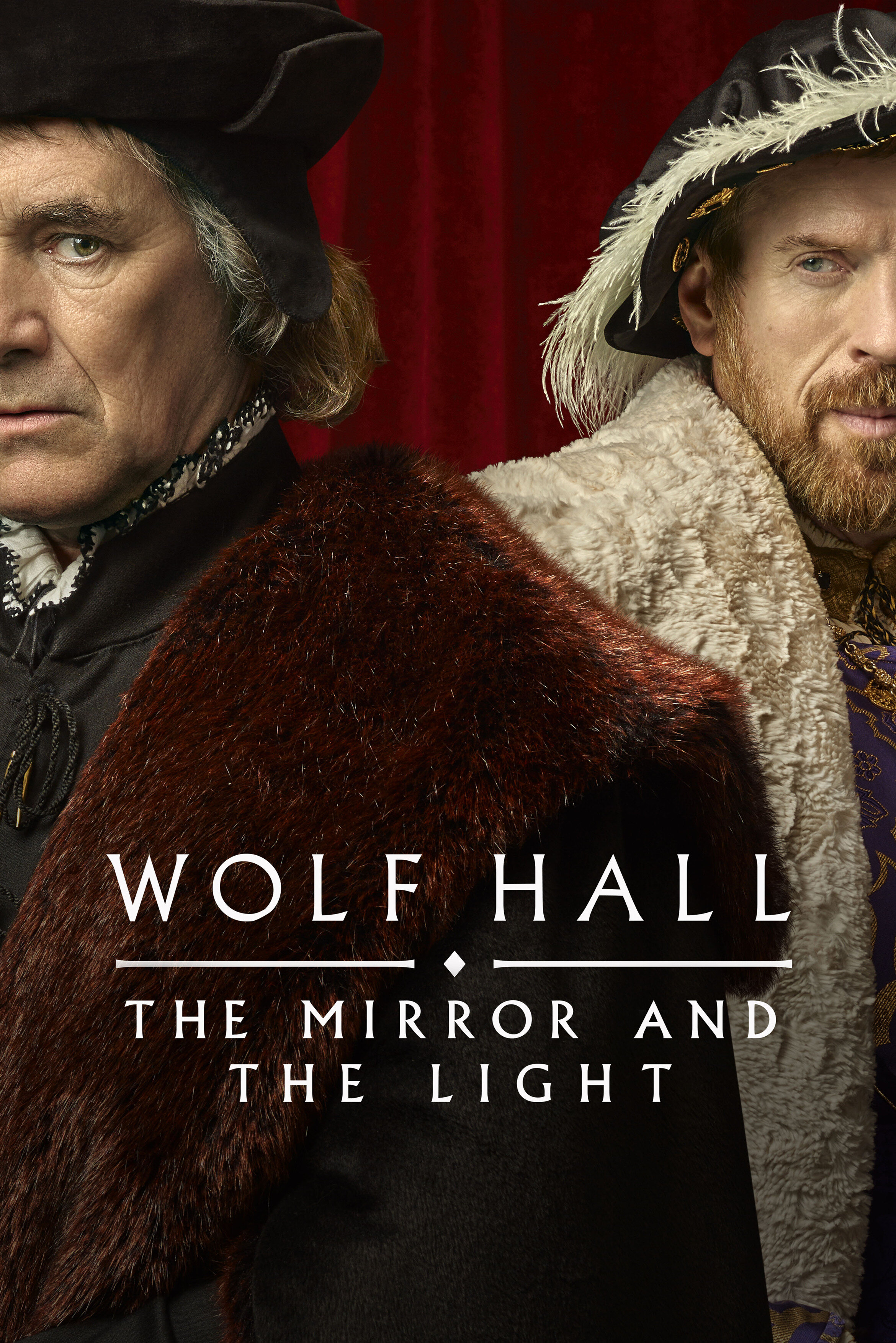
Wolf Hall2015
A Bring Up the Bodies adaptation that captures the same intimate, interior quality as Adams. Mark Rylance is hypnotic as Thomas Cromwell. Visually sumptuous and psychologically acute—history as character study.
But Only two series made; viewers never got a third installment despite the source material. Demands you pay attention. Some find the pacing glacial and the Tudor politics impenetrable.
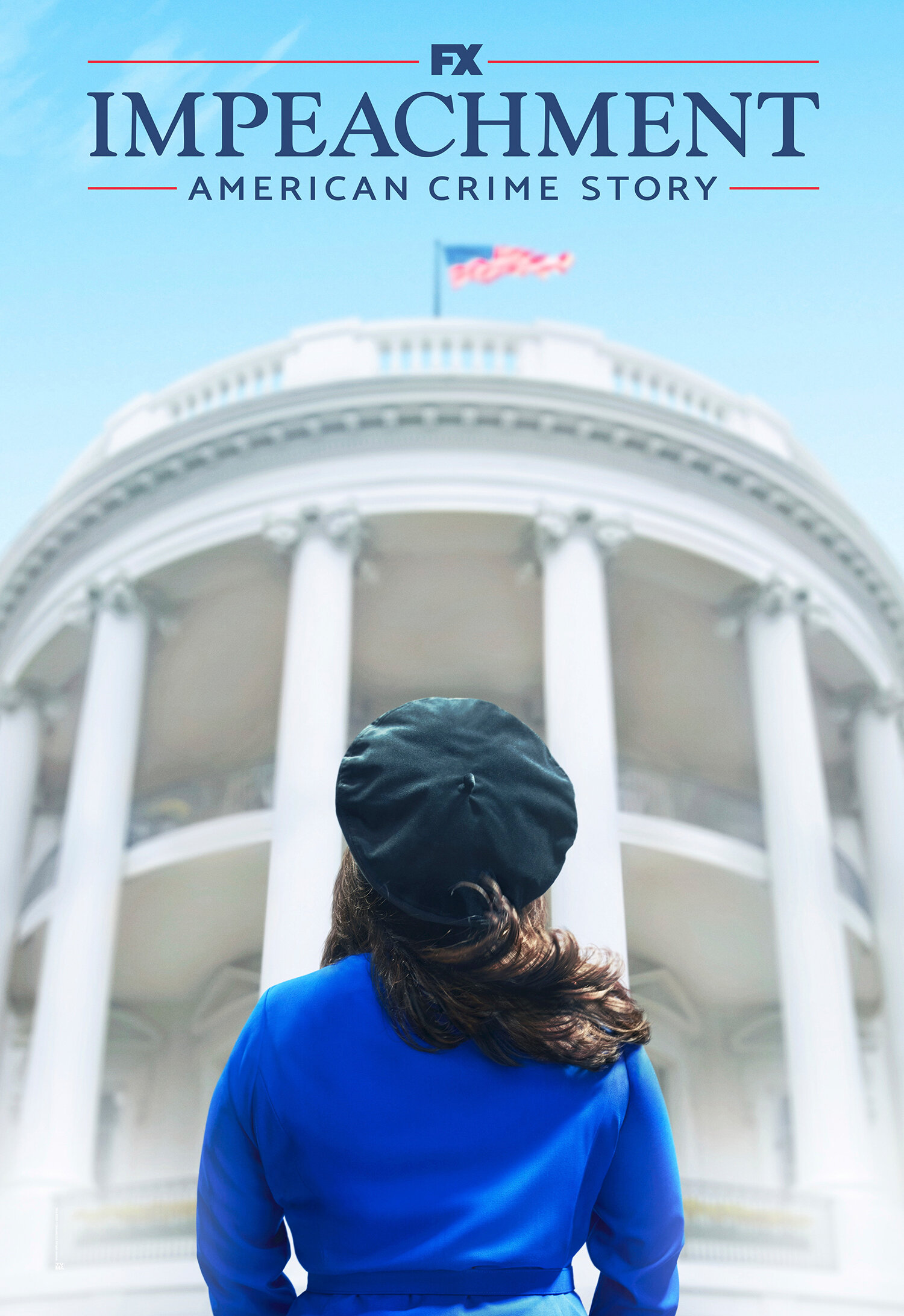
American Crime Story2016
Proves prestige miniseries needn't be historical to achieve that same depth. Ryan Murphy directs with operatic intensity. Darren Criss and Edgar Ramírez are extraordinary. Obsessive, gorgeous, brutal.
But Graphic violence and sexual content throughout. Very different tone from Adams—this is lurid and despairing, not meditative. Some find the structure (jumping through time) confusing.
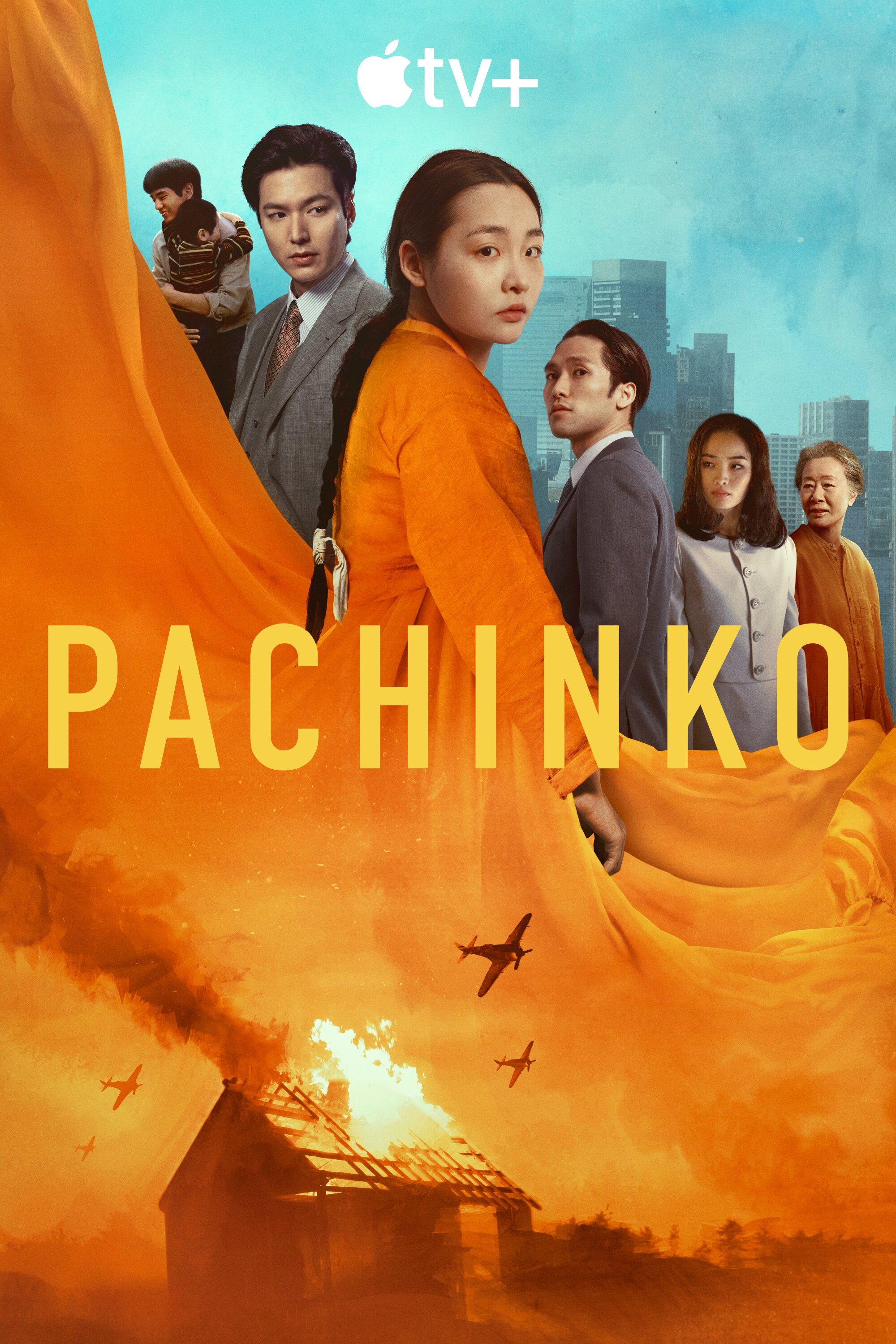
Pachinko2022
Spans generations and continents, excavating the interior lives of people history forgot. Beautifully written and acted. Watches like a great novel—sweeping yet intimate, political yet personal.
But Requires patience with non-linear storytelling. First season moves slowly. Second season is much shorter. Some find the tonal shifts between timelines jarring.
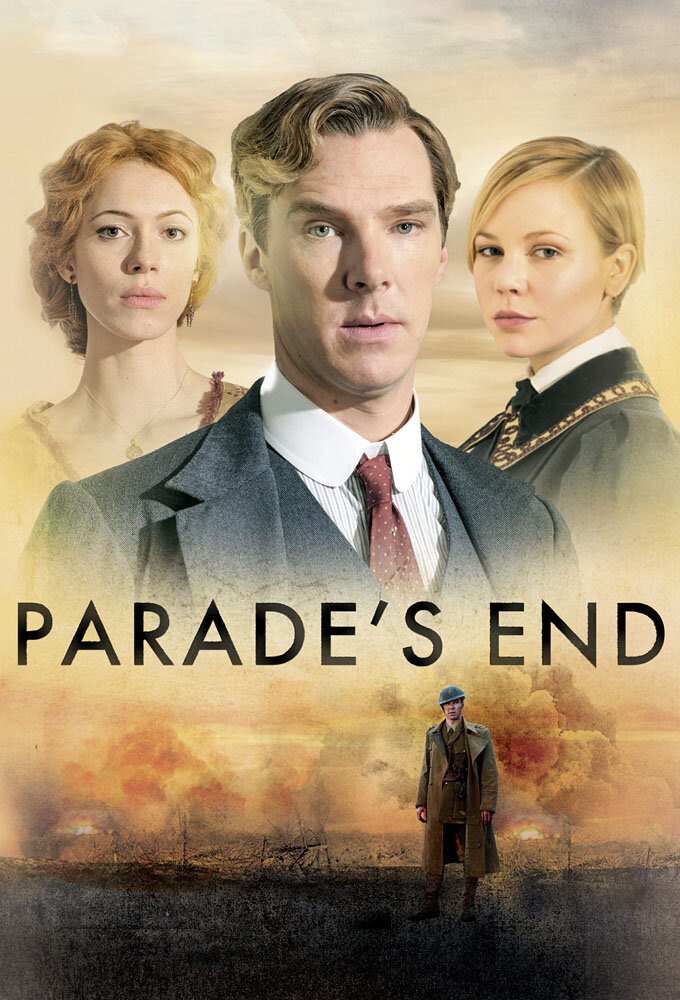
Parade's End2012
Masterful Ford Madox Ford adaptation with Benedict Cumberbatch. World War One as psychological landscape. Rewards close attention with astonishing performances and formally inventive direction. Quietly devastating.
But Relentlessly bleak. Four episodes is a short season but each is almost exhausting. Some will find it elitist and airless. Requires tolerance for ambiguity.
The Knick2014
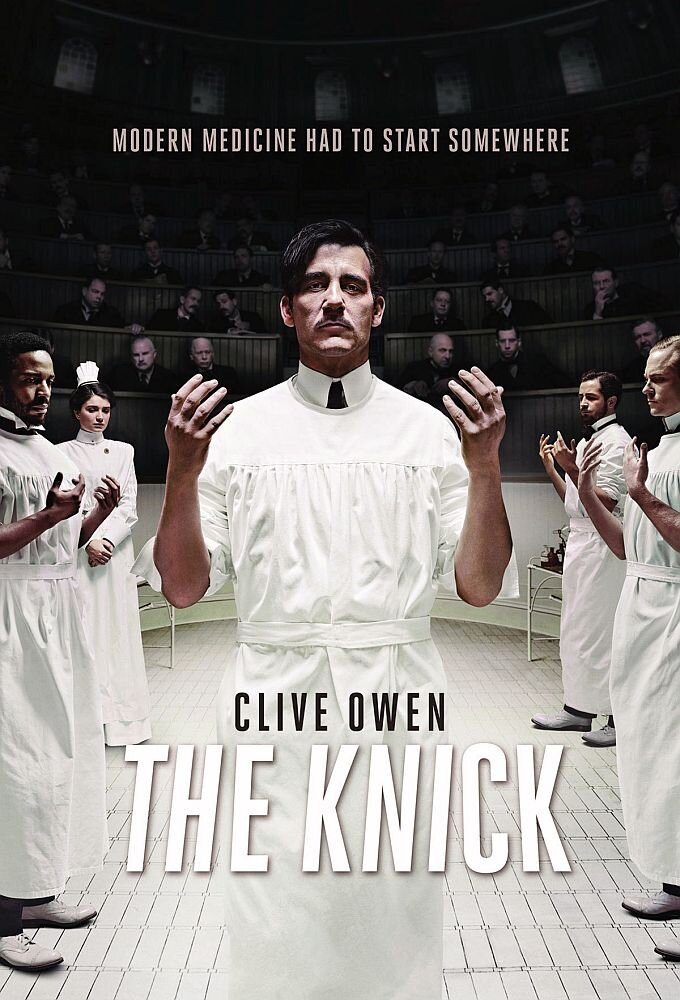
Steven Soderbergh's fever dream of a medical drama set in 1900. Clive Owen commands every scene. Technically dazzling and addictively entertaining—history that crackles with energy and moral complexity.
But Very graphic surgical scenes and drug use. Two seasons only before cancellation. The second is notably weaker. Some find Soderbergh's stylization alienating rather than enhancing.
Narcos2015
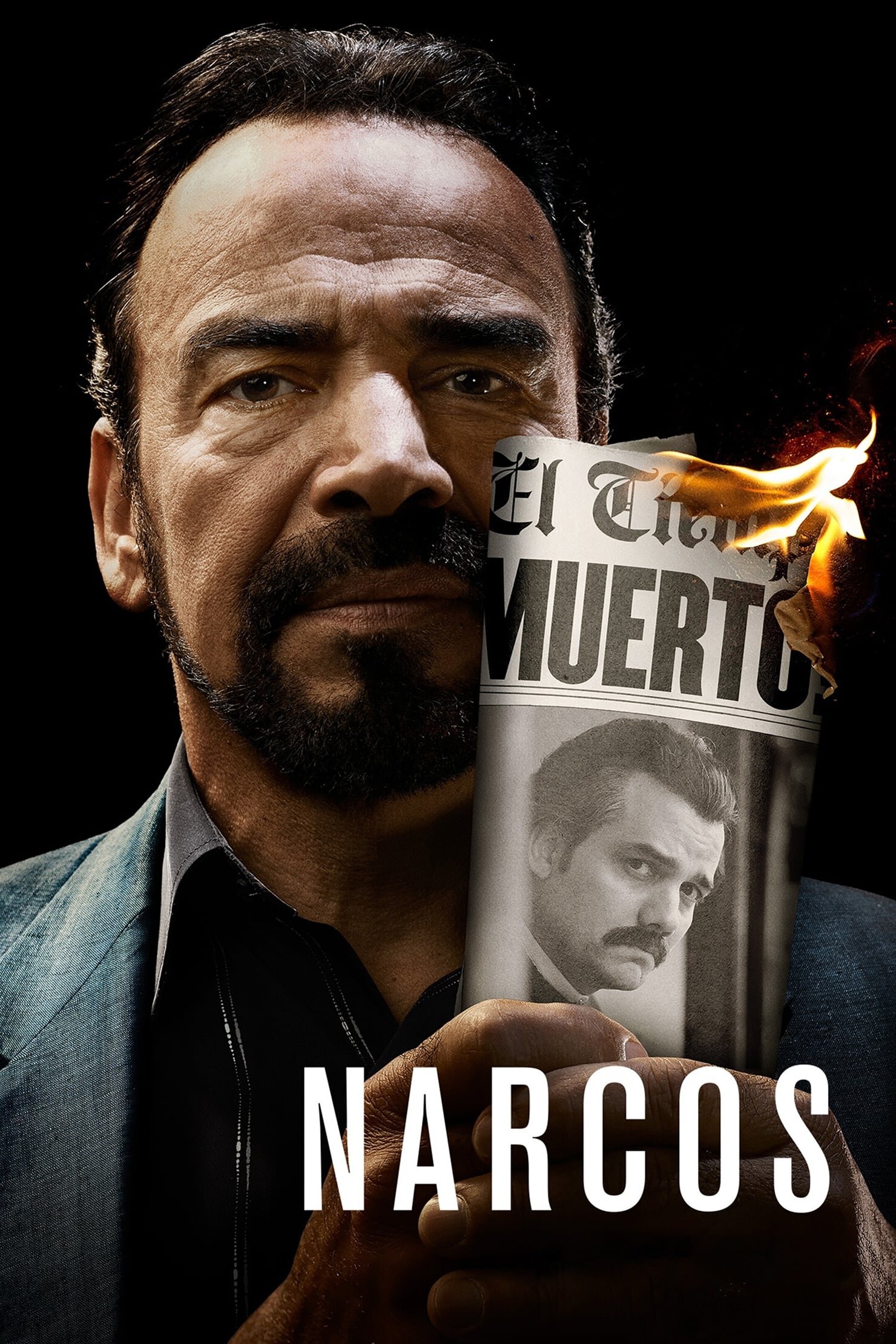
Seven seasons of propulsive, immersive historical drama following a decade-long manhunt. Excellent cast, intricate plotting, visceral direction. Proves you can do ambitious episodic history without it feeling static.
But Extremely violent throughout. Seasons get increasingly melodramatic as they extend. Some tired of cartel narratives. Later seasons lose focus as the story spreads across continents.
Slow West2015
Both watch how principled men navigate between their values and pragmatism. Both are unconventionally paced, trusting silence and landscape as much as dialogue. Both are studies in aging, duty, and the gap between ideals and their cost.
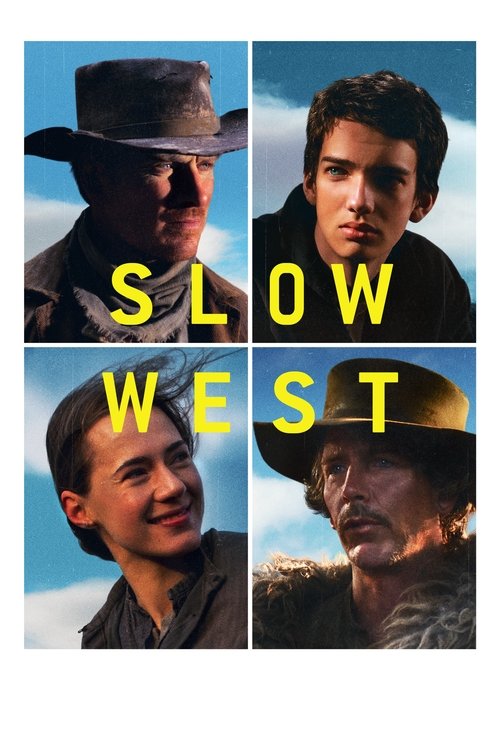
A revisionist Western starring Michael Fassbender and Ben Mendelsohn. Formally beautiful, morally complex, meditative about violence and idealism. Scotland and New Zealand playing the frontier. Understated and devastating.
But Minimal plot. Extremely quiet—long stretches without dialogue. Some will find it pretentious. Slow in ways that demand patience, not reward it; your mileage will vary.
The Assassination Bureau1969
Both use the early modern period as setting for examining idealism and ambition, but where Adams is grave, this is mischievous. Both ask: what do principles cost when the world demands pragmatism? This one just laughs about it.
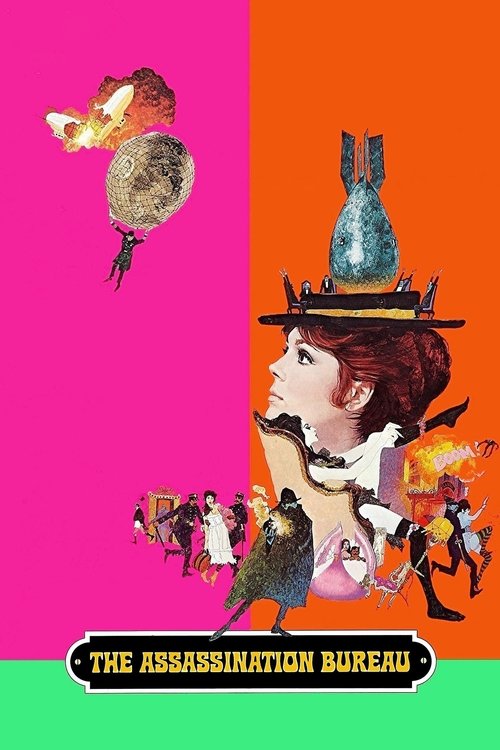
A delightful, weird spy romp with Oliver Reed and Diana Rigg. Set in Edwardian Europe, gorgeously shot, genuinely funny. Treats political history as material for adventure rather than reverence. Genuinely charming and surprising.
But Pulp entertainment, not serious cinema. Tonal whiplash—registers wildly between spy thriller, romance, and farce. Some will find it slight and silly. Very 1960s in its aesthetics and attitudes.
People
Cast
Recommended by
1776, The Roosevelts: An Intimate History, Franklin, Founding Brothers, Sons of Liberty, The Crossing