
Film
West Side Story
Other titles called West Side Story: the 1961 film.
Spielberg's 2021 *West Side Story* is a sweeping musical romance about impossible love amid gang violence in 1950s New York. It's visually stunning and emotionally raw, with spectacular choreography and song. For anyone who loves movies that dare to be grand and heartfelt without apology.
Should you watch it?
Watch it if you want a musical whose dance numbers carry the plot and whose love story plays with real urgency, and you don't mind a familiar tale reworked with grittier, modern staging.
Skip it if you tire of big musical numbers interrupting the story, or you want a brisk watch, because at 156 minutes it lingers in its dance-filled stretches.
What it asks of you: Its mood swings between exuberant dancing and sombre street tension, so it needs a long stretch of full attention, roughly two and a half hours of it.
Not sure? Find tonight's pick in a minute.
If you liked this
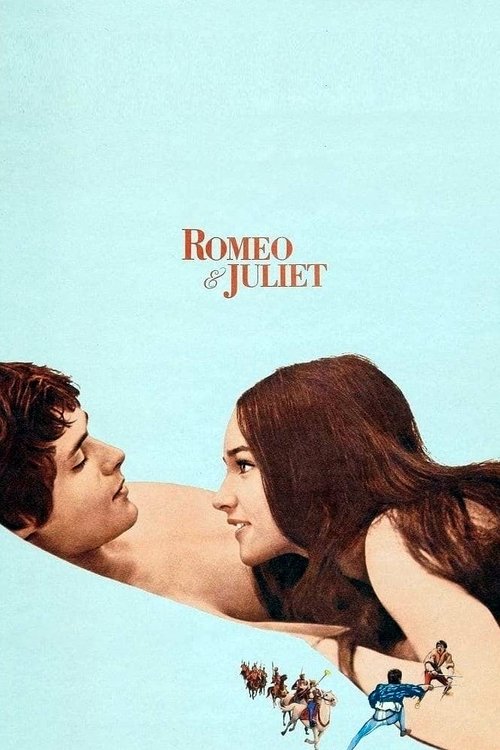
Romeo and Juliet1968
Franco Zeffirelli's film captures the same doomed teenage passion with genuine tenderness. It's where Spielberg drew his emotional core—the tragedy hits harder when you believe in their love first.
But The '60s production design and slower pacing feel distant now. Some find the early scenes heavy-handed compared to the rush of the ending.
Singin' in the Rain1952
The gold standard of integrated musical cinema: dancing, song, and story moving as one organism. If you want to understand what great movie musicals can do, start here.
But It's more frivolous than *West Side Story*—a romantic romp rather than a tragedy. The tone is completely different, which can make it feel lightweight by comparison.

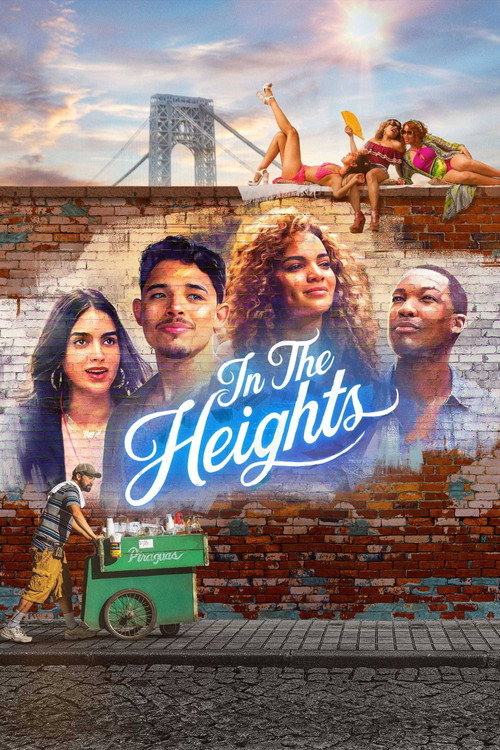
In the Heights2021
Jon M. Chu directs Lin-Manuel Miranda's love letter to Dominican-American Washington Heights with the same kinetic energy and neighborhood specificity. It celebrates community through song and dance with infectious joy.
But The plot is thinner and more episodic. Some sequences prioritize spectacle over character development in ways that undercut emotional stakes.
Not sure tonight? Get a pick in a minute, starting from West Side Story
The wildcard
Something you would not have found on your own.
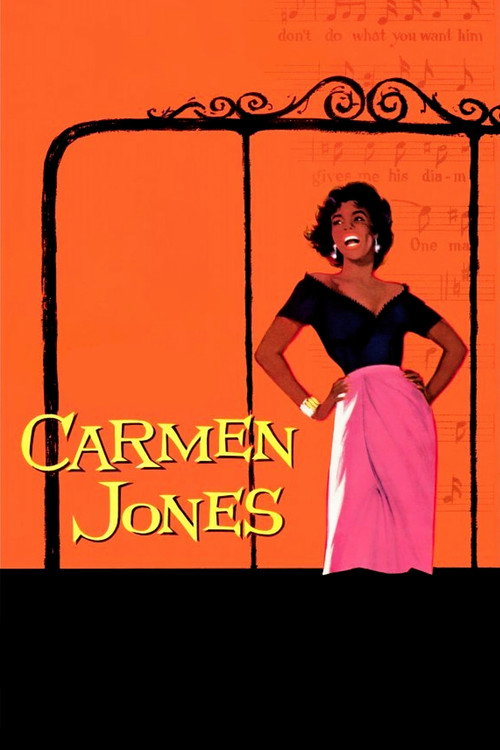
Carmen Jones1954
Both take a classical structure—the doomed lovers, the rival gangs, the inevitability of tragedy—and ground it in a specific American moment. Both argue that great art can come from adapting familiar stories if you're honest about the world you're adapting them *into*.
Otto Preminger transplanted Bizet's *Carmen* to the American South with an all-Black cast, keeping the opera score while rewriting it as a contemporary tragedy about desire and fate. It's visually stunning and morally complex in ways that still surprise.
But It's operatic and sometimes stiff—dialogue and recitative don't always blend smoothly. Some scenes feel dated in their staging, and the film's racial politics are complicated by its own time.
More like this (8)
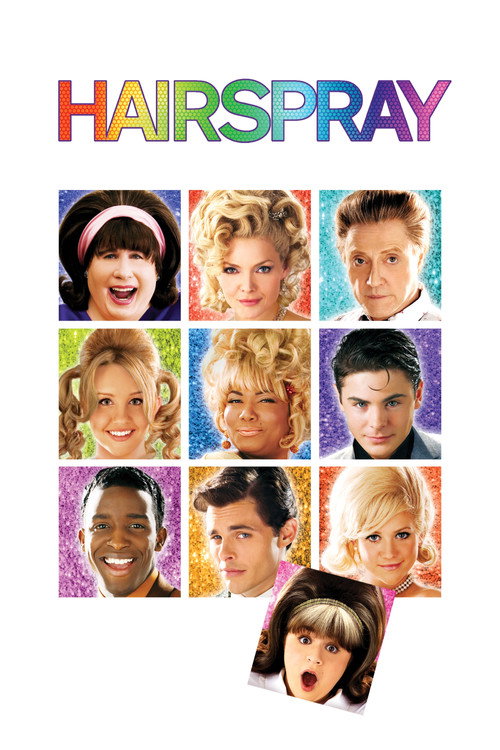
Hairspray2007
Adam Shankman's film brings John Waters and Stephen Sondheim together with genuine warmth and a message about integration that resonates beyond the period setting. It's big, colorful, and unapologetically earnest.
But The tone is broad and comedic where *West Side Story* is serious. It can feel trivial if you're craving something weightier.
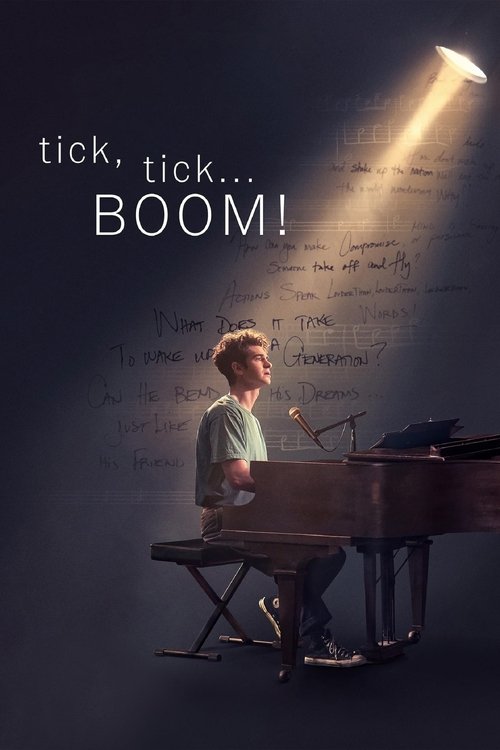
tick, tick... BOOM!2021
Lin-Manuel Miranda adapts Sondheim's semi-autobiographical musical with intimacy and passion. It's about the cost of art and ambition, and it captures the feverish energy of being young and afraid you're running out of time.
But It's a one-man show expanded into a film, so it's claustrophobic where *West Side Story* is sprawling. The scope is intentionally small.
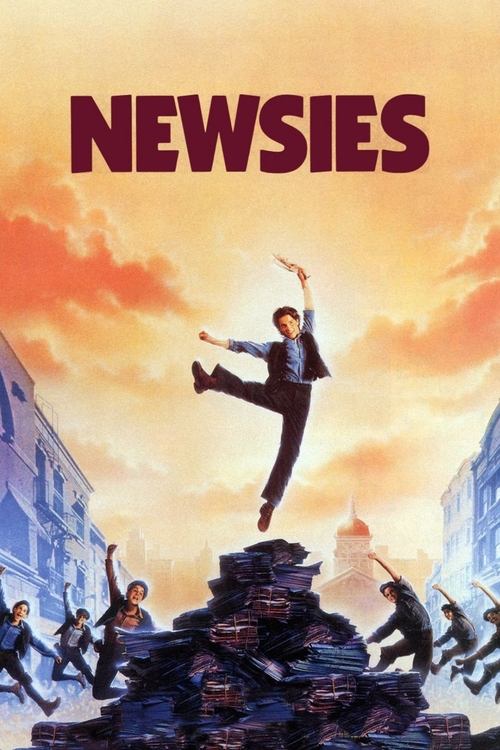
Newsies1992
Kenny Ortega choreographed dance numbers that feel lived-in and joyful. It's a story about solidarity and resistance wrapped in tap dancing and youthful charm. Pure theatrical pleasure.
But It's lighter in every way—the stakes are smaller, the romance secondary. If you want darkness and tragedy, this won't deliver it.
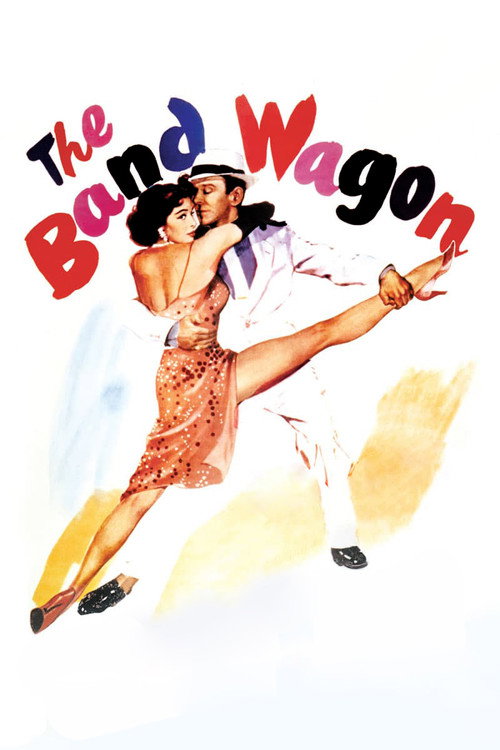
The Band Wagon1953
Fred Astaire and Cyd Charisse dance through a story about theater itself. Vincente Minnelli's direction is elegant, and the dance sequences are so perfectly constructed they feel like they're solving problems musically.
But The plot is thin and dated. It's really a showcase for dancing, which is wonderful if that appeals to you and underwhelming if you need narrative momentum.
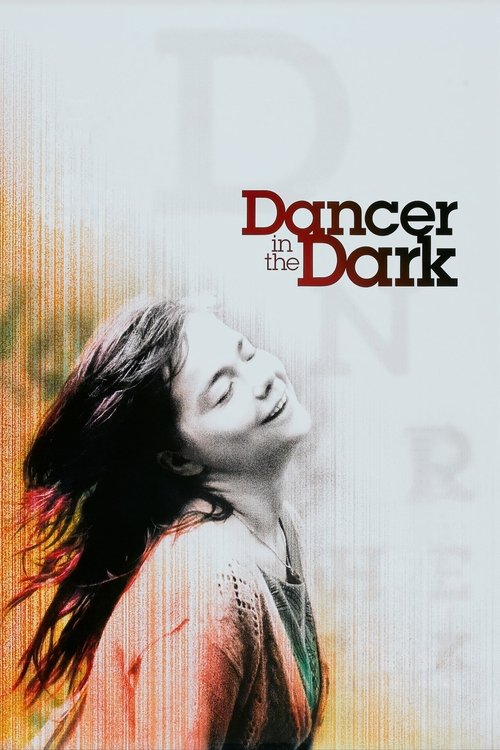
Dancer in the Dark2000
Lars von Trier uses musical numbers as ruptures in a brutal realist narrative. Björk transforms pain into song. It's what happens when you take the form seriously enough to break it.
But It's punishing and emotionally devastating. The musical numbers don't resolve anything or provide escape—they emphasize the darkness. Not cathartic; the opposite.
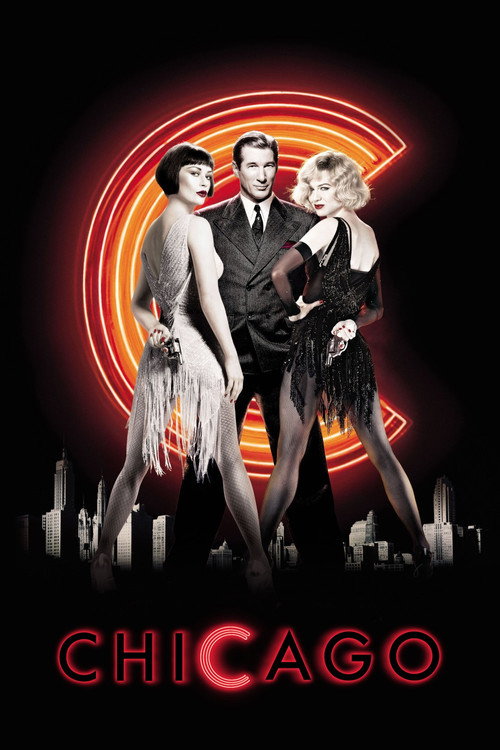
Chicago2002
Rob Marshall's film is sleek, cynical, and visually sophisticated. Catherine Zeta-Jones and Renée Zellweger navigate a musical that treats its form as artifice. It won Best Picture because it works as both cinema and theater.
But It's cold and ironic where *West Side Story* is warm and sincere. The characters are corrupt and unsympathetic. If you want to root for someone, you won't find it here.
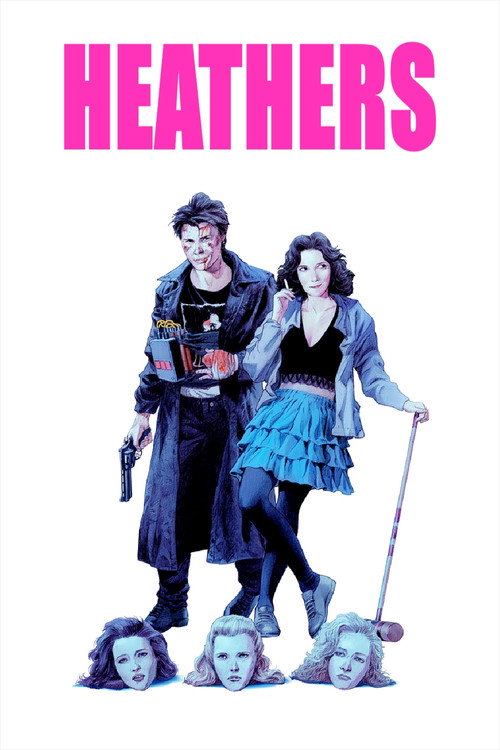
Heathers1989
Same tragic framework, opposite temperature. Where *West Side Story* asks 'What if we let these kids be tragic and noble?', *Heathers* asks 'What if we admit they're also selfish, stupid, and hilarious?'. Both are honest about their worlds.
Michael Lehmann's film takes the Romeo-and-Juliet template and inverts it into dark satire. It's about teenage love, toxic masculinity, and social hierarchies, but it treats none of them with reverence. Winona Ryder and Christian Slater spark with genuine chemistry amid the mayhem.
But It's deeply cynical and sometimes brutal. The humor is pitch-black. If you want sincerity and emotional authenticity, this movie actively mocks those things.
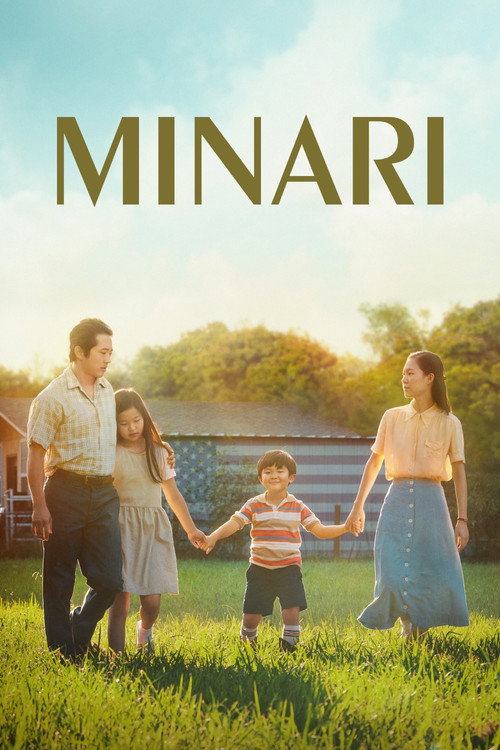
Minari2021
Both are fundamentally about communities—how they form, how they protect their own, how violence erupts from proximity and competing needs. *Minari* just traces these things through daily life rather than gang warfare. The emotional architecture is the same.
Lee Isaac Chung's film about a Korean-American family building a farm in Arkansas is quiet and specific, but it contains enormous emotional depth. It's about belonging, family loyalty, and what it costs to root yourself somewhere. The cinematography is tender and alive.
But There's no plot to speak of—it's purely observational. It moves at its own pace and refuses to reach toward dramatic moments. If you need forward momentum and clear conflict, it will feel slow.
People
Cast
 Ansel ElgortTony
 Rachel ZeglerMaría
 Ariana DeBoseAnita
 David AlvarezBernardo
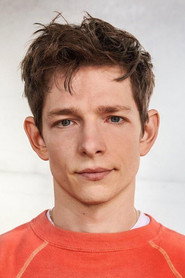 Mike FaistRiff
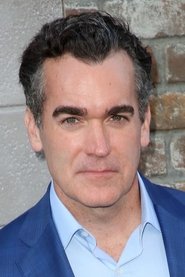 Brian d'Arcy JamesOfficer Krupke
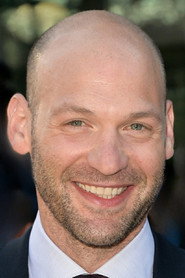 Corey StollLieutenant Schrank
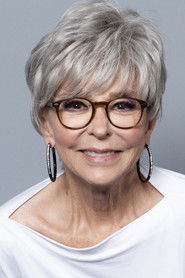 Rita MorenoValentina
 Josh RiveraChino
 Ana IsabelleRosalía
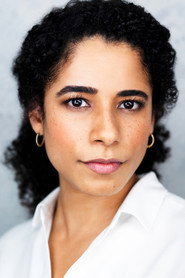 Ilda MasonLuz
 iris menasAnybodys
Directing
- Steven SpielbergDirector
- Adam SomnerFirst Assistant Director
- Jeremy MarksSecond Assistant Director
Writing
- Stephen SondheimLyricist
- Leonard BernsteinMusical
- William ShakespeareOriginal Story
- Tony KushnerScreenplay
- Arthur LaurentsTheatre Play
- Jerome RobbinsTheatre Play
- Stephen SondheimTheatre Play
Production
- David SaintAssociate Producer
- Cindy TolanCasting
- Zoraida Sanjurjo LópezCasting
- Carla RaijCo-Producer
- Adam SomnerExecutive Producer
- Daniel LupiExecutive Producer
- Rita MorenoExecutive Producer
- Tony KushnerExecutive Producer
- Andrew HudsonKey Production Assistant
- Nicholas DeWittLocation Assistant
- Kevin McCollumProducer
- Kristie Macosko KriegerProducer
- Steven SpielbergProducer
- David M. Night MaireProduction Assistant
- Carla RaijUnit Production Manager
- Daniel LupiUnit Production Manager
Recommended by
In the Heights, Across the Universe, The Wiz Live!, Newsies, Joni Mitchell: Woman of Heart and Mind