
Film
God's Country
- Drama
- Very dark
A tense standoff film where a Black college professor defends her rural property against white hunters who won't leave. Thandiwe Newton carries a character study dressed as a thriller, exploring how quickly civility fractures when power and territory collide. Slow-burn, morally complicated, designed for viewers who sit with discomfort.
Should you watch it?
Watch it if you like slow-burn westerns where the tension is about stubborn people refusing to back down, and the quiet cold of a wintry landscape does as much work as the dialogue.
Skip it if you want a brisk plot or a clear sense of where things are heading; it lingers on silence and small gestures, and its stillness can feel like waiting rather than building.
What it asks of you: Settle in for about an hour and forty minutes of patient, watchful scenes with long gaps between words, and expect a steady unease rather than release or relief.
Not sure? Find tonight's pick in a minute.
If you liked this
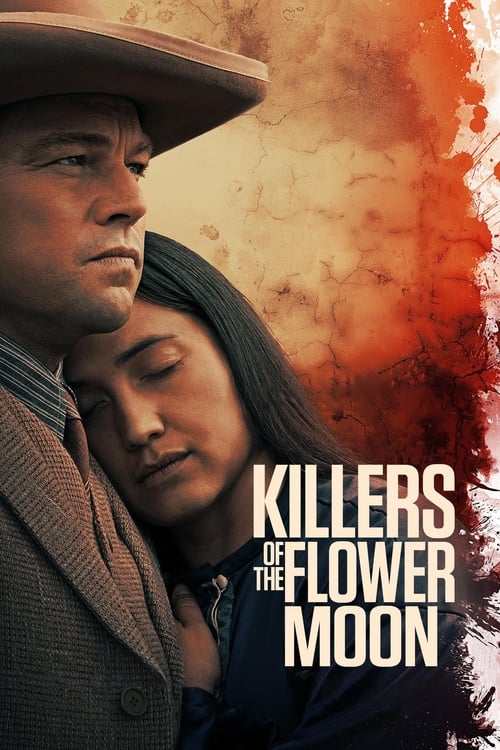
Killers of the Flower Moon2023
A sprawling western about dispossession and violence, anchored by a female character watching her world stolen. Like God's Country, it studies how systemic theft wears a human face and what resistance costs.
But Scorsese's three-and-a-half-hour runtime demands patience. The narrative momentum sometimes disappears in favour of moral accumulation.
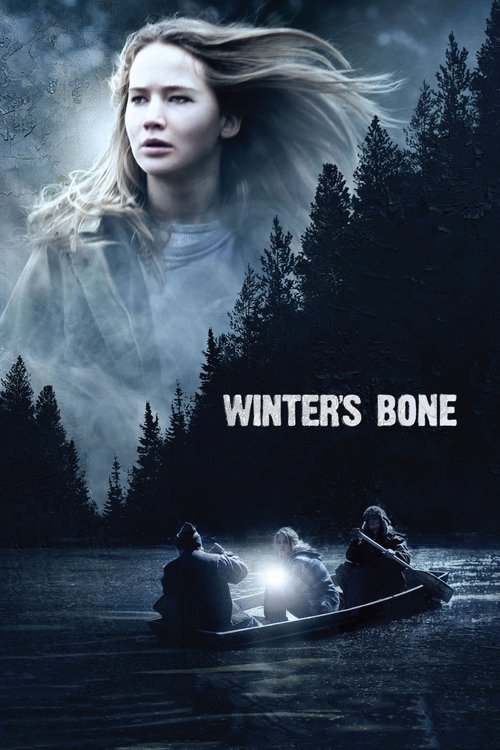
Winter's Bone2010
A woman alone in hostile territory, fighting for what's hers with nothing but nerve and principle. Same taut confrontation style, same moral clarity emerging from murky circumstances, same sense that the deck is stacked.
But Rural poverty and family violence are the backbone here. It's bleak in ways that won't resolve into comfort or catharsis.
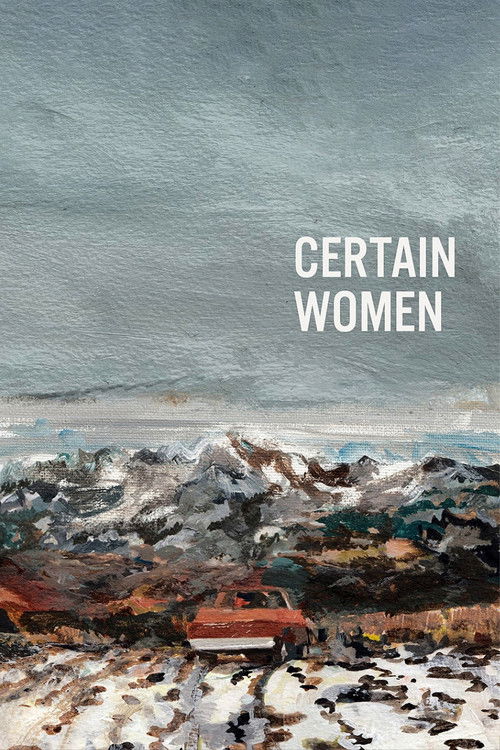
Certain Women2016
Three linked stories of women in rural Montana facing small humiliations and large betrayals. Reichardt's trademark patience creates space for the weight of things left unsaid—exactly God's Country's register.
But Almost nothing happens. If you need narrative momentum or clear stakes, this will feel like watching paint dry in real time.
Not sure tonight? Get a pick in a minute, starting from God's Country
The wildcard
Something you would not have found on your own.
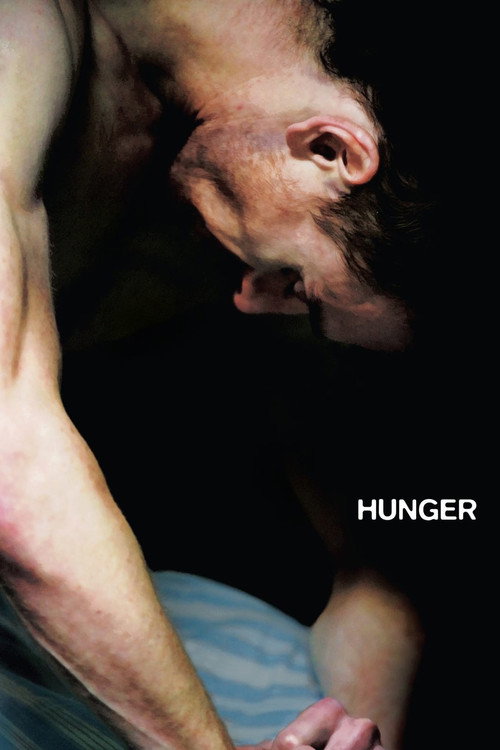
Hunger2008
Both films treat bodily autonomy and land/space as forms of political resistance. Both escalate from confrontation to catastrophe through the protagonist's refusal to yield.
Steve McQueen's film about an IRA prisoner's hunger strike is a study in how one person's body becomes a battleground for competing ideologies. Like God's Country, it's about refusal—the power and the cost of saying no.
But Visually and morally punishing. Long static shots of degradation, and the film refuses to provide moral comfort or narrative resolution.
More like this (8)
Compliance2012
A psychological escalation where one person's authority slowly erodes another's resistance. The mechanism of coercion—how we surrender—is the real subject, just as it is in God's Country.
But Based on a true story of humiliation. It's deeply uncomfortable by design, and some viewers find it exploitative rather than revealing.

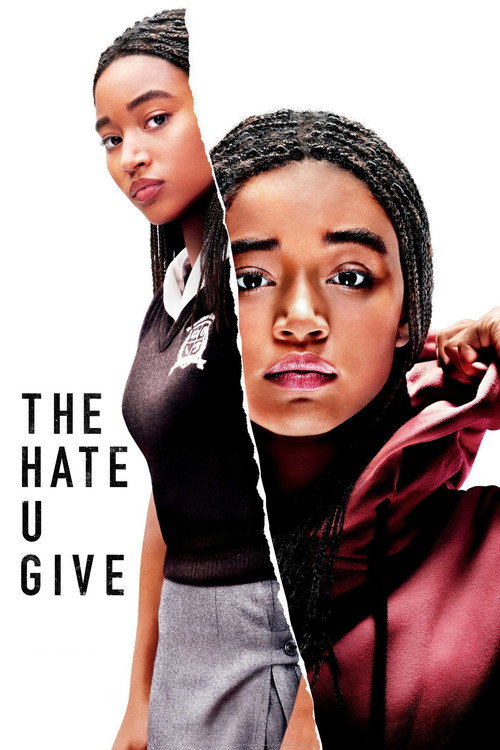
The Hate U Give2018
Race, property, self-defense, and the cost of speaking truth to power in spaces that don't want to hear it. A tighter, more conventional film, but it shares God's Country's moral urgency.
But It resolves more neatly and leans toward inspiration rather than ambiguity. Safer than the film you're considering.
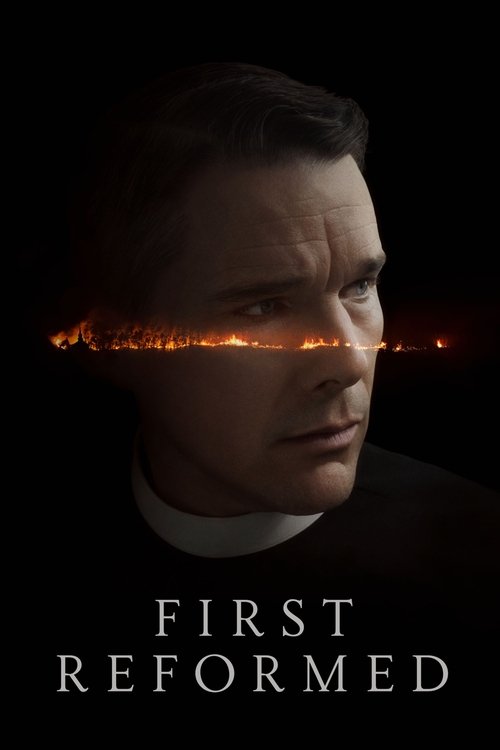
First Reformed2018
A woman alone with her principles, watching the world refuse to bend toward justice. Schrader's film is bleaker and stranger, but it has the same glacial intensity and moral isolation.
But Experimental, difficult, and genuinely depressing. The ending is not uplifting. Some find it precious; others find it profound.
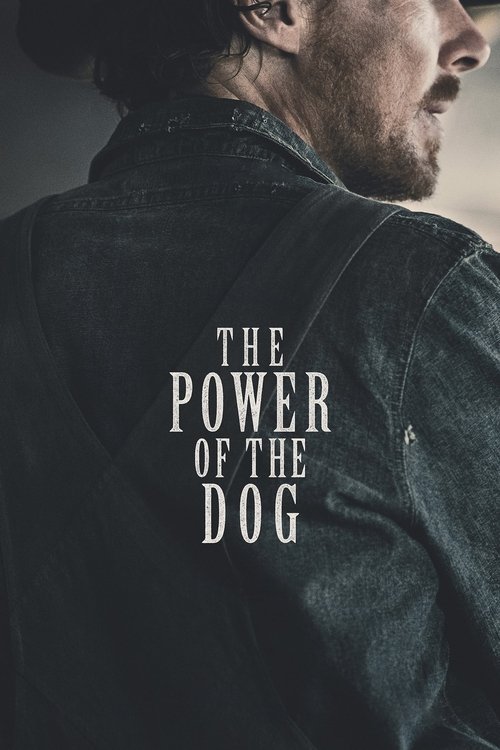
The Power of the Dog2021
A western where surface civility masks seething resentment and violence. Like God's Country, it studies how masculinity and territory entangle, and what happens when the polite fiction cracks.
But Slow, elusive, deliberately obscure about its own meaning. If you want clarity, you'll leave frustrated.
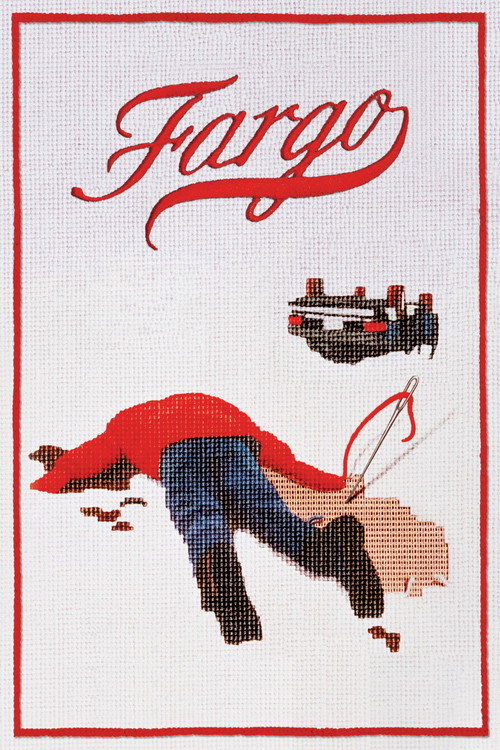
Fargo1996
A woman of principle navigating a world of male violence and stupidity. It's funnier than God's Country but builds from the same engine: ordinary people, extraordinary stakes, nowhere safe to hide.
But Crime thriller mechanics eventually dominate over character study. Less interested in moral ambiguity, more interested in plot.
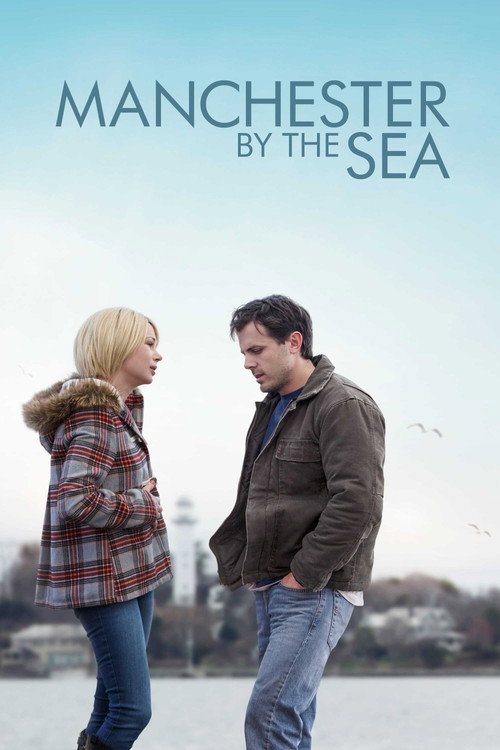
Manchester by the Sea2016
Grief and isolation in a landscape where everyone knows your history and nobody wants to help. Quiet, attentive, built on long silences and the weight of what people won't say aloud.
But It's about male grief and family obligation, not property or race. A thematic echo rather than a true parallel, and some find Lonergan's sadness self-indulgent.
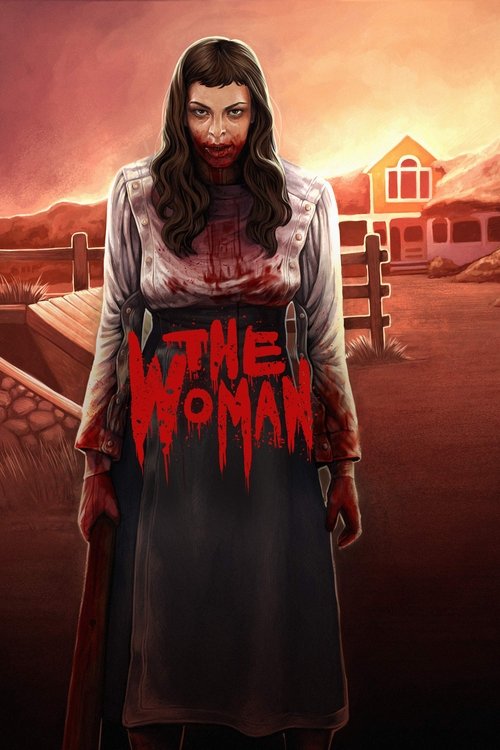
The Woman2011
Both use a woman's relationship to land and bodily autonomy as the fulcrum for exploring how quickly consent dissolves. Both ask what happens when someone refuses to leave or be controlled.
A family captures a feral woman on their property and the nightmare that follows. It's a vicious, intelligent film about civilization as a thin mask and property ownership as illusion—the dark inverse of God's Country's homeowner fantasy.
But Explicitly brutal, misogynistic in its content (though critical of misogyny). Exploitation cinema wrapped in social commentary. Many viewers find the distinction meaningless.
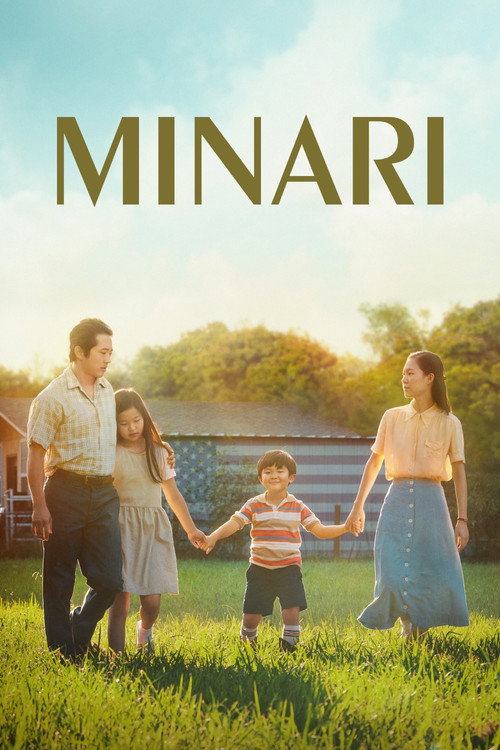
Minari2021
Both films examine property and belonging through the eyes of someone who cannot take either for granted. Both suggest that ownership is always provisional and always contested.
A Korean-American family tries to build a farm in rural Arkansas and discovers they'll never quite belong. A warmer film than God's Country, but it shares the same architecture: an outsider fighting to claim space in hostile territory, only to realize the land doesn't care who owns it.
But It's quieter and more forgiving than God's Country's escalation. If you want moral reckoning rather than grace, this will feel too gentle.
People
Cast
 Thandiwe NewtonSandra Guidry
 Jeremy BobbGus Wolf
 Jefferson WhiteSamuel Cody
 Joris JarskyNathan Cody
 Tanaya BeattyGretchen
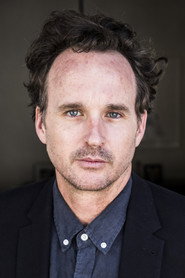 Kai LennoxArthur Gates
 Lynn SolomonFaith
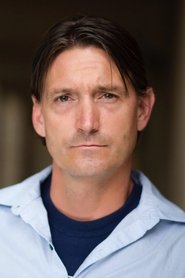 Gabriel ClarkBeefer
 Phaedra NielsonDiane
- Karen Jean OldsSusan
 Dark SevierTroublemaker
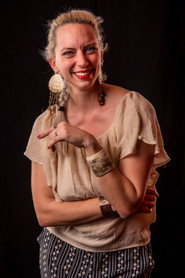 Ainsley SevierBartender
Directing
- Julian HigginsDirector
- Gary CottiFirst Assistant Director
- Ian J. PutnamFirst Assistant Director
- Michele CusickSecond Assistant Director
- Sarah BalboaSecond Assistant Director
- Josh SpiegelSecond Second Assistant Director
Writing
- James Lee BurkeShort Story
- Julian HigginsWriter
- Shaye OgbonnaWriter
Production
- Colin ScottAssociate Producer
- Kate BrittonCasting
- Mark BennettCasting
- Anthony CiardelliExecutive Producer
- Ian McClellanKey Set Production Assistant
- Ryan WeibushLocation Manager
- Amanda MarshallProducer
- Halee BernardProducer
- Julian HigginsProducer
- Miranda BaileyProducer
- Linden DeGurianProduction Assistant
- Lanie AlbinProduction Coordinator
- Ryan GibsonProduction Supervisor
- Dwjuan F. FoxUnit Production Manager