
Film
Pushing Hands
Ang Lee's debut feature is a tender, wry portrait of an aging Chinese tai chi master clashing gently with suburban American life—and his white daughter-in-law who speaks no Mandarin. It's about the small violences of belonging nowhere, told with genuine warmth and a light touch. For anyone who's felt caught between worlds.
If you liked this
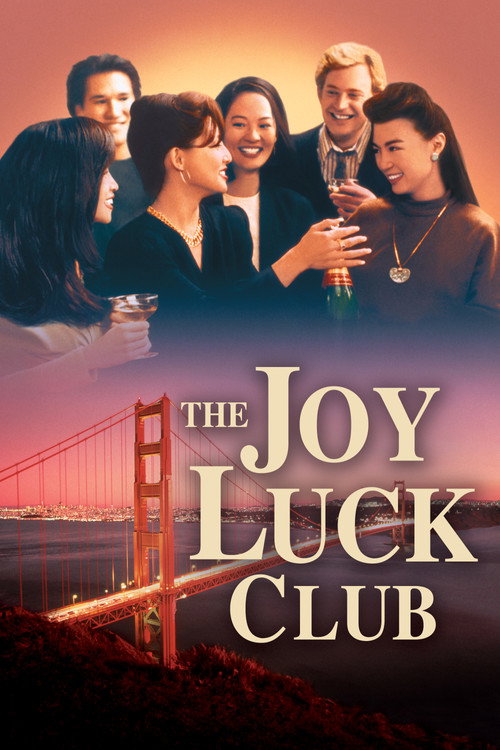
The Joy Luck Club1993
Four Chinese-American women navigate identity, family obligation, and the gulf between immigrant parents and American-born children. Like Pushing Hands, it finds comedy and heartbreak in the space between cultures without lecturing.
But Ensemble cast and multiple timelines can feel scattered if you're not invested in each woman's story equally. Some moments veer sentimental.
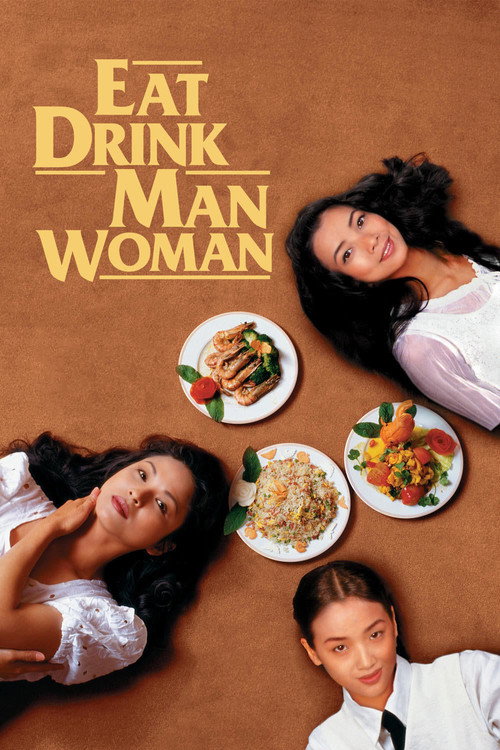
Eat Drink Man Woman1994
Also Ang Lee, also about a Chinese patriarch adjusting to change—here, a widowed chef and his three daughters in Taipei. Richer, funnier, and the food is a character itself. A direct spiritual successor to Pushing Hands.
But Subtitled. The family dynamics can be deliberately opaque if you're expecting Western narrative clarity.
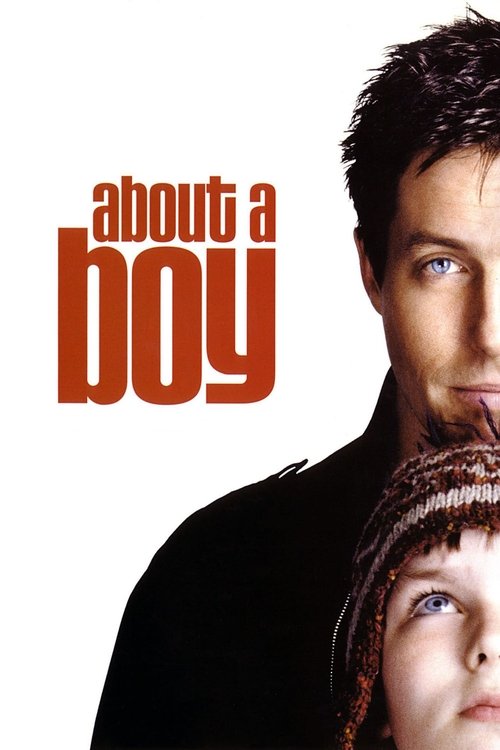
About a Boy2002
A misfit older man and a young boy form an unlikely bond while navigating modern life. Funny, deeply human, and interested in how people fail to connect before they succeed. Same emotional warmth as Pushing Hands.
But Lightweight compared to Pushing Hands—it prioritizes charm over real tension. Some will find it slight.
Not sure tonight? Get a pick in a minute, starting from Pushing Hands
The wildcard
Something you would not have found on your own.
Tokyo Story1953
Both films find profound emotion in the tension between an older parent and their adult children's lives, expressed through small daily interactions rather than dramatic confrontation. Both trust silence.
An aging Japanese couple visits Tokyo to see their children and grandchildren after the war. Ozu's masterpiece is almost entirely about the collision of generations, the polite suffering of the old, and the indifference of the young. The patient, observational form lets you feel time passing in the room.
But Glacially slow by any standard. No plot to speak of. If you need something to happen, this will feel like watching paint dry. It requires surrender.

More like this (8)
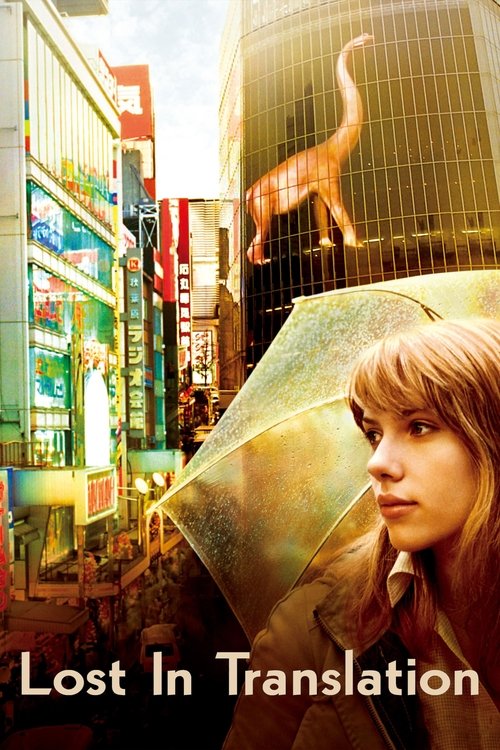
Lost in Translation2003
Two people adrift in Tokyo, unable to speak the language, unable to fully connect with anyone around them. A meditation on displacement, aging, and the comfort of being understood. Slower and moodier than Pushing Hands, but the loneliness is the same.
But Deliberately paced and sparse. If you want plot momentum, you will be frustrated. Deeply interior.
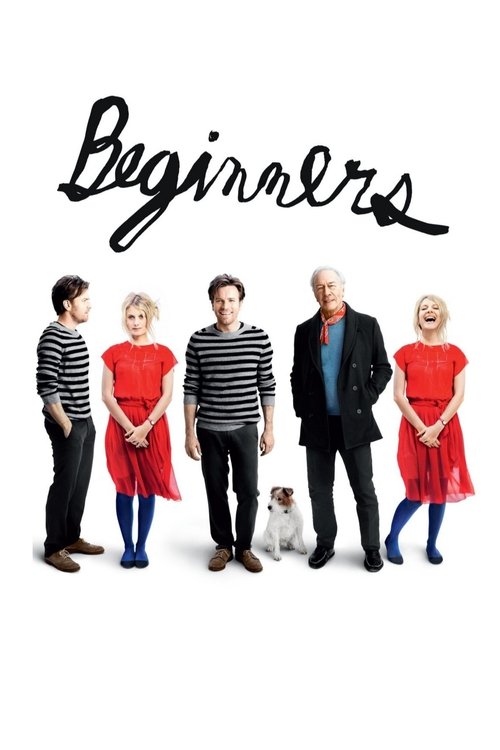
Beginners2011
An aging father comes out as gay after his wife's death; his son processes this late-life revelation. Tender, funny, and genuinely concerned with how parents and children see each other. The intergenerational awkwardness rings true.
But Fractured narrative structure and frequent tonal shifts work thematically but can feel scattered. The whimsy occasionally undercuts the pathos.
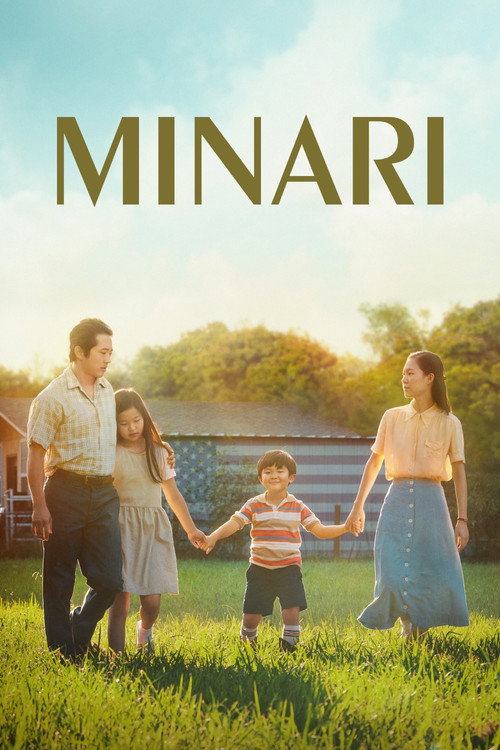
Minari2021
A Korean-American family uproots to rural Arkansas to chase the American dream. Intimate, unsentimental portrait of immigrant labor, sacrifice, and what home actually means. Recent and powerful, with similar cultural specificity to Pushing Hands.
But The ending is quiet and slightly ambiguous. If you want resolution, you won't quite get it. Some find the pacing glacial.
Clueless1995
A wealthy teenage girl navigates Los Angeles with impeccable style and surprising wisdom. Brilliant satire of American high school wrapped in charm and humor. Pure pleasure, but no less intelligent for it.
But Wildly tonal shift from Pushing Hands. If you're seeking cultural displacement and intergenerational tension, this is none of that. It's pure comedy.

The Farewell2019
A Chinese-American woman returns to China when her grandmother is diagnosed with terminal illness—except the family has decided not to tell the grandmother. Darkly funny, deeply sad, and razor-sharp about cultural difference and family loyalty.
But The humor is very dry and culture-specific. Some moments will land only if you understand Chinese family dynamics. Can feel cold to some viewers.

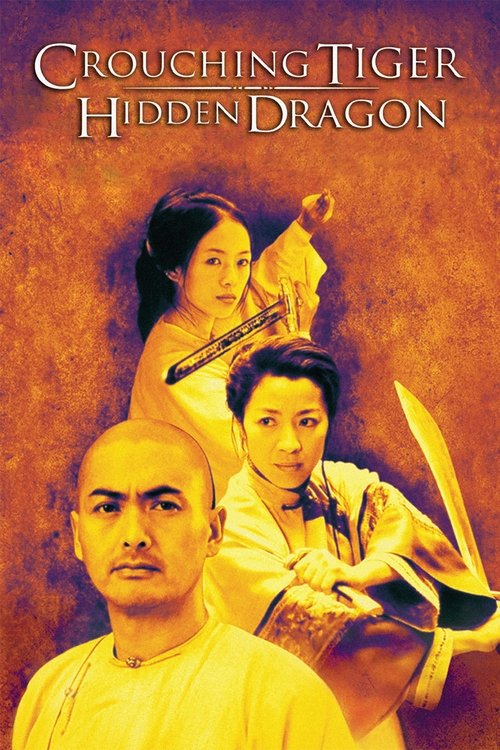
Crouching Tiger, Hidden Dragon2000
Epic martial-arts romance steeped in classical Chinese philosophy and longing. Visually extraordinary and emotionally complex. Also Ang Lee, also centered on Chinese identity and the weight of duty.
But The mysticism and wire work can feel dated now. If you want grounded realism like Pushing Hands, this is the opposite—it's operatic and stylized.
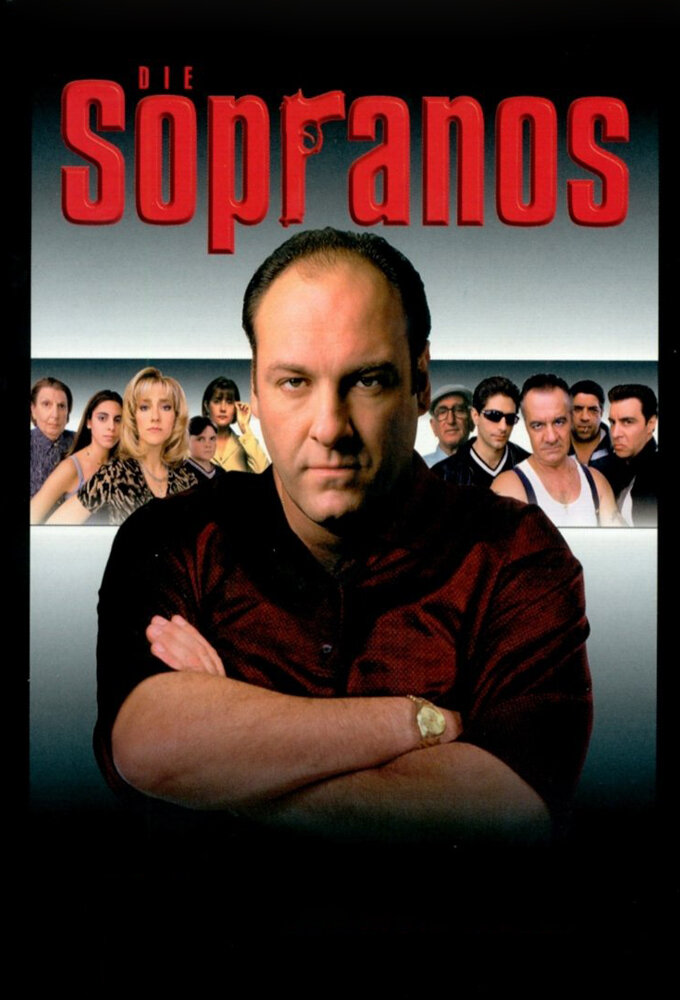
The Sopranos1999
Both works are fundamentally about the gap between how we present ourselves and who we actually are—Mr. Chu's stoicism versus his loneliness, Tony's control versus his chaos. Both use a central relationship (son-father, therapist-patient) to crack that gap open.
Tony Soprano sees a therapist about his panic attacks and dysfunction. Groundbreaking television that treats the interior life of a flawed person—his contradictions, his failure to change—with complete seriousness and occasional dark humor. The foundation of all prestige TV.
But Extremely violent, featuring graphic brutality and organized crime. Six seasons is a serious commitment. The therapy sessions move slowly and the narrative circles without resolution by design.
Portrait of Jennie1948
Both films are about displacement and the fear that you no longer belong to the world as it is now. Jennie is displaced in time; Mr. Chu is displaced in culture and geography. Both use visual composition (Lee's attention to space in the house, Jennie's painters' frames) to show interior states.
A struggling artist meets a mysterious woman who may or may not be real. A ghost story told with painterly beauty and genuine melancholy. Modest, strange, preoccupied with aging and the passage of time in ways that feel almost unbearably tender.
But A mid-century Hollywood fantasy melodrama, not a kitchen-sink family drama. It's sentimental and supernatural where Pushing Hands is grounded. The ending is deliberately melancholic in a way some will find frustrating rather than moving.

People
Cast
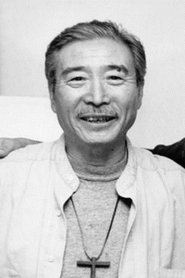 Lung SihungMr. Chu
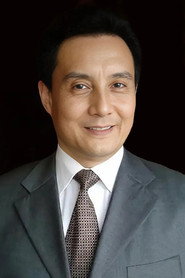 Wang BozhaoAlex Chu
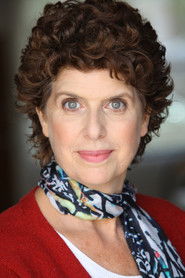 Deb SnyderMartha Chu
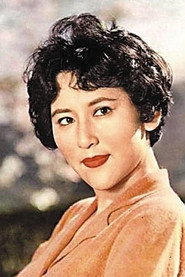 Wang LaiMrs. Chen
- Fanny De LuzLinda
 Haan LeeJeremy Chu
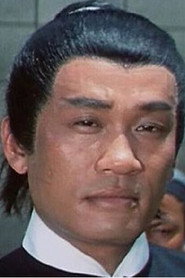 Wang Hung-ChangBoss Huang
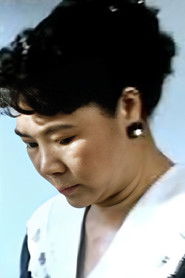 Jeanne Kuo ChangNew Cooking Teacher
- James LouMr. Chao
 Lester Chan Chit-ManChef Tsien
- Yin LiangChef Chang
- Emily Yi-Ming LiuChen Yi-Chien
Directing
- Ang LeeDirector
Writing
- Ang LeeWriter
- James SchamusWriter
Production
- Ang LeeExecutive Producer
- Emily Yi-Ming LiuExecutive Producer
- Hsu Li-KongExecutive Producer
- James SchamusExecutive Producer
- Ted HopeExecutive Producer
- Jiang Feng-ChytProducer