
Film
The Perks of Being a Wallflower
A gentle, aching high-school drama set in early-90s Pittsburgh, told through the eyes of a shy freshman finding his people via mixtapes, midnight screenings and a pair of magnetic seniors. It's tender rather than cynical about teenage pain, sincere about first love and slowly unspools a real trauma underneath the nostalgia. Good for anyone who wants their coming-of-age story soft-focused but not hollow.
If you liked this
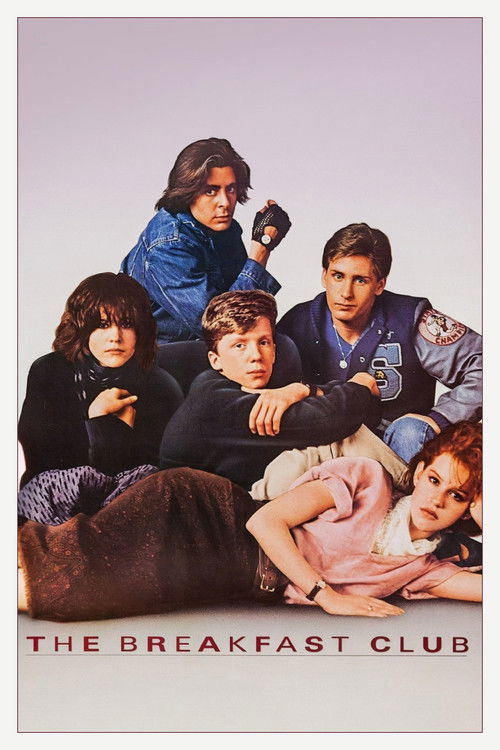
The Breakfast Club1985
The original template for outsiders finding each other in a single day, with the same conviction that teenagers' pain is not a phase but the whole event. Funnier and sharper than its reputation suggests.
But Very much a product of its decade — the gender politics and 'types' feel dated next to Perks' gentler touch.
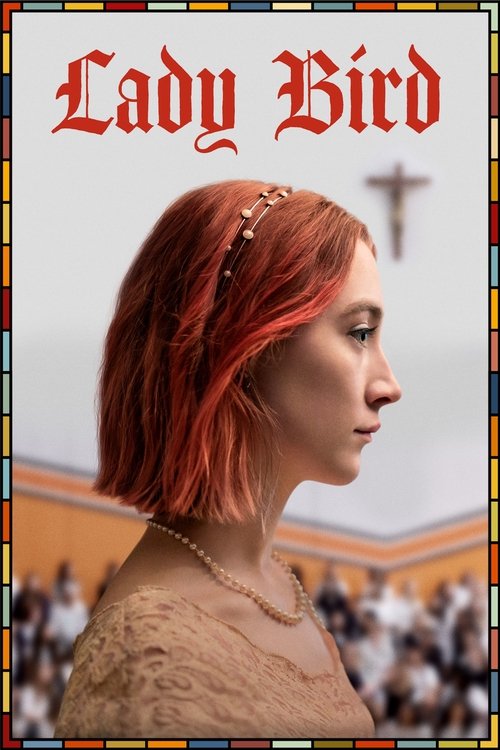
Lady Bird2017
Same warmth toward an awkward teenager's inner life, same soundtrack-driven sense of a specific place and year, but centered on a mother-daughter fight instead of Charlie's quieter wounds.
But More acerbic and less dreamy — Lady Bird bites back, where Charlie mostly absorbs.
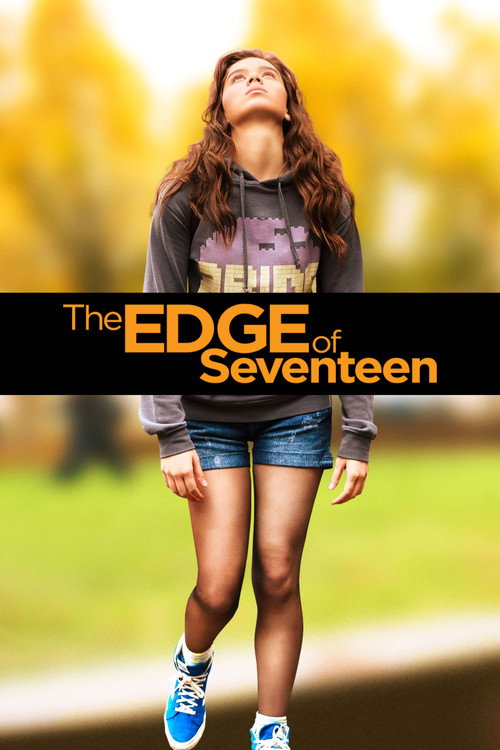
The Edge of Seventeen2016
A modern teen film with the same generous eye for humiliation and first crushes, and a lead who's prickly rather than sweet, which makes her breakthroughs land harder.
But Sharper-tongued and less interested in nostalgia — no mixtapes, no golden-hour tunnel scene.
The wildcard
Something you would not have found on your own.
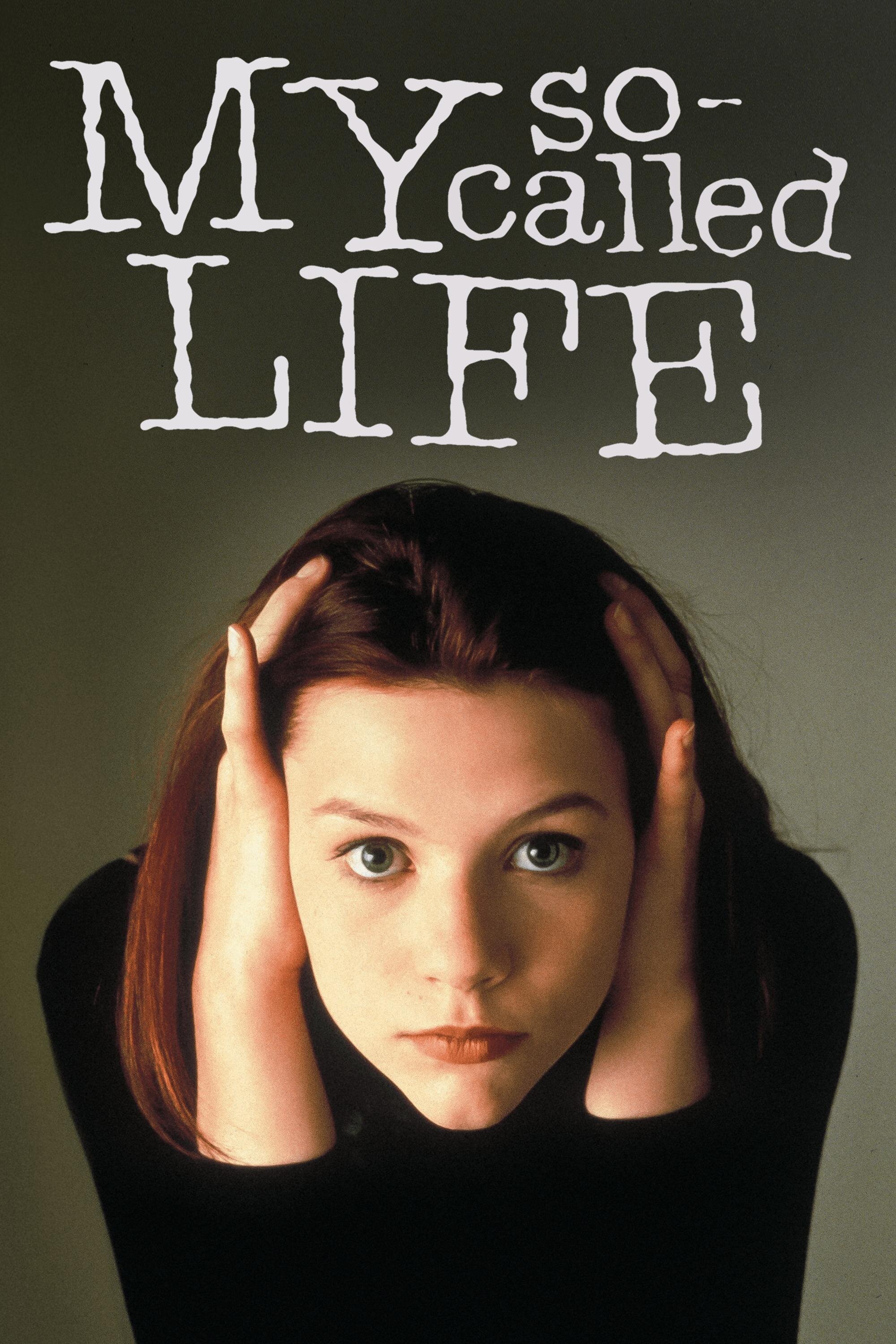
My So-Called Life1994
Same wounded, watchful narrator archetype and the same idea that being a teenage outsider is a serious subject — just stretched into television's longer form instead of a film's compressed one.
The same aching, diary-voiced adolescent interiority as Perks, but given nineteen episodes instead of one film's worth of time, so every crush and betrayal gets to breathe and complicate.
But Cancelled after one season, so it ends mid-thought — and its mid-90s teen-drama pacing feels slower than modern viewers may expect.
More like this (7)
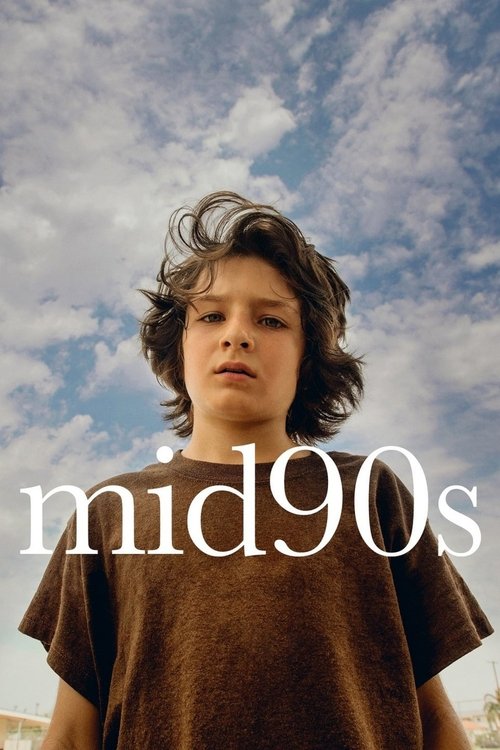
mid90s2018
Jonah Hill's directorial debut nails the same feeling of being adopted by older, cooler kids who half-save and half-endanger you, filtered through skate culture instead of mixtapes.
But Rougher and more masculine in texture, with less interiority — you watch Charlie's equivalent from the outside.
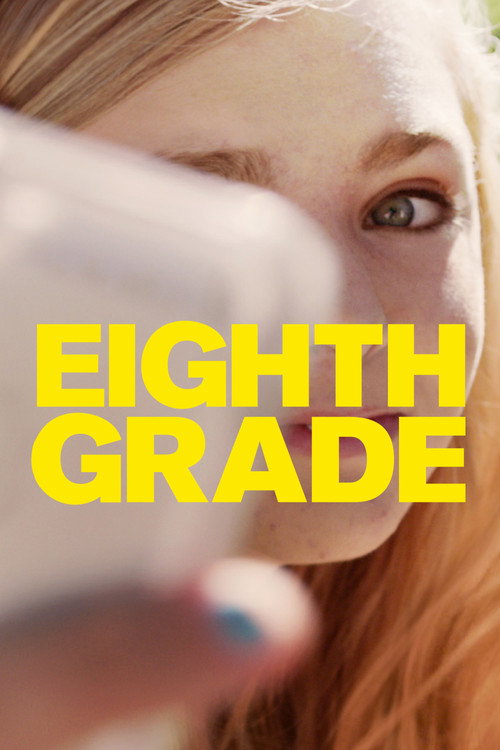
Eighth Grade2018
Bo Burnham's queasy, tender portrait of a shy kid trying to survive adolescence in real time, with the same instinct that being thirteen can feel like a low-grade emergency.
But Younger and cringier by design — it's discomfort cinema, not the wistful glow Perks goes for.
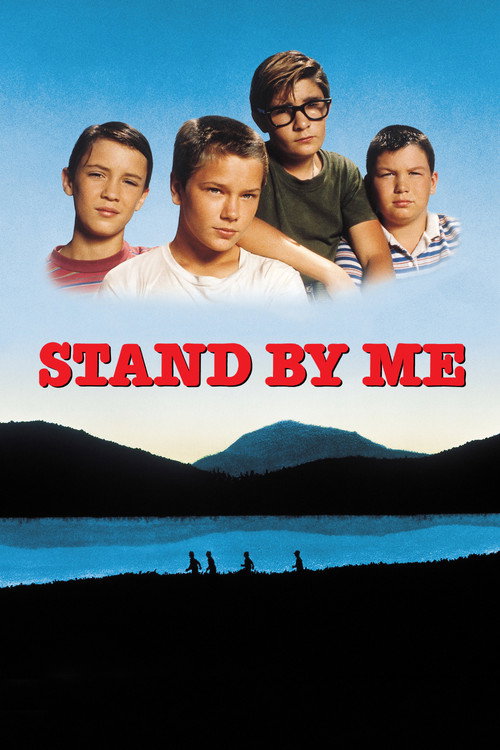
Stand by Me1986
An earlier, boy-shaped version of the same idea: a group of outsiders, one summer, and a friendship that quietly reshapes how the narrator sees his own life.
But More adventure than introspection, and its darkness is external rather than psychological.
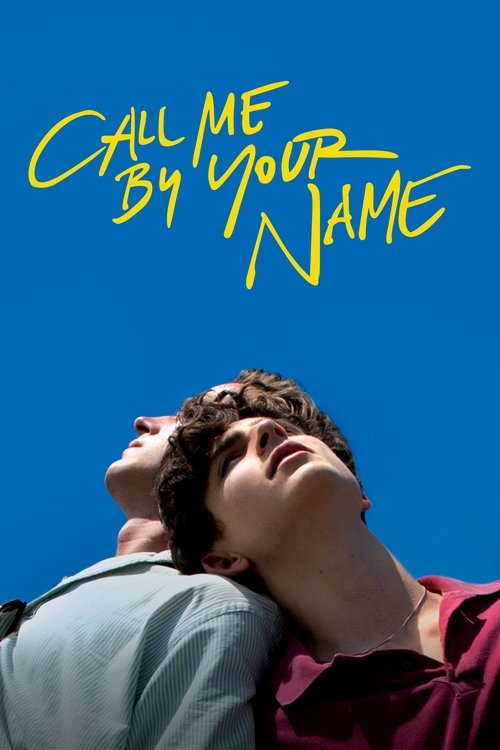
Call Me by Your Name2017
Shares Perks' commitment to first love as something enormous and formative, shot with the same sun-warmed, almost aching tenderness toward a teenage character.
But Slower and more sensuous — less plot, more atmosphere, and an ending that lingers rather than resolves.
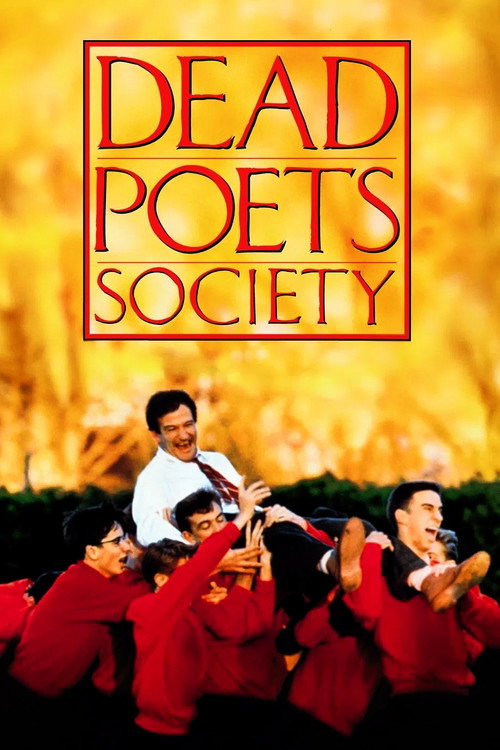
Dead Poets Society1989
Another story about sensitive boys who need an outside figure to give them permission to feel, with the same collision of beauty and looming tragedy.
But Its mentor is a teacher, not a peer, and it leans harder into speechifying idealism than Perks ever does.
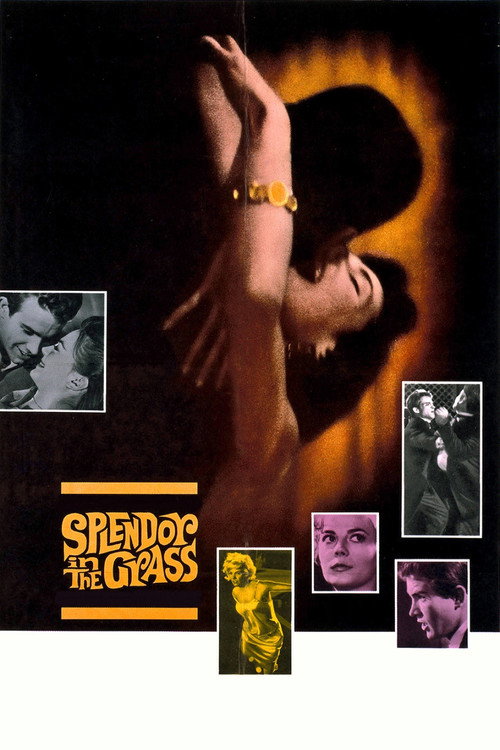
Splendor in the Grass1961
Both follow a fragile teenager whose unspoken psychological crisis is treated as the real story beneath a love plot — Splendor just does it in 1961, without any of the language we now have for it.
Natalie Wood and Warren Beatty in Elia Kazan's devastating study of repressed teenage desire tipping into breakdown — the mental-health undercurrent of Perks, decades before therapy was speakable on screen.
But Melodramatic by today's standards and far less gentle — its tragedy is blunt where Perks is careful and hopeful.
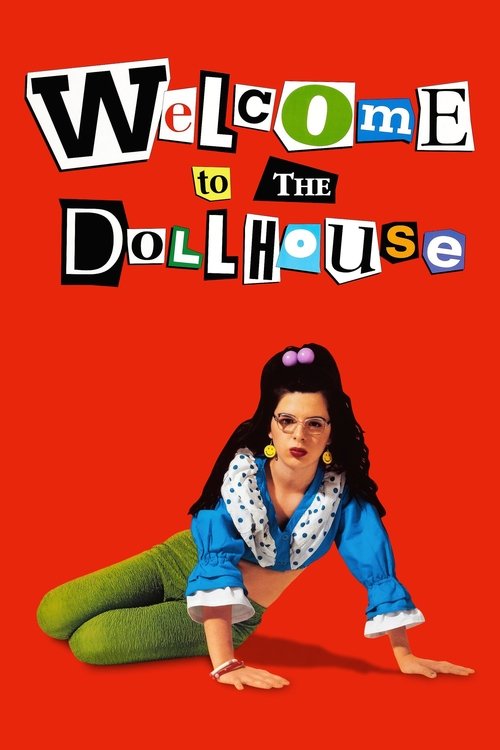
Welcome to the Dollhouse1996
Same core figure — the invisible kid on the edge of every room — but drained of nostalgia and warmth, showing how much of Perks' power comes from choosing tenderness instead of the more common cruelty.
Todd Solondz's pitch-black comedy about a friendless, mocked seventh-grader gives you the unglamorous, unrescued version of the wallflower — funny, cruel, and unwilling to soften anything.
But Deliberately abrasive and bleak with no warm mentors or redemptive romance — it refuses Perks' comfort almost entirely.
People
Cast
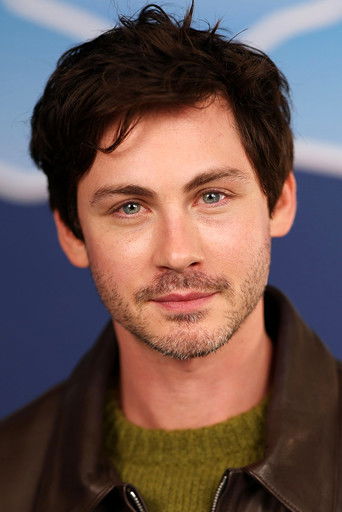 Logan LermanCharlie
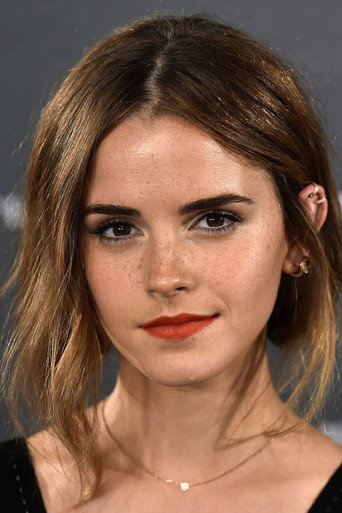 Emma WatsonSam
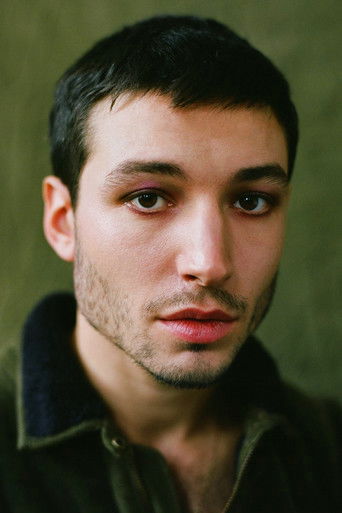 Ezra MillerPatrick
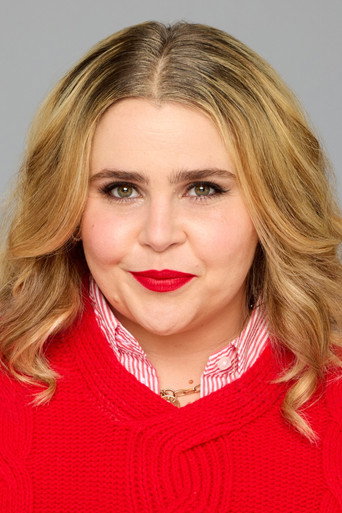 Mae WhitmanMary Elizabeth
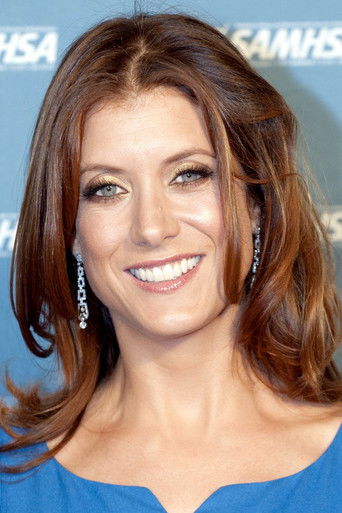 Kate WalshMother
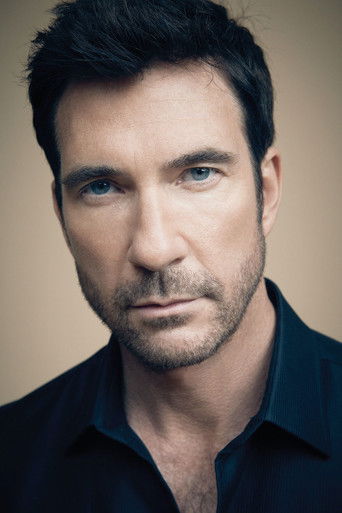 Dylan McDermottFather
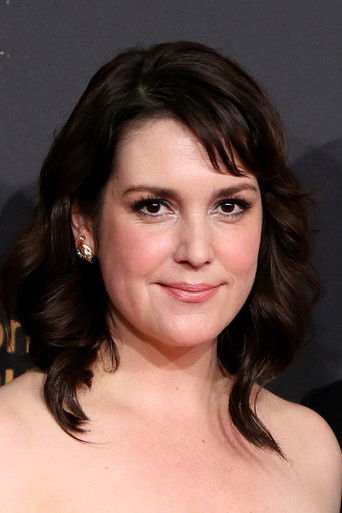 Melanie LynskeyAunt Helen
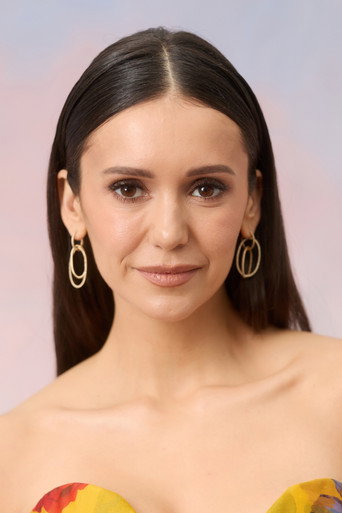 Nina DobrevCandace
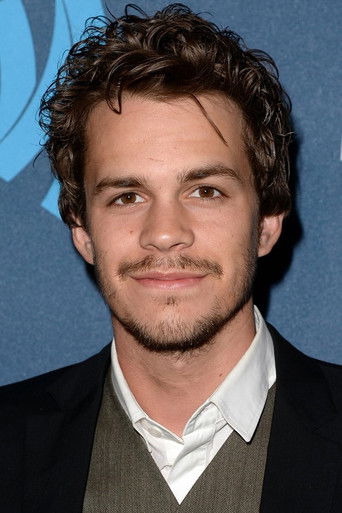 Johnny SimmonsBrad
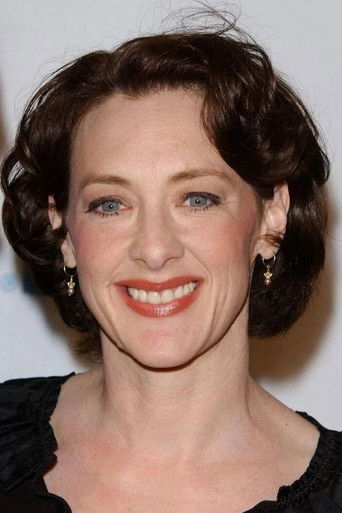 Joan CusackDr. Burton
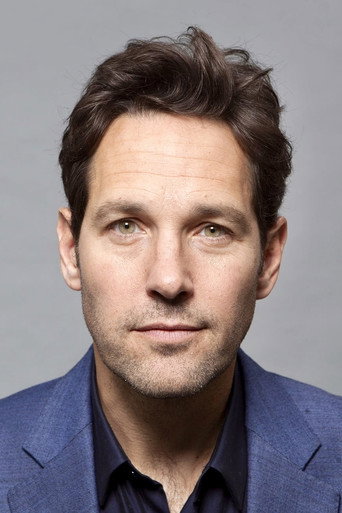 Paul RuddMr. Anderson
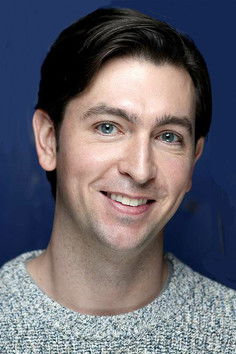 Nicholas BraunPonytail Derek
Directing
- Stephen ChboskyDirector
- Chip SignoreFirst Assistant Director
- Diane Hassinger NewmanScript Supervisor
- Susan Ransom-CoyleSecond Assistant Director
Writing
- Stephen ChboskyBook
- Stephen ChboskyScreenplay
Production
- Ava DellairaAssociate Producer
- Chris GaryAssociate Producer
- Mary VernieuCasting
- Venus KananiCasting
- Gillian BrownCo-Producer
- James PowersExecutive Producer
- Stephen ChboskyExecutive Producer
- Shawn BoyachekLocation Manager
- John MalkovichProducer
- Lianne HalfonProducer
- Russell SmithProducer
- Natalie AngelProduction Coordinator
- Janice F. SperlingProduction Supervisor
- James PowersUnit Production Manager
Recommended by
Girl, Interrupted, Donnie Darko, A Silent Voice: The Movie, The Edge of Seventeen, Eighth Grade, Short Term 12, Juno, Love, Simon, The Half of It, The Fault in Our Stars, Everything Sucks!, The Breakfast Club