
Film
The Fault in Our Stars
A teenage cancer-ward romance that dares to be funny before it breaks your heart. Hazel and Gus fall in love with a wit and self-awareness that keeps the film from drowning in its own sadness, even as it walks you, eyes open, toward the ending you already know is coming. Bring tissues.
If you liked this
Me and Earl and the Dying Girl2015no page yet
The same terminal-illness setup filtered through jittery, self-aware teenage humour and stop-motion doodles, refusing to let grief sit still for a second. It's messier and funnier than TFIOS, and just as devastating by the end.
But The quirky-narrator style can feel try-hard, and the dying girl herself gets less interiority than the boy telling the story.
A Walk to Remember2002
The genre's grandparent in modern form: opposites-attract teens, a terminal diagnosis kept secret, and a Nicholas Sparks-style commitment to wringing every tear out of you. Mandy Moore is genuinely good in it.
But Early-2000s melodrama pacing and some dated culture-war subplot around the church youth group haven't aged gracefully.

Five Feet Apart2019no page yet
Two teenagers with cystic fibrosis fall in love under a literal six-foot rule, turning physical distance into the whole engine of the romance. Its closest modern cousin, right down to the wisecracking best friend.
But It leans harder into YA-Instagram gloss than TFIOS did, and some of its medical logic is shaky.
The wildcard
Something you would not have found on your own.
Love Story1970no page yet
TFIOS is a direct descendant of this film's DNA — same shape, same emotional machinery, seventy years earlier and unashamedly sincere about it.
The film that basically invented this whole weepy template — young lovers, class differences, a fatal diagnosis withheld — decades before Hazel and Gus. Watch it to see how little the formula has changed, and how well it still works.
But The gender politics and dialogue are pure 1970, and some of its sincerity now plays as unintentionally funny.
More like this (8)
If I Stay2014no page yet
A cellist teenager hovers between life and death after a car crash, replaying her love story in flashback. Chloe Grace Moretz brings real ache to a premise that could have been just a gimmick.
But The out-of-body framing device is more distancing than moving, and the romance gets less room to breathe.
Now Is Good2012no page yet
Dakota Fanning plays a teenager with leukaemia working through a bucket list while falling for the boy next door — quieter and more British-understated than TFIOS, but hitting a lot of the same notes.
But It's low-key to the point of slightness, and less quotable or funny than Hazel and Gus's banter.
Everything, Everything2017no page yet
A girl confined indoors by a rare immune disorder falls for the boy who moves in next door, all messages passed through glass. Visually inventive in a way that makes isolation feel romantic rather than grim.
But A late twist changes the emotional stakes considerably, and not everyone forgives the film for it.
My Sister's Keeper2009no page yet
Shifts the lens from the sick teenager to the family around her, with Cameron Diaz as a mother refusing to let go. A good companion piece for how illness reshapes everyone in a house, not just the patient.
But It's engineered for maximum sobbing with less wit to leaven it, and the plotting can feel manipulative.
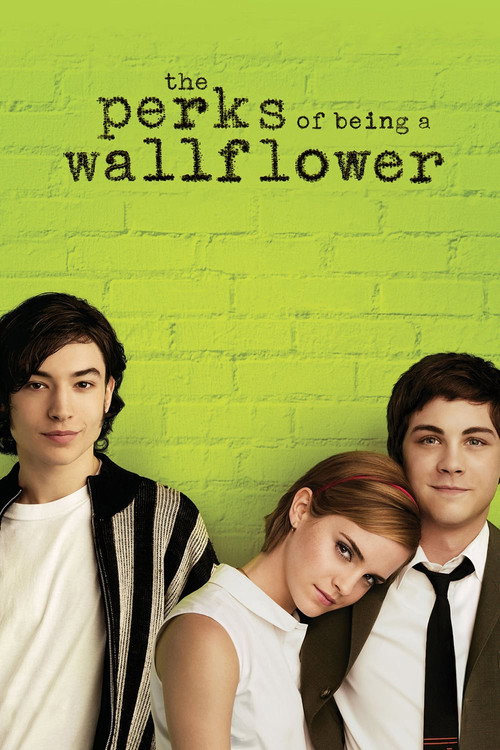
The Perks of Being a Wallflower2012
Not illness, but the same tender, specific attention to teenagers figuring out how to survive being alive — first love, grief, and the friends who make adolescence bearable.
But The mental-health material is handled with less directness than TFIOS handles cancer, and some may want more of the disease-story catharsis.
Restless2011no page yet
Gus Van Sant's odd, tender little film about a boy obsessed with death who falls for a girl with a terminal diagnosis — whimsical, ghost-story strange, and genuinely moving underneath the quirk.
But It's slighter and stranger than TFIOS, more interested in mood and metaphor than in earning its ending.
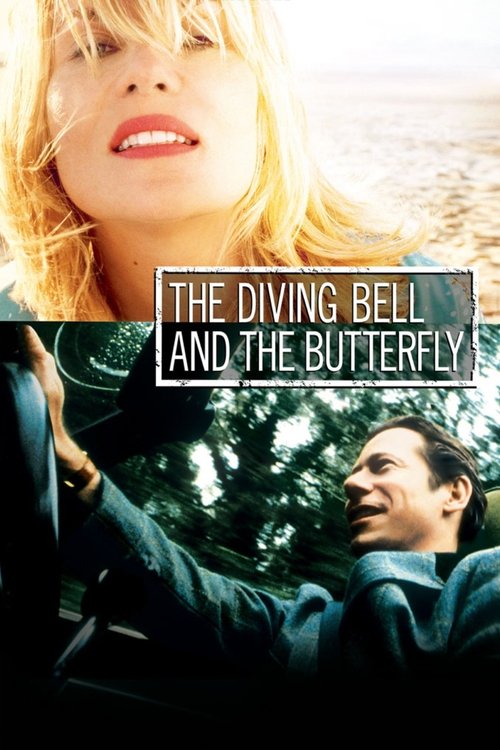
The Diving Bell and the Butterfly2007
Same central question — what a full life looks like when the body is betraying you — stripped of youth, romance, and any comforting distance.
A true story, told largely from inside the paralysed body of a man who can only communicate by blinking one eye. It asks the same question TFIOS does — how do you live richly inside a dying body — with none of the youth or romance to soften it.
But French-language, formally daring, and much slower and starker than anything approaching a teen romance.
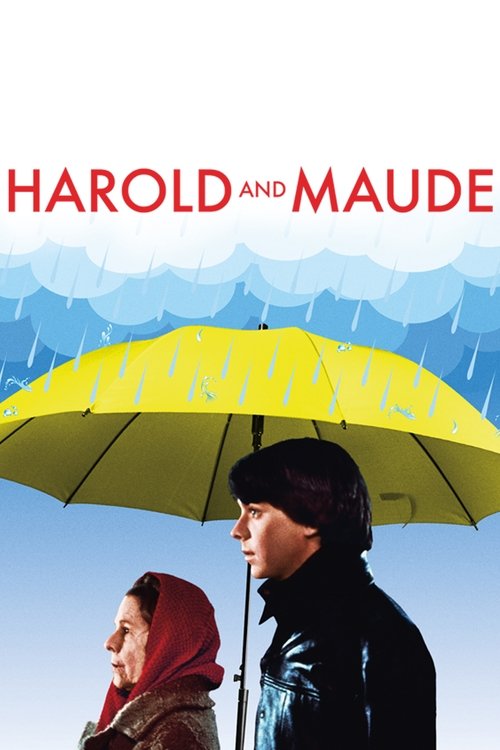
Harold and Maude1971
Same premise — love as an answer to mortality — played as gleeful black comedy instead of sincere tragedy, proving the engine works in either register.
A death-obsessed young man falls for a septuagenarian who's decided to love life fiercely because she knows exactly how little of it is left. Wildly funny, deeply strange, and secretly about the exact same thing TFIOS is: how mortality clarifies love.
But The tone is arch, dark-comic and deliberately provocative — an enormous swing away from TFIOS's earnestness that not everyone will want.
People
Cast
 Shailene WoodleyHazel Grace Lancaster
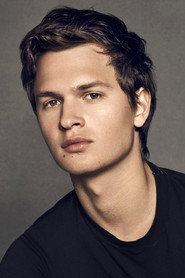 Ansel ElgortAugustus Waters
 Nat WolffIsaac
 Laura DernFrannie Lancaster
 Sam TrammellMichael Lancaster
 Willem DafoePeter van Houten
 Lotte VerbeekLidewij Vliegenthart
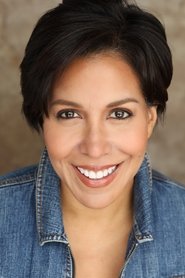 Ana Dela CruzDr. Maria
 Randy KovitzDr. Simmons
 Toni SaladnaFlight Attendant
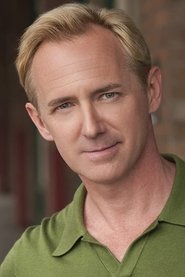 David WhalenGus' Dad
 Milica GovichGus' Mom
Directing
- Cora AarnoutseCrowd Assistant Director
- Josh BooneDirector
- H.H. CooperFirst Assistant Director
- Luca KouimelisScript Supervisor
- Kristen PlouchaSecond Assistant Director
- Stefanie HamannSecond Assistant Director
- Dan ShortSecond Second Assistant Director
- Lodewijk van LelyveldThird Assistant Director
Writing
- John GreenNovel
- Michael H. WeberScreenplay
- Scott NeustadterScreenplay
Production
- Donna BelajacCasting
- Ronna KressCasting
- Hannah d'AngerioCasting Associate
- Laura ZechCasting Associate
- Michele Imperato StabileExecutive Producer
- Ryan WhiteExecutive Producer
- Marty BowenProducer
- Wyck GodfreyProducer
Recommended by
You+Me - Against the World, Never Let Me Go, Twilight, A Walk to Remember