
Film
Violent Saturday
- Heist
- Very dark
A tight 1955 heist thriller where three criminals meticulously plan a small-town bank robbery that spirals into violence. Shot in VistaVision with an ensemble cast of solid character actors, it's tense and economical—a B-picture that knows exactly what it is and executes it cleanly. For anyone who loves the craft of crime cinema before it got baroque.
If you liked this
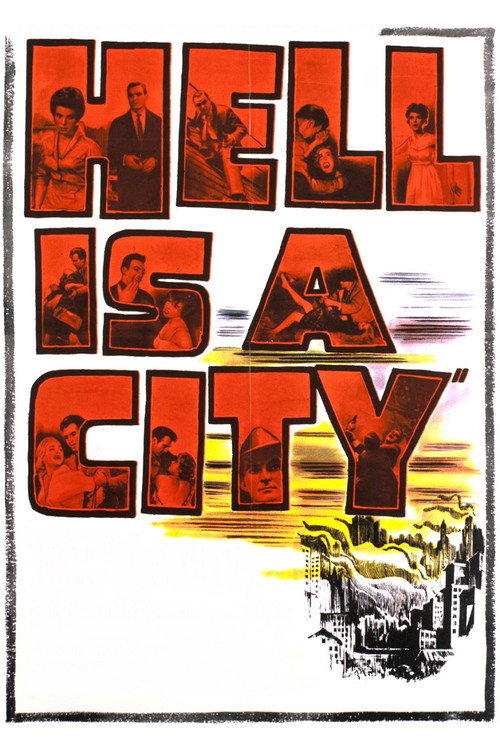
Hell Is a City1960
British crime procedural with a similar DNA: police and thieves stalking each other through a real city, shot in sharp black-and-white with an unsentimental edge and excellent supporting cast chemistry.
But Slower than you'd expect, and the police work takes precedence over the heist itself. Some viewers find the pacing deliberate to the point of draggy.
The Killing1956
Kubrick's debut heist picture uses a fractured timeline to build suspense around a racetrack robbery. Lean, clever, and every scene has a purpose. Peak B-picture intelligence.
But The narrative structure demands attention; if you're looking for straightforward thrills, the time-jumping can feel mannered rather than exciting.

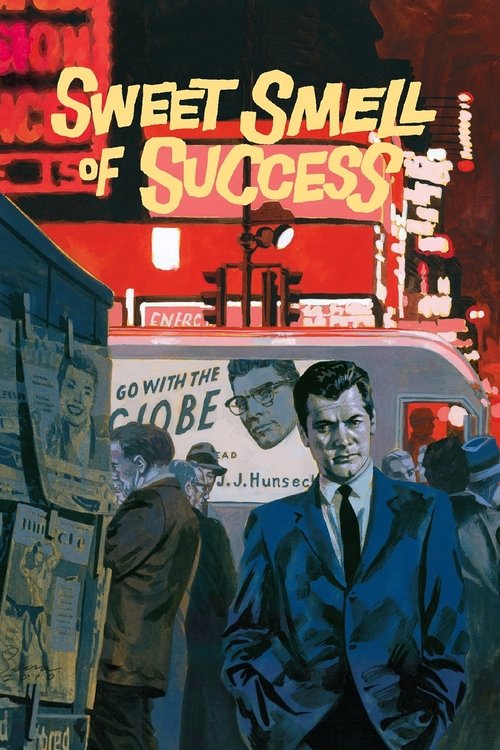
Sweet Smell of Success1957
A masterwork of urban noir with ferocious dialogue and a pulp morality. Two men locked in a vicious dance. The cinematography and poison-pen script are intoxicating.
But Deliberately nasty and airless—there's no one to root for. Some find the relentless cynicism exhausting rather than exhilarating.
Not sure tonight? Get a pick in a minute, starting from Violent Saturday
The wildcard
Something you would not have found on your own.
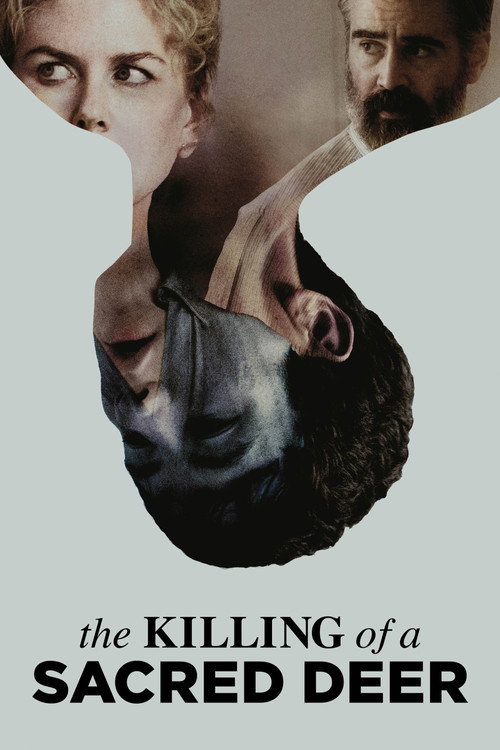
The Killing of a Sacred Deer2017
Both use meticulous planning and ensemble casts to explore how a single act of transgression triggers inexorable consequences. The heist structure becomes a trap.
Yorgos Lanthimos takes the heist film's DNA and rebuilds it as a Greek tragedy. A debt must be repaid; a family spirals into ritualistic violence. It's methodical and inexorable, built on the same architecture as a robbery film but with stakes that are existential rather than material.
But Deliberately artificial in its blocking and dialogue—the stylization will feel cold and alienating if you want naturalism. Also genuinely disturbing in ways that linger unpleasantly.
More like this (8)
The Asphalt Jungle1950
The prototype heist film. Methodical, unglamorous planning meeting messy reality. John Huston sets the template with an ensemble of character actors, each fully realized despite limited screen time.
But It's the *template*, which means if you've seen its descendants, some of this will feel familiar. Also, the pacing is glacial by modern standards.

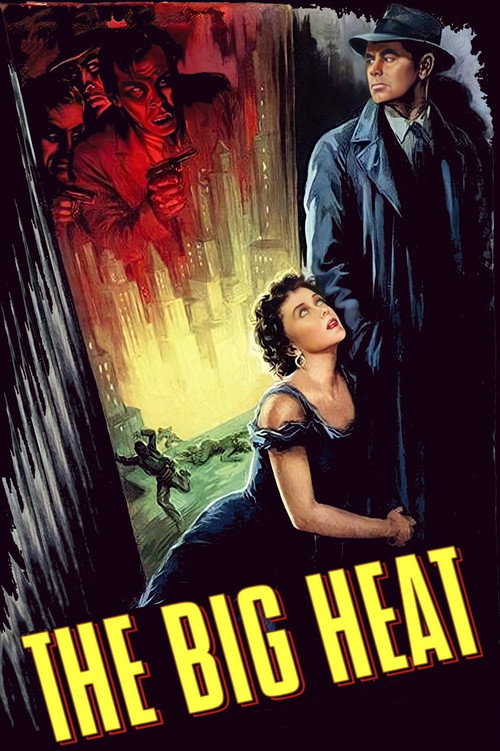
The Big Heat1953
Fritz Lang's revenge noir is compact and ferocious. A man's life explodes and he pursues justice through the criminal underworld. Raw emotion under complete stylistic control.
But The violence is sudden and brutal—a film that doesn't soften its blows. Also very dark thematically; there's no redemption on offer.
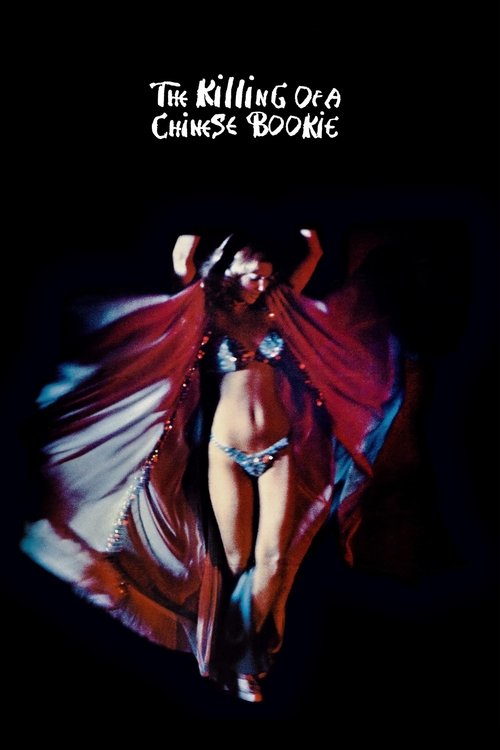
The Killing of a Chinese Bookie1976
Cassavetes' overlooked gem is a heist picture told from the inside of chaos. Handheld and intimate, it catches the texture of desperation and incompetence that planning cannot prevent.
But Deliberately rough-hewn and improvisational. If you want polish and precision, this will feel sloppy. Very long takes with minimal dialogue will test your patience.
In a Lonely Place1950
Bogart as a screenwriter suspected of murder. Paranoia and mistrust corrode everything. Nicholas Ray's direction is ice-cold and the relationship at the heart is genuinely sad.
But Quiet and introspective rather than propulsive. Some viewers find it slow; others find the ending unbearably depressing.

The Killers1946
Siodmak's adaptation of Hemingway is a masterclass in noir construction. Two assassins arrive to kill a man who accepts it passively—then we work backward to understand why. Sculptural and strange.
But The structure is fractured and the central mystery isn't entirely satisfying once revealed. Some find it more style than substance.

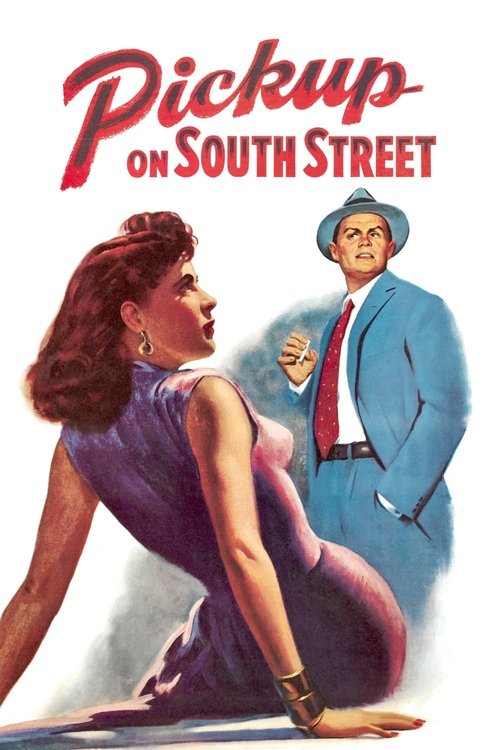
Pickup on South Street1953
Sam Fuller's hyper-kinetic Cold War pickpocket thriller. Shot on location, faster than anything around it, with genuine stakes and a moral compass that surprises you.
But The editing is deliberately jagged and the pacing relentless—some viewers find it exhausting rather than exhilarating. Also a product of its paranoid era in ways that can feel dated.
Rififi1955
Contemporary companion piece made an ocean apart but solving the same narrative problem: how do you make theft exciting without glamorizing it? Both choose precision over emotion.
French heist classic released the same year as Violent Saturday—a silent, audacious jewel robbery set against the Parisian underworld. The robbery itself is staged without dialogue or music. Pure cinema, utterly gripping.
But The pacing is French (patient, deliberate) and the subtitles require focus. Also quite violent and not sentimental about the criminal life.

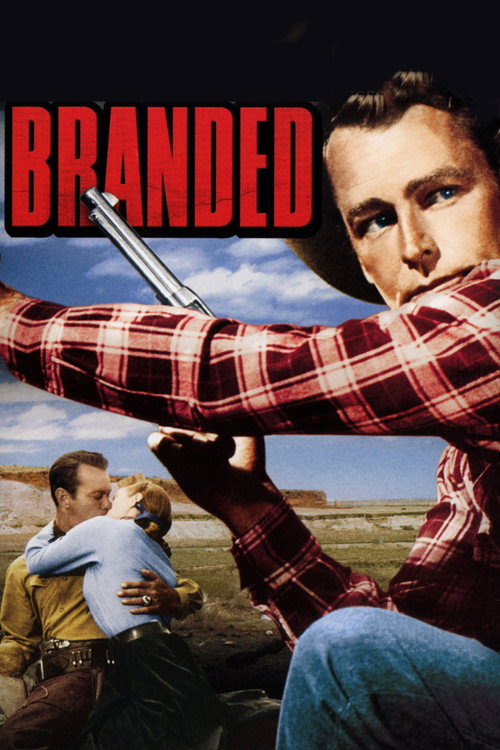
Branded1950
Like Violent Saturday, it's about men executing a plan against others, but it inverts the heist structure: instead of external obstacles, the plan fails because of internal rot. Both use ensemble casting to show how a single transgression poisons an entire community.
Laird Cregar and Robert Alton's strange, under-known noir about a con man and the woman he destroys. Psychologically cruel, gorgeously shot in color, and genuinely unsettling about the machinery of persuasion and complicity.
But Genuinely bleak and misanthropic—there's no emotional release, only the steady erosion of someone's moral foundation. Also extremely dated in its sexual politics, which can be hard to watch.
People
Cast
 Victor MatureShelley Martin
 Richard EganBoyd Fairchild
 Stephen McNallyHarper
 Virginia LeithLinda Sherman
 Tommy NoonanHarry Reeves, Bank Manager
 Lee MarvinDill
 Margaret HayesMrs. Emily Fairchild
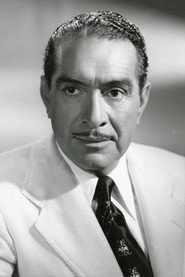 J. Carrol NaishChapman, Bank Robber
 Sylvia SidneyElsie Braden
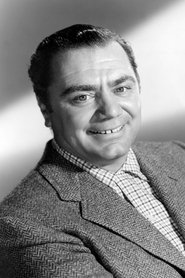 Ernest BorgnineStadt, Amish Farmer
 Dorothy PatrickHelen Martin
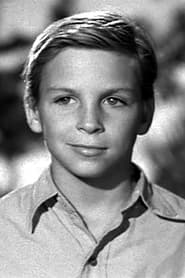 Billy ChapinSteve Martin
Directing
- Joseph E. RickardsAssistant Director
- Richard FleischerDirector
- Harry ManckeSecond Assistant Director
Writing
- William L. HeathNovel
- Sydney BoehmScreenplay
Production
- Buddy AdlerProducer