
Film
The Money Trap
A 1965 crime thriller about two cops who decide to steal the half-million dollars they're meant to recover from a burglary. Taut, cynical, and propelled by excellent ensemble work, it's a sharp study of compromise and temptation set against the underbelly of Los Angeles. For anyone who loves their noir with moral ambiguity and no easy answers.
If you liked this
In a Lonely Place1950
Bogart as a violent man trying to go straight, framed for murder. Another meditation on cops and criminals blurring together, with the same fatalism and beautiful cinematography that haunts The Money Trap.
But A slow burn that hangs on mood and character rather than plot momentum. Demands patience and tolerance for ambiguity.

The Killing1956
Kubrick's heist masterpiece about a racetrack robbery and the men who plan it. Fractured timeline, moral decay, the fantasy of a perfect crime—everything The Money Trap reaches for, executed with genius.
But Black and white, mid-century pacing, and deliberately disjointed narrative. Not a straightforward thriller.

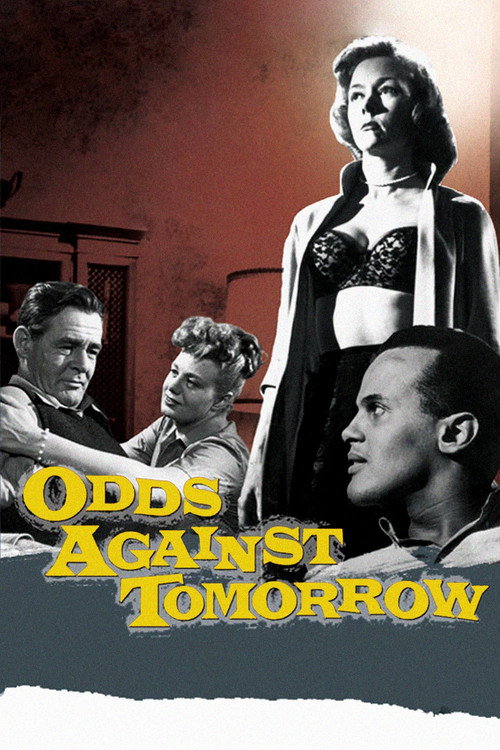
Odds Against Tomorrow1959
Harry Belafonte and Robert Ryan as criminals planning a bank robbery. Race tension, moral rot, and the self-destructive logic of men in over their heads. Sharp writing, real stakes, utterly unsentimental.
But The social commentary is dense and occasionally heavy-handed. Some viewers find it dated in its earnestness.
Not sure tonight? Get a pick in a minute, starting from The Money Trap
The wildcard
Something you would not have found on your own.
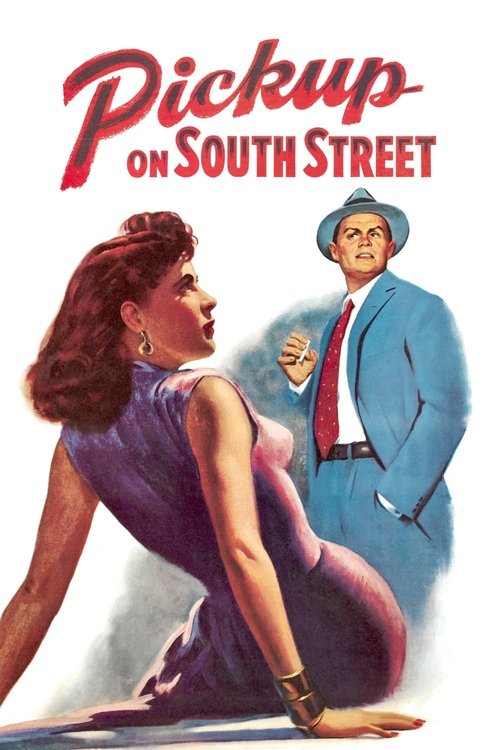
Pickup on South Street1953
Both are films about men on the wrong side of the law who discover they're already compromised. The Money Trap asks the question; Pickup on South Street answers it savagely.
Fuller's masterpiece about a pickpocket, a stool pigeon, and Cold War paranoia. Tighter, fiercer, and far more stylish than The Money Trap, with the same moral mud and the same question: when do good men become criminals?
But Aggressively unsentimental. Characters are damaged and rarely likeable. Fuller's style can feel crude if you're not ready for it.
More like this (8)
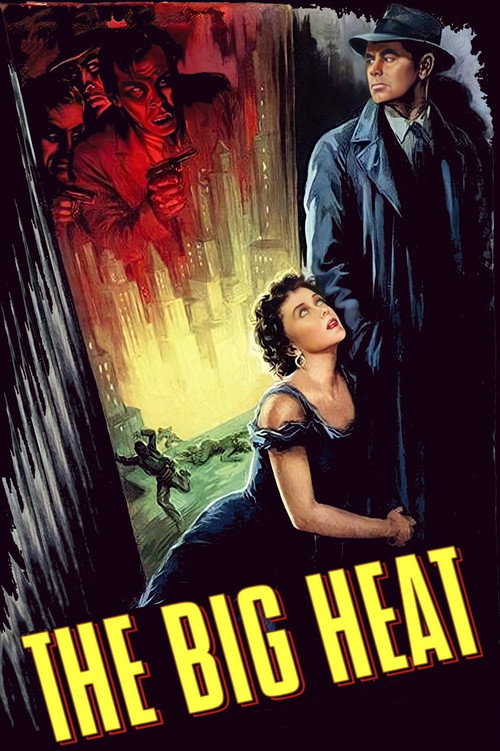
The Big Heat1953
Fritz Lang's revenge noir about a cop seduced into violence. Claustrophobic, brutal, driven by that same question: how far will a good man go? Visually stunning and morally unforgiving.
But Graphic violence for its era—it pulls no punches. The pacing is deliberate rather than propulsive.
The Asphalt Jungle1950
Huston's landmark heist film. The blueprint for every crime film that followed. Ensemble cast, meticulous planning, and the inevitability of failure. Cynical, intelligent, gripping.
But Slow first half establishing characters and the job. Black and white, 1950, long runtime. Patience required.

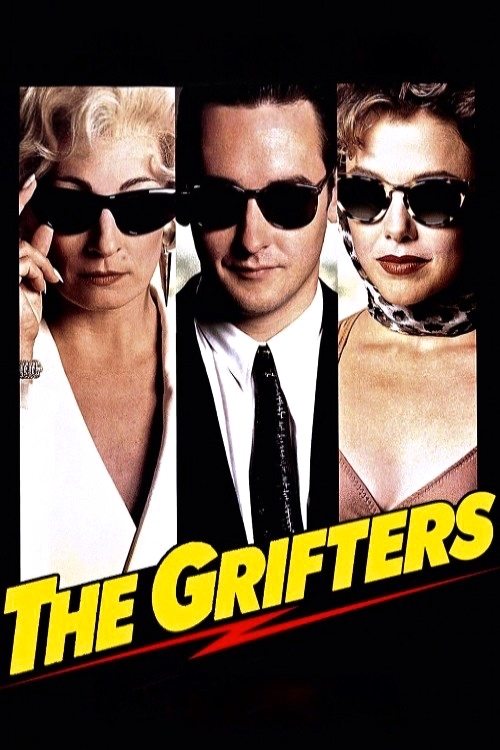
The Grifters1990
Con artists and thieves, all trying to outthink each other. Nasty, clever, beautifully acted by Huston, Buscemi, and Cusack. Moral chaos without redemption—exactly The Money Trap's ethos.
But Deeply cynical and bleak. No sympathetic characters, and the ending doesn't comfort. Some find it too grim.
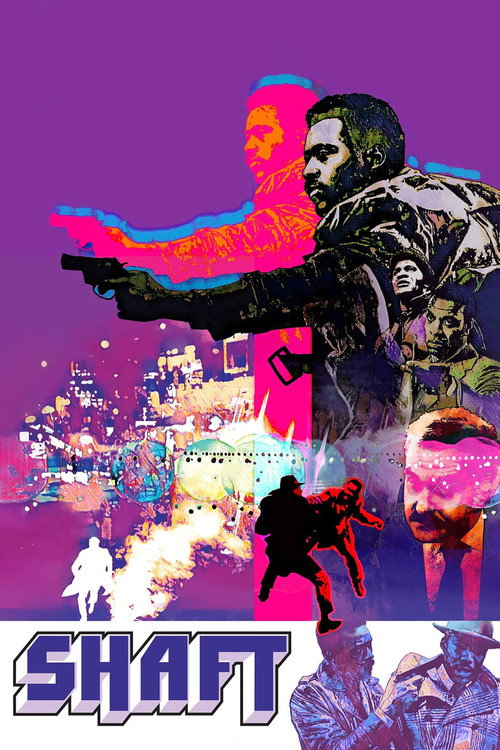
Shaft1971
Richard Roundtree as a private detective in 1970s Harlem. Sleek, tough, energetic, with Isaac Hayes' score driving every scene. Modern Los Angeles beats, similar moral compromises, far cooler.
But Blaxploitation tropes and attitudes. The plot is secondary to vibe and style. Might feel dated if you're not in the mood.
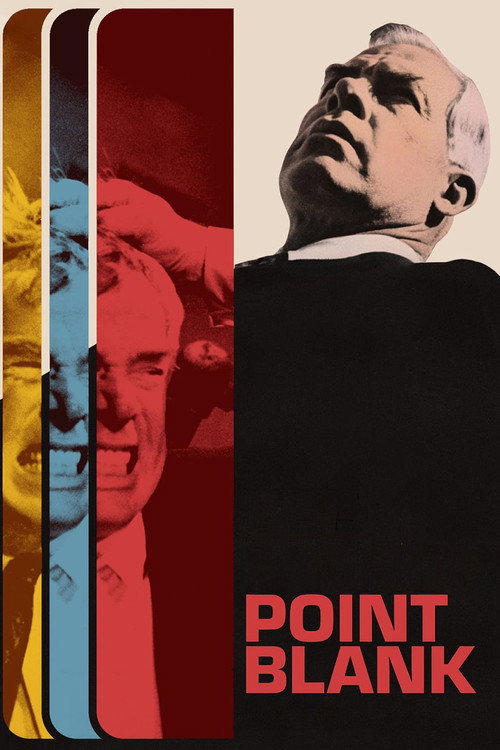
Point Blank1967
Lee Marvin as a double-crossed thief exacting revenge. Stylish, violent, deliberately fractured. Men in a criminal system destroying each other—the same spiritual DNA as The Money Trap.
But Experimental narrative structure can feel cryptic. Action is sparse, mood dominates. 1960s art-house sensibility won't click for everyone.
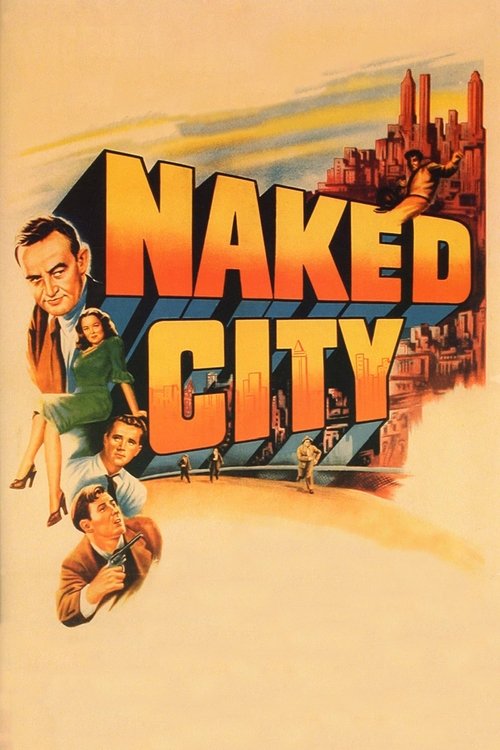
The Naked City1948
Dassin's police procedural about homicide detectives solving a murder. Gritty New York locations, ensemble cast, the work of actual investigation. A spiritual ancestor to The Money Trap's cop focus.
But Older, slower, heavier on procedure than plot. Black and white, with a famous semi-documentary tone that some find dry.
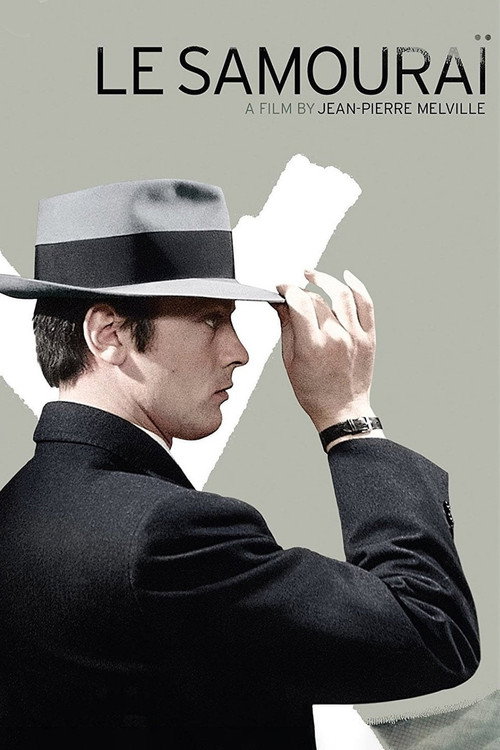
Le Samouraï1967
Both films treat crime and law as a game played by men with their own codes. Alain Delon's samurai is what Glenn Ford's cop might become if he had no remaining scruples.
Melville's ice-cold masterpiece about a hitman caught between crime syndicates. Formal, austere, hypnotic. Every frame deliberate. The Money Trap's cynicism elevated to philosophy. Essential viewing.
But French New Wave minimalism. Long stretches of silence and waiting. Geometric and cerebral rather than dramatic. Can feel like watching a man breathe for ninety minutes.
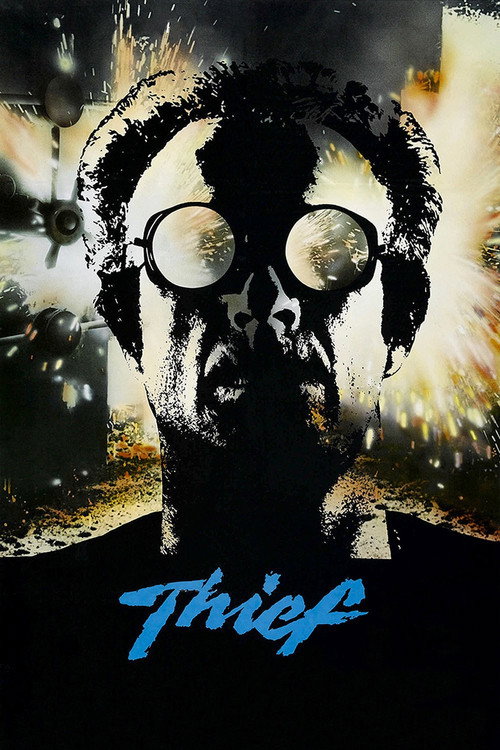
Thief1981
Both films understand that crime isn't the aberration in their protagonist's life—it's their truest nature. The Money Trap arrives at this realization; Thief makes it the entire point.
Michael Mann's neon-soaked jewel about a professional thief, James Caan, trying to build a straight life. Stunning synth score, kinetic heist sequences, and the same gravitational pull toward crime that destroys the characters in The Money Trap.
But The emotional core is quiet and slow. 1980s aesthetic may feel dated. The final act prioritizes character over plot resolution.
People
Cast
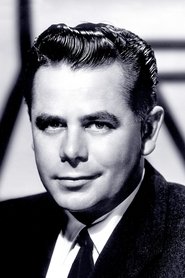 Glenn FordJoe Baron
 Elke SommerLisa Baron
 Rita HayworthRosalie Kelly
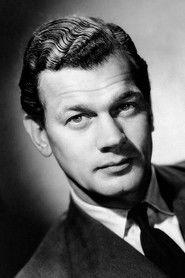 Joseph CottenDr. Horace Van Tilden
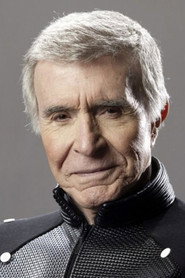 Ricardo MontalbanPete Delanos
 Tom ReeseMatthews
 James MitchumDetective Wolski

 Fred EsslerMr. Klein
 Eugene IglesiasFather
- Teri Lynn SandovalDaughter
 Stacy KingWoman in Bar
Directing
- Burt KennedyDirector
Writing
- Lionel WhiteNovel
- Walter BernsteinWriter
Production
- David KarrProducer
- Max E. YoungsteinProducer