
Film
Ink
Ink is a low-budget indie fantasy-action film about invisible forces battling over a child's soul in the dream world. It's visually inventive and emotionally raw, built on practical effects and genuine stakes rather than spectacle. For viewers hungry for something weird and handmade, willing to meet a scrappy film halfway.
Should you watch it?
Watch it if you enjoy fantasy whose mythology unfolds in pieces, and you'll forgive a modest, homemade look if the ideas keep pulling you forward.
Skip it if you want a clean, linear story; this one asks you to follow its logic while it rearranges itself, and the low budget shows in places.
What it asks of you: Expect a lean runtime of just under two hours, dense exposition delivered in fragments, and a mood that stays dark and murky, so keep your attention sharp.
Not sure? Find tonight's pick in a minute.
If you liked this
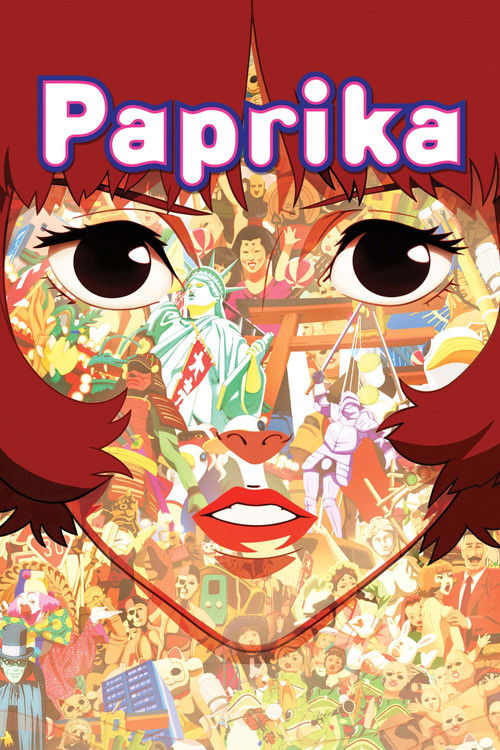
Paprika2006
Dreams and reality blur in this wildly imaginative anime where a device lets therapists enter patients' dreams. Visually dazzling, thematically rich, and genuinely disorienting in the best way. Shares Ink's fascination with the dream world as a realm where internal and external battles collide.
But Anime's particular style of movement and expression won't click for everyone, and the plot gets abstract enough that you need to stay focused.
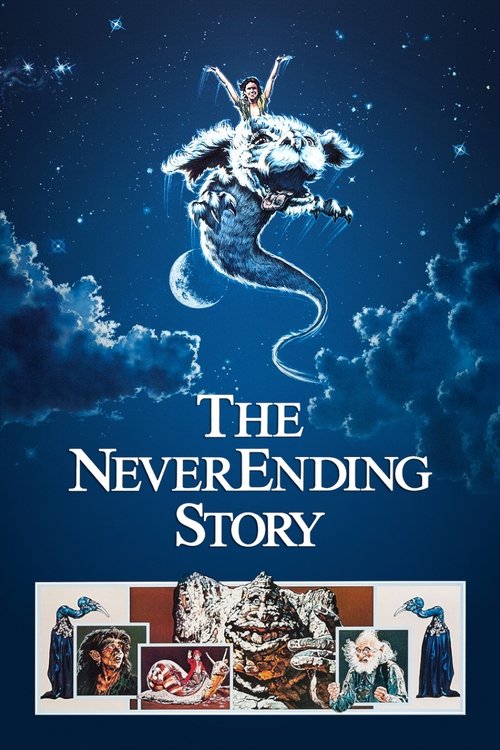
The NeverEnding Story1984
A boy enters a magical fantasy world to save it from destruction, but the real battle is internal—about imagination, grief, and growing up. Practical puppetry and sets give it the same handmade warmth as Ink, and both films trust children as protagonists in genuinely high-stakes stories.
But The pacing is deliberate and sometimes feels slow. Some of the creature design looks dated, which bothers people who need visual polish.
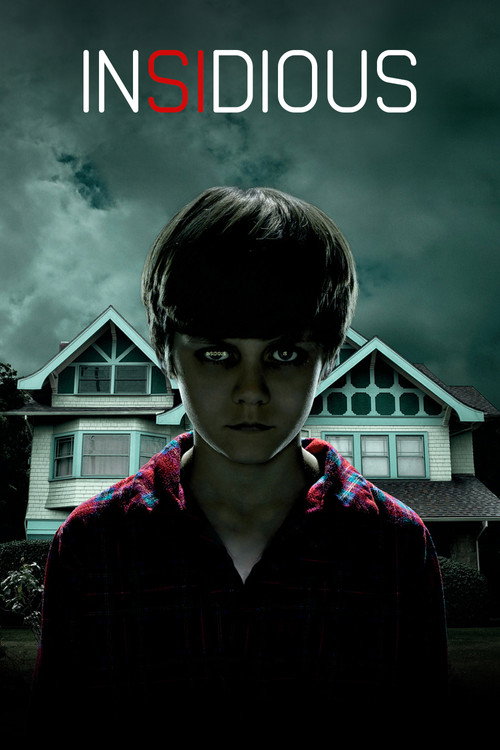
Insidious2011
A boy's spirit is trapped in a shadowy realm called The Further, and his parents must navigate that nightmare landscape to rescue him. Like Ink, it treats the dream/spirit world as a real place with geography and rules, generating dread through the surreal rather than jump scares alone.
But Once you see the main villain design, it becomes less scary. The third act relies on conventional horror beats that undercut some of the premise's strangeness.
Not sure tonight? Get a pick in a minute, starting from Ink
The wildcard
Something you would not have found on your own.
A Ghost Story2017
Both films treat the supernatural realm as an externalization of grief and emotional fragmentation. The real enemy isn't monsters—it's the protagonist's inability to heal.
A widower returns as a ghost, watching his wife grieve in real time. It's achingly slow, visually minimal, and philosophically vast—about time, memory, and the impossible pain of being unable to reach those we love. Connection: both films focus on an adult's grief as the true battleground, with the supernatural serving internal emotional truths rather than plot mechanics.
But It moves at its own pace and offers no conventional catharsis. Many viewers find it too austere, too sad, or needlessly pretentious—it's less a film you watch than a state you endure.

More like this (8)
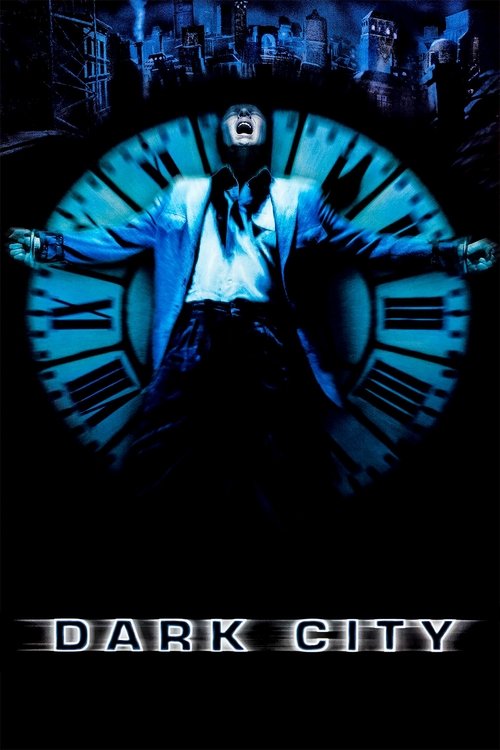
Dark City1998
A man wakes with no memory in a perpetually dark metropolis controlled by unseen beings. Shares Ink's interest in reality manipulation and invisible forces shaping human experience, plus that same commitment to practical effects over digital shortcuts.
But It's visually dense and doesn't always explain itself clearly. Some find the philosophical underpinning pretentious, and the pacing can feel sluggish.
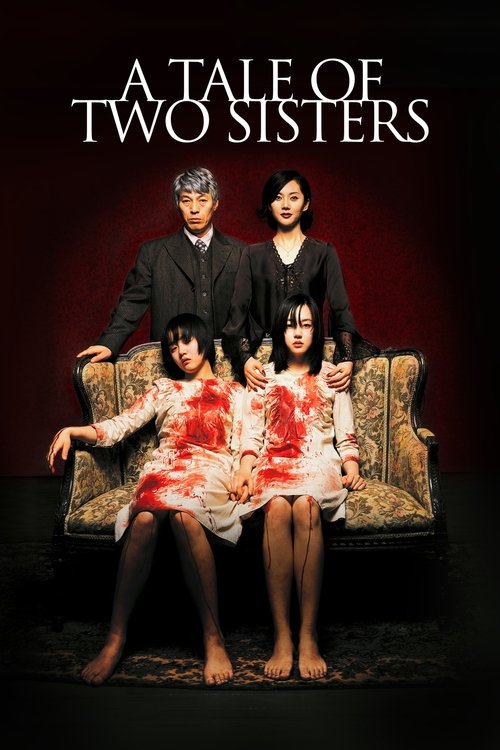
A Tale of Two Sisters2003
Two sisters navigate a dreamlike house where reality fragments and horror emerges from emotional trauma. It's oblique and poetic rather than straightforward, and like Ink, it uses visual weirdness to externalize internal damage—grief made visible.
But The narrative is deliberately cryptic and won't resolve neatly. If you need plot clarity and traditional story structure, this will frustrate you.
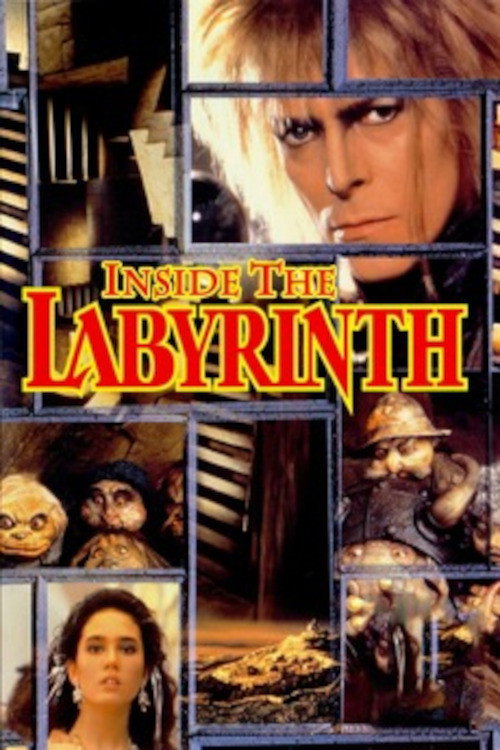
Inside the Labyrinth1986
A girl enters a magical maze to rescue her baby brother from a goblin king, fighting through creatures and logic puzzles in a world with its own rules. Jim Henson's practical puppetry and creature design shares Ink's DIY aesthetic and commitment to tactile fantasy.
But It's a children's film marketed for adults, which can feel tonally confused. Some of the humour feels dated, and the plot is relatively thin.
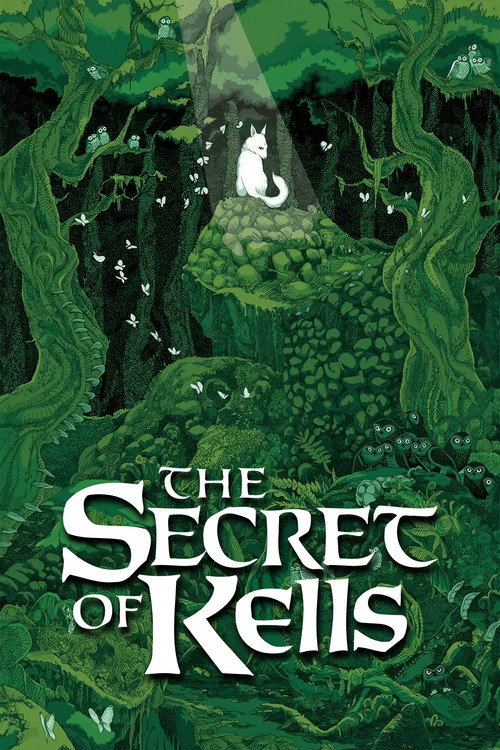
The Secret of Kells2009
An animated fairy tale about a boy illustrating a magical book, with mythology woven into every frame. Released the same year as Ink, it shares that year's appetite for visually distinctive indie fantasy—hand-drawn, strange, deeply felt.
But It's deliberately stylized to the point of abstraction. If you prefer photorealism or conventional animation, the aesthetic will put you off.
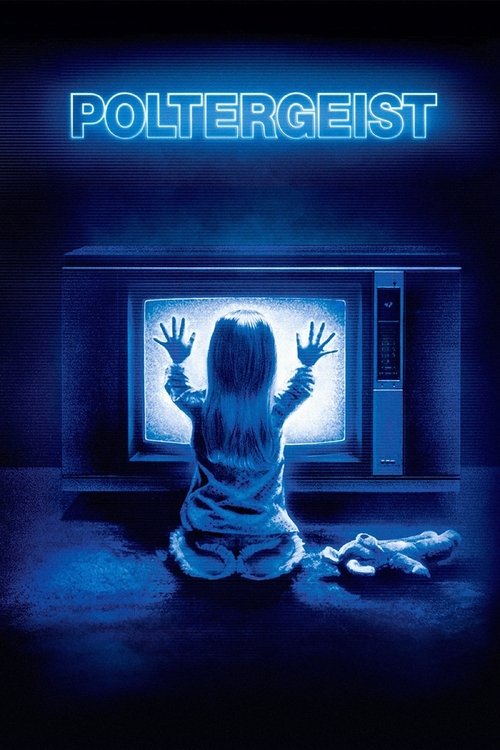
Poltergeist1982
A family's daughter is pulled into a supernatural dimension by malevolent forces. The foundational film for 'innocent child in danger' supernatural horror, and it executes the premise with ingenuity and genuine family drama underneath the scares.
But Some of the practical effects look theatrical now. It's also more interested in spectacle than in the deeper emotional currents that make Ink stick.
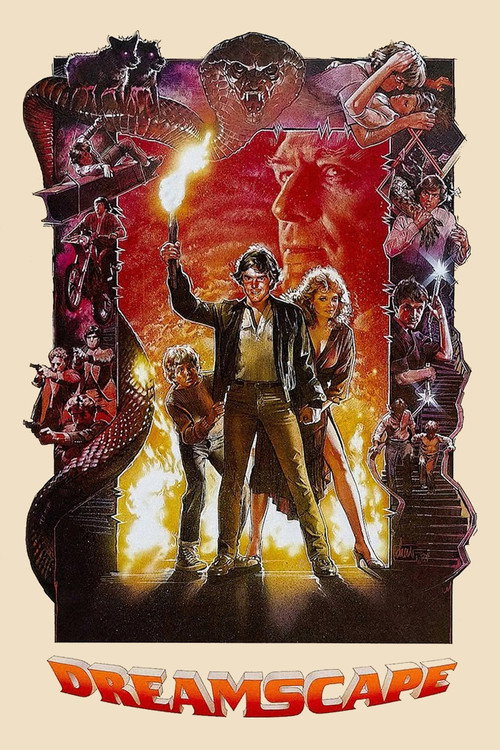
Dreamscape1984
Scientists develop technology to enter people's dreams, leading to conspiracy and danger within the dream realm. It's dated but sincere, sharing Ink's investment in the dream world as a place where real stakes apply and invisible forces scheme.
But The 1980s production design and some of the dialogue feel campy. It doesn't quite earn its own ambition—the dream sequences are less imaginative than the concept promises.
Mulholland Drive2001
Both films locate their true plot in the protagonist's psyche rather than external events. The surreal imagery and fractured chronology aren't decoration—they're the narrative engine.
Two women navigate Los Angeles as reality destabilizes around them, dream and waking bleeding together. Like Ink, it uses genre machinery—thriller, romance, noir—to tell a story that's actually about trauma, identity collapse, and the mind trying to protect itself through narrative.
But It's deliberately cryptic and rewarding only if you're willing to sit with ambiguity. Lynch's style is resistant—some see it as brilliant, others as self-indulgent.

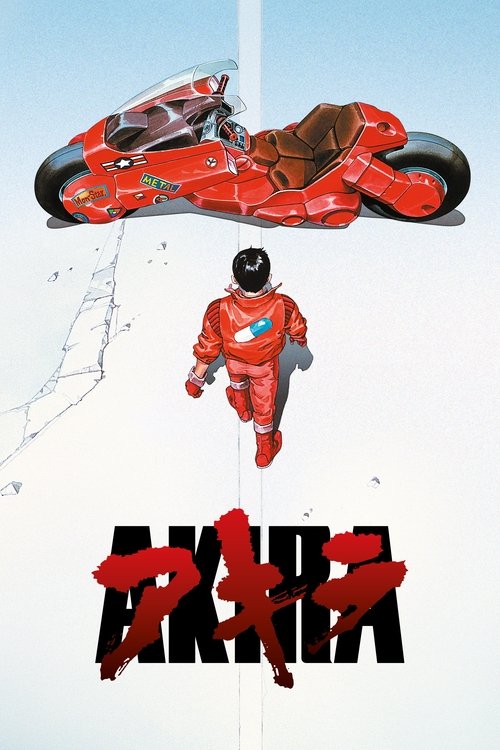
Akira1988
Both treat invisible, supernatural forces as expressions of human psychological damage. Both are visually uncompromising indie work that refuse to simplify their premises for mass audiences.
A sprawling anime cyberpunk epic about psychic children, government conspiracy, and apocalyptic power emerging from trauma. Visually revolutionary, philosophically turbulent, it asks what happens when invisible forces weaponize human consciousness—the same question Ink poses, but from a sci-fi angle instead of fantasy-horror.
But It's extremely dense, with worldbuilding that doesn't pause to explain itself. If you need clarity or dislike anime, you'll struggle. The ending is deliberately ambiguous and unsatisfying to some.
People
Cast

 Jessica DuffyLiev
 Quinn HuncharEmma
 Jeremy MakeJacob
 Jennifer BatterAllel
 Eme IkwuakorGabe
 Shelby MaloneSarah
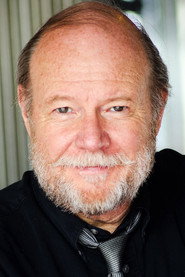 Steve SealyRon
 Shannan SteeleShelly
- Steven BrownThe Collector
 Shauna EarpSadie
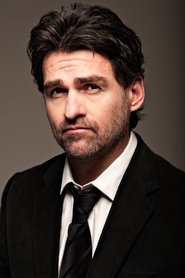 Marty LindseyThe Key Master Incubus
Directing
- Jamin WinansDirector
Writing
- Christopher Soren KellyScript Consultant
- Jamin WinansWriter
Production
- Jamin WinansProducer
- Kiowa K. WinansProducer