
Film
Juvenile
A Japanese sci-fi film about an 11-year-old boy who encounters a mysterious robot during a school camping trip. Tetra claims to know Yusuke's name and enlists him to help save Earth from hostile aliens. It's a earnest, wonder-filled adventure that balances childlike discovery with genuine stakes, aimed at younger viewers but crafted with real imagination and practical effects charm.
If you liked this
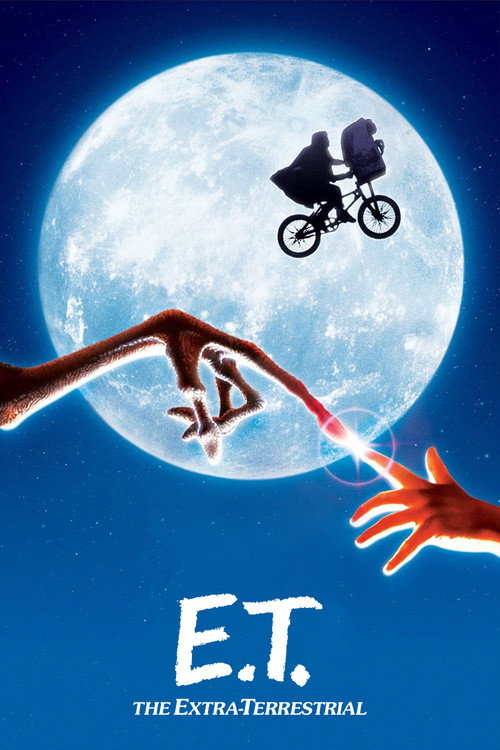
E.T. the Extra-Terrestrial1982
The foundational template: a child befriends an alien visitor, and together they navigate wonder, danger, and what it means to protect something precious. Spielberg's emotional clarity shows why this story endures.
But The sentimentality can feel heavy-handed now, and the pacing in the middle section drags. Some find it dated rather than timeless.
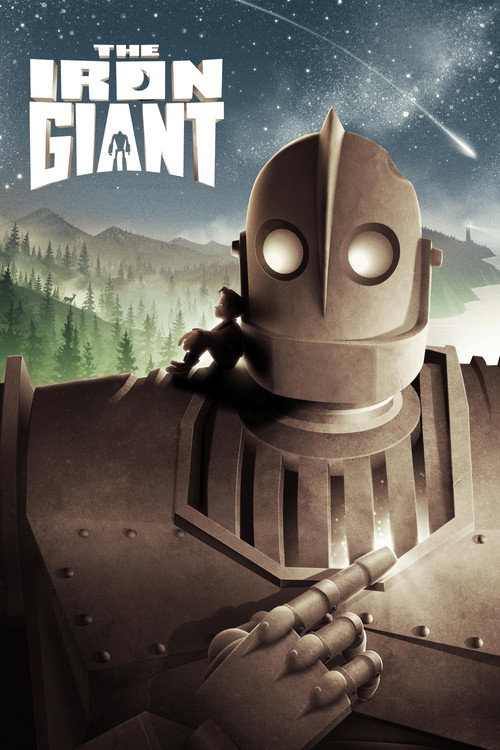
The Iron Giant1999
A boy and a giant robot form an impossible friendship while Cold War paranoia closes in. It shares Juvenile's blend of childlike awe with genuine peril, and asks what loyalty costs when the world demands you choose sides.
But The animation is deliberately retro and painterly. If you want sleek CGI or fast-paced action, you'll find it slow and somewhat static.
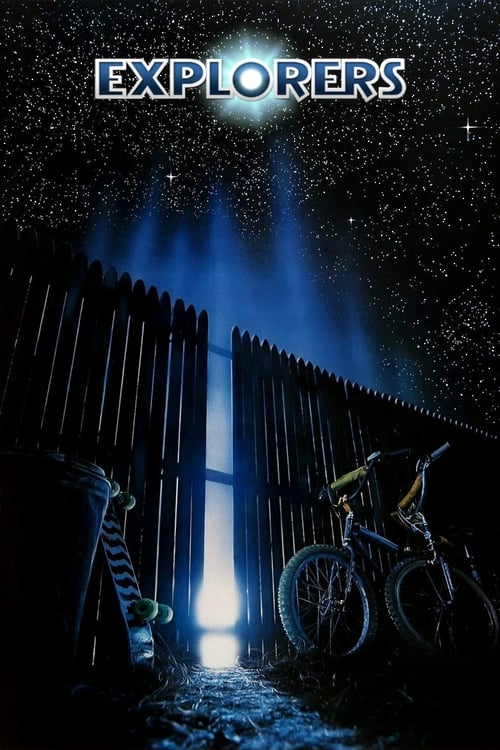
Explorers1985
Three kids build a spacecraft from dreams and salvage. It captures the exact same energy as Juvenile—wonder, invention, friendship against cosmic odds—and treats child characters as the heroes of their own story.
But It's deeply weird in ways that don't always land. The third act pivot baffles many viewers, and the film has aged into genuine oddness rather than charm.
Not sure tonight? Get a pick in a minute, starting from Juvenile
The wildcard
Something you would not have found on your own.
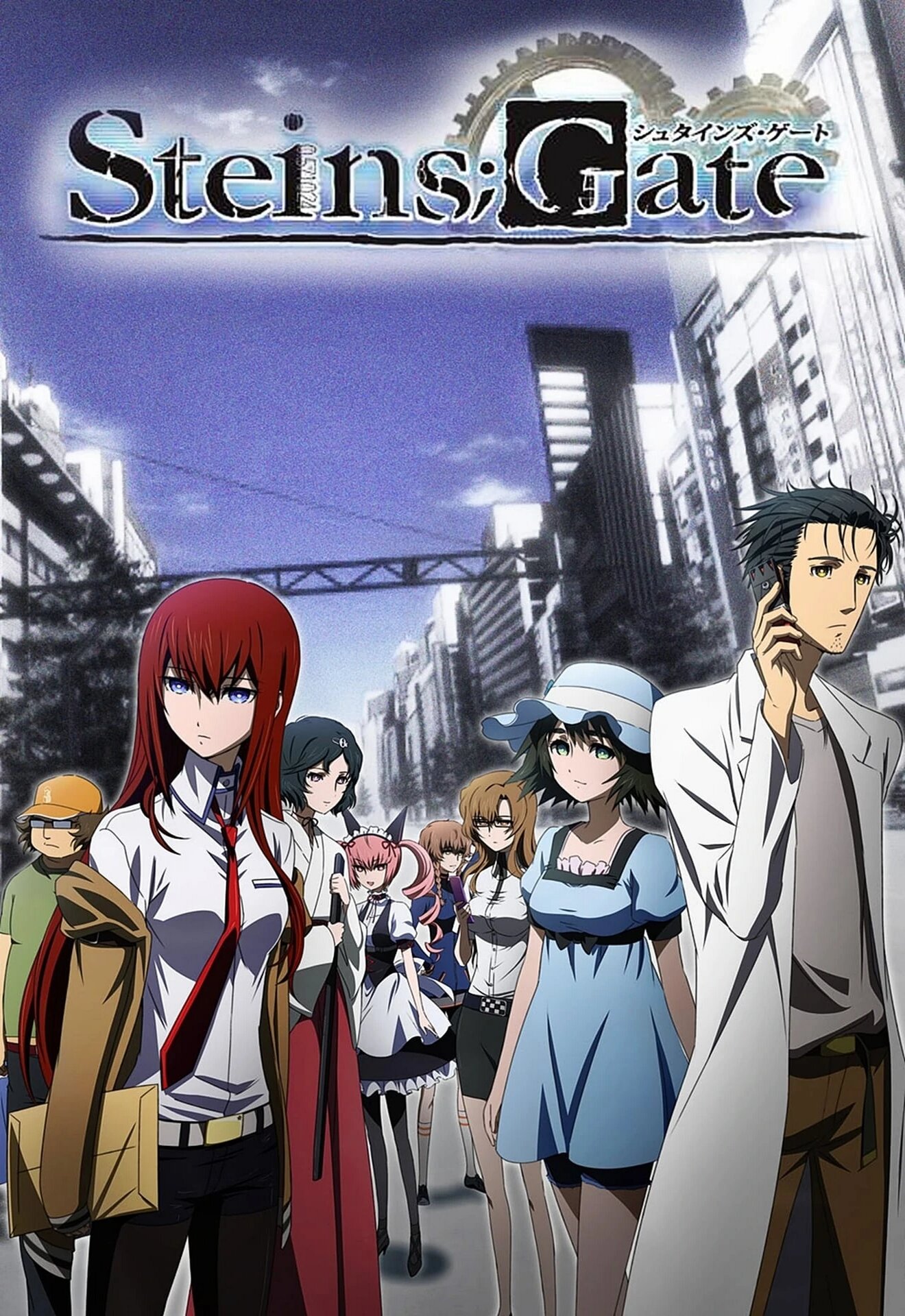
Steins;Gate2011
Both treat young protagonists as intellectually capable of solving cosmic problems, and both use a mysterious visitor to open a door the protagonist can't close. The difference is Steins;Gate shows what happens when the door stays open forever.
A Japanese sci-fi series about young people who accidentally invent time travel and must save the world from catastrophe. Shares Juvenile's DNA—ordinary kids, scientific mystery, the weight of being chosen—but in a serialized format that deepens obsession, paradox, and consequence. Transforms the premise into something philosophically rigorous without losing the human center.
But It's 24 episodes and front-loaded with slice-of-life comedy before stakes arrive. The time-travel logic becomes intricate to the point of requiring rewatching. If you want straightforward spectacle, you'll find it chatty and opaque.
More like this (8)
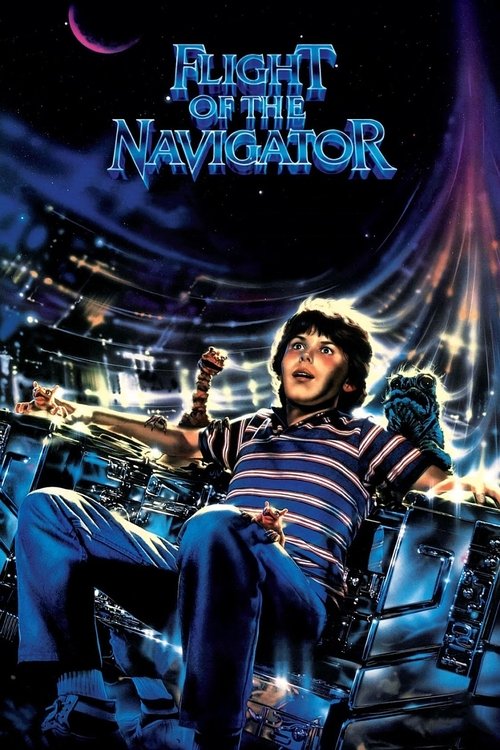
Flight of the Navigator1986
A boy is abducted by a sentient alien ship and must navigate both the cosmos and his place in a world that aged without him. It has Juvenile's mix of practical effects, earnest wonder, and a young protagonist solving an alien puzzle.
But The 80s production design—while fun—looks artificial. The emotional core gets buried under spectacle, and kids today may find it slow.
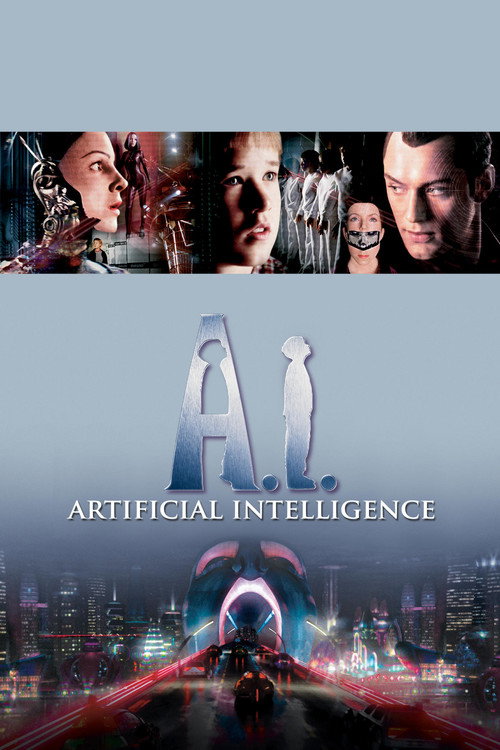
A.I. Artificial Intelligence2001
Spielberg's meditation on what it means to be chosen or needed by an artificial being. Thematically echoes Juvenile's question: why does Tetra know Yusuke's name? What does that bond obligate him to do?
But It's bleak in ways that deepen into nihilism. Not a comfort film, and the runtime lets it sprawl into ambiguity some find pretentious.
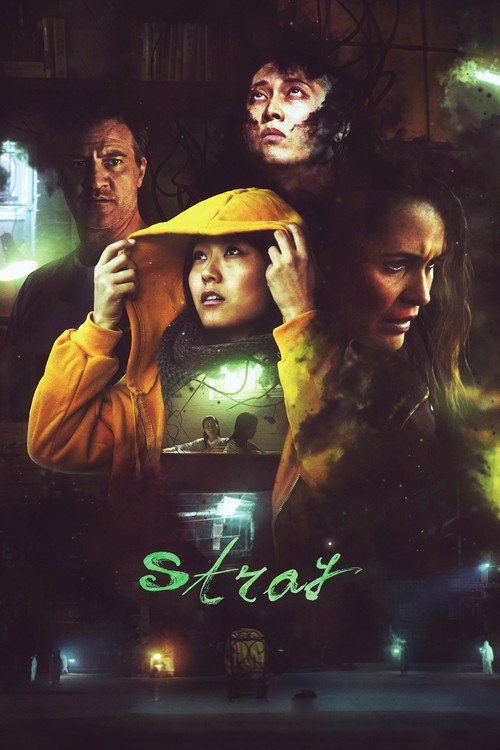
Stray2019
A Japanese sci-fi adventure about a girl and a mysterious robot companion in a cyberpunk city. Shares Juvenile's Japanese sensibility and the question of what robots owe their human partners—and what humans owe them.
But The animation is deliberately flat and geometric. The story is more melancholic than playful, and it assumes patience with mood over plot momentum.
War Horse2011
Spielberg again: a boy's bond with a creature he cannot fully control, across an indifferent world. Asks what loyalty means when you're separated from what you love by circumstance and cruelty.
But The sentimentality is aggressive and the war scenes can be disturbing. Many find it manipulative rather than moving.

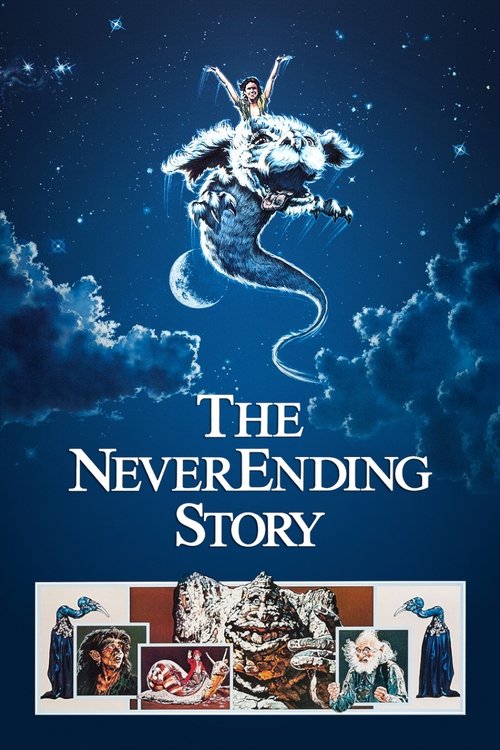
The NeverEnding Story1984
A boy reads a magical book and discovers he's needed to save a dying fantasy world. The blend of childhood wonder with existential stakes mirrors Juvenile's central dynamic—you are chosen, and the world's survival depends on what you choose next.
But It's deliberately theatrical and uses practical puppetry that looks stagey by modern standards. Some find it campy rather than whimsical.
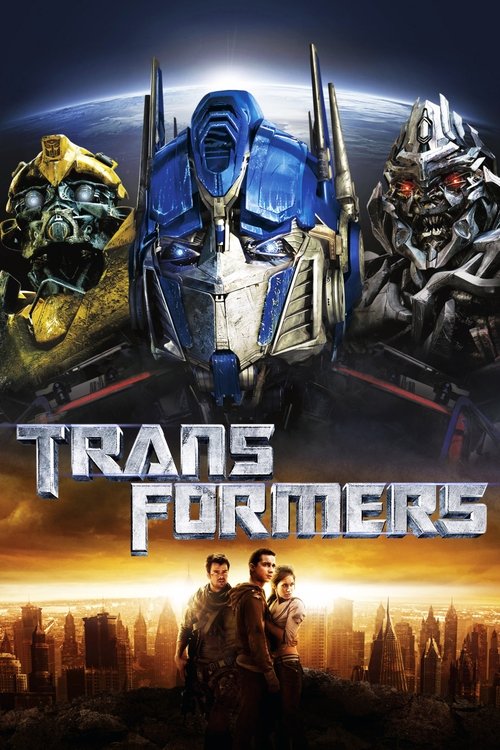
Transformers2007
A teenage boy discovers an alien robot in his car and becomes the focus of an intergalactic conflict. Surface-level similarity, but it asks the same question: what does it cost a young person to be the axis of an alien war?
But It's bloated, noisy, and treats its human characters as afterthoughts. The spectacle overwhelms the emotional core Juvenile maintains.
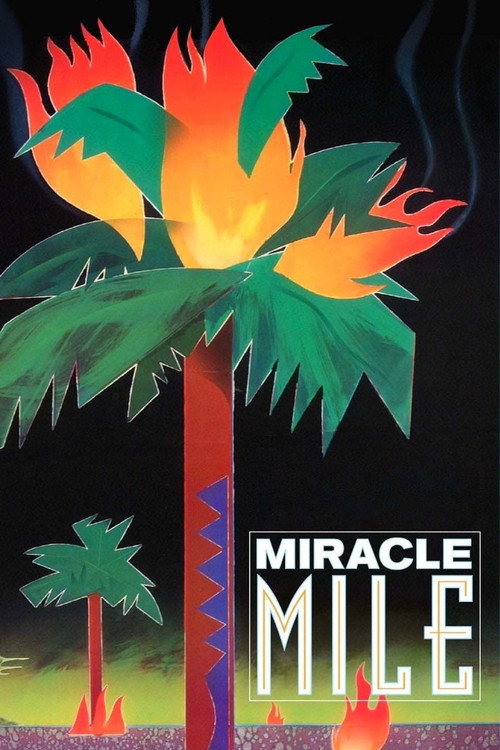
Miracle Mile1989
Both are about civilians discovering a catastrophe nobody in power will acknowledge or help with. Juvenile is the optimistic version—the kids find the answers. Miracle Mile is what happens when they don't.
A man overhears a phone call predicting nuclear apocalypse in 70 minutes. It's a relentless sci-fi thriller with no aliens or robots, just ordinary people facing cosmic threat with no authority to save them. Captures Juvenile's core question—when the world ends, what do you actually do?—with the tone inverted: terror instead of wonder, but the same stakes.
But It's a 1988 film that looks and sounds 1988. The pacing is deliberately claustrophobic and anxious. Most people find it bleak rather than entertaining.
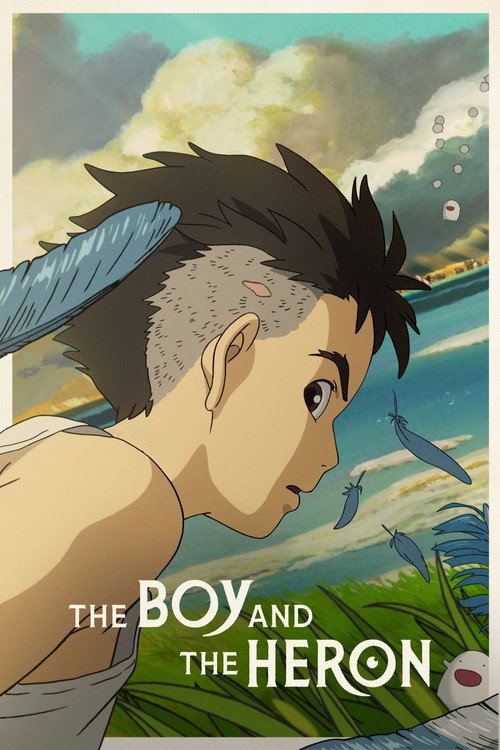
The Boy and the Heron2023
Both center a young boy discovering his role in a larger world through an encounter with something otherworldly. But where Juvenile is about responsibility and action, The Boy and Heron is about loss, memory, and what we choose to hold onto. Juvenile is the outer adventure; this is the inner one.
Miyazaki's final film: a boy enters a magical world and discovers it may be connected to his lost mother. It shares Juvenile's sense of childhood wonder and invention, but it's animated, Japanese, and entirely interior—the adventure is as much psychological and emotional as external. A meditation on how imagination protects us.
But It's a Studio Ghibli film, which means it moves at its own pace and asks patience with ambiguity and visual poetry. If you want plot clarity and forward momentum, you will feel frustrated. It's also recent and high-profile enough that some dismiss it as fashionable.
People
Cast
 Shingo KatoriSoichiro Kanzaki
 Miki SakaiNoriko Kinoshita
 Anne SuzukiMisaki Kinoshita
 Yuya EndoYusuke Sakamoto
- Kyôtaro ShimizuHidetaka Ono
- YukiToshiya Matsuoka
 Katsumi TakahashiYusuke's Father
 Kuniko AsagiYusuke's Mother

 Takashi MatsuoMisawa
 Megumi HayashibaraFemale Researcher / Voice of Tetra
 Kazue TsunogaeSnack Shop Lady
Directing
- Tomoki SanoAssistant Director
- Takashi YamazakiDirector
Writing
- Takashi YamazakiWriter
Production
- Masakazu KuboDevelopment Producer
- Tetsu KayamaDevelopment Producer
- Shuji AbeExecutive Producer
- Tatsuo ShimamuraExecutive Producer
- Chikahiro AndoProducer
- Nobumasa SawabeProducer
- Shoichi TakeuchiProduction Manager