
Film
Ronia: The Robber's Daughter
A 1984 Swedish fantasy adventure about two children from feuding robber families who forge an unlikely friendship in an enchanted forest. Shot with luminous production design and genuine wonder, it's a film that trusts its young audience to care about loneliness, courage, and the possibility of peace. Astrid Lindgren adaptation that feels lived-in rather than adapted.
If you liked this
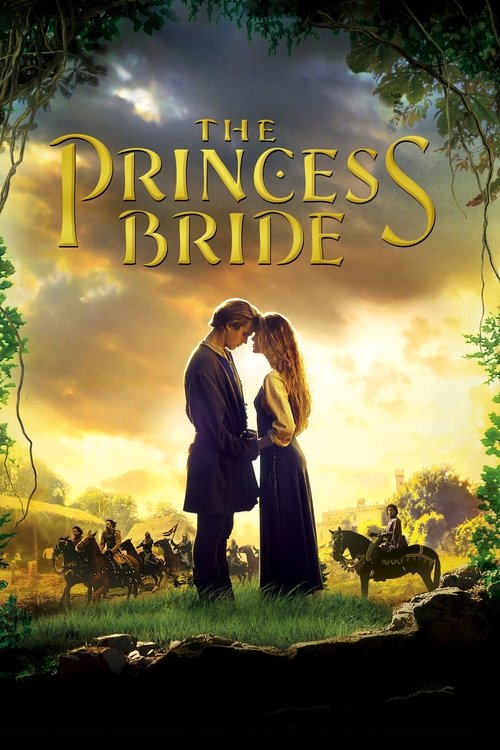
The Princess Bride1987
A fairy tale that operates on multiple registers at once: funny for adults, thrilling for children, genuinely moving for everyone. It shares Ronia's belief that adventure and emotional stakes aren't mutually exclusive.
But The framing device feels dated now, and if you're allergic to whimsy, the tone will exhaust you quickly.
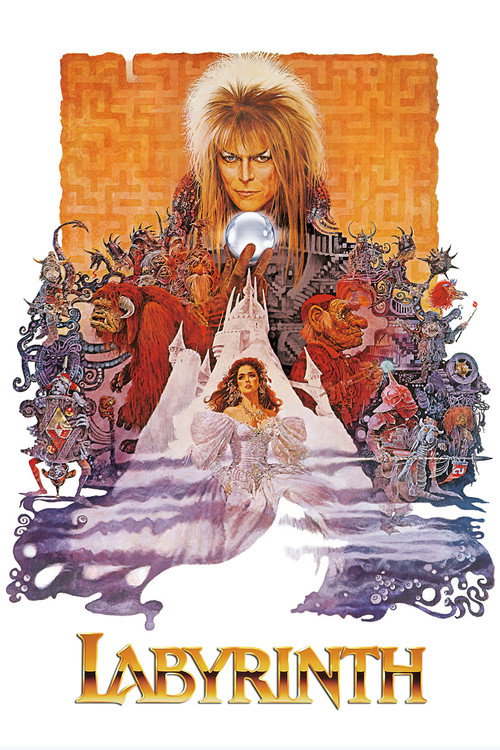
Labyrinth1986
Jim Henson's darkly gorgeous fantasy about a girl navigating a magical maze. Like Ronia, it's visually sumptuous, takes its young protagonist seriously, and isn't afraid of genuine creepiness alongside the wonder.
But The 80s aesthetic is inescapable, and the plot occasionally meanders in service of showing off the production design.
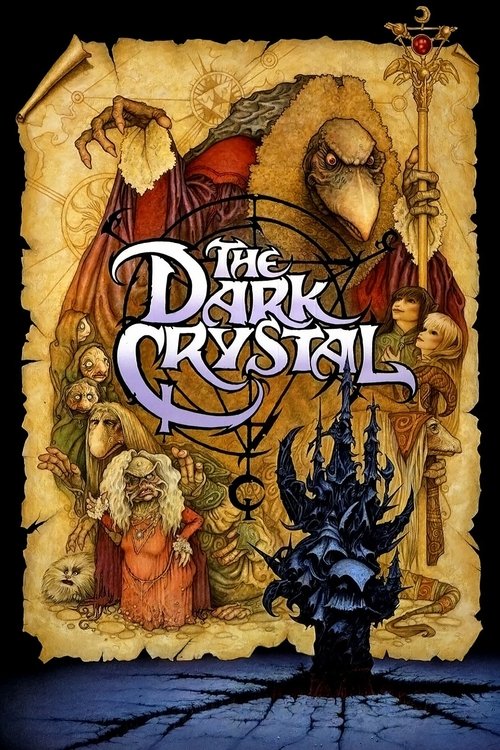
The Dark Crystal1982
Pure tactile fantasy worldbuilding using puppetry and real sets. It creates atmosphere and dread without condescension, treating its audience like they can handle real stakes and genuine peril.
But It's deliberately slow and meditative. If you need constant plot momentum, you'll find it glacial.
Not sure tonight? Get a pick in a minute, starting from Ronia: The Robber's Daughter
The wildcard
Something you would not have found on your own.
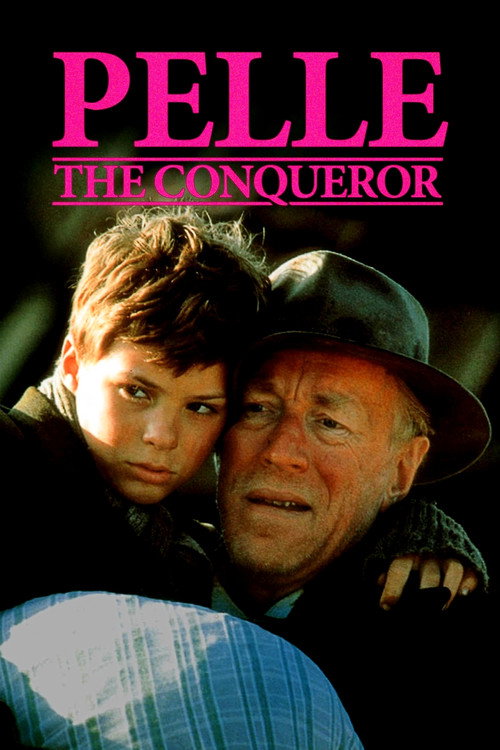
Pelle the Conqueror1987
Both are Swedish-language productions steeped in Scandinavian geography and character. Both center a child's perspective on an unforgiving world, and both insist that young people deserve cinema that doesn't condescend to their capacity for understanding loss.
A Scandinavian epic about a Swedish farmhand and his son arriving in Denmark with nothing. Like Ronia, it's rooted in Nordic landscape and treats childhood with unflinching seriousness—but it's a realist drama, not fantasy, which deepens everything. Bille August's direction is immaculate.
But It's a three-hour period drama about poverty and social hardship. There's no magic, only the grinding reality of survival and the terror of paternal violence.
More like this (8)
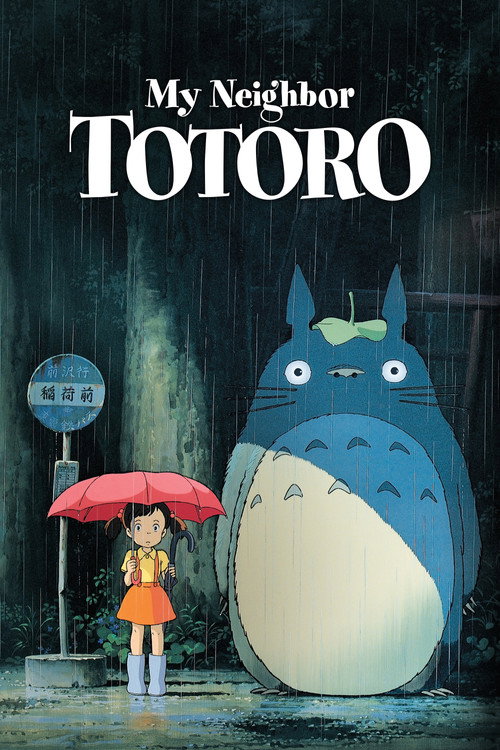
My Neighbor Totoro1988
Miyazaki's masterpiece about two sisters encountering magic in the countryside. It shares Ronia's quiet confidence that childhood wonder and genuine emotional weight can coexist beautifully.
But Very little happens in a conventional sense. The film is about atmosphere and feeling rather than plot propulsion.
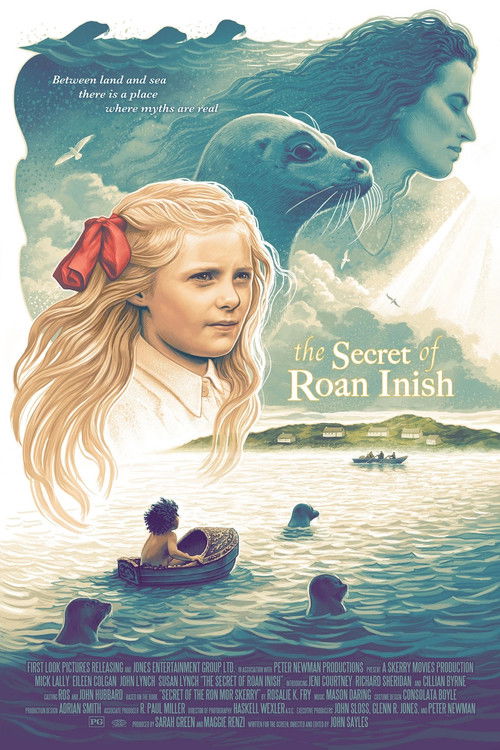
The Secret of Roan Inish1994
An Irish folklore fantasy about a girl uncovering her family's connection to a magical island. Gorgeously shot, genuinely mysterious, and treats its young protagonist with complete seriousness.
But The pacing is deliberately languid, and if you're expecting adventure-movie momentum, you'll be disappointed.
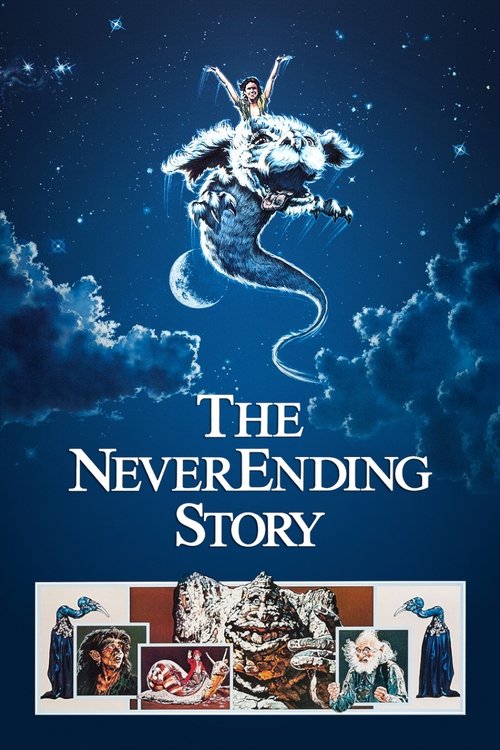
The NeverEnding Story1984
Released the same year as Ronia, this is fantasy about a boy escaping into a book. Stunning practical effects, real emotional stakes, and it understands that children's stories can matter deeply.
But The second half loses focus, and some of the special effects haven't aged as gracefully as they might.
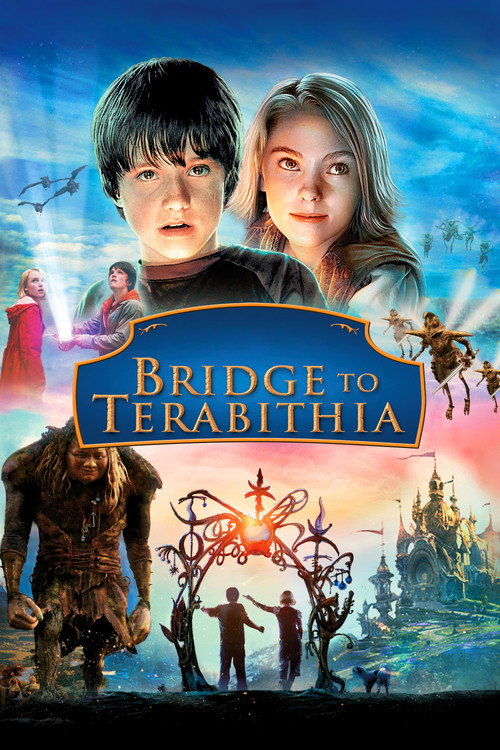
Bridge to Terabithia2007
Two lonely children create a magical kingdom in the woods. It balances whimsy with genuine darkness, and handles grief with remarkable honesty for a family film.
But The tonal shifts are dramatic, and the ending asks for emotional generosity some viewers won't want to give.
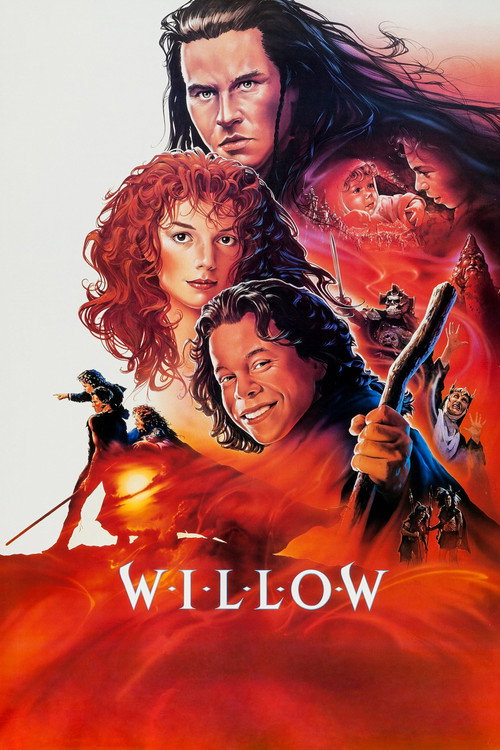
Willow1988
Ron Howard's underrated sword-and-sorcery adventure with real charm, practical wizardry, and a genuinely likeable cast. It has the same earnest adventure spirit as Ronia.
But It's unabashedly a crowd-pleaser, which means it sometimes chooses easy sentiment over complexity.
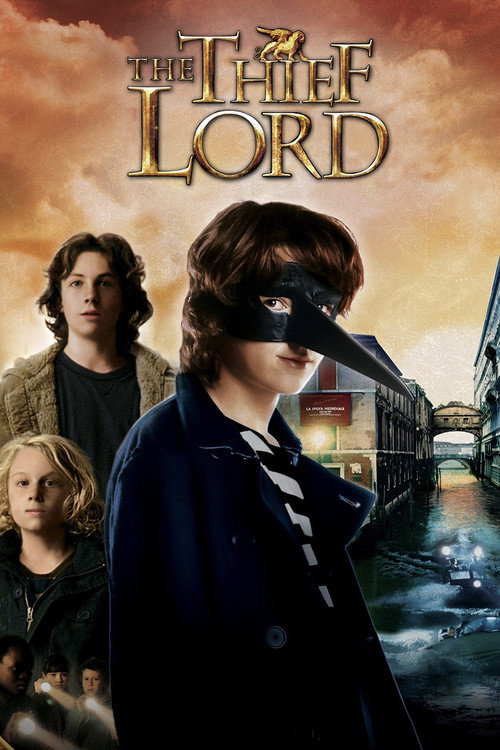
The Thief Lord2006
A film about street children in Venice discovering magic. It has a European fairy-tale texture and believes in the emotional reality of its young characters.
But It's comparatively obscure and the plot is more melancholic than fantastical, which might frustrate those seeking adventure.
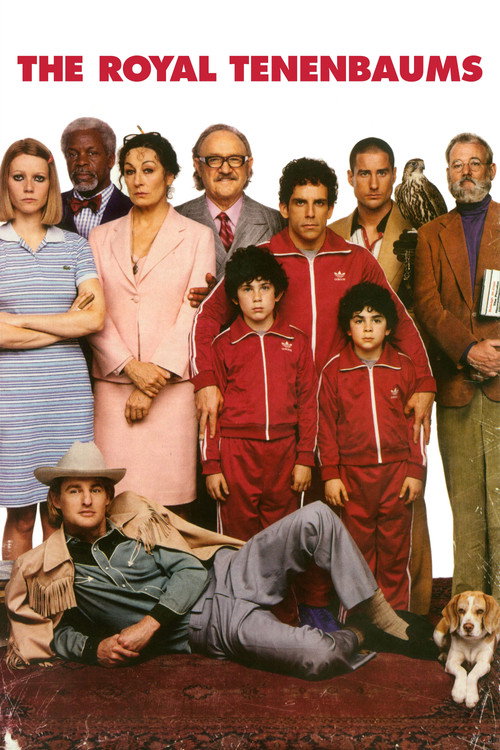
The Royal Tenenbaums2001
Both are fundamentally about feuding families separated by circumstance, and both believe that love and playfulness are acts of rebellion against inherited anger. Ronia uses magic to make this point; Tenenbaums uses carefully arranged compositions. The engine is identical.
Wes Anderson's meticulously composed film about a fractured family learning to reconnect. The symmetry and artificiality mask genuine loneliness and the possibility of reconciliation. It's a family story told as a fairytale without any magic required.
But Anderson's style is aggressively mannered. If symmetrical compositions and deadpan humor don't work for you, the film becomes exhausting rather than charming.
Come and See1985
Both were made in the mid-80s and both stake everything on a child's face and perspective. Ronia shows us a girl discovering the world's beauty and possibility; Come and See shows us a boy discovering its capacity for darkness. They're mirror images, and together they contain the full spectrum of what cinema can say about childhood.
A Soviet masterpiece about a boy conscripted into war. It's visually hypnotic and morally unflinching. If you want to understand how cinema can show childhood in extremis with complete artistic honesty—the inverse of Ronia's wonder—this is essential.
But It's brutally difficult. It depicts the full horror of war and the destruction of innocence. Not a film you watch for pleasure, but for moral clarity.

People
Cast
 Hanna ZetterbergRonja Rövardotter
 Dan HåfströmBirk Borkason
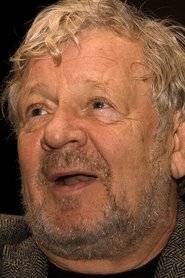 Börje AhlstedtMattis
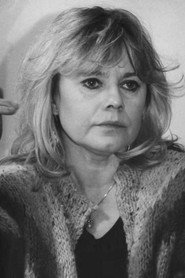 Lena NymanLovis
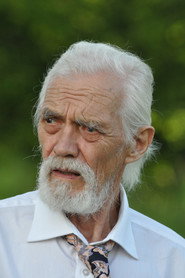 Per OscarssonBorka
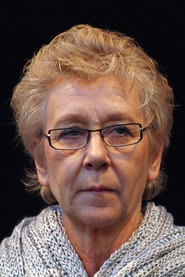 Med ReventbergUndis
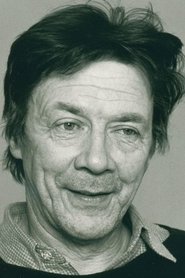 Allan EdwallSkalle-Per
 Ulf IsenborgFjosok
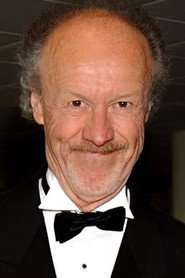 Björn WalldeSturkas
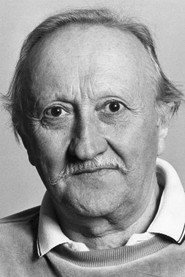 Henry OttenbyKnotas
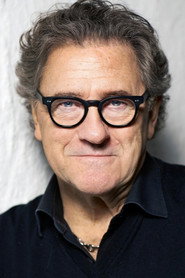 Tommy KörbergLill-Klippen
Directing
- Tage DanielssonDirector
Writing
- Astrid LindgrenAuthor
- Astrid LindgrenScreenplay
Production
- Waldemar BergendahlProducer