
Film
The Fabulous Baron Munchausen
A Czechoslovak animated fantasy that flings you across centuries and continents with Baron Munchausen as your guide. It's visually baroque, cheerfully anarchic, and utterly unconcerned with plot coherence—instead offering a cascade of impossible adventures, tall tales, and surreal set pieces. A film that feels like watching someone's fever dream about adventure itself.
Should you watch it?
Watch it if you love handmade, cut-out and engraving-style visuals where every frame looks like an old book illustration come to life, and you enjoy tall tales told with a perfectly straight face.
Skip it if you want tight plotting and a steady throughline, since its loose, wandering episodes can feel more like a parade than a journey.
What it asks of you: Its 85 minutes move at a brisk, tumbling pace, and attention can drift between the set pieces without losing the thread.
Not sure? Find tonight's pick in a minute.
If you liked this
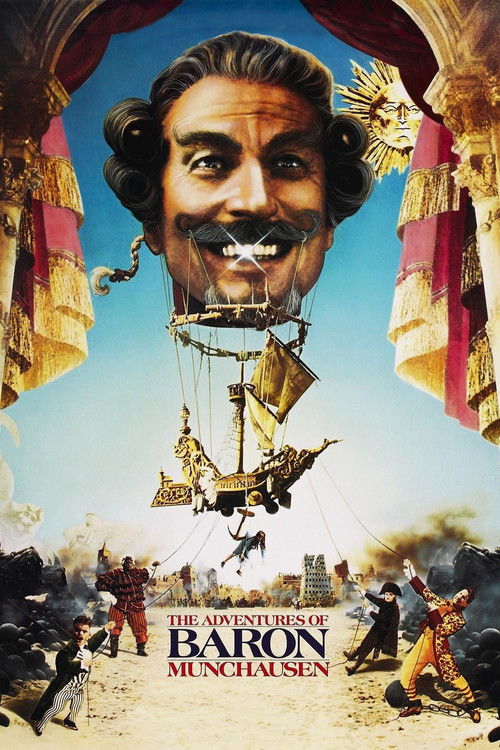
The Adventures of Baron Munchausen1988
Gilliam's live-action riff on the same material: equally maximalist, visually ravishing, and committed to the idea that imagination and nonsense are revolutionary acts. Same spirit, different century.
But It's nearly two hours of intentional chaos. If you want a story with a clear ending and emotional payoff, this will frustrate you.
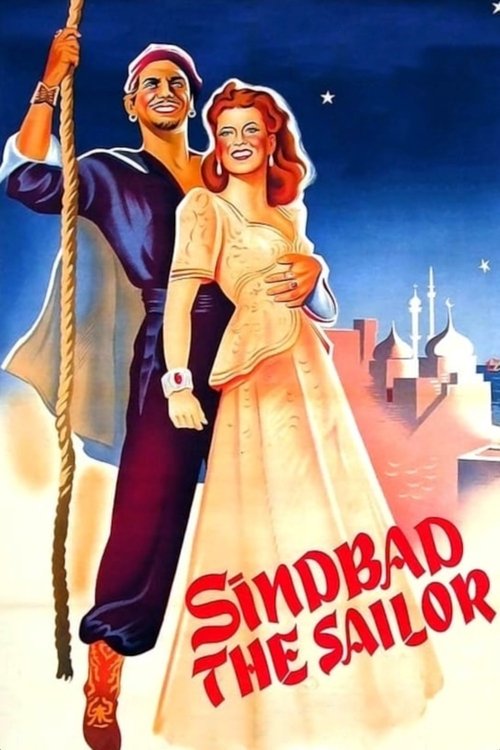
Sinbad the Sailor1947
Another Fleischer Studios triumph: gorgeous Technicolor animation, impossible architecture, creatures that defy physics, a hero who stumbles through wonders without asking why. Pure spectacle untethered from logic.
But The pacing is languid by modern standards, and it assumes you're content to just soak in the strangeness rather than needing forward momentum.
Harakiri1962
Released the same year, also a masterwork of visual composition and imaginative design. Both films demonstrate that animation and fantasy could be genuinely adult, artful, and formally inventive.
But Where Munchausen is antic and playful, this is austere and devastating. Entirely different emotional register.

Not sure tonight? Get a pick in a minute, starting from The Fabulous Baron Munchausen
The wildcard
Something you would not have found on your own.
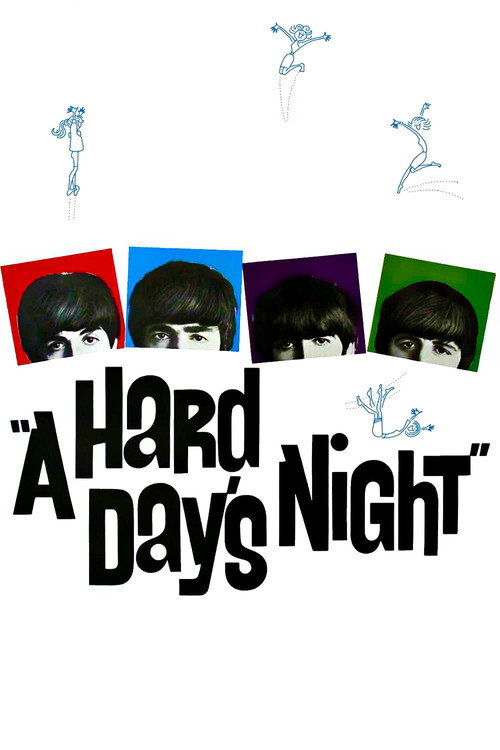
A Hard Day's Night1964
Both films privilege visual and tonal exuberance over plot; both are untethered from linear storytelling; both traffic in a kind of joyful surrealism that comes from indifference to 'how stories should work.'
Ringo Starr and the Beatles in a film that abandons narrative logic entirely in favor of energy, visual gags, absurdist humor, and pure style. It's anarchic, formally inventive, and makes you feel like you're watching someone's dream about charm itself.
But If you're not a Beatles fan, the appeal diminishes sharply. The music and personalities are the point; the story is a joke.
More like this (7)
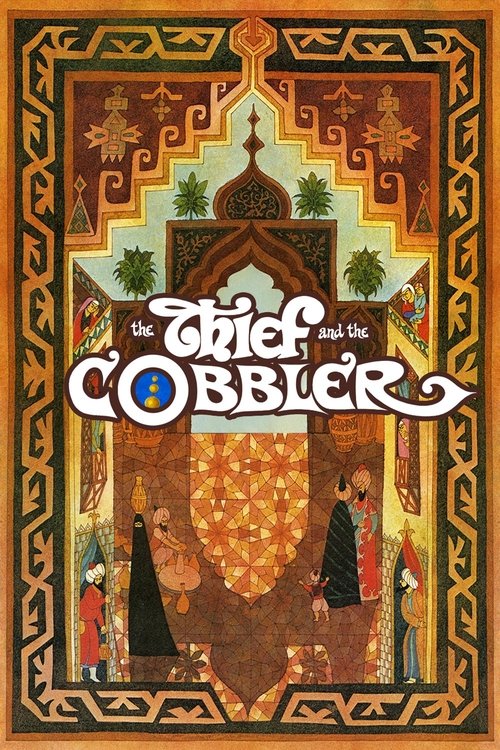
The Thief and the Cobbler1993
Richard Williams' unfinished masterpiece: hand-drawn animation of staggering intricacy, a love of impossible architecture and visual gags, and a refusal to be bound by narrative convention. Shares Munchausen's anarchic, digressive energy.
But It's genuinely hard to watch in any complete version. The studio releases are compromised, the original is unfinished, and nothing quite works as intended.
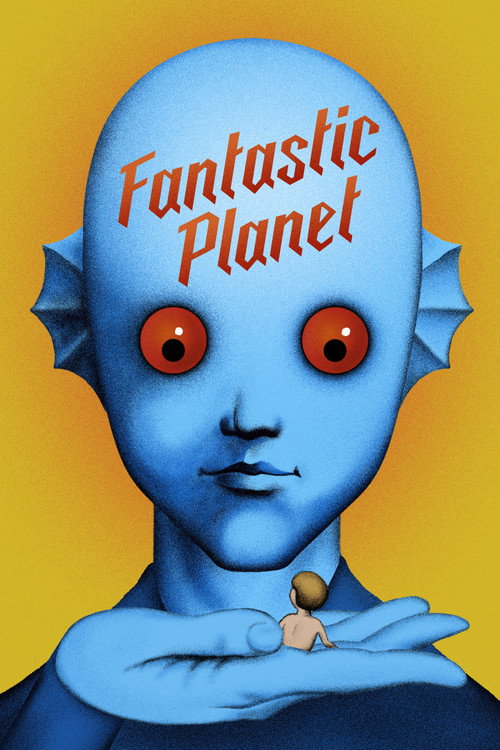
Fantastic Planet1973
Czech sci-fi animation that shares Munchausen's willingness to pursue visual oddity and conceptual strangeness over conventional storytelling. Hypnotic, weird, and absolutely of its era.
But It's slow, abstract, and more interested in texture and idea than character or plot. Patience required.
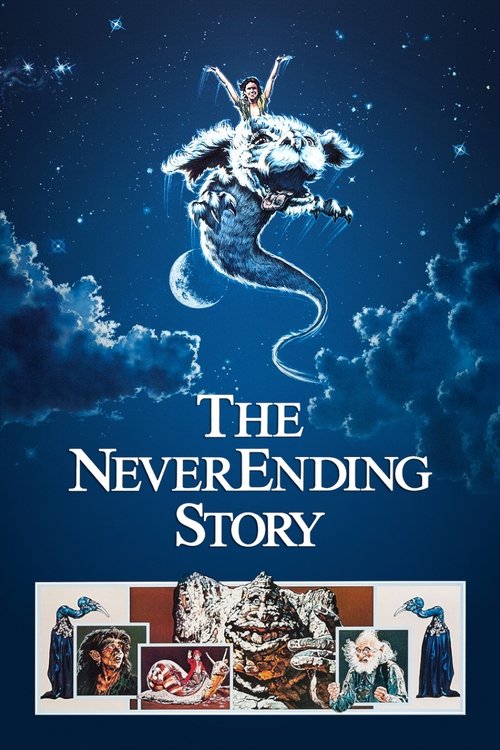
The NeverEnding Story1984
A fantasy that celebrates storytelling and imagination as acts of defiance, filled with creatures and landscapes that feel hand-crafted and strange. Similar love of the fantastical as an end in itself.
But It's very much a children's film, and parts of it haven't aged gracefully. The tone can tip into heavy-handed sentiment.
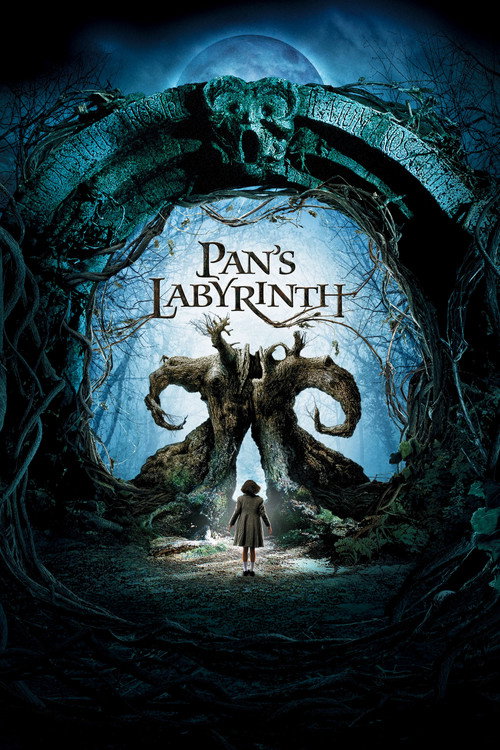
Pan's Labyrinth2006
Guillermo del Toro clearly studied films like this: practical creature design, fairy-tale logic, an older aesthetic sensibility. The same sense that magic and darkness belong together.
But It's genuinely dark and violent. The whimsy never quite dispels the dread—which is the point, but it's not what Munchausen offers.
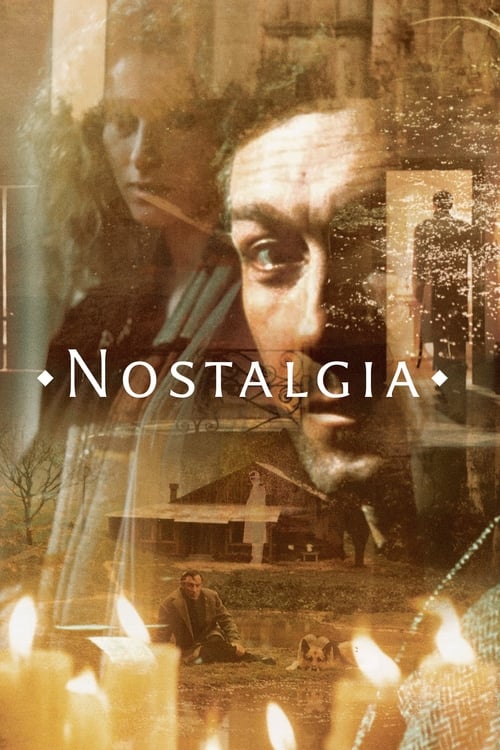
Nostalgia1983
Tarkovsky's most visually lush meditation on memory and dream. Like Munchausen, it accepts that narrative can be shapeless, that beauty and strangeness are more important than plot mechanics.
But It moves at a glacial pace and demands active, patient attention. Where Munchausen sparkles, this broods and aches.
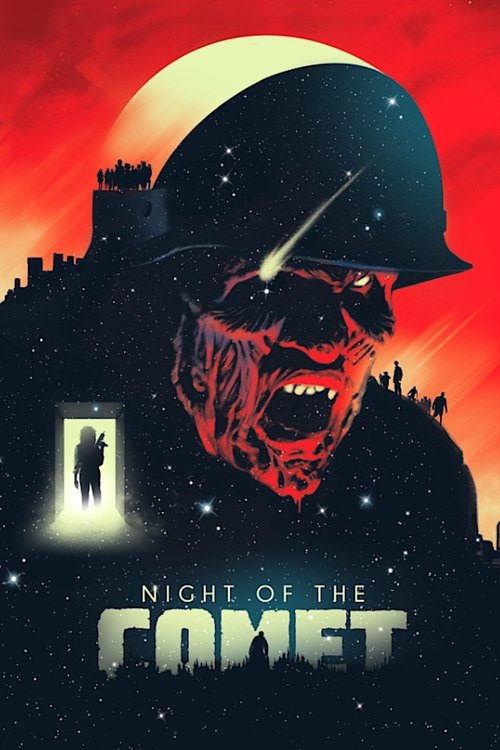
Night of the Comet1984
A scrappy B-movie that somehow captures the anarchic, irreverent spirit of older adventures. Low-budget and playful, it doesn't apologize for being strange or unpolished.
But The special effects are wonky, the acting is uneven, and it's far more modest in scope and ambition. Feels like a different planet entirely.
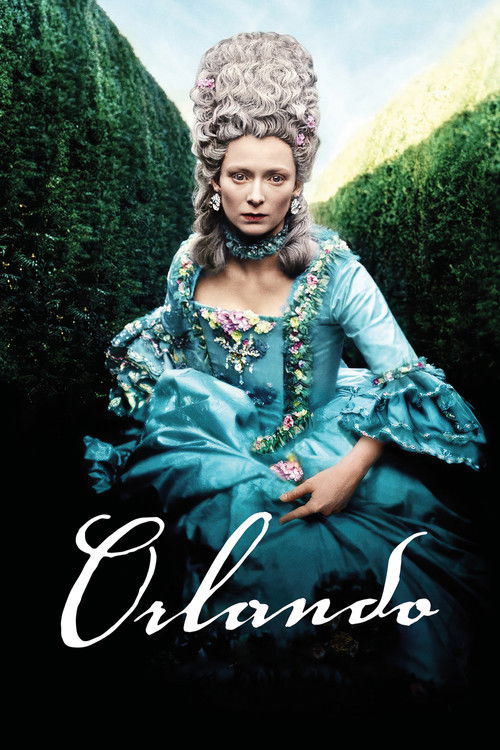
Orlando1992
Both films treat time and historical space as narrative playgrounds; both see anachronism and juxtaposition as tools for beauty and meaning rather than mistakes to avoid.
Sally Potter's adaptation of Woolf: a film that moves through centuries with the same breezy disregard for time that Munchausen shows. Visually sumptuous, formally playful, and convinced that history is just another tall tale we tell ourselves.
But It's very mannered and literary; if you bounce off formal experimentalism or aren't patient with arch style, it will feel precious rather than liberating.
People
Cast
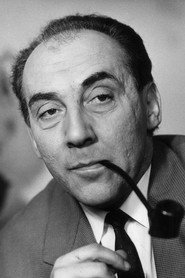 Miloš Kopeckýbaron Prášil
 Jana Brejchováprincezna Bianca di Castelo Negro
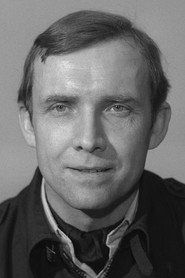 Rudolf Jelínekastronaut Toník
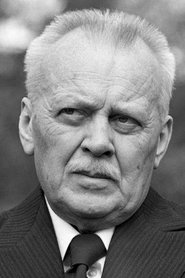 Karel Högerbásník Cyrano z Bergeracu
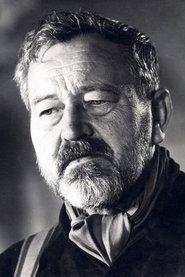 Jan Werichkapitán holandské lodi
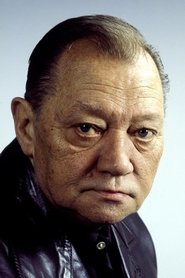 Rudolf Hrušínskýsultán
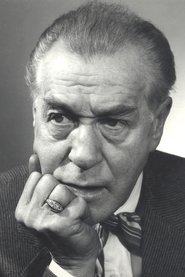 Eduard Kohoutgenerál, velitel pevnosti
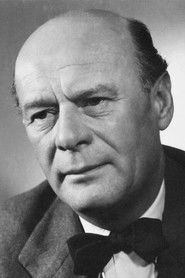 Bohuš Záhorskýadmirál
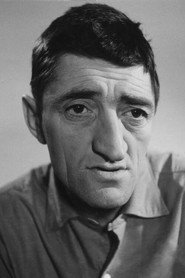 Karel Effadůstojník pevnostní stráže
- Naděžda Blažíčkovátanečnice ze sultánova harému
- František Šlégršpanělský námořník
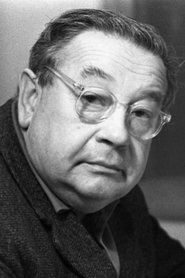 Josef Hlinomazharpunář-trosečník
Directing
- Karel ZemanDirector
- Jan MimraFirst Assistant Director
- Zdeněk RozkopalFirst Assistant Director
- Zdenka BarochováScript Supervisor
Writing
- Josef KainarDialogue
- Gottfried August BürgerNovel
- Rudolph Erich RaspeNovel
- Jiří BrdečkaScreenplay
- Karel ZemanScreenplay
- Karel ZemanStory
Production
- Josef OuzkýProduction Manager
- Jiří KutilUnit Manager