
Television series
Thundarr the Barbarian
- Survival adventure
- Post-apocalyptic
- Sword and sorcery
- Dip in and out
Thundarr the Barbarian is a 1980 Saturday-morning adventure that yanks Conan into a neon-soaked post-apocalypse where wizards rule the ruins of Earth. It's anime-influenced, visually audacious, and genuinely strange—that broken moon in the sky isn't decoration, it's the whole world. Endlessly inventive for a 30-minute slot, built for kids but witty enough to hold adults. Pure kinetic joy.
Should you watch it?
Watch it if you grew up on Saturday morning cartoons and still love a sword-swinging, sci-fi-tinged bit of pulp where the world is ruined and the heroes are gloriously earnest.
Skip it if you want modern serialized storytelling or subtle characters, since this is broad, simple pulp built on heroic archetypes, with little interior depth and a tone that stays cheerfully earnest.
What it asks of you: Half an hour a sitting, it runs brisk and bright, wanting little commitment and a willingness to take big, outlandish ideas without fuss, one set piece after another.
Not sure? Find tonight's pick in a minute.
If you liked this
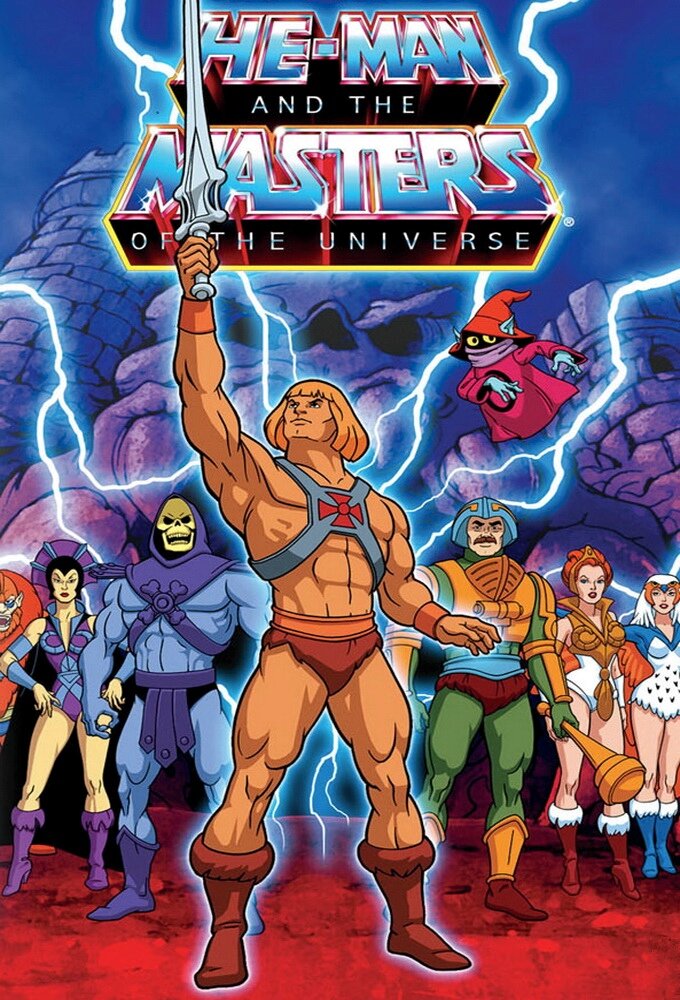
He-Man and the Masters of the Universe1983
Similar Saturday-morning muscle-bound heroics with a charismatic lead, but swapped fantasy for post-apocalyptic sci-fi and traded Eternia's primary colors for a weirder, more dangerous aesthetic. Both made for kids who wanted their heroes swole.
But The animation is uneven and budget-conscious; you're watching cells move economically across static backgrounds. Episodes blur together if you're not in the right headspace.
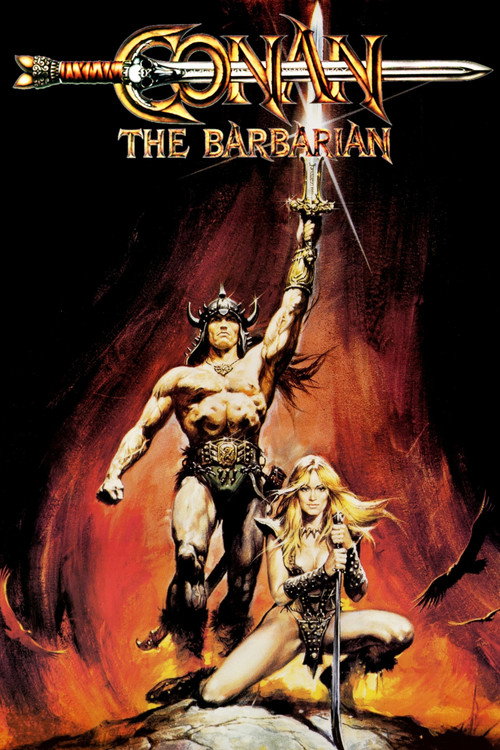
Conan the Barbarian1982
The spiritual ancestor: sword-swinging, wizard-battling, same DNA, but Thundarr took the Conan template and fused it with Buck Rogers retrofuturism. Schwarzenegger's version is grander; Thundarr's is weirder and somehow more fun.
But John Milius's film is slow, meditative, and genuinely bleak. If you want Thundarr's frenetic energy and constant surprises, this will feel glacial.
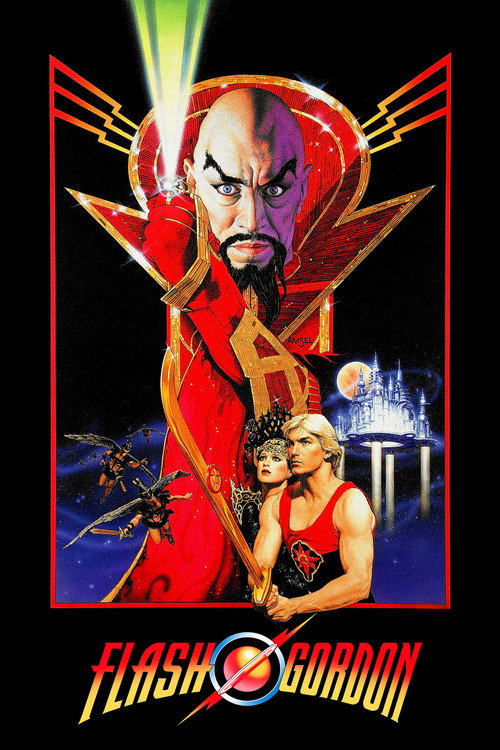
Flash Gordon1980
Released the same year, similarly gonzo about throwing together sci-fi, fantasy, and pure spectacle without pretending it makes sense. Both embrace lurid color and absurdist worldbuilding. Both will make you grin.
But The 1980 film is campy on purpose—if you're not tuned to that frequency, it's exhausting rather than fun.
Not sure tonight? Get a pick in a minute, starting from Thundarr the Barbarian
The wildcard
Something you would not have found on your own.
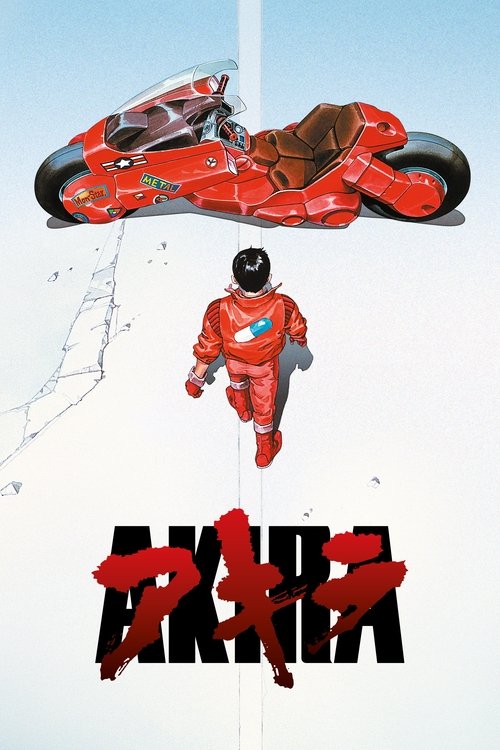
Akira1988
Shared visual language and post-apocalyptic aesthetics, but Akira inverts Thundarr's tone from cheerful adventure to paranoid dystopia.
Thundarr owed much to anime's visual language; Akira proved what that lineage could become in a feature film. Both depict devastated cities ruled by new powers, both move with extraordinary speed, both make post-apocalypse feel like liberation rather than loss. Akira is what happens when Thundarr grows up and gets a feature budget.
But It's Japanese sci-fi noir, intensely violent, philosophically dense, and requires concentration. It's the opposite of Saturday-morning clarity—deliberately obscure, asking you to piece the world together.
More like this (7)
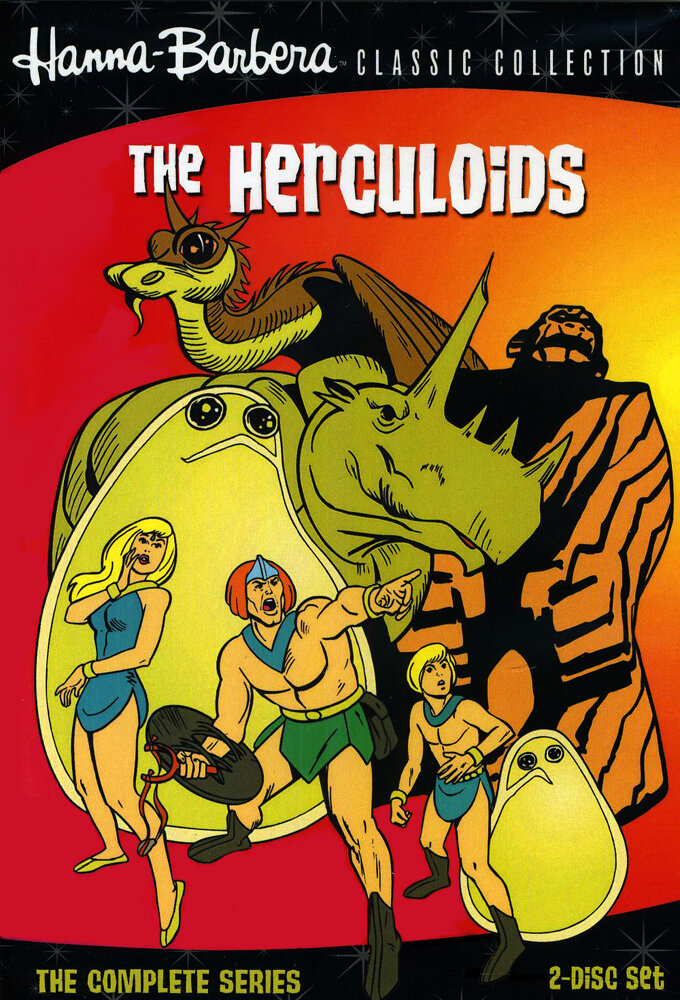
The Herculoids1967
A Hanna-Barbera adventure with that same Friday-afternoon fever dream quality: wild creatures, neon-bright aliens, alien planets played for genuine wonder. If Thundarr itches you, this scratches a related itch from a decade earlier.
But Pacing is slower, animation is more limited, and it doesn't have Thundarr's kinetic urgency. It asks for patience.
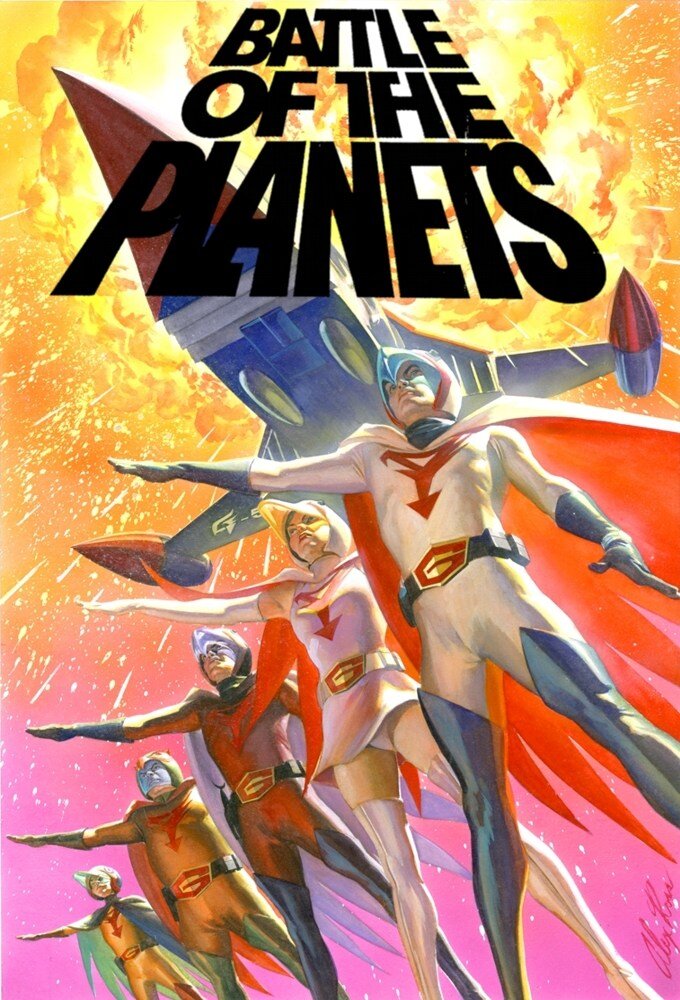
Battle of the Planets1978
Another Saturday-morning hybrid, this one folding anime techniques into a space-opera frame. Same energy: young heroes, color-soaked design, weird creature designs, episodes that pack too much into twenty minutes.
But The English dubbing is often awkward, and the pacing can feel choppy. It's rougher around the edges than Thundarr.
The Black Stallion1979
A gorgeous adventure film built on genuine wonder and discovery. Like Thundarr, it trusts its young audience to feel genuine peril and awe without hand-holding, and both move with propulsive energy.
But It's a horse adventure, not post-apocalyptic wizard-battling. If you need the spectacle to be sci-fi and weird, this lands differently.
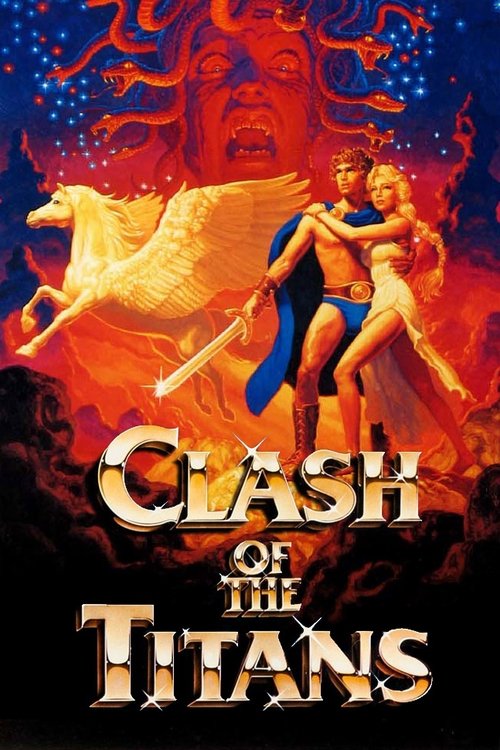
Clash of the Titans1981
Stop-motion spectacle, a world of gods and monsters, heroes swinging swords at impossible things. Released just after Thundarr and made in the same spirit: pure mythic adventure with practical effects that inspire awe.
But Ray Harryhausen's animation, gorgeous as it is, moves slowly. Thundarr's cartoons dart and sprint; this one takes its time.
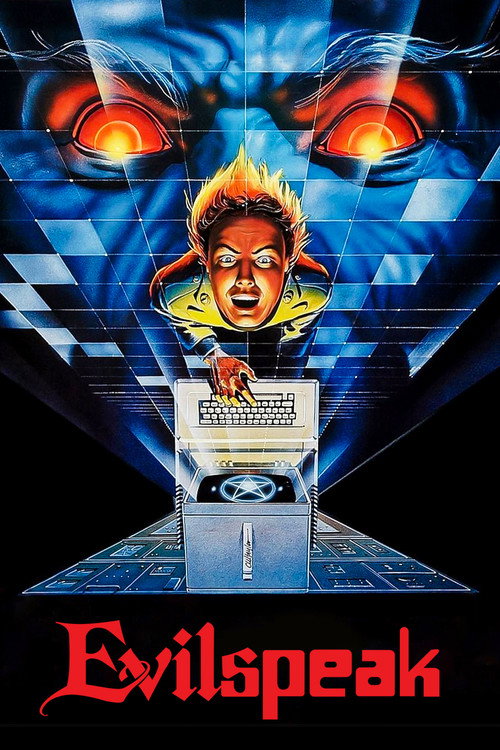
Evilspeak1981
A minor cult horror film that shares Thundarr's willingness to mix the sacred and profane, the technological and magical, without worrying whether it's coherent. Both are genuinely inventive about their own absurdity.
But It's a revenge horror film, not a family adventure. Tonal whiplash if you're expecting Thundarr's tone, and it's genuinely mean-spirited.
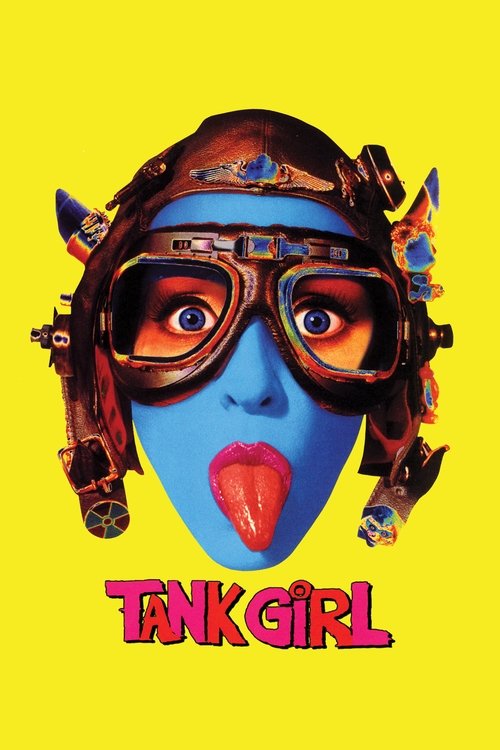
Tank Girl1995
Both use post-apocalyptic settings as permission to abandon realism entirely, but where Thundarr is adventure-clean, Tank Girl is deliberately trashy and anarchic.
A trash-brilliant comic adaptation that took the same swords-and-tech sensibility as Thundarr and weaponized it with punk attitude, surrealism, and a genuine refusal to cohere. If you loved Thundarr's willingness to be weird, Tank Girl took that permission and ran screaming into the desert.
But It's deliberately chaotic, intentionally bad-taste in places, and operates on dream logic rather than plot. Reviews were savage. It requires you to surrender to its chaos rather than follow a story.
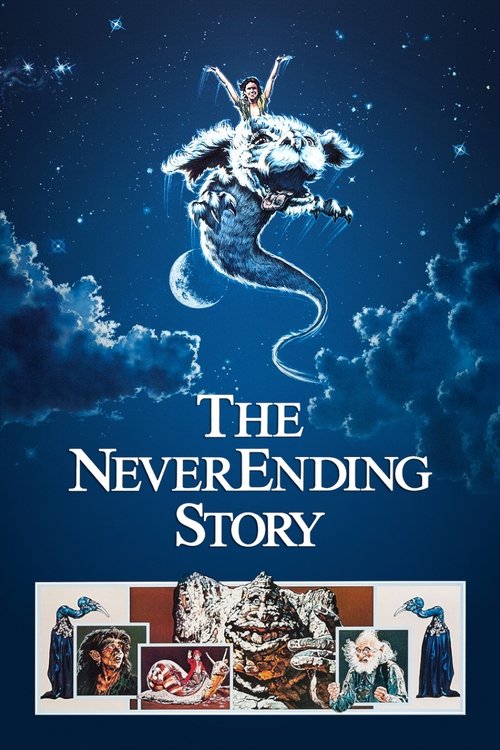
The NeverEnding Story1984
Both are adventure narratives that treat their child and adolescent audiences as capable of feeling genuine loss and wonder without patronizing them, but deploy opposite tones to get there.
A fantasy epic about a world under siege by nothingness, where a boy must venture through a dying realm to save it. Like Thundarr, it's an adventure series built on genuine stakes, wonder, and a world that feels lived-in despite being fantastical. Both trust kids to feel real peril.
But It's slow, meditative, and German in its sensibility—deeply earnest where Thundarr is gleeful. The emotional register is melancholy, even when things are winning.
People
Cast



 Dick TufeldNarrator
Production
- Joe RubyExecutive Producer
- Ken SpearsExecutive Producer
- Jerry EisenbergProducer
Recommended by
Transformers, Defenders of the Earth, Blackstar, Mighty Orbots, Conan the Adventurer, Return to the Planet of the Apes, Dinosaucers, G.I. Joe: A Real American Hero