
Film
Tideland
Terry Gilliam's fever dream about a girl who retreats into her vast imagination after her parents' deaths leaves her alone on a Texas estate. Surreal, unsettling, visually ravishing—a film that trusts children's inner lives more than most films trust anything. Not for everyone, but unforgettable for those it reaches.
Should you watch it?
Watch it if you love films that enter a damaged child's head and let its strange, glittering logic take over, where the images matter more than what happens next.
Skip it if you need a story that moves along with clear cause and effect, since this one drifts, repeats and lingers in its own dreamlike world for a long stretch.
What it asks of you: It runs about two hours at a slow, hypnotic pace, with grotesque and unsettling imagery, and it wants you to sit with discomfort rather than be carried along by plot.
Not sure? Find tonight's pick in a minute.
If you liked this
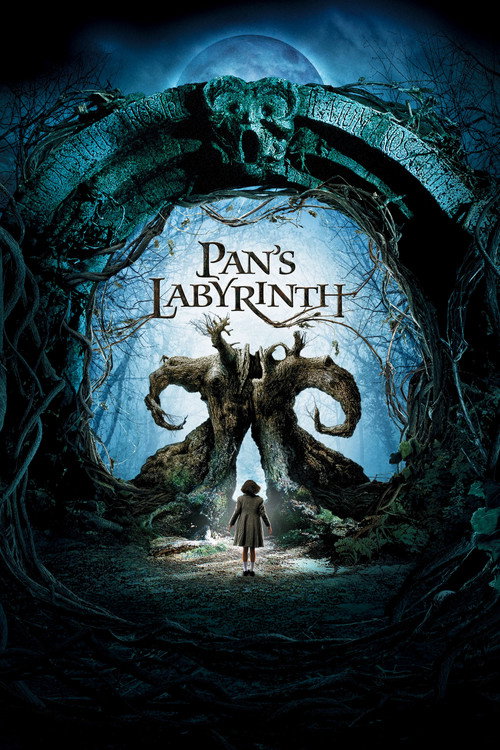
Pan's Labyrinth2006
A child's fantastical imagination collides with brutal reality in Spanish-language cinema at its most gorgeous and gutsy. Like Tideland, it asks what imagination costs when the world outside is genuinely terrifying.
But More consistently dark and demanding than Tideland. Its violence is sudden and real—this isn't whimsy, it's tragedy wearing a fairy tale's clothes.
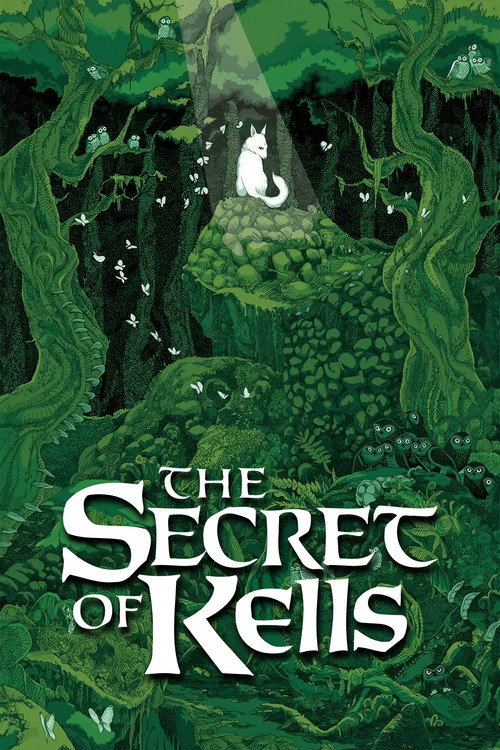
The Secret of Kells2009
A young boy's inner world blooms through hand-drawn animation of astonishing beauty. Shares Tideland's belief that children see more truth than adults, just expressed through colour and mythology instead of doll voices.
But Softer and more conventionally lovely than Tideland. If you want to be unsettled rather than enchanted, this won't scratch that itch.
Come and See1985
Both films are about a child's consciousness shattered by circumstance. This Soviet film is unflinching about trauma—less fantastical than Tideland but equally committed to showing how a young mind breaks and tries to survive.
But Brutally bleak with no magical escape route. Tideland offers imagination as refuge; this one suggests there may be nowhere left to hide.

Not sure tonight? Get a pick in a minute, starting from Tideland
The wildcard
Something you would not have found on your own.
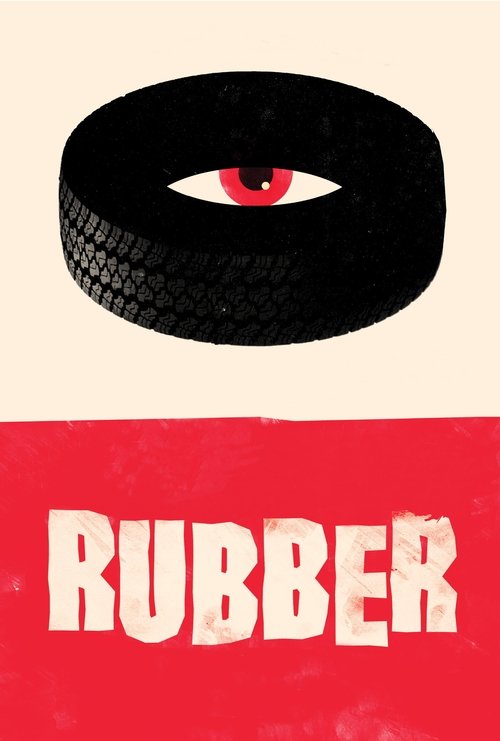
Rubber2010
Both treat grotesque or impossible situations as completely real and demand you inhabit them without irony or distance—pure immersion in wrongness.
Quentin Dupieux's film about a sentient tire on a murderous rampage sounds absurd—it is—but underneath is the same dark logic as Tideland: what happens when you refuse conventional narrative and just commit to the dream logic of the image itself? Both films are more interested in *feeling* right than making sense.
But Genuinely pretentious and occasionally tedious. The joke (if there is one) wears thin before the film ends. Tideland at least has a tragic heart; this one's closer to a prank that goes on too long.
More like this (8)
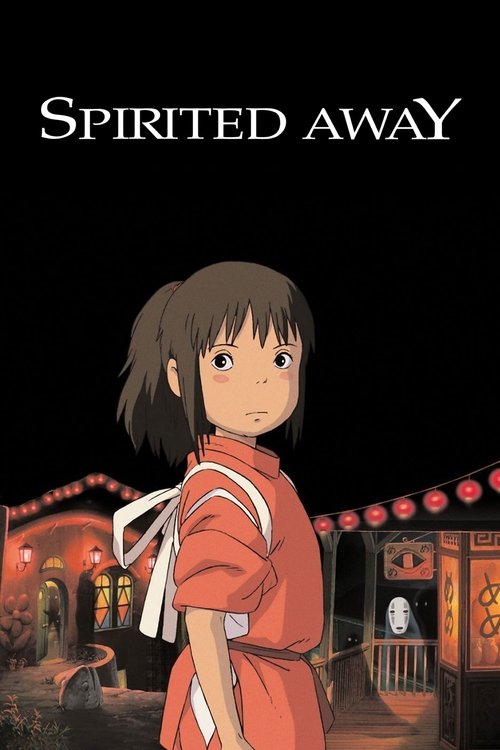
Spirited Away2001
A girl thrust into a nightmarish world she doesn't understand, using her wits and imagination to survive. Miyazaki's animation captures that same Gilliam-esque sense of beauty and wrongness occupying the same space.
But Much more family-friendly and hopeful in tone. The strangeness is designed to delight children, not disturb them. Tideland's creep factor is something else entirely.
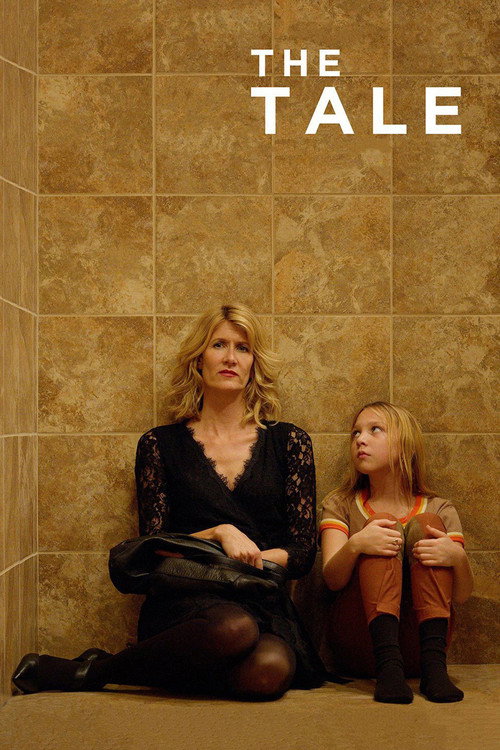
The Tale2018
A filmmaker revisits childhood trauma through fragmented memory and unreliable imagination. Like Tideland, it refuses to sort neatly between what happened and what we tell ourselves happened—and what that distinction even means.
But Deeply uncomfortable subject matter. Tideland is strange; this is specifically about childhood predation. Emotionally harder to sit with, even if less visually bizarre.
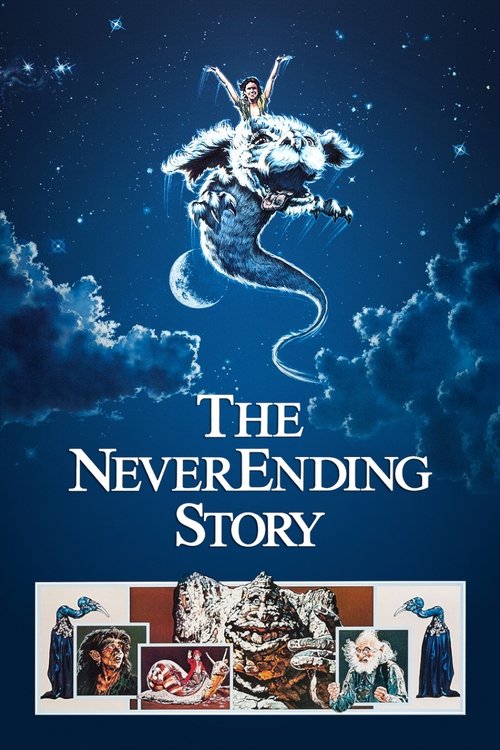
The NeverEnding Story1984
A boy disappears into a magical world that's slowly being consumed by darkness. That same marriage of wonder and dread, plus the idea that imagination is the only real resistance we have against despair.
But More conventional narrative structure. Tideland refuses to explain or comfort; this one is ultimately about a boy learning why stories matter. Different message entirely.
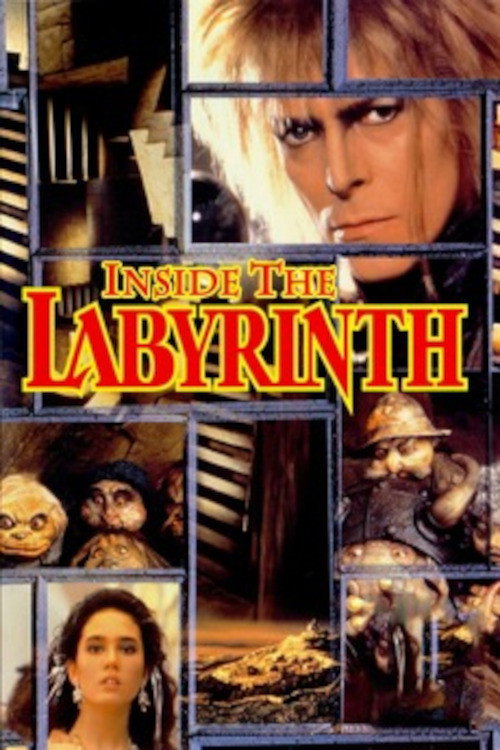
Inside the Labyrinth1986
A teenage girl navigates a beautifully grotesque fantasy world ruled by a goblin king. Henson's puppetry shares Gilliam's visual imagination—that baroque, slightly nauseating richness where every frame teems with detail.
But Lighter in touch and more playful. Tideland is genuinely unsettling; this one flirts with darkness but doesn't move in. If you want stranger, this will disappoint.
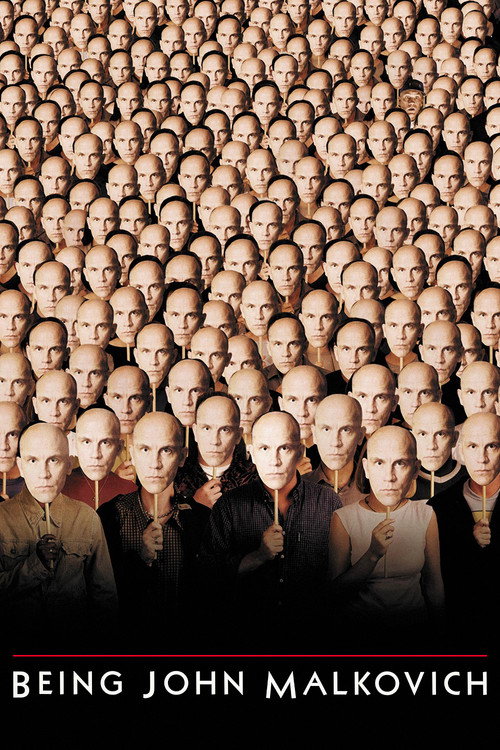
Being John Malkovich1999
Charlie Kaufman's script is a fever dream logic like Tideland's—surreal and specific at once. Both films trust the audience to follow bizarre rules without ever explaining them, building meaning from strangeness itself.
But Abstract and intellectual where Tideland is visceral. This is more interested in ideas than emotions. Less haunting, more clever.
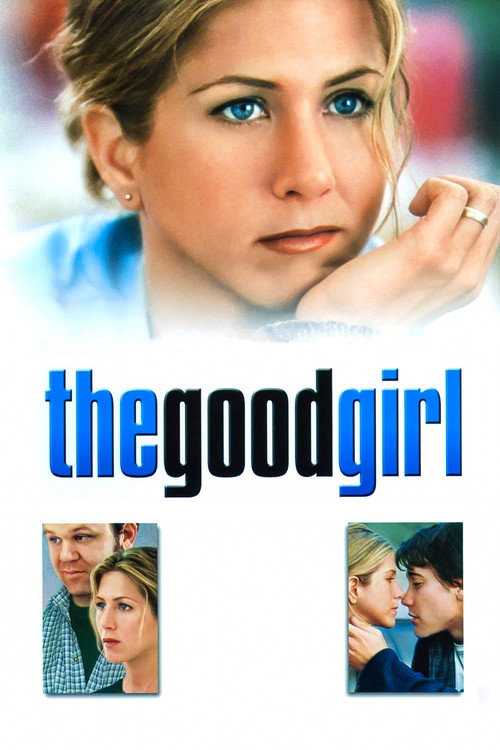
The Good Girl2002
A dissatisfied young woman retreats into romantic fantasy to escape her mundane life. Explores how imagination protects us from unbearable reality, though through adult consciousness rather than a child's.
But Conventional indie drama with a thriller's betrayal plot. Tideland's strangeness is baked into its form; this one just has a familiar story told carefully.
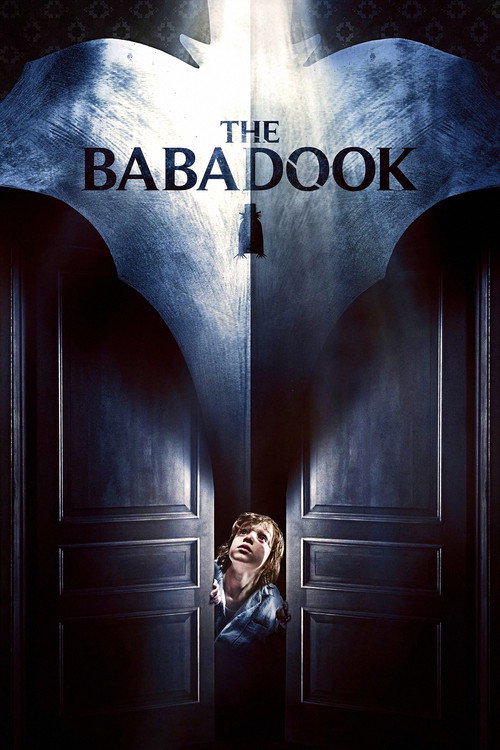
The Babadook2014
Both films understand that a child's reality isn't what adults see—it's structured by emotion, loss, and imagination. Both refuse to debunk the child's perspective as 'merely' imaginary.
An Australian film where a widow's grief manifests as a shadowy creature haunting her and her son. Like Tideland, it's ambiguous whether the horror is real or psychological—and argues those are the same thing. Gorgeously shot, deeply felt.
But More traditionally structured than Tideland, and more interested in grief as a drama than as surreal visitation. Less visually baroque. If you loved Tideland's strangeness, this will feel conventional.
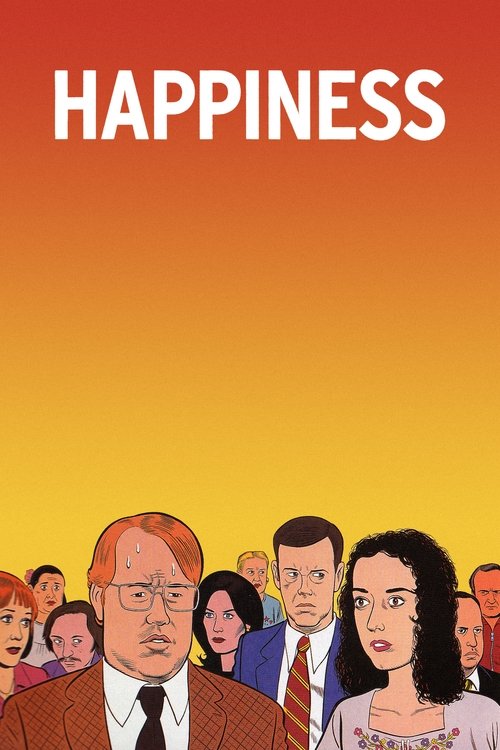
Happiness1998
Both films reject the lie that childhood is innocent, but where Tideland shows a child's survival through imagination, Happiness shows the adult perpetrators without mercy or redemption.
Todd Solondz's film is bleak, obscene, and structured like a nightmare—suburban American life revealed as fundamentally broken. Where Tideland uses surrealism to show childhood trauma, Happiness uses brutal realism to show how adults perpetuate it. Same moral darkness, opposite method.
But Graphic and transgressive in ways designed to hurt. Tideland is strange; this one is confrontationally ugly. Not an experience you'll enjoy exactly—endure is more honest.
People
Cast
 Jodelle FerlandJeliza-Rose / Voices Sateen Lips, Glitter Gal, Mustique and Baby Blonde
 Janet McTeerDell
 Brendan FletcherDickens
 Jennifer TillyQueen Gunhilda
 Jeff BridgesNoah
 Dylan TaylorPatrick
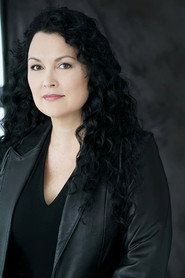 Wendy AndersonWoman / Squirrel's Voice
- Sally CrooksDell's Mother
 Alden AdairLuke (uncredited)
- Mitch CullinBus Passenger (uncredited)
- Harry GilliamJerry (uncredited)
- Kent NolanBoy (uncredited)
Directing
- Terry GilliamDirector
- William SpahicFirst Assistant Director
- Susanna DavidScript Supervisor
- Pamela WintringhamSecond Assistant Director
- Shayne PutzlocherThird Assistant Director
Writing
- Mitch CullinNovel
- Terry GilliamScreenplay
- Tony GrisoniScreenplay
Production
- Nick O'HaganAssociate Producer
- Wladyslaw BartoszewicsAssociate Producer
- Deirdre BowenCasting
- Paul BrettExecutive Producer
- Peter WatsonExecutive Producer
- Rhonda BakerLine Producer
- Gabriella MartinelliProducer
- Jeremy ThomasProducer