
Film
The Imaginarium of Doctor Parnassus
Terry Gilliam's fever dream of a film: a traveling carnival with a magical mirror that grants wishes, a man with a Faustian debt, and a Devil who collects bets like coins. It's visually baroque, narratively slippery, and operates on dream logic rather than plot clarity. For those who love Gilliam's controlled chaos and don't need their stories to obey the laws of physics.
Should you watch it?
Watch it if you relish Terry Gilliam's cluttered, sometimes gorgeous invention, the kind of fable where a painted dreamscape does more storytelling than the dialogue.
Skip it if you need a tight, grounded plot, because this one wanders through a loose, shifting imagination and its midsection can feel like it is losing the thread.
What it asks of you: It asks for a generous two hours and a willingness to let the logic drift, moving at a dreamlike, uneven pace where the visuals carry you more than the exposition.
Not sure? Find tonight's pick in a minute.
If you liked this
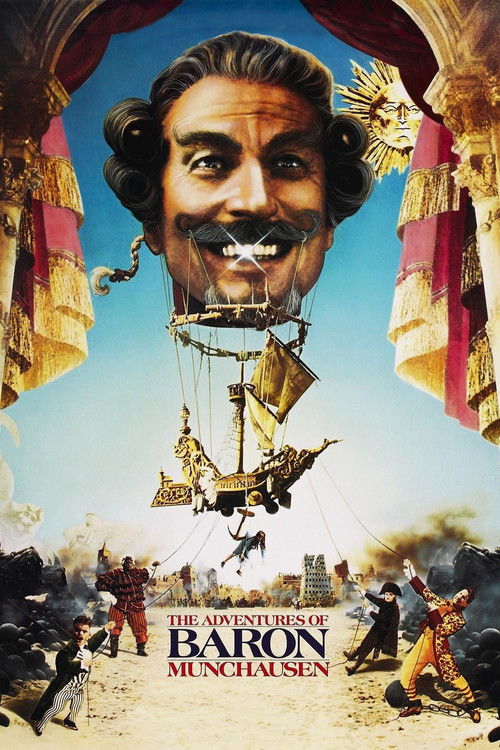
The Adventures of Baron Munchausen1988
Gilliam's earlier masterpiece of impossible worlds, outlandish set pieces, and stories that refuse to sit still. Same director, same commitment to visual spectacle over narrative sense, same sense of wonder.
But Runs 180 minutes and can feel self-indulgent. If you find Gilliam's style exhausting rather than exhilarating, this will not convert you.
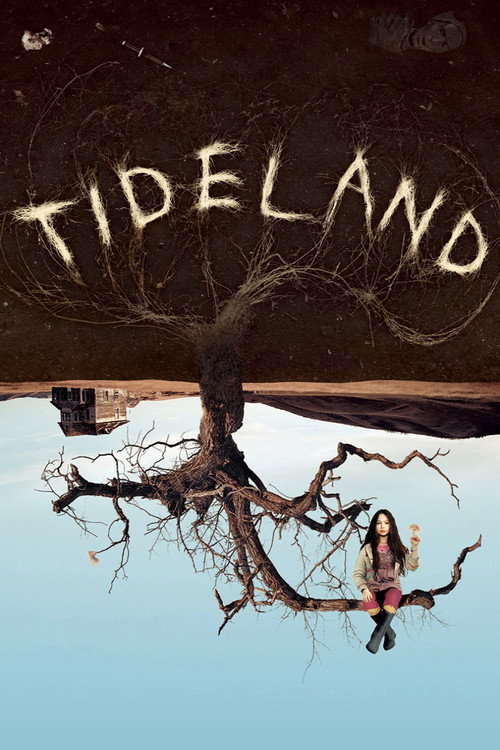
Tideland2005
Another Gilliam film that trusts its audience to live in strangeness. A girl creates her own world of dolls and dark magic after a family tragedy. Deeply unsettling and hypnotic in equal measure.
But The premise involves a dead body and disturbing imagery. It's austere and bleak in ways that Parnassus isn't, which makes it harder to sit with.
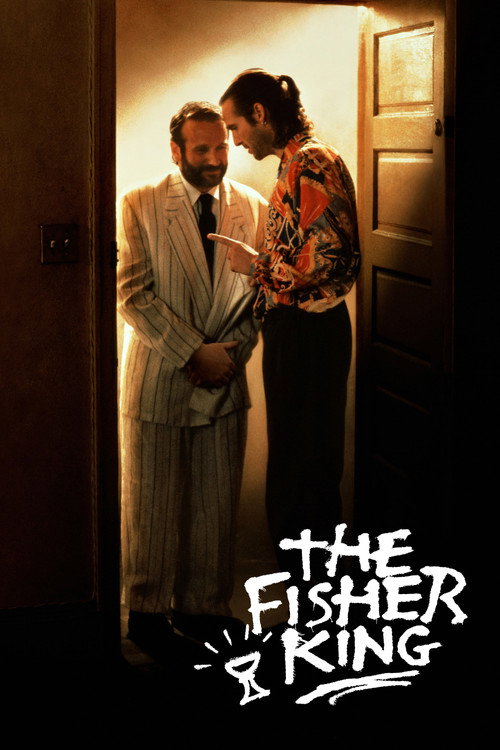
The Fisher King1991
Gilliam's most human film: grief, redemption, and madness filtered through the Arthurian legend. Terry Gilliam meets genuine emotion. Clearer plot than Parnassus, but with the same spiritual yearning.
But Earnest in a way that can feel dated now. If you're here for weird, not for feeling, you might find it schmaltzy.
Not sure tonight? Get a pick in a minute, starting from The Imaginarium of Doctor Parnassus
The wildcard
Something you would not have found on your own.
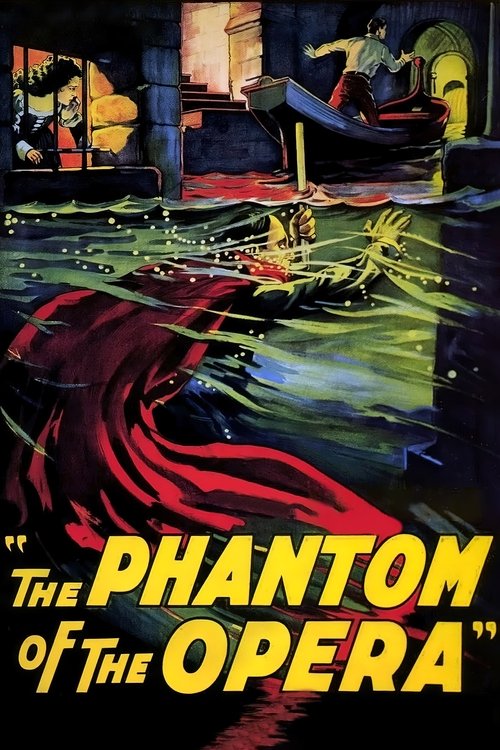
The Phantom of the Opera1925
Both are stories about immortal figures running dangerous spectacles to collect what they've lost, both deploy makeup and costume as moral markers, both use the fantastic to explore vanity and the price of desire.
Lon Chaney in the silent era, Rupert Julian directing a Gothic fever dream with the same carny-meets-tragedy DNA as Parnassus. A man behind a mask, a woman caught between worlds, spectacle as moral struggle. It preceded Gilliam by sixty years but speaks to the same aesthetic.
But Silent film. No dialogue means you're reading; the print quality varies. If you need sound and speed to stay engaged, this will feel interminable.
More like this (8)
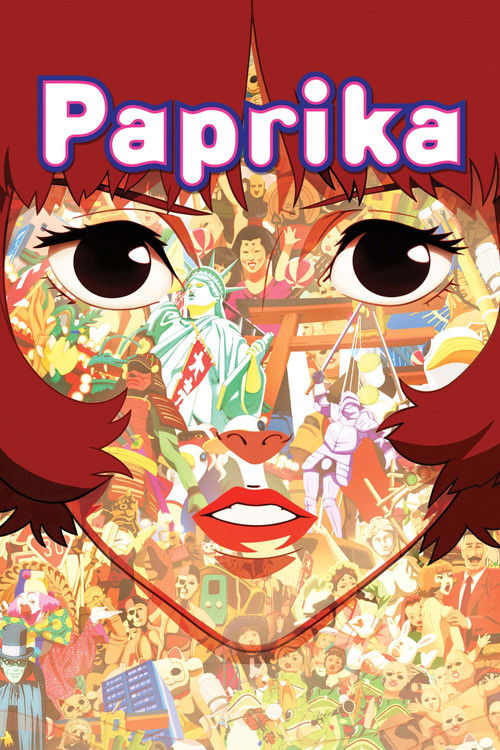
Paprika2006
Satoshi Kon's dream-logic meditation on fantasy bleeding into reality. A technicolor parade through the subconscious. If you loved Parnassus's visual imagination, this delivers the same intoxication in anime form.
But Subtitled. The narrative requires real attention and doesn't always reward it. Some sequences prioritize spectacle over coherence.
Mulholland Drive2001
David Lynch's Los Angeles nightmare, where identity fractures and the dream factory eats people. Like Parnassus, it's built from metaphor and operates on emotion rather than plot mechanics.
But Deliberately obscure. Three hours of ambiguity and dread. You will not leave with answers, and that's intentional.

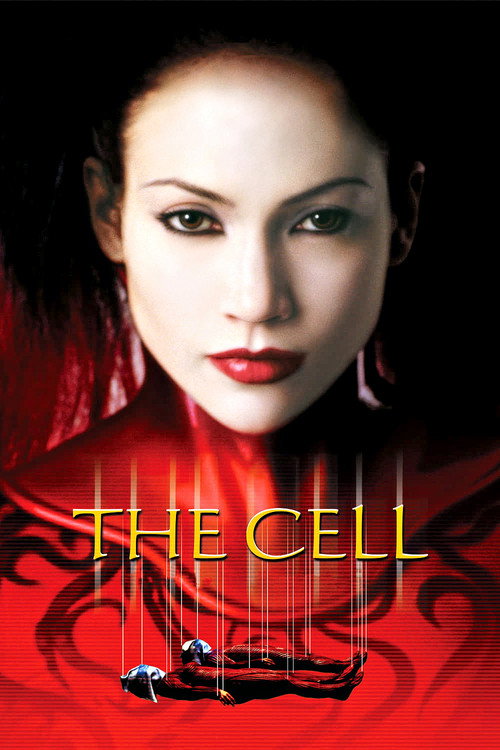
The Cell2000
Tarsem Singh's visually baroque thriller about a therapist entering a serial killer's mind. Pure eye candy that treats the subconscious as a place to paint nightmares. Gorgeous and sick.
But Exploitative imagery of violence and suffering. The plot is straightforward but the style wants you to stare at disturbing things and find them beautiful.
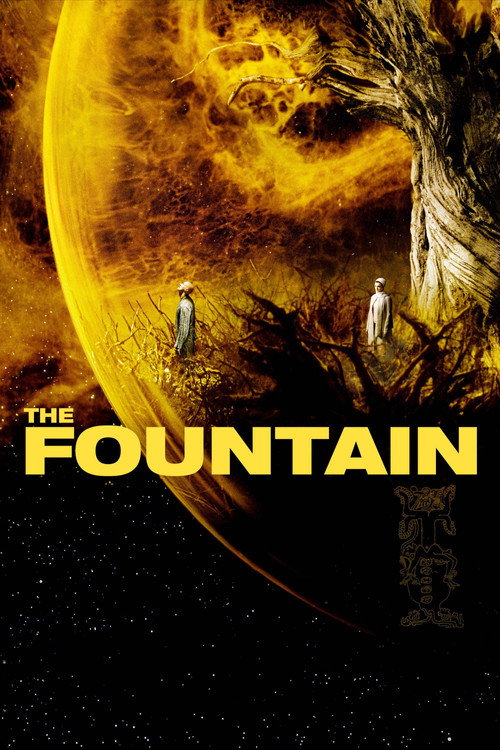
The Fountain2006
Darren Aronofsky's three-timeline meditation on love, death, and the impossibility of permanence. Lush, ambitious, operatic. Another film that swings for transcendence and doesn't apologize for missing.
But Genuinely divisive. Feels overreaching to many viewers. If you're skeptical of naked ambition, this will feel pretentious.
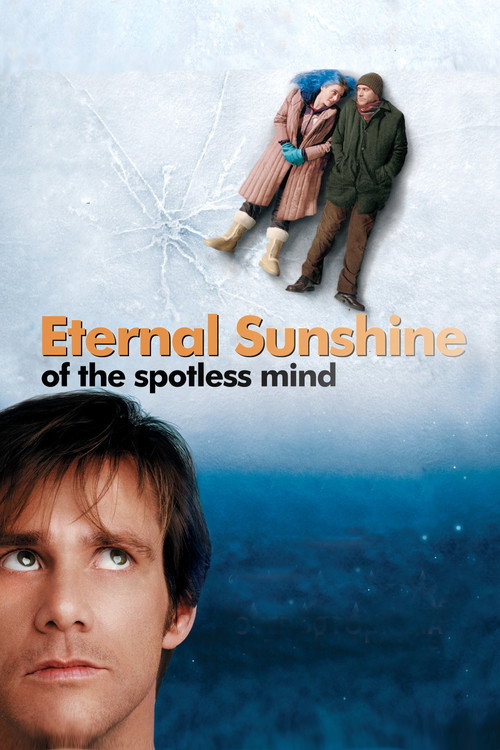
Eternal Sunshine of the Spotless Mind2004
Michel Gondry's heartbreak mapped onto memory and forgetting. Fantastical but grounded, with genuine tenderness. Another film that uses magic realism to tell a human story.
But Melancholic in a way that can feel deliberately slow. The magic serves the sadness, not the other way around.
Suspiria1977
Dario Argento's Italian horror masterpiece: a girl arrives at a prestigious dance academy that's secretly run by a coven of witches. Operatic, surreal, unforgettable. Pure nightmare made visual.
But Dated dubbing and a plot that's thin as tissue. The style is everything; if you need substance, you'll be disappointed.

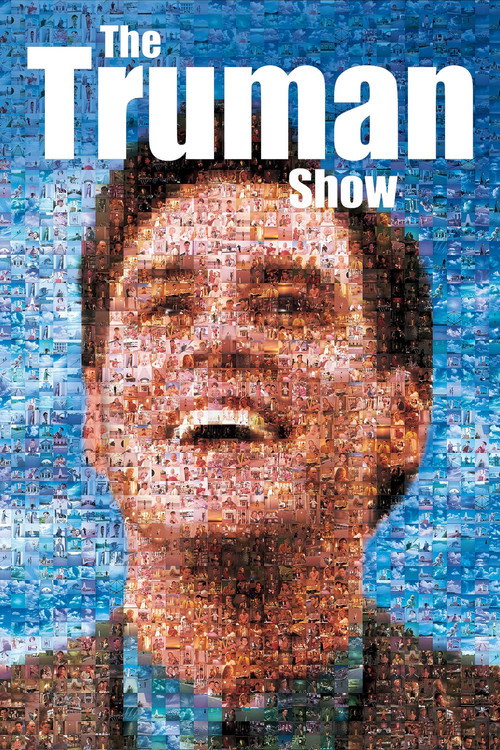
The Truman Show1998
Both pit a protagonist against a reality-warping carnival that's less a place than a moral test. Both ask if the person running it is evil or merely indifferent. Both stage their philosophy as spectacle.
Peter Weir's film about a man trapped inside a constructed reality without knowing it. Lighter than Parnassus but asking identical questions: What is real? Who profits from illusion? Is the trap a trap if you love it? A Gilliam idea in accessible form.
But Toothless by today's standards. It wants to be profound about existential captivity but settles for gentle uplift. Feels quaint now.
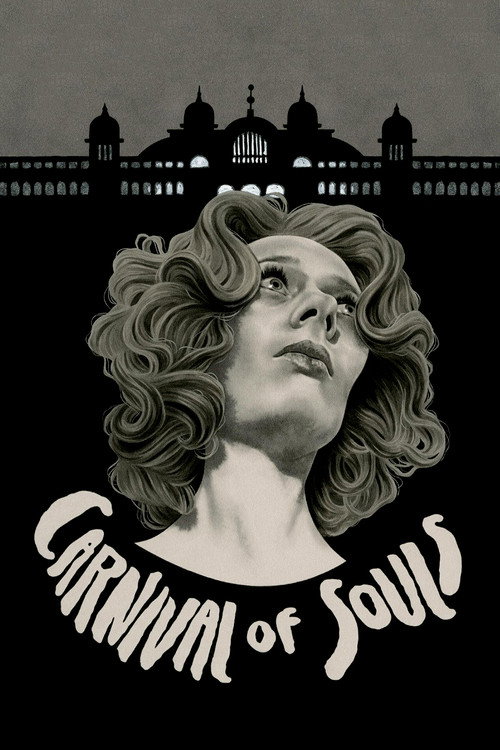
Carnival of Souls1962
Both center on carnivals as liminal spaces where the rules of the world don't apply. Both use performance and spectacle as camouflage for something supernatural and hungry. Both ask: what does the carnival want from you?
A woman survives a car crash and finds herself drawn to an abandoned seaside amusement park haunted by something nameless. Shot in black-and-white on a shoestring budget, it has the same dread-soaked carnival atmosphere as Parnassus but from 1962. Proof that the concept was always potent.
But Glacially paced and genuinely eerie in an unfashionable way. The acting is wooden. If you want plot momentum or naturalistic dialogue, this will feel like a slog.
People
Cast
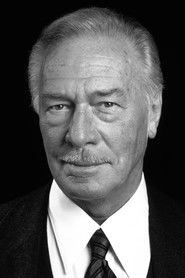 Christopher PlummerDoctor Parnassus
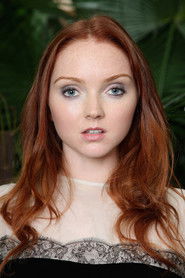 Lily ColeValentina
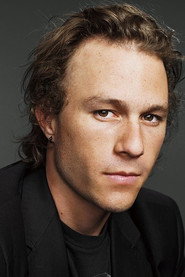 Heath LedgerTony
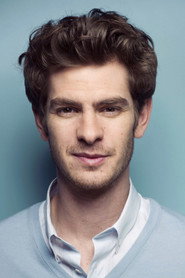 Andrew GarfieldAnton
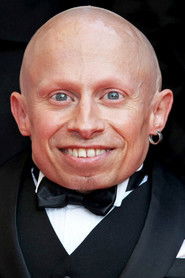 Verne TroyerPercy
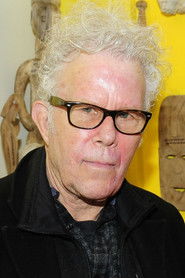 Tom WaitsDevil
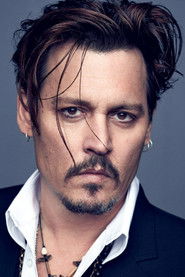 Johnny DeppImaginarium Tony 1
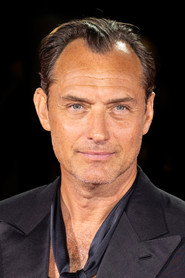 Jude LawImaginarium Tony 2
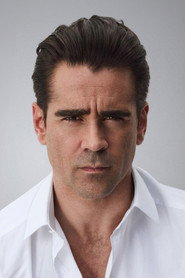 Colin FarrellImaginarium Tony 3
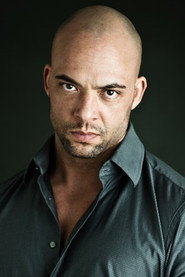 Fraser AitchesonDancing Policeman
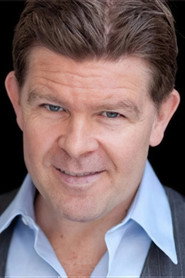 Bart AndersonYoung Boy's Father
- Patrick BahrichDancing Policeman
Directing
- Terry GilliamDirector
- Lee GrumettFirst Assistant Director
Writing
- Charles McKeownScreenplay
- Terry GilliamScreenplay
Production
- Colleen BoltonCasting
- Irene LambCasting
- Maureen WebbCasting
- Erin HaskettExecutive In Charge Of Production
- David ValleauExecutive Producer
- Patrice TherouxExecutive Producer
- Victor HadidaExecutive Producer
- Amy GilliamProducer
- Samuel HadidaProducer
- Terry GilliamProducer
- William VinceProducer