
Film
There's No Time for Love, Charlie Brown
A Charlie Brown special where academic desperation collides with romantic confusion in a 25-minute blast of classic Peanuts charm. Charlie misidentifies a supermarket as an art gallery while trying to save his grades, and his various romantic fumbles unfold with characteristic sweetness and melancholy. Ideal for anyone who loves Schulz's particular gift for making failure feel both funny and genuinely touching.
If you liked this
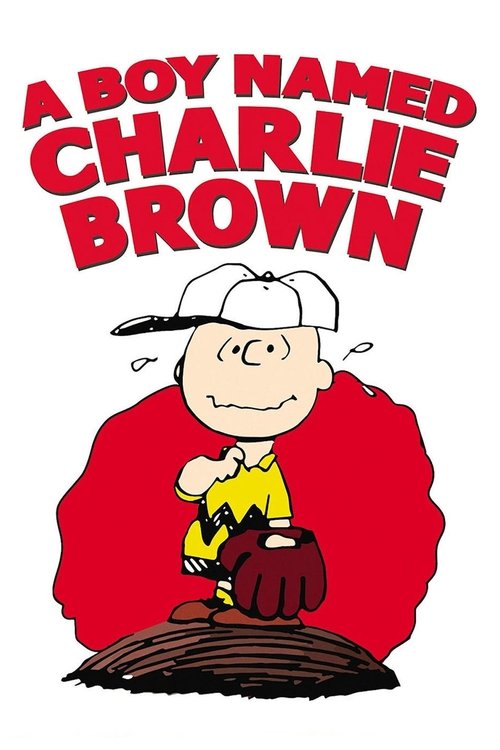
A Boy Named Charlie Brown1969
The special that proved Peanuts could carry a full story. Charlie enters a spelling bee and faces his familiar demons—self-doubt, sibling rivalry, and his own rotten luck—with wit and unexpected emotional depth.
But Slower pacing than modern animation; the appeal lives entirely in character and nuance rather than gags or action.
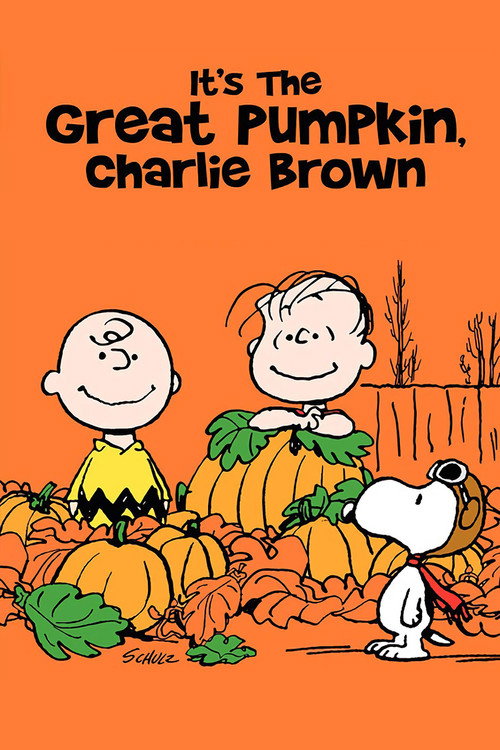
It's the Great Pumpkin, Charlie Brown1966
Maybe the definitive Peanuts TV special. Linus's faith-driven pumpkin patch vigil, Sally's scheming, and that perfectly melancholic ending combine into something genuinely moving despite the comedy.
But If you're watching for plot momentum, you'll find this meditative and slow. It's mood and character, not narrative.
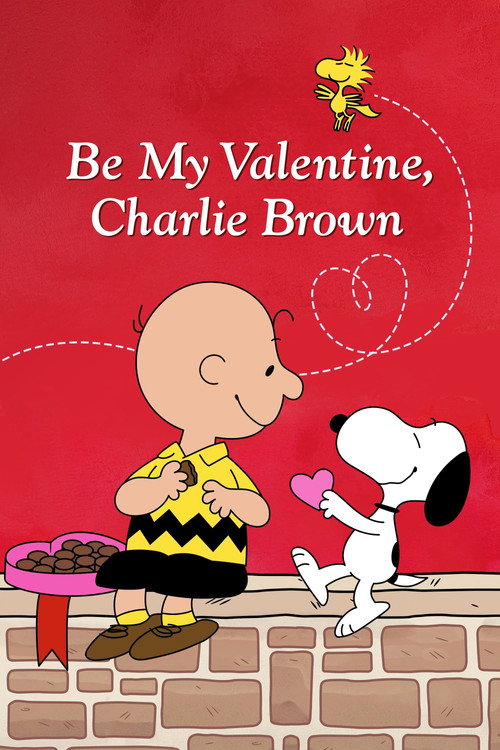
Be My Valentine, Charlie Brown1975
Concentrated Peanuts romance: Charlie's Valentine's Day anxiety, Lucy's psychiatric booth, Sally's mercenary schemes, and Snoopy's absurdist fantasy. Dense with jokes and heart in just 25 minutes.
But The animation is minimal even by '60s TV special standards; if you need visual dynamism, this will feel static.
Not sure tonight? Get a pick in a minute, starting from There's No Time for Love, Charlie Brown
The wildcard
Something you would not have found on your own.
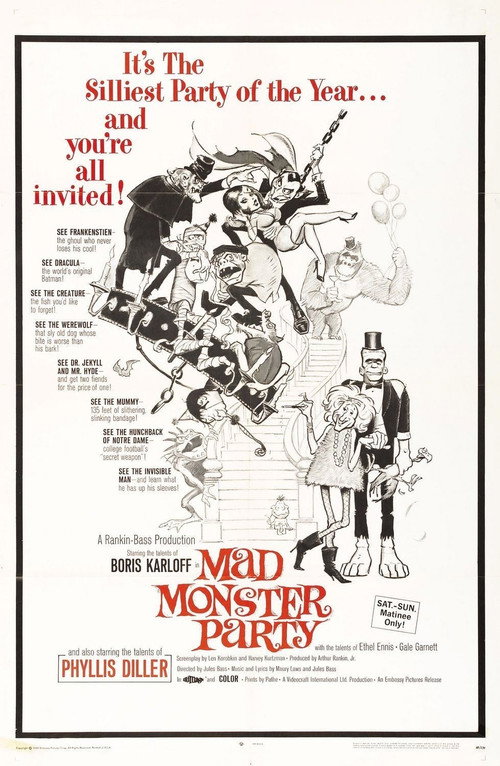
Mad Monster Party?1967
Both are short, character-driven comedies from the late-sixties/early-seventies that find humor in failure, anxiety, and the gap between how the world works and how our heroes wish it worked.
Stop-motion puppet comedy where Baron Frankenstein throws a party and everything goes hilariously wrong. The same blend of sweet desperation and slapstick that defines Peanuts, just with classic movie monsters instead of talking dogs.
But The animation style hasn't aged as gracefully as hand-drawn work; some of the gags rely on references that date it. Darker and stranger than most family entertainment.
More like this (6)
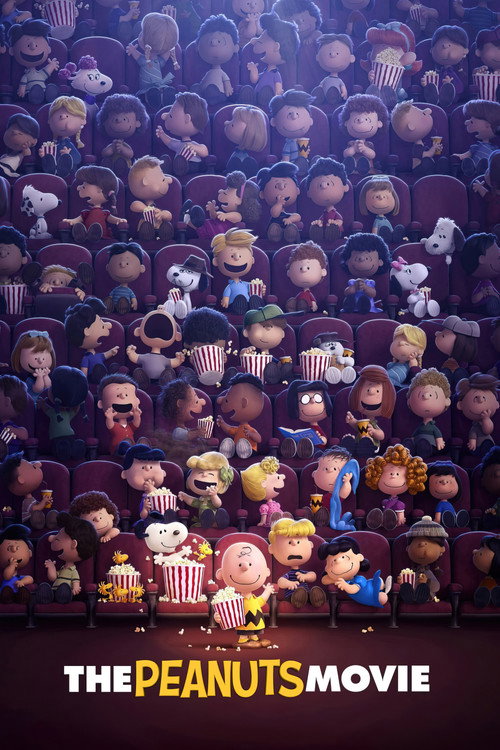
The Peanuts Movie2015
A feature-length return that respects the source material while modernizing the animation. Charlie's ongoing quest to fit in and find happiness unfolds with genuine warmth and surprising emotional resonance.
But Nostalgia for the original specials may make this feel too slick and contemporary. Some prefer the hand-drawn simplicity of earlier work.
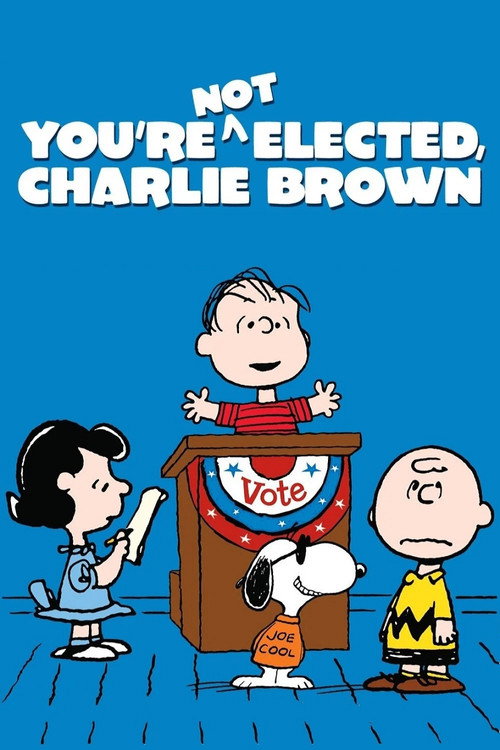
You're Not Elected, Charlie Brown1972
Charlie runs for class president against Peppermint Patty; Lucy manipulates from the sidelines. Political satire wrapped in gentle satire of the kids themselves.
But Election-year humor hasn't aged particularly well, and the special relies on a thinner premise than the best Peanuts work.
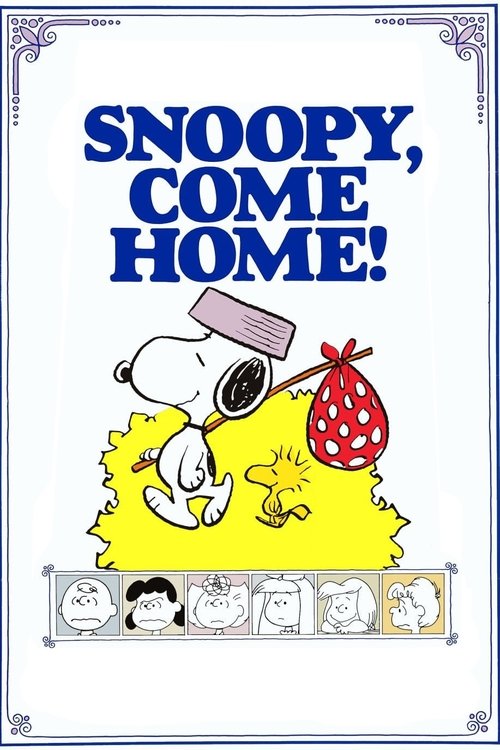
Snoopy, Come Home1972
The only feature-length Peanuts film made during Schulz's lifetime. Snoopy searches for his original owner, and Charlie Brown confronts genuine loss. Surprisingly moving.
But At 80 minutes it outstays the ideal Peanuts length. The story loses focus halfway through and the tone becomes uneven.
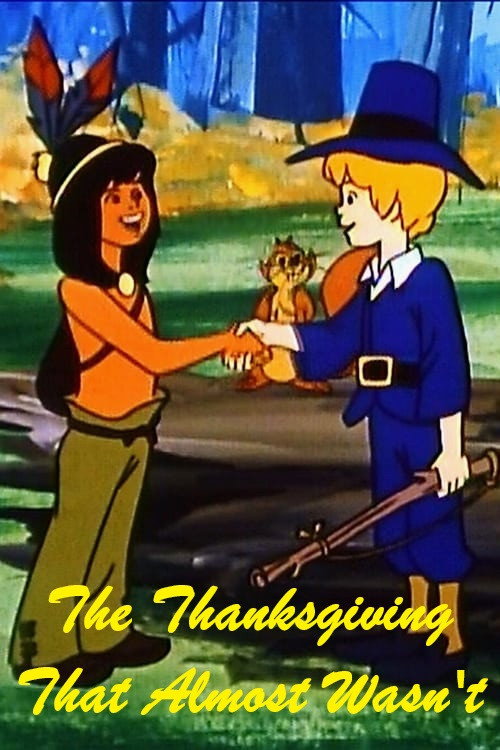
The Thanksgiving That Almost Wasn't1972
Peppermint Patty invites herself to Charlie Brown's dinner; chaos and tenderness ensue. A perfect snapshot of these characters' fractured friendships and underlying loyalty.
But Very thin plot stretched across 25 minutes; if you're watching for structure rather than character moments, you'll find it slight.
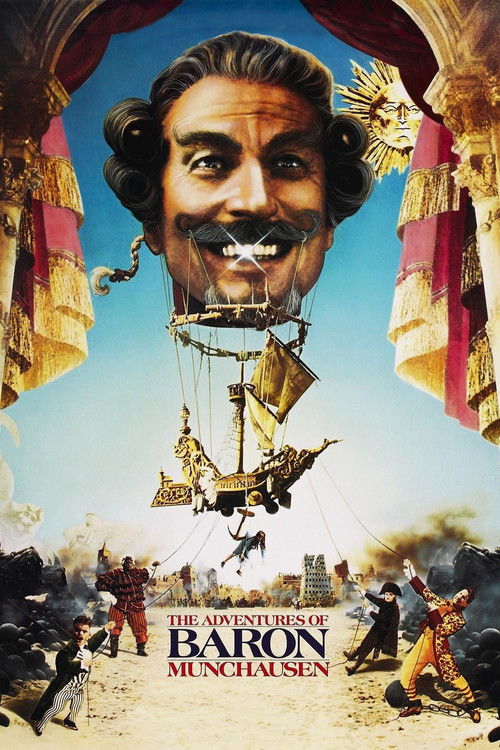
The Adventures of Baron Munchausen1988
Both pit an eternally hopeful dreamer against a world that refuses to cooperate. Charlie Brown and the Baron both distort reality to match their desires—one through honest delusion, one through elaborate lies—and both are fundamentally, movingly alone.
Terry Gilliam's fever dream where a man who never stops talking tells increasingly impossible lies in a reality that keeps trying to contradict him. It's absurdist, visually stunning, and oddly touching beneath the chaos.
But Chaotic, cluttered, and narratively slippery; it resists conventional storytelling entirely. Some find it exhausting rather than exhilarating.
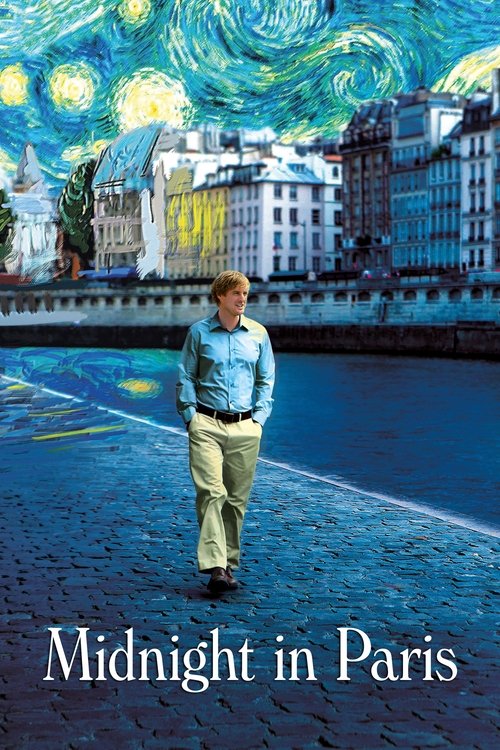
Midnight in Paris2011
Both center on characters whose internal lives are richer and more beautiful than their external reality, and both argue—with equal tenderness and comedy—that this gap is what makes them human.
A man stumbles through a magical Paris at midnight where he meets literary heroes and romantic possibility. It's achingly nostalgic about impossibility, written with intelligence and affection for characters who want more than they can have.
But Whimsical and slightly precious; if magical realism feels too earnest or sentimental, this will feel self-indulgent.
People
Cast
- Chad WebberCharlie Brown (voice)
 Hilary Momberger-PowersSally Brown (voice)
 Robin KohnLucy (voice)
 Stephen SheaLinus (voice)
 Jimmy AhrensMarcie (voice)
 Christopher DeFariaPeppermint Patty (voice) (uncredited)
 Todd BarbeeFranklin (voice) (uncredited)
 Bill MelendezSnoopy (voice) (uncredited)
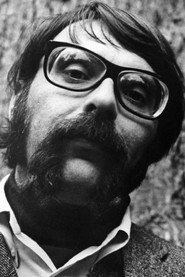 Vince Guaraldi'Joe Cool' Singer (voice) (uncredited)
Directing
- Bill MelendezDirector
Writing
- Charles M. SchulzWriter
Production
- Warren LockhartOther
- Bill MelendezProducer
- Lee MendelsonProducer