
Film
Muhammad Ali's Greatest Fight
A Supreme Court procedural about Muhammad Ali's draft resistance case, told through the justices' private deliberations. Director Leon Gast stages the legal arguments as intimate chamber drama, focusing on constitutional conscience and institutional pressure. It's for people drawn to how power actually works behind closed doors.
If you liked this
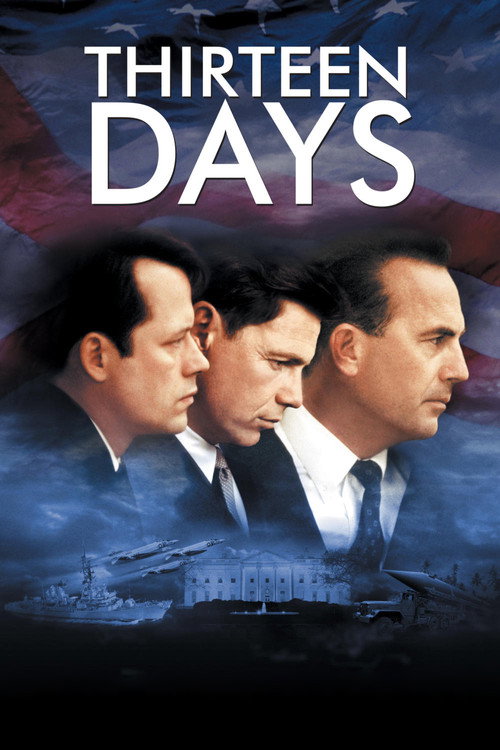
Thirteen Days2000
Tense, meticulously researched account of the Cuban Missile Crisis told from inside the Situation Room. Like Ali's case, it's about high-stakes constitutional principle colliding with political pressure in real time.
But Heavy on procedural detail and wonky dialogue. The film's almost entirely men in suits discussing scenarios, which will feel slow if you want momentum.
The Contender2000
Supreme Court confirmation hearing becomes moral battleground. Sharp, acidic writing about how institutions protect themselves while pretending to uphold principle. Shares Ali's interest in institutional hypocrisy.
But Unsubtle politics. The film wears its convictions like a sandwich board, and the speechifying can feel more editorial than dramatic.
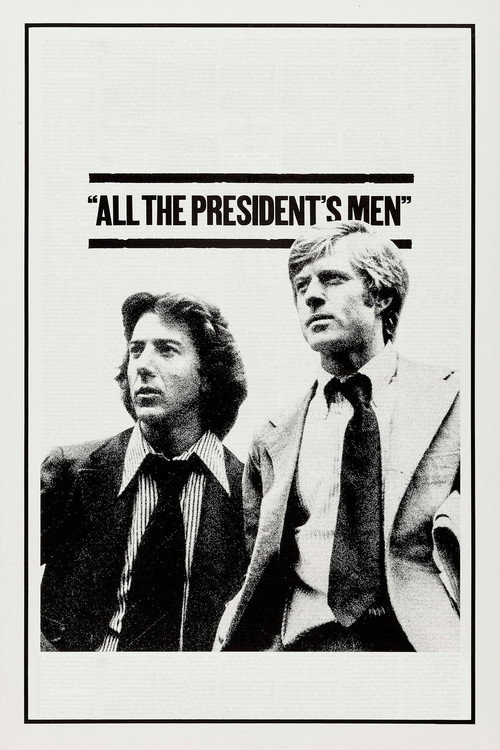
All the President's Men1976
Methodical, gripping chronicle of investigation and institutional stakes. Like Ali's film, it's fascinated by process—how evidence accumulates, how pressure mounts, how power responds.
But Assumes you care about procedural detail. If you need faster plot turns and more personal conflict, this will feel like watching people use typewriters.
Not sure tonight? Get a pick in a minute, starting from Muhammad Ali's Greatest Fight
The wildcard
Something you would not have found on your own.
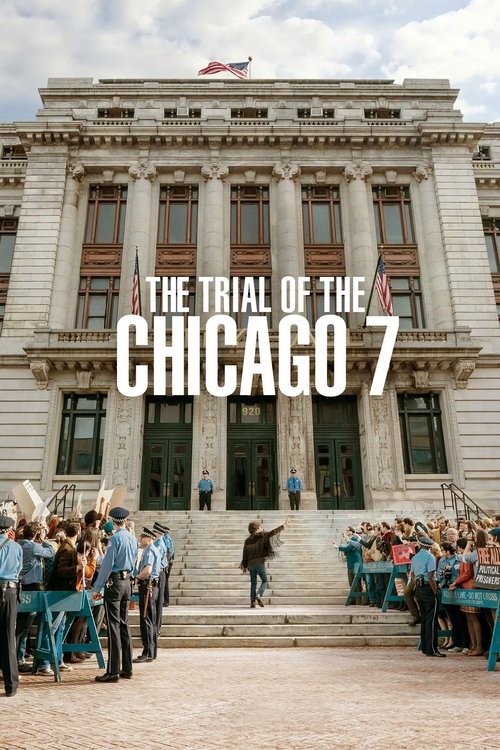
The Trial of the Chicago 72020
Both chronicle high-stakes Vietnam-era legal battles where the system itself becomes the subject—but Ali's film watches the system think, while Chicago 7 watches it perform.
Courtroom drama about the 1969 trial of protesters charged for riots at the Democratic Convention. Structurally similar—young men defying institutional authority during Vietnam era—but told as theatrical, energetic trial spectacle rather than judicial intimacy.
But Prioritizes drama and scoring points over nuance. It's a rallying cry dressed as cinema, and if you're looking for complexity, the film's more interested in vindication.
More like this (8)
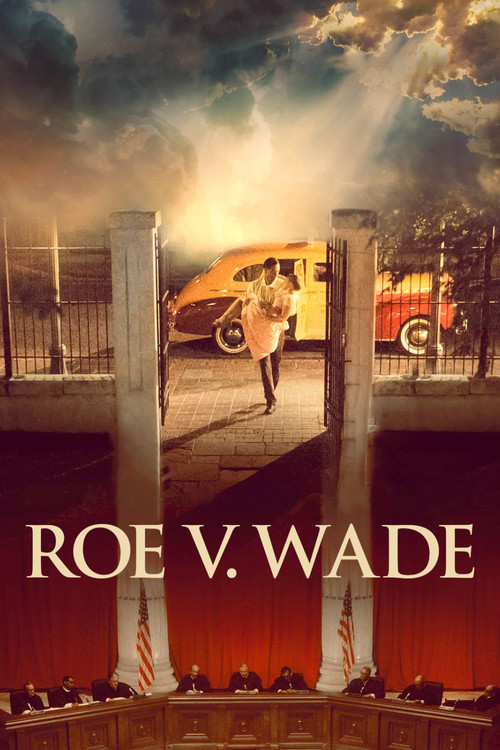
Roe v. Wade2021
Another Supreme Court battle told as chamber drama. Same era, same stakes, same architecture of justices wrestling with conscience versus precedent. A direct spiritual twin.
But Arrives with a predetermined ideological position. The film is less interested in the legal argument than in proving one side right, which undercuts the drama.
Spotlight2015
Ensemble investigation drama about institutional cover-up and journalistic persistence. Methodical, grown-up filmmaking about how truth gets extracted from systems designed to hide it.
But Deliberately paced. This is a film that trusts silence and lets scenes breathe, which registers as slow if you're hunting for plot beats.

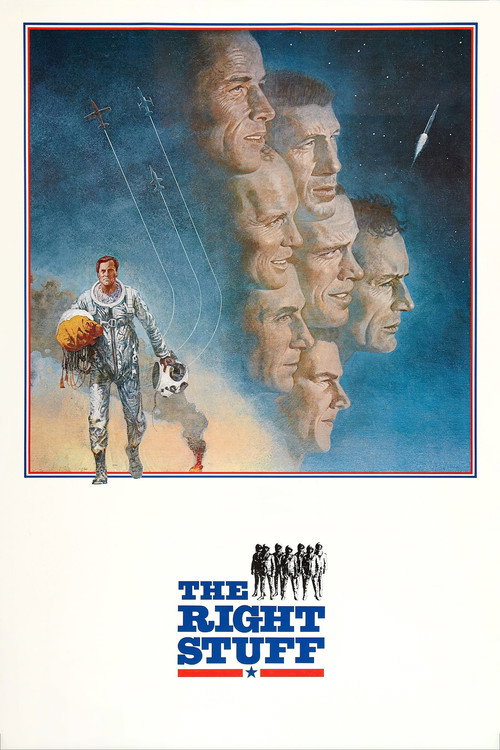
The Right Stuff1983
Epic chronicle of competing institutional and personal values. Like Ali's case, it's about how America's mythology (heroism, merit, progress) collides with actual power and politics.
But Nearly four hours long. Even sympathetic viewers find it episodic and uneven, with tonal shifts that sometimes jar.
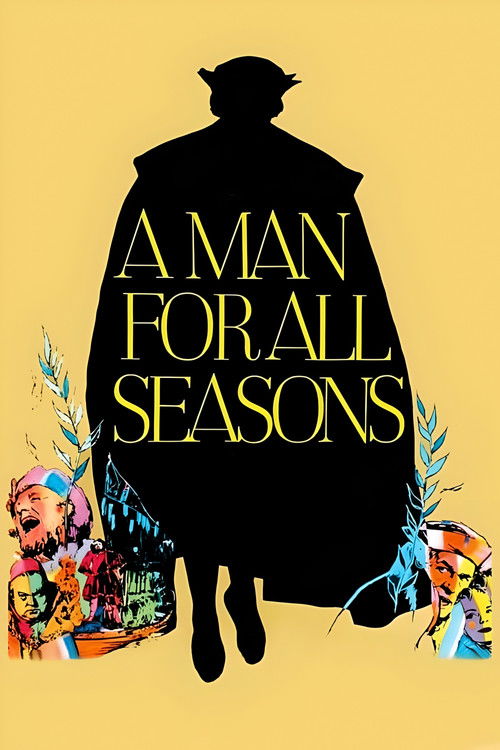
A Man for All Seasons1966
Principled man defies institutional power and faces the consequences. Spare, eloquent, deeply about conscience versus compliance—the exact moral engine of Ali's case.
But Theatrical and formal. It reads as a staged play (because it was), and that stylization can feel airless if you're not in the mood for it.
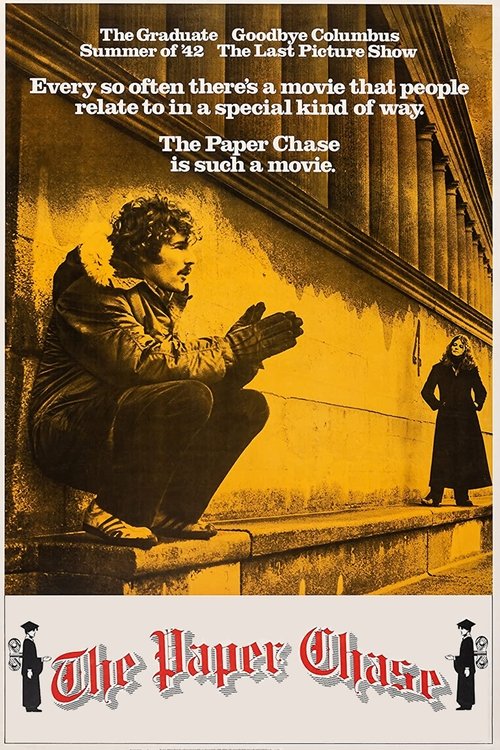
The Paper Chase1973
Inside an institution, ambitious people wrestle with principle and power. Not about law itself, but about the system's pressure on individual conscience. The institutional machinery fascinates it.
But Dated and uneven. Tonally it ping-pongs between comedy and drama in ways that don't always land, and some beats feel overwrought.
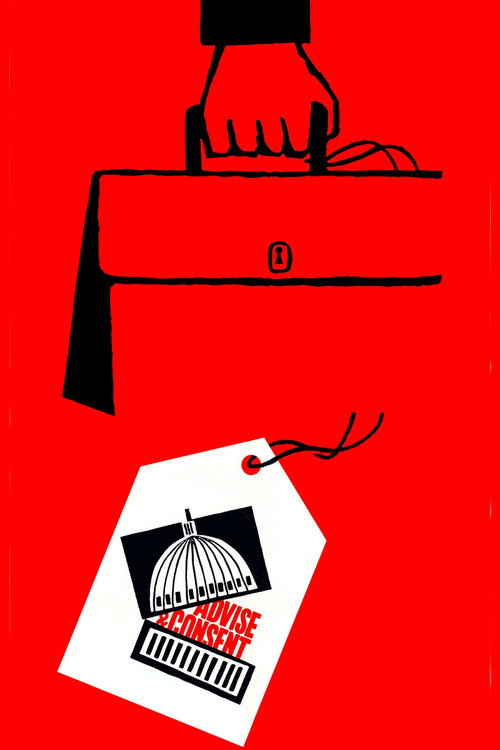
Advise & Consent1962
Behind-the-scenes political thriller about a confirmation battle, power brokering, and hidden leverage. Treats the machinery of power as both its plot engine and its moral focus.
But Long and digressive. The film keeps pulling focus to secondary scandals, which some find enriching and others find exhausting and dated.
Harakiri1962
Both films pit personal moral clarity against systems designed to enforce conformity—but where Ali's case seeks to bend the system, Harakiri argues the system breaks the soul.
Japanese masterpiece about ritual suicide and institutional honor. Visually stunning, morally shattering meditation on individual conscience crushed against institutional law. Completely different genre and culture, same core tension.
But Violently bleak and deliberately paced. It's a funeral march, not a thriller. The political allegory is baked into every frame, and some find that overwhelming.

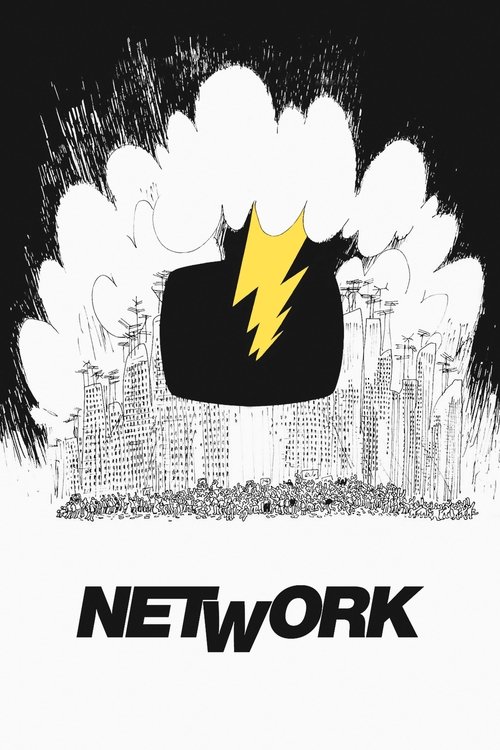
Network1976
Both dissect American institutions and their relationship to principle—but Ali's film watches the machinery with respect for its complexity, while Network wants to burn the whole thing down.
Savage comedy about institutional machinery and how power actually operates. Completely different register—frantic, acidic, darkly funny—but equally fascinated by how systems protect themselves and neutralize dissent.
But Shrill and unsubtle. The satire operates at full volume with no off switch, and 48 years later some of the tirades feel more dated than prophetic.
People
Cast
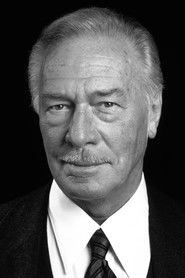 Christopher PlummerJohn Marshall Harlan
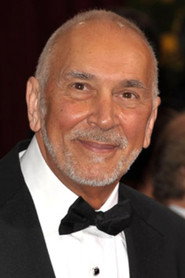 Frank LangellaChief Justice Warren Burger
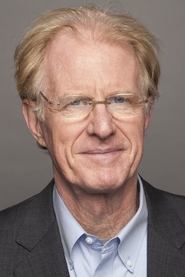 Ed Begley Jr.Justice Harry Blackmun
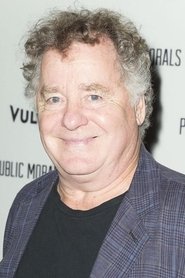 Peter GeretyWilliam Brennan
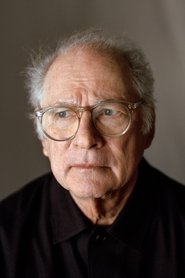 Barry LevinsonJustice Potter Stewart
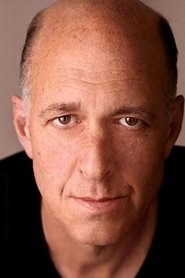 John Bedford LloydByron 'Whizzer' White
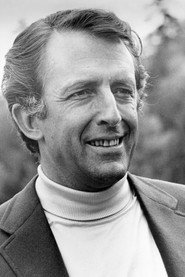 Fritz WeaverHugo Black
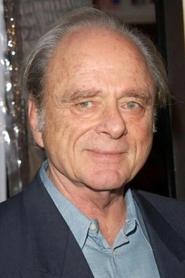 Harris YulinWilliam O. Douglas
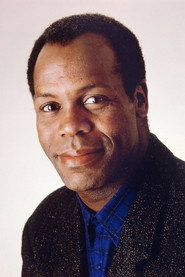 Danny GloverJustice Thurgood Marshall
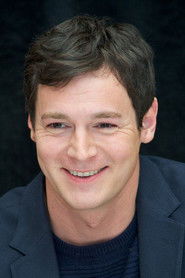 Benjamin WalkerKevin Kennedy
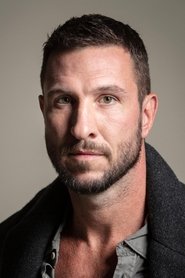 Pablo SchreiberCovert Becker
- Ben SteinfeldSam Edelstein
Directing
- Stephen FrearsDirector
- Michael E. SteeleFirst Assistant Director
- Andrea UlrichScript Supervisor
- Nancy HerrmannSecond Assistant Director
- Ellen ParnettSecond Second Assistant Director
Writing
- Howard L. BinghamBook
- Mark WallaceBook
- Shawn SlovoWriter
Production
- Clayton BeisnerArt Department Production Assistant
- Kathleen ChopinCasting
- David TannerCo-Producer
- Frank DoelgerExecutive Producer
- Jonathan CameronExecutive Producer
- Tracey ScoffieldExecutive Producer
- Jordan M. BowesLocation Assistant
- Tim ChungLocation Assistant
- Tim PisarikLocation Assistant
- Jeff CossaboomLocation Coordinator
- Stuart NicolaiLocation Manager
- Scott FergusonProducer
- Erica KayUnit Production Manager
- Scott FergusonUnit Production Manager
Recommended by
Facing Ali, Unforgivable Blackness: The Rise and Fall of Jack Johnson